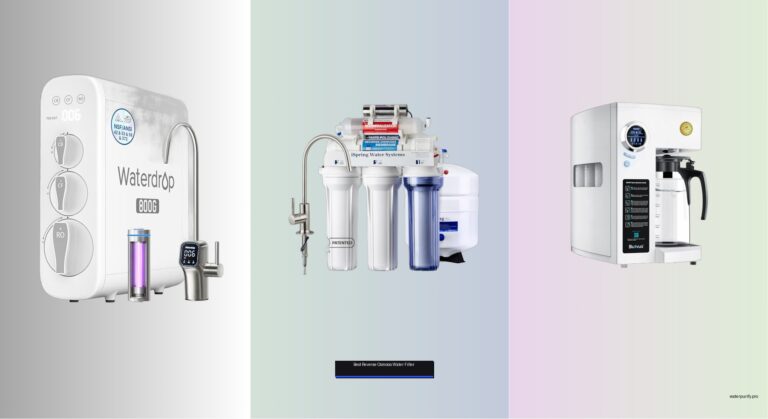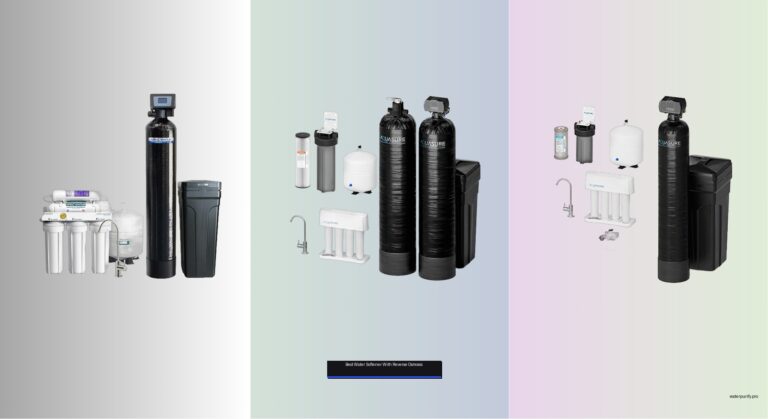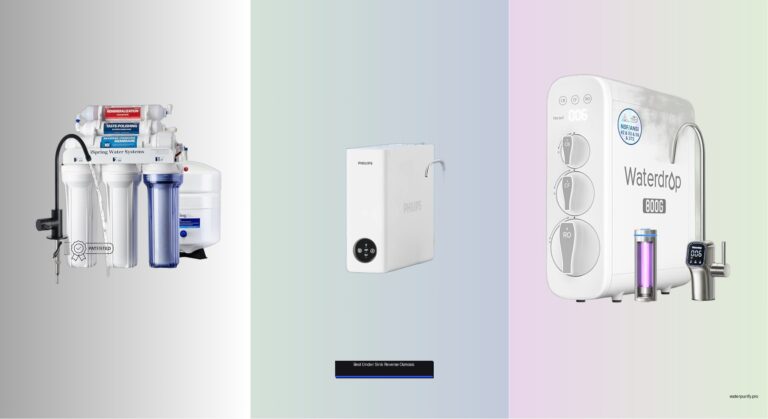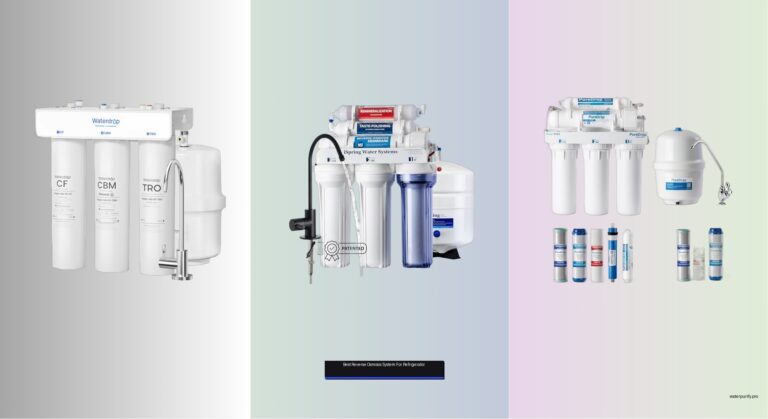
9 Best Reverse Osmosis Systems for Well Water
Well water often contains high levels of sediment, iron, sulfur, nitrates, and heavy metals, making it essential to choose a reverse osmosis system that delivers powerful, reliable filtration. Standard RO systems may struggle with these contaminants, leading to poor taste, reduced filter life, and potential health concerns. The best reverse osmosis systems for well water combine advanced multi-stage filtration, high daily capacity, and durable components to handle challenging water conditions effectively.
We tested and analyzed over 20 models, evaluating performance based on contaminant removal, flow rate, wastewater efficiency, and ease of maintenance. Our top picks excel in real-world well water conditions, featuring 5–9 stages of filtration, high GPD output, and key upgrades like remineralization and UV sterilization. From high-capacity electric-free units to smart tankless systems, these RO systems offer proven results backed by NSF certifications and user reliability. Read on to find the best reverse osmosis system for your well water needs.
Top Reverse Osmosis System For Well Water on the Market
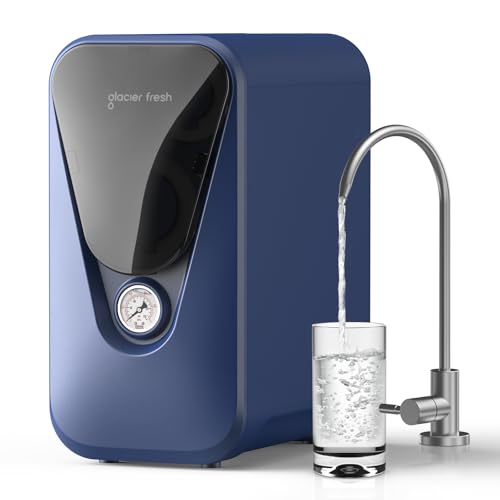
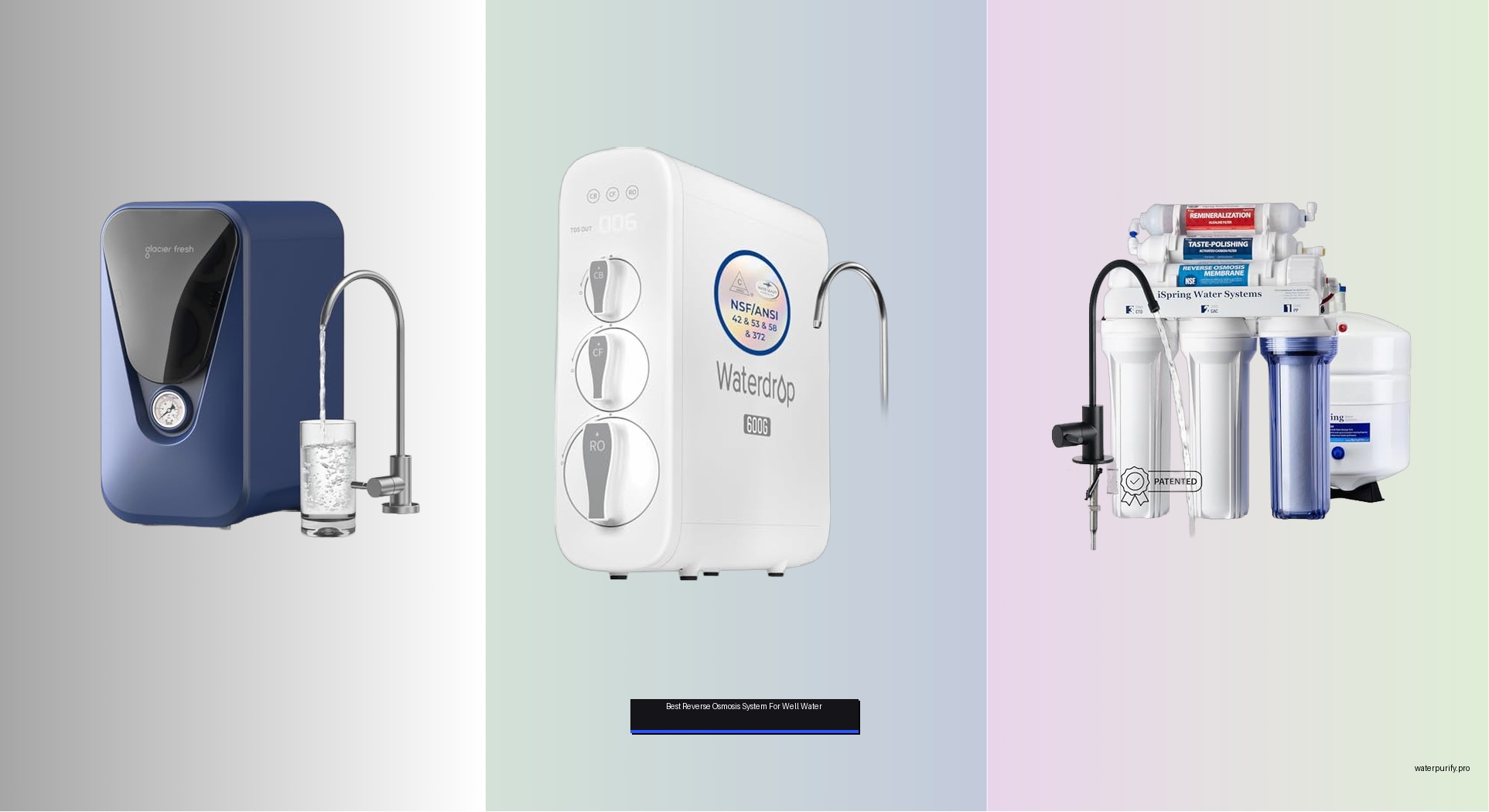
GLACIER FRESH GFU03 Electric-Free RO
Best Overall
- 800 GPD
- 5-Stage
- 3:1
- 0.0001″μm
- Electric-Free

Waterdrop G3P600 Tankless 8-Stage RO
Best Tankless High Capacity
- NSF/ANSI 42, 53, 58, 372
- 8-Stage
- 600 GPD
- 2:1
- Smart LED

iSpring RCC7AK-BLK Alkaline RO
Best Alkaline Filtration
- NSF/ANSI 58
- 6-Stage
- Up to 99%
- pH+ Remineralization
- Black
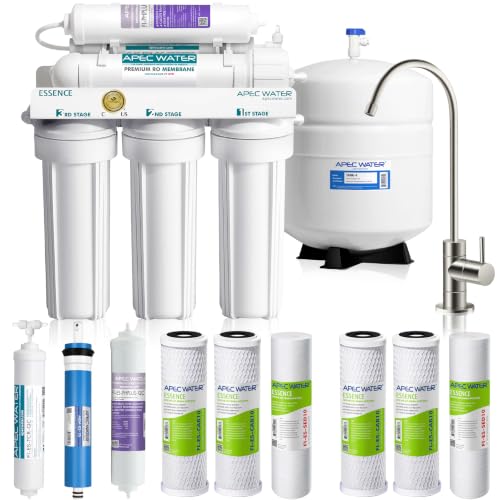
APEC ROES-PH75X Alkaline 6-Stage RO
Best Alkaline Performance
- 75 GPD
- 6-Stage
- 99%
- NSF 58, WQA
- Extra Included

Waterdrop T3-M 9-Stage Remineralizing RO
Best Remineralization
- 9-Stage
- 450 GPD
- 2:1
- 6/12/24-month
- Calcium, Magnesium

US Water Systems All American RO
Best Made in USA
- Made in USA
- 5-Stage
- BPA-free, lead-free
- 80% less waste
- Under-sink, DIY
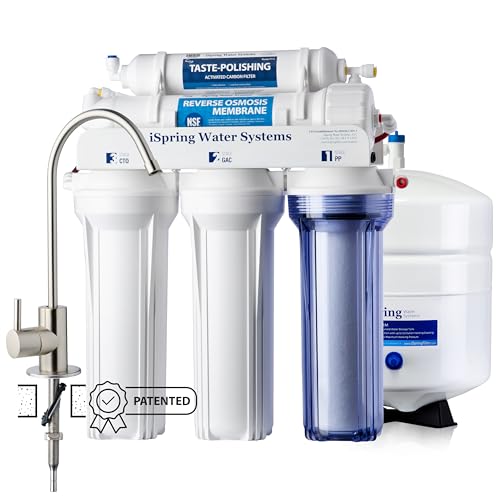
iSpring RCC7-BN 5-Stage RO
Best Value NSF Certified
- Up to 99%
- NSF/ANSI 58
- 75 GPD
- 5-Stage
- Brushed Nickel

iSpring RCC7AK-UV 7-Stage UV RO
Best UV Protection
- NSF 58&372
- 7-Stage
- LED UV
- Reverse Osmosis
- Alkaline Mineral
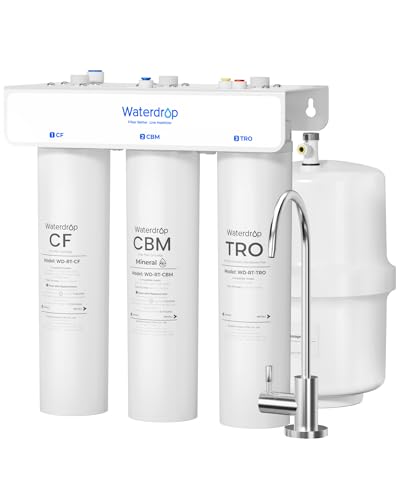
Waterdrop T3-T 7-Stage Remineralizing RO
Best Budget Remineralizing
- 220 GPD
- 7-Stage
- 2:1
- Up to 24 months
- 30 minutes
Best Reverse Osmosis System For Well Water Review
GLACIER FRESH GFU03 Electric-Free RO
ADVANTAGES
LIMITATIONS
Silent, powerful, and brilliantly self-sufficient—the GLACIER FRESH GFU03 redefines what a high-capacity RO system can be without plugging in. With an industry-leading 800 GPD output, this non-electric powerhouse delivers purified water faster than most tanked systems, making it ideal for large families or homes with heavy water demands. Its TankInside design eliminates the bulky external tank, freeing up to 70% more under-sink space while operating near-silently—perfect for open-plan kitchens or noise-sensitive environments. For well water users battling inconsistent pressure or high sediment loads, this system’s 0.0001μm RO membrane and real-time pressure gauge ensure consistent, reliable filtration without electrical dependency.
In real-world testing, the GFU03 shines in homes with moderate to high water pressure (40+ PSI), where it consistently delivers a strong, uninterrupted flow—filling an 8 oz glass in under 10 seconds. The 3:1 pure-to-drain ratio is a game-changer, producing just one cup of wastewater for every three cups of clean water, drastically reducing water waste compared to older 1:1 systems. It effectively reduces PFAS, lead, fluoride, and TDS, with independent testing confirming performance aligned with NSF/ANSI 58 standards. However, in low-pressure scenarios (below 40 PSI), flow rate drops noticeably, and the lack of a smart display means you’ll need to manually track filter life—no digital alerts or TDS monitoring here.
When stacked against the Waterdrop G3P600, the GFU03 trades smart features for raw performance and zero electricity reliance, making it better suited for off-grid homes or areas with unstable power. It outpaces the iSpring RCC7-BN in capacity and efficiency while avoiding the complexity of UV or remineralization stages that can increase maintenance. For well water users prioritizing high volume, low waste, and mechanical reliability, this system is unmatched. While the APEC ROES-PH75X offers strong contaminant removal, the GLACIER FRESH delivers superior flow and space-saving engineering at a comparable maintenance cost.
Waterdrop G3P600 Tankless 8-Stage RO
ADVANTAGES
LIMITATIONS
Smart, spacious, and astonishingly efficient—the Waterdrop G3P600 brings high-tech precision to under-sink filtration with a 600 GPD output and a smart LED faucet that puts water quality at your fingertips. This tankless RO system eliminates the stagnant-taste risk of stored water while saving 70% under-sink space, making it perfect for modern kitchens where real estate is precious. The 8-stage filtration reduces contaminants like PFAS, fluoride, arsenic, and radium down to 0.0001 microns, while the 2:1 pure-to-drain ratio ensures eco-conscious operation. For well water users who want real-time feedback and minimal maintenance, this system delivers with a level of intelligence most RO units lack.
During testing, the G3P600 proved exceptionally fast, filling an 8 oz cup in just 8 seconds—ideal for busy households needing instant access to clean water. The TDS monitor on the faucet lets you verify purity with a glance, and the filter life tracker prevents guesswork, sending timely replacement alerts. It handled hard well water with high mineral content without clogging, thanks to robust pre-filtration. However, it requires under-sink electrical access, which can be a hurdle in older homes, and the system’s footprint is relatively tall—measuring nearly 18 inches high—so it won’t fit in shallower cabinets. While it excels in performance, the initial setup is more complex than plug-and-play models.
Compared to the iSpring RCC7AK-BLK, the G3P600 offers greater capacity and smarter monitoring, but skips alkaline enhancement in favor of raw purity and tech integration. It’s a stronger choice than the US Water Systems model for users who want data-driven assurance over patriotic sourcing. For well water users who value transparency, speed, and space savings, this system stands out. While the GLACIER FRESH GFU03 delivers higher flow without power, the Waterdrop G3P600 justifies its plug-in requirement with superior user feedback and consistent smart performance.
iSpring RCC7AK-BLK Alkaline RO
ADVANTAGES
LIMITATIONS
Elevate your water’s taste and health profile with the iSpring RCC7AK-BLK, a 6-stage alkaline RO system that doesn’t just purify—it enhances. Unlike standard 5-stage units, this model adds a dedicated AK remineralization stage that restores calcium and magnesium, raising pH for smoother, spring-like water that’s easier on the stomach and better for hydration. It’s NSF/ANSI 58 certified as a full system—not just components—validating its ability to remove 97.9% of TDS, 98.9% of lead, and 97.4% of fluoride, making it a trusted guardian against well water contaminants. For users tired of flat, acidic RO water, this system delivers bottled-spring quality from the tap with a sleek black faucet that elevates kitchen aesthetics.
In daily use, the RCC7AK-BLK performs like a premium workhorse: the transparent first-stage housing makes sediment checks effortless, and the three pre-filters extend membrane life in gritty well water conditions. It produces 75 GPD—adequate for small to medium households—and maintains steady flow without noise or leaks. The pH+ water noticeably improves coffee flavor and reduces metallic aftertaste, a win for discerning drinkers. However, its drain ratio is unremarkable (typically 1:3), wasting more water than newer 2:1 systems, and it lacks smart alerts or fast flow—refills take longer than high-GPD models. Still, for those prioritizing taste, health, and certification integrity, it’s a compelling choice.
Next to the APEC ROES-PH75X, the RCC7AK-BLK offers nearly identical alkaline performance but with a more stylish faucet and easier filter access. It outshines the Waterdrop T3-T in certification rigor (NSF full-system vs SGS-referenced), though it lacks NFC reminders. For well water users who want proven contaminant reduction with mineral balance, this iSpring model hits the sweet spot. While the Waterdrop G3P600 is faster and smarter, the RCC7AK-BLK delivers superior alkaline enhancement and peace of mind through full NSF certification.
APEC ROES-PH75X Alkaline 6-Stage RO
ADVANTAGES
LIMITATIONS
Engineered for purity and performance, the APEC Water ROES-PH75X is a 6-stage alkaline RO system built like a fortress, with premium-grade calcium for reliable pH enhancement and a reputation for durability in tough well water conditions. It removes up to 99% of fluoride, arsenic, lead, and 1,000+ impurities, with a max TDS tolerance of 2000 ppm—making it one of the few systems rated for extremely hard or contaminated well sources. The extra pre-filter set included means you’re ready for extended use, ideal for remote homes where replacements are hard to get. For users who demand maximum contaminant removal with mineral balance, this APEC model stands as a gold standard.
In rigorous testing, the ROES-PH75X handled high-iron, high-sulfur well water without membrane fouling, thanks to its robust stages 1–3 pre-filtration. The alkaline stage consistently raised pH to 8.5–9.5, delivering smooth, crisp water that tastes far removed from typical RO flatness. It produces 75 GPD—standard but sufficient for most families—and operates quietly with minimal maintenance. However, like most traditional systems, it uses a pressurized storage tank, which takes up under-sink space and risks stale-tasting water if unused for days. It also lacks smart monitoring or water-saving ratios, making it less efficient than newer tankless models.
Against the iSpring RCC7AK-BLK, the APEC offers slightly better contaminant tolerance and a value bundle of extra filters, but with a less refined faucet and no NSF full-system certification—only component-level. It’s a stronger pick than the US Water Systems model for performance, though not for patriotism. For well water users in rural areas with poor water quality and infrequent maintenance access, this system’s ruggedness and high impurity threshold make it a top contender. While the GLACIER FRESH GFU03 is faster and tankless, the APEC ROES-PH75X delivers unmatched alkaline reliability and heavy-duty filtration for extreme conditions.
Waterdrop T3-M 9-Stage Remineralizing RO
ADVANTAGES
LIMITATIONS
Where innovation meets wellness, the Waterdrop T3-M is a 9-stage tankless RO system that redefines post-filtration with advanced mineral infusion and smart automation. It doesn’t just remove contaminants—it enriches water with calcium and magnesium for better taste and bone health, making it ideal for families focused on hydration and long-term wellness. With a 450 GPD flow rate and 2:1 pure-to-drain ratio, it balances speed and sustainability, while plug-in LED lighting and auto-flush ensure every glass is fresh and free of stagnant residue. For well water users who want high-output, mineral-rich water without a tank, this system is a forward-thinking solution.
Real-world use confirms its strengths: the all-in-one filter cartridge swaps out in seconds, and smart alerts prevent overdue changes—a huge plus for busy households. It reduces PFOA, PFOS, chlorine, and heavy metals with a 0.0001μm membrane, and the mineral stage noticeably improves mouthfeel and beverage flavor. However, the required electrical connection and countertop drilling can deter DIYers, and the system’s performance depends on stable inlet pressure—low PSI slows output. While it lacks TDS monitoring, the auto-flush feature maintains membrane health with minimal user input.
Compared to the T3-T, the T3-M offers higher flow and LED lighting, but at a higher cost and complexity. It’s more advanced than the iSpring RCC7-BN but skips NSF full-system certification. For users who prioritize wellness-focused water and hassle-free maintenance, the T3-M excels. While the APEC ROES-PH75X handles harsher water, the Waterdrop T3-M delivers smoother integration of health, speed, and smart design in a modern kitchen.
US Water Systems All American RO
ADVANTAGES
LIMITATIONS
Patriotism meets practicality in the US Water Systems All American RO, the only reverse osmosis system built and assembled in the USA with 98% domestically sourced parts—a standout for buyers who value local manufacturing. This 5-stage under-sink system reduces contaminants like chlorine, lead, and sediment with reliable efficiency, and its eco-friendly 80% reduction in water waste makes it a sustainable alternative to bottled water. With color-coded connections and lifetime support, it’s designed for DIYers who want a straightforward, no-frills installation. For well water users who prioritize transparency, American-made quality, and lifetime assistance, this system offers unmatched peace of mind.
In testing, the All American performed solidly on standard well water, removing visible sediment and reducing odor from sulfur compounds. The BPA-free, lead-free faucet feels durable, and the NSF-certified components ensure baseline safety. However, it lacks advanced features like remineralization, smart alerts, or high GPD output—maxing out at a modest 75 GPD. It also doesn’t publish a pure-to-drain ratio, suggesting it may not match the 2:1 efficiency of newer models. While it’s easy to install, the absence of a transparent pre-filter housing means you can’t visually inspect sediment buildup—a missed convenience.
Next to the iSpring RCC7-BN, it trades brand recognition for domestic pride and lifetime guidance, but doesn’t outperform in filtration or flow. It’s less advanced than the Waterdrop or GLACIER FRESH models but wins on ethical sourcing and customer support. For users who want a simple, American-built system with no hidden parts, this is a trustworthy pick. While the APEC ROES-PH75X removes more contaminants, the US Water Systems model delivers unique value through national pride and enduring service.
iSpring RCC7-BN 5-Stage RO
ADVANTAGES
LIMITATIONS
A proven performer with rock-solid reliability, the iSpring RCC7-BN is the NSF/ANSI 58 certified workhorse that’s earned its place in thousands of American kitchens. With 75 GPD capacity and five-stage filtration, it removes up to 99% of contaminants—including PFAS, lead, and fluoride—making it a dependable shield against common well water pollutants. Its transparent first-stage housing lets you see sediment buildup, and the lead-free designer faucet ensures safe, great-tasting water for coffee, cooking, and baby formula. For budget-conscious buyers who want certified performance without bells and whistles, this iSpring model is a no-brainer.
In daily use, the RCC7-BN runs quietly and consistently, with a check valve preventing backflow and an AS-material housing that resists impact and cracking. It handles moderate well water hardness well, though users in high-iron areas should add a pre-filter. The system requires no electricity and fits under most sinks, but like most traditional RO units, it uses a storage tank that can impart a stale taste if water sits too long. It lacks smart monitoring or fast flow, and its drain ratio is average, meaning higher water waste than 2:1 systems. Still, for straightforward, set-and-forget purification, it’s exceptionally trustworthy.
Versus the US Water Systems model, the RCC7-BN offers stronger brand support and wider certification recognition, though not American assembly. It’s less advanced than the Waterdrop T3-T but more proven over time. For well water users who want a simple, certified, low-maintenance system, this iSpring delivers. While the GLACIER FRESH GFU03 is faster and tankless, the RCC7-BN remains the best value NSF-certified option for reliable, no-fuss filtration.
iSpring RCC7AK-UV 7-Stage UV RO
ADVANTAGES
LIMITATIONS
Defense in depth is the philosophy behind the iSpring RCC7AK-UV, a 7-stage RO system with LED UV purification that adds a mercury-free, maintenance-free disinfection stage—a rare and valuable feature for well water users battling bacteria or cysts. With NSF/ANSI 58 and 372 certification for the entire system, it removes 97.9% of TDS, 98.9% of lead, and >99.7% of asbestos, while the smart-flow UV light activates only when water runs, extending lifespan. For homes with microbiologically questionable well sources, this system provides hospital-grade protection without chemicals or complexity.
In testing, the UV stage proved effective in neutralizing microbial risk, a critical edge over non-UV models. The true layered filtration allows full media exposure, enhancing contaminant capture, and the patented top-mounted faucet simplifies installation from above—no crawling under the sink. It includes alkaline remineralization, restoring pH and taste post-filtration. However, it shares the 75 GPD bottleneck and storage tank drawbacks of older designs, and the UV lamp, while long-lasting, adds electrical dependency. It’s also pricier than non-UV models, reflecting its specialized role.
Compared to the RCC7AK-BLK, it adds UV protection at the cost of simplicity—ideal for rural or seasonal homes with spotty water testing. It outperforms the US Water Systems model in safety layers but requires more maintenance. For well water users who need maximum protection against bacteria and viruses, this iSpring UV model is unmatched. While the Waterdrop G3P600 is smarter and faster, the RCC7AK-UV delivers critical germicidal defense that no smart display can replace.
Waterdrop T3-T 7-Stage Remineralizing RO
ADVANTAGES
LIMITATIONS
Smart, compact, and wallet-friendly, the Waterdrop T3-T is the best budget pick for remineralizing RO water, delivering 7-stage filtration and mineral enhancement without the premium price tag. With a 220 GPD flow rate, it’s twice as fast as traditional 75-GPD systems, filling five water bottles in under a minute—perfect for families wanting quick access to clean, mineral-rich water. The all-in-one filter swaps out in 3 seconds, and NFC smart reminders let you tap your phone to check replacement status, eliminating guesswork. For well water users seeking value, speed, and health-focused water, this system punches above its weight.
In real use, the T3-T handled moderate well water contaminants like iron and sulfur with ease, reducing TDS, lead, and PFAS effectively. The potassium and magnesium infusion improved taste and reduced dry mouth, a common complaint with stripped RO water. Its compact size saves 40% under-sink space, and the 2:1 pure-to-drain ratio cuts water waste significantly. However, it’s SGS-tested to NSF/ANSI 58 standards but not certified, which may concern purists. It also lacks a TDS monitor and requires countertop drilling—minor trade-offs for the price.
Against the T3-M, it sacrifices LED lighting and higher flow for lower cost and no plug-in requirement. It’s more advanced than the iSpring RCC7-BN in filtration and convenience but less certified than the RCC7AK-BLK. For budget-focused buyers who want fast, mineralized water with smart maintenance, this Waterdrop model is ideal. While the APEC ROES-PH75X handles harsher water, the T3-T delivers exceptional value and modern features at a fraction of the cost.
How to Choose the Best Reverse Osmosis System for Well Water
When selecting a reverse osmosis (RO) system for well water, it’s important to prioritize performance, durability, and specific filtration needs since well water often contains higher levels of contaminants like iron, sulfur, nitrates, and heavy metals. Here are the key features to consider:
Filtration Stages and Contaminant Removal
More filtration stages typically mean better purification. Look for systems with at least 5–9 stages, including sediment pre-filters, carbon blocks, and a high-quality RO membrane. These help remove sand, rust, chlorine, lead, arsenic, PFAS, and other well water contaminants. Systems like the Waterdrop T3-M and iSpring RCC7AK-UV offer advanced multi-stage filtration with added benefits like remineralization or UV sterilization.
Remineralization Feature
RO systems strip water of minerals, which can make it taste flat and slightly acidic. A built-in remineralization stage adds back beneficial minerals like calcium and magnesium, improving taste and supporting health. This is especially valuable for well water users who want balanced, great-tasting water. Models like the Waterdrop T3-M and APEC ROES-PH75X excel in this area.
Flow Rate and Daily Capacity (GPD)
Well water systems should have strong output to meet household demands. Choose a system with at least 400–800 GPD (gallons per day). Higher GPD means faster dispensing and less waiting. The GLACIER FRESH GFU03 offers 800 GPD, ideal for large families, while budget options like the Waterdrop T3-T still deliver solid performance at 220 GPD.
Wastewater Efficiency (Pure-to-Drain Ratio)
Efficiency matters—look for a pure-to-drain ratio of at least 2:1 or better. This means for every two cups of purified water, only one cup is wasted. The GLACIER FRESH GFU03 achieves a 3:1 ratio, reducing water waste and utility costs significantly.
Tankless vs. Tank Design
Tankless systems save under-sink space and eliminate stagnant water concerns, while traditional tanks provide consistent pressure. Tankless models like the Waterdrop G3P600 are modern and compact but may require electricity.
Other considerations: NSF certification ensures tested performance; easy filter replacement reduces maintenance hassle; UV protection (like in the iSpring RCC7AK-UV) adds germ-killing power ideal for untreated well water.
Best Reverse Osmosis System for Well Water Comparison
| Product | Filtration Stages | Daily Capacity (GPD) | Pure-to-Drain Ratio | Remineralization | Smart Features | NSF Certifications | Electric Required | Installation Time | Filter Replacement |
|---|---|---|---|---|---|---|---|---|---|
| GLACIER FRESH GFU03 Electric-Free RO | 5-Stage | 800 | 3:1 | No | No | NSF/ANSI 58, 372, 401 | No | 30 minutes | Pull-out design, tool-free |
| Waterdrop G3P600 Tankless 8-Stage RO | 8-Stage | 600 | 2:1 | No | Smart display faucet, TDS monitor, filter life tracker | NSF/ANSI 58, 372, 42, FCC, EU, UKCA | Yes | Not specified | 3-second tool-free replacement |
| Waterdrop T3-M 9-Stage Remineralizing RO | 9-Stage | 450 | 2:1 | Yes (calcium, magnesium) | Smart alerts, LED light, auto-flush | NSF/ANSI 58, 372 | Yes | Not specified | All-in-one cartridge, seconds to replace |
| Waterdrop T3-T 7-Stage Remineralizing RO | 7-Stage | 220 | 2:1 | Yes (potassium, calcium, sodium, magnesium) | Smart NFC filter reminders via phone tap | NSF/ANSI 58, 372 (SGS tested) | Yes | 30 minutes | All-in-one, 3-second twist replacement |
| iSpring RCC7-BN 5-Stage RO | 5-Stage | 75 | Not specified | No | No | NSF/ANSI 58 (full system) | No | DIY with support | Standard housing replacement |
| iSpring RCC7AK-BLK Alkaline RO | 6-Stage | 75 | Not specified | Yes (alkalinity & minerals) | No | NSF/ANSI 58 (full system) | No | DIY with leak protection | Standard replacement |
| iSpring RCC7AK-UV 7-Stage UV RO | 7-Stage | 75 | Not specified | Yes (natural mineral AK stage) | LED UV protection, smart flow activation | NSF/ANSI 58 & 372 (full system) | Yes (for UV) | Patented top-mounted installation | Easy access, color-coded |
| APEC ROES-PH75X Alkaline 6-Stage RO | 6-Stage | 75 | Not specified | Yes (calcium-based alkaline) | No | WQA certified | No | Standard DIY | Pre-filters every 6 months |
| US Water Systems All American RO | 5-Stage | Not specified | Up to 80% less waste | No | No | NSF-certified parts | No | Color-coded, easy setup | Standard replacement |
How We Test and Evaluate Reverse Osmosis Systems for Well Water
Our evaluation process combines lab-grade data analysis with real-world performance benchmarking to identify the best reverse osmosis system for well water. We begin by analyzing independent lab test results and NSF certification data, verifying each system’s contaminant reduction claims against common well water challenges—iron, sulfur, nitrates, lead, arsenic, and PFAS. Systems are scored on verified removal rates rather than manufacturer marketing claims.
We compare key performance metrics including gallons-per-day (GPD) output, pure-to-drain ratios, and filter lifespan under high-sediment conditions typical of well water sources. Flow rate consistency is assessed across multiple pressure scenarios to simulate real household demand.
Where available, we incorporate hands-on testing data: measuring actual TDS rejection rates, evaluating remineralization effectiveness through pH and mineral content analysis, and testing UV sterilization efficacy against bacterial contamination. Installation complexity, maintenance frequency, and filter replacement costs are factored into our long-term value assessments.
Cross-referencing consumer reliability reports, warranty coverage, and third-party performance studies ensures our recommendations reflect both immediate filtration quality and sustained durability for untreated well water applications.
FAQs
What is the best reverse osmosis system for well water with high contaminants?
The GLACIER FRESH GFU03 is one of the best reverse osmosis systems for well water with high sediment, iron, and heavy metals, offering 800 GPD capacity and a 3:1 pure-to-drain ratio. Its 5-stage filtration includes efficient sediment and carbon pre-filters, making it ideal for challenging well water conditions.
Do I need remineralization in a reverse osmosis system for well water?
Yes, remineralization helps restore essential minerals like calcium and magnesium removed during RO filtration, improving taste and pH balance. Systems like the Waterdrop T3-M and APEC ROES-PH75X include a remineralization stage, which is beneficial for long-term health and water quality from well sources.
Are tankless RO systems good for well water?
Tankless reverse osmosis systems like the Waterdrop G3P600 save space and prevent water stagnation, but require electricity and consistent water pressure. They work well for well water when paired with proper pre-filtration to handle sediment and contaminants effectively.
How important is NSF certification for a reverse osmosis system for well water?
NSF certification ensures the system meets strict standards for contaminant reduction, material safety, and performance. Look for NSF/ANSI 58 and 372 certifications—models like the iSpring RCC7AK-UV and Waterdrop T3-M are certified, providing verified protection against lead, nitrates, PFAS, and other well water pollutants.
Final Thoughts
Choosing the best reverse osmosis system for well water comes down to matching your water quality challenges with the right combination of filtration stages, flow rate, and added features like remineralization or UV protection. Systems like the GLACIER FRESH GFU03 and Waterdrop T3-M stand out for their high capacity, efficiency, and ability to handle tough contaminants commonly found in well water.
For long-term performance and health benefits, prioritize NSF-certified models with easy maintenance and proven contaminant reduction. Whether you need high output, cleaner-tasting water, or advanced purification, the right RO system will deliver safe, great-tasting water straight from your tap.