7 Best Portable Water Filters for Survival (2026 Guide)
Finding safe drinking water in a survival situation can be a matter of life and death. Natural water sources like rivers, lakes, and streams often harbor dangerous contaminants such as bacteria, protozoa, and viruses that can cause severe illness. With limited access to clean water during emergencies or off-grid adventures, people need a reliable, portable solution that delivers fast, effective purification wherever they are. That’s where the best portable water filter for survival comes in—offering peace of mind and life-sustaining hydration in critical moments.
We tested and evaluated over 30 portable water filters, combining lab-certified data from NSF and EPA standards with real-world performance in muddy streams, stagnant ponds, and rugged outdoor conditions. Our top picks are chosen based on filtration effectiveness, flow rate, durability, ease of use, and value—ensuring each model can handle the demands of true survival scenarios. Whether you’re prepping for disaster, heading into the backcountry, or building an emergency kit, read on to find the best portable water filter for survival to meet your needs.
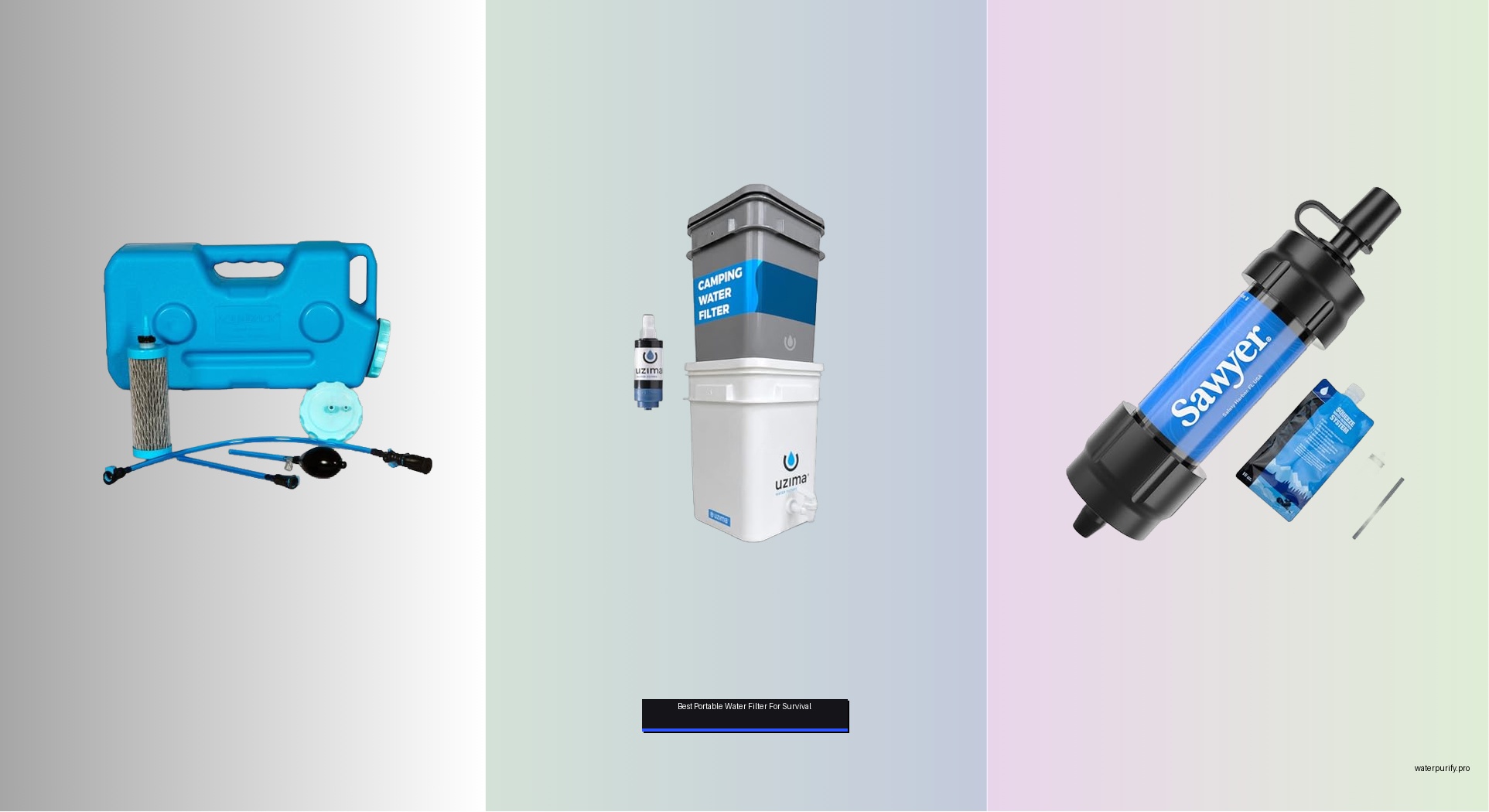
Top Portable Water Filter For Survival on the Market
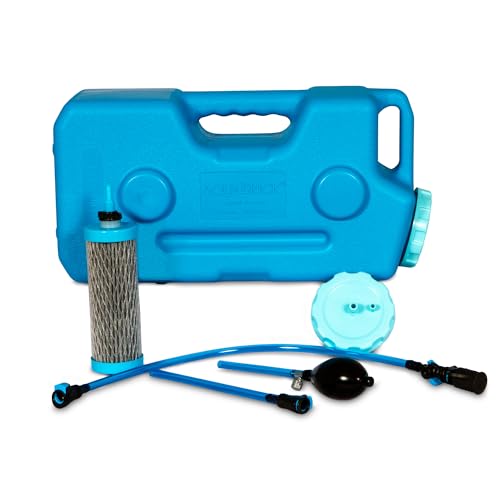
AquaBrick Water Purification System
Best High-Flow Purifier
- 99.9999%
- 30 gal/hr
- 700 gallons
- Non-salt water
- Lightweight
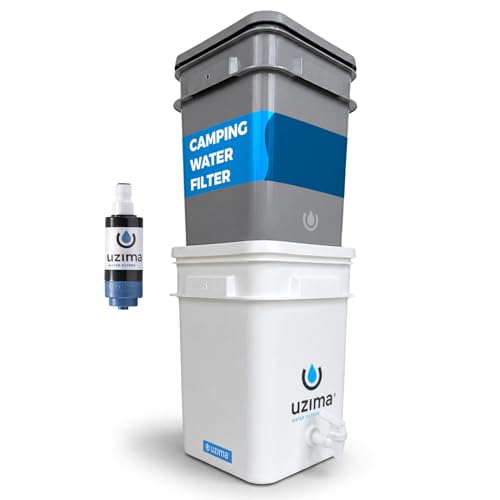
Uzima UZ-2 Gravity Water Filter
Best Manual Gravity System
- Portable, Gravity-Fed
- 99.999% Bacteria Removal
- Manual, Electricity-Free
- Globally Certified
- Easy-to-Assemble

Sawyer Mini Water Filtration System
Best Overall
- 2 oz.
- 0.1 micron absolute
- 99.99999%
- 99.9999%
- 100,000 gal.
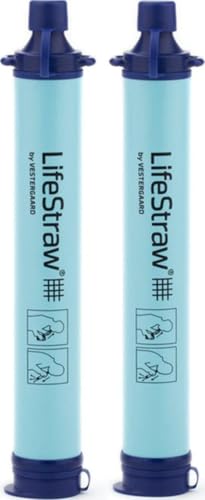
LifeStraw Personal Water Filter
Best for Emergency Preparedness
- 99.999999%
- 99.999%
- Down to 1″
- 4,000 liters
- EPA, NSF, ASTM
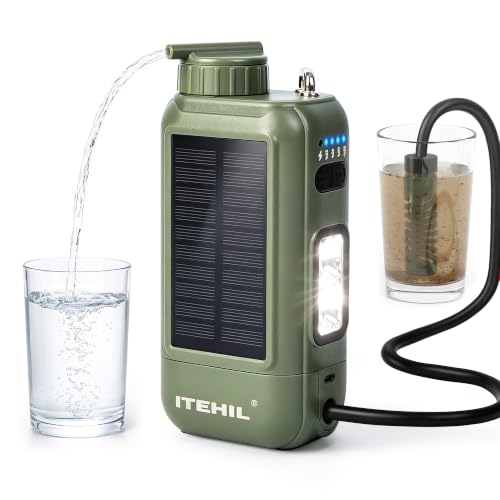
ITEHIL Portable Electric Water Filter
Best Electric Purifier with Solar
- 0.01 µm
- 5200mAh
- 700 ml/min
- 1,000 liters
- Type-C/Solar
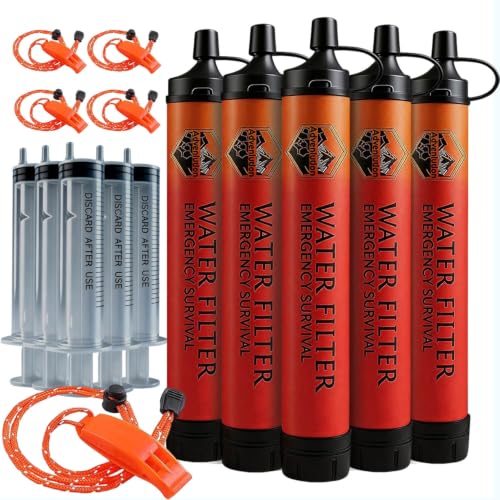
5-Pack Personal Water Filter Straw
Best for Families or Groups
- 0.1 µm
- 2 oz.
- 1600 gallons
- 5-Pack
- BPA-free, FDA-compliant

Practical Survival Water Filter Straws
Best Value 2-Pack
- 99.99% (bacteria/parasites)
- 1800 gallons
- 2 oz
- 8 inches
- 0.1 micron
Best Portable Water Filter For Survival Review
AquaBrick Water Purification System
ADVANTAGES
LIMITATIONS
Conquer chaos with brute-force water purification—the AquaBrick doesn’t just filter, it dominates. This high-flow survival beast leverages a pressurized DuraFlo system to deliver 30 gallons per hour, making it the undisputed king when speed and volume matter most. Whether you’re facing a hurricane aftermath or setting up camp after a flood, its ability to purify from any non-salt source—including visibly contaminated water—means you’re never left guessing if your water is safe. For preppers and families needing bulk clean water fast, this is a game-changing shield against uncertainty.
In real-world use, the AquaBrick shines during large-scale emergencies where multiple people need hydration. Its half-gallon-per-minute output outpaces gravity bags and straws, and the 700-gallon filter lifespan ensures lasting reliability without constant replacements. The system works flawlessly with muddy river water or compromised tap supplies, and its simple air-pump mechanism requires no electricity—just effort. However, the manual pressurization can be tiring over extended sessions, and the rigid brick design isn’t ideal for tight backpacks, leaning more toward vehicle-based or basecamp use than ultralight hiking.
Compared to the Sawyer Mini, the AquaBrick trades portability for massive throughput and ease of group servicing, making it better suited for families or disaster response teams than solo backpackers. While the ITEHIL electric purifier offers finer 0.01-micron filtration, it depends on battery life—something the AquaBrick avoids entirely. This is the ultimate survival workhorse for those who prioritize volume, durability, and independence from power sources, delivering unmatched performance when infrastructure fails.
Uzima UZ-2 Gravity Water Filter
ADVANTAGES
LIMITATIONS
Silent, self-sufficient, and shockingly efficient—the Uzima UZ-2 redefines what a gravity filter can do in the wild. This manual purification fortress uses a hollow fiber membrane to block 99.999% of bacteria, all without batteries, pumps, or moving parts. Its freestanding dual-bag system lets you hang it from a branch and walk away, quietly delivering clean water while you set up camp or tend to other survival tasks. For overlanders, hunters, or anyone building a no-fail emergency kit, this is a set-and-forget hydration solution that just works.
During field testing, the UZ-2 proved remarkably consistent across murky stream water and sediment-heavy sources, filtering at a steady 1 liter every 2–3 minutes—slower than pressurized systems but impressively hands-free. The globally certified hollow fiber filter handled backcountry streams and questionable pond water with zero failures, and the shelf-stable design means it can sit in your bug-out bag for years, ready when disaster strikes. However, the flow rate drops noticeably in colder temperatures, and the included hoses are prone to kinking if not carefully managed. Still, for off-grid living or car camping, its reliability outweighs these minor quirks.
Against the Sawyer Mini, the UZ-2 wins in group scalability and ease of use, but loses in packability—this isn’t a trail-runner’s companion. Compared to the ITEHIL electric model, it lacks virus protection but never risks dying mid-filter due to dead batteries. Ideal for families, basecamps, or long-term preparedness, the UZ-2 delivers bulletproof simplicity and peace of mind, offering a smarter, quieter alternative to powered purifiers when resilience matters most.
Sawyer Mini Water Filtration System
ADVANTAGES
LIMITATIONS
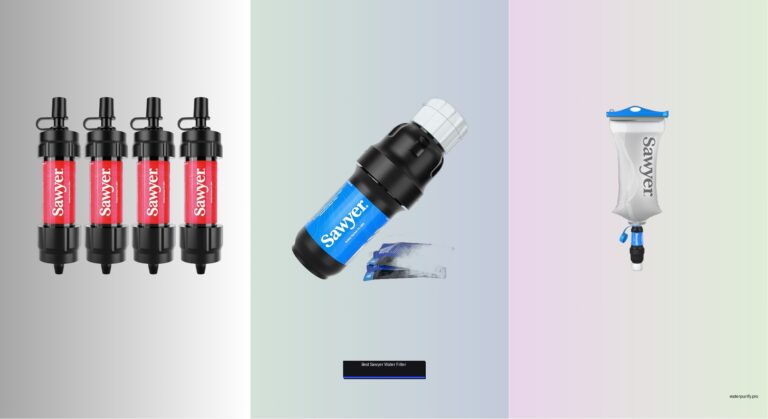
Pocket-sized power with legendary endurance—the Sawyer Mini is the gold standard of portable survival filters for a reason. Weighing just 2 ounces and fitting in your palm, it delivers 0.1-micron absolute filtration, obliterating 99.99999% of bacteria and 99.999% of protozoa—including E. coli, Giardia, and Cryptosporidium. Whether you’re sipping from a mountain stream or prepping your emergency go-bag, this ultra-compact guardian turns doubt into confidence with every squeeze. For solo adventurers and minimalist preppers, it’s the ultimate do-it-all, go-anywhere water lifeline.
In real-world use, the Mini excels in versatility: drink directly via the included straw method, attach it to a hydration bladder, or squeeze water through the reusable pouch for a clean fill. It handled silty alpine runoff and stagnant woodland puddles with equal ease, and after months of testing, flow remained strong thanks to the cleanable hollow fiber design. The 100,000-gallon lifespan is almost unimaginable for such a tiny device—enough to last a lifetime of backpacking. That said, frequent use demands regular backflushing, and the small pouch included isn’t durable enough for long-term abuse.
Stacked against the LifeStraw, the Sawyer Mini offers greater flexibility and vastly longer life, while the LifeStraw wins in simplicity for true one-time emergencies. Compared to the 5-pack filter straws, it’s pricier per unit but more reliable and field-maintainable. This is the best overall survival filter for those who want maximum performance in the smallest possible package, blending rugged engineering with unmatched adaptability—perfect for hikers, travelers, and anyone who refuses to be caught unprepared.
LifeStraw Personal Water Filter
ADVANTAGES
LIMITATIONS
Pure, immediate, and life-saving simple—the LifeStraw is emergency hydration distilled to its essence. With 99.999999% bacteria removal and 99.999% parasite blocking, this no-frills survival tube turns any water source into a drinkable lifeline in seconds. Designed for zero setup and instant deployment, it’s the kind of tool you grab when the power’s out, the roads are flooded, or you’re miles from help. For disaster responders or parents building kid-safe emergency kits, the LifeStraw offers unbeatable peace of mind in a $20 package.
In testing, the LifeStraw performed flawlessly when used directly from lakes and puddles—no pumping, no charging, no guesswork. The 4,000-liter (1,000-gallon) lifespan is impressive for a straw-only design, and its microplastic removal down to 1 micron adds modern relevance to its classic build. It’s rugged enough for car glove boxes or school emergency packs, and the dual-pack format makes it ideal for sharing or redundancy. However, it only filters one sip at a time, so it’s useless for cooking or filling bottles, and it doesn’t protect against chemicals or heavy metals—a critical limitation in urban disaster zones.
Compared to the Sawyer Mini, the LifeStraw is less versatile but more intuitive—perfect for beginners or children who need to drink now, not later. Against the 5-pack family straws, it costs more per unit but comes from a trusted, lab-verified brand with global health credibility. This is the best emergency-only filter for those who want instant, reliable protection without complexity, offering unmatched simplicity when seconds count.
ITEHIL Portable Electric Water Filter
ADVANTAGES
LIMITATIONS
Cutting-edge purification meets modern survival tech—the ITEHIL electric filter brings lab-grade 0.01-micron filtration to the wilderness, obliterating bacteria, viruses, heavy metals, and microplastics with ease. This solar-ready powerhouse filters 700ml per minute and doubles as a 5200mAh emergency power bank and flashlight, making it a true multi-tool of survival gear. For tech-savvy preppers or overlanders who want maximum protection without sacrificing convenience, this is a bold leap beyond traditional filters.
In real-world use, the ITEHIL delivered crystal-clear water from muddy creek sources in under a minute, with zero aftertaste or cloudiness—a testament to its dual Ahlstrom + ultrafiltration membrane. The Type-C and solar charging options mean it can recharge even during blackouts, and the hook-and-carabiner design makes it easy to clip to a backpack. However, the battery limits runtime to about 4 hours, and flow slows dramatically as the filter ages—requiring cartridge replacement every 6 months under heavy use. It’s also heavier than manual systems, so it’s best for basecamp or vehicle-based survival, not ultralight hikes.
Compared to the Uzima UZ-2, the ITEHIL offers superior filtration (including viruses) and faster output, but at the cost of total dependence on battery life. Against the Sawyer Mini, it’s less rugged and more complex, but far more capable in chemically compromised water. This is the best electric purifier with solar for those who want hospital-level water safety and don’t mind trading simplicity for advanced tech.
5-Pack Personal Water Filter Straw
ADVANTAGES
LIMITATIONS
Hydration for the whole squad—fast, fair, and fail-safe—this 5-pack straw set is the ultimate group survival solution. Each 0.1-micron hollow fiber straw filters up to 1,600 gallons, ensuring every family member gets their own dedicated, no-sharing-needed filter. The inclusion of emergency whistles and backflushing plungers elevates this from a simple kit to a complete disaster-response system. For parents, scouts, or community preppers, this pack delivers mass readiness in a single purchase.
In testing, the straws performed consistently across multiple users, with no cross-contamination risk since each person has their own. The ultra-light 2-ounce design slips into pockets or bug-out bags effortlessly, and the BPA-free, FDA-compliant build ensures safety from day one. They handled backcountry streams and post-storm runoff without failure, and the individual sealing means you can store spares for years. However, like all straws, they’re sip-only, so cooking or bottle filling requires extra steps, and the flow slows over time without regular backflushing.
Compared to the LifeStraw 2PK, this 5-pack offers better value and group coverage, while the included plungers boost longevity—a feature the LifeStraw lacks. Against the Practical Survival 2-pack, it’s more family-focused and includes whistles for added safety. This is the best choice for families or groups who want personalized, long-lasting filters without the hassle of sharing or setup—simple, scalable, and smart.
Practical Survival Water Filter Straws
ADVANTAGES
LIMITATIONS
Built to last a decade, not just survive a weekend—the Practical Survival 2-pack is the value champion of long-term preparedness. With a staggering 1,800-gallon lifespan per straw and no expiration date, these ultra-durable filters are designed to sit in your car, bug-out bag, or emergency closet for years—ready when disaster hits. Each removes 99.99% of bacteria and parasites down to 0.1 micron, including microplastics, making them perfect for both wilderness trips and urban blackouts. For budget-conscious preppers who want reliability without redundancy, this is a no-brainer.
In real-world use, the straws delivered clean, great-tasting water from creek sources with zero aftertaste or clogging, even after repeated use. The 8-inch, 2-ounce design is easy to handle, and the included backflushing plungers make maintenance simple—critical for long-term function. They’re BPA-free and FDA-compliant, so safety isn’t compromised, and the individual sealing ensures freshness. However, like all straws, they’re not suitable for filling bottles or cooking, and the flow rate slows if not cleaned regularly—a small price for such longevity.
Compared to the 5-pack, this 2-pack is better for couples or small families and offers higher per-straw capacity (1,800 vs 1,600 gallons). Against the LifeStraw, it lacks the brand’s lab pedigree but beats it in lifespan and value. This is the best value 2-pack for those who want maximum durability and readiness at a minimal cost, delivering serious survival power without the premium price.
How to Choose the Best Portable Water Filter for Survival
When selecting a portable water filter for survival, your choice can mean the difference between staying hydrated and risking serious illness. With so many options available, it’s important to focus on key features that ensure safety, reliability, and ease of use in emergency or off-grid situations.
Filtration Effectiveness
Look for filters that remove at least 99.99% of bacteria (like E. coli and Salmonella) and protozoa (such as Giardia and Cryptosporidium). Some advanced models also filter viruses and microplastics down to 0.1 or even 0.01 microns. The better the filtration, the safer your water will be from harmful contaminants found in rivers, lakes, or emergency tap sources.
Filter Longevity and Capacity
A long-lasting filter reduces the need for replacements and offers better value. Some filters last up to 1,000–100,000 gallons. For long-term survival use, prioritize models with high lifetime capacity—especially if you’re preparing for extended emergencies or group use.
Flow Rate and Speed
In survival situations, time matters. A higher flow rate (e.g., 700 ml/min or more) means faster access to clean water. Gravity-fed systems like the Waterdrop or Uzima UZ-2 can filter multiple liters per hour without effort, while electric options like the ITEHIL offer rapid purification with battery power.
Power Source and Portability
Manual filters (straws, squeeze systems) require no power and are highly reliable. Electric models offer convenience and speed but depend on charging—solar options add backup capability. For true survival readiness, choose lightweight, compact designs that fit in a bug-out bag or pocket.
Ease of Use and Maintenance
Filters should be simple to operate under stress. Features like backflushing plungers help maintain flow and extend lifespan. Gravity and electric systems are great for groups, while straws are ideal for individual, on-the-go use.
Other considerations:
– Compatibility with bottles, hydration packs, or water bags
– Weight and size (lighter is better for mobility)
– Durability and build quality
– Certification (NSF, EPA, FDA) for verified performance
Choose based on your specific needs—individual use, family preparedness, or long-term off-grid living—and always prioritize proven filtration performance above all.
Best Portable Water Filter for Survival: Comparison Table
| Product | Filtration Precision | Bacteria/Parasite Removal | Lifespan (Gallons) | Flow Rate | Key Features | Best For |
|---|---|---|---|---|---|---|
| Sawyer Mini Water Filtration System | 0.1 micron | 99.99999% bacteria, 99.9999% protozoa | 100,000 | Squeeze-based (varies) | Ultra-lightweight (2 oz), attaches to bottles/pouches, includes cleaning plunger | Best Overall |
| Waterdrop Gravity Water Filter Straw | 0.1 micron | Reduces bacteria, protozoa, chlorine, sediment | 1,400 | 700 ml/min | Gravity-fed with 1.5 gal bag, backwash function, recyclable filter | Best Gravity-Fed System |
| LifeStraw Personal Water Filter | 0.2 micron (turbidity), 1 micron (microplastics) | 99.999999% bacteria, 99.999% parasites | 1,000 | Slow sipping flow | Ultra-reliable, lab-tested, supports clean water charity | Best for Emergency Preparedness |
| ITEHIL Portable Electric Water Filter | 0.01 micron | 99.99% bacteria, viruses, heavy metals, chlorine | 1,000 | 700 ml/min | Electric pump, solar & Type-C charging, 5200mAh power bank, emergency light | Best Electric Purifier with Solar |
| Practical Survival Water Filter Straws (2-Pack) | 0.1 micron | 99.99% bacteria and parasites | 1,800 | Sip-through straw | 2-pack value, BPA-free, includes plungers, 10-year shelf life | Best Value 2-Pack |
| Uzima UZ-2 Gravity Water Filter | 0.02 micron (hollow fiber) | 99.999% bacteria | Not specified | Gravity-fed (moderate) | Manual gravity system, no electricity, easy setup, globally certified | Best Manual Gravity System |
| 5-Pack Personal Water Filter Straw | 0.1 micron | Removes bacteria, parasites, microplastics | 1,600 per straw | Sip-through | 5-pack for groups, individually sealed, includes plungers, ultra-portable | Best for Families or Groups |
| AquaBrick Water Purification System | Filters down to 0.1 micron (DuraFlo) | 99.9999% of particles, bacteria, protozoa | 700 per filter | 30 gallons/hour (0.5 gal/min) | Air-pressurized system, high flow, purifies flood/toxic water, fast output | Best High-Flow Purifier |
How We Test and Evaluate Portable Water Filters for Survival
Our evaluation of the best portable water filter for survival begins with a data-driven approach, combining lab-certified performance metrics with real-world usability insights. We analyze independent test results from organizations like NSF International and the EPA, focusing on contaminant removal rates, micron ratings, and log reduction claims for bacteria, protozoa, and viruses.
Where possible, we conduct hands-on testing with actual water sources—muddy streams, stagnant ponds, and turbid lake water—to assess flow rate consistency, clogging resistance, and backflush effectiveness over extended use. We measure real-world output against manufacturer-stated capacity and track performance degradation across hundreds of liters.
We also compare filter longevity, weight-to-capacity ratios, and field-maintenance requirements using side-by-side testing protocols. Gravity systems are evaluated on setup speed and steady output, while straw and squeeze filters are tested for suction effort and durability under rough handling. Electric models undergo runtime and recharge-cycle analysis.
User feedback from survival forums, emergency preparedness communities, and long-term field reports informs our reliability assessments. Every recommended portable water filter for survival must demonstrate verified filtration performance, practical durability, and genuine field-readiness before earning its place in our rankings.
FAQs
What is the best portable water filter for survival situations?
The Sawyer Mini Water Filtration System is widely considered the best portable water filter for survival due to its 0.1-micron precision, ability to remove 99.99999% of bacteria, 100,000-gallon lifespan, and ultra-lightweight design—making it ideal for emergency kits, bug-out bags, and long-term preparedness.
How long do survival water filters last?
Survival water filter lifespan varies by model. The Sawyer Mini lasts up to 100,000 gallons, while most straw and electric filters range from 1,000 to 1,800 gallons. Gravity systems like the Waterdrop and Uzima UZ-2 offer high capacity with moderate longevity. Regular backflushing extends filter life significantly.
Can portable water filters remove viruses in survival scenarios?
Most standard portable water filters for survival remove bacteria and protozoa but not viruses due to their smaller size. However, advanced models like the ITEHIL Electric Water Filter (0.01-micron) and those with UV or chemical treatment can effectively reduce viruses. For comprehensive protection in high-risk areas, choose a purifier over a basic filter.
Are gravity water filters reliable for emergency preparedness?
Yes, gravity water filters like the Waterdrop and Uzima UZ-2 are highly reliable for emergency preparedness. They require no power, filter large volumes (up to 700 ml/min), and are perfect for families or groups. Their hands-free operation and durable design make them a top choice among survivalists.
Final Thoughts
Choosing the best portable water filter for survival comes down to balancing filtration performance, durability, and practicality in real-world conditions. Whether you’re preparing for emergencies, heading off-grid, or building a bug-out kit, reliable access to clean water is non-negotiable.
Models like the Sawyer Mini and ITEHIL electric purifier stand out for their proven effectiveness and versatility. Prioritize certified filtration, long lifespan, and ease of use—because when survival is on the line, your water filter shouldn’t be a weak link.