Does Reverse Osmosis Remove Mold?
Reverse osmosis removes mold from water, but only when the system is intact and properly maintained. RO membranes physically block mold spores because they are thousands of times larger than the membrane’s molecular weight cutoff of around 100 Daltons. Under ideal conditions, RO can remove up to 99.9% of organic contaminants, including mold, making it one of the most effective home filtration methods available.
But that impressive number tells only part of the story. A microscopic tear in the membrane, an overdue carbon filter, or stagnant water inside the storage tank can turn your purifier into a mold source instead of a solution. This guide explains exactly how RO blocks mold, where it fails, how to spot internal growth, and the cleaning routine that keeps your water safe.
How RO Blocks Mold by Size
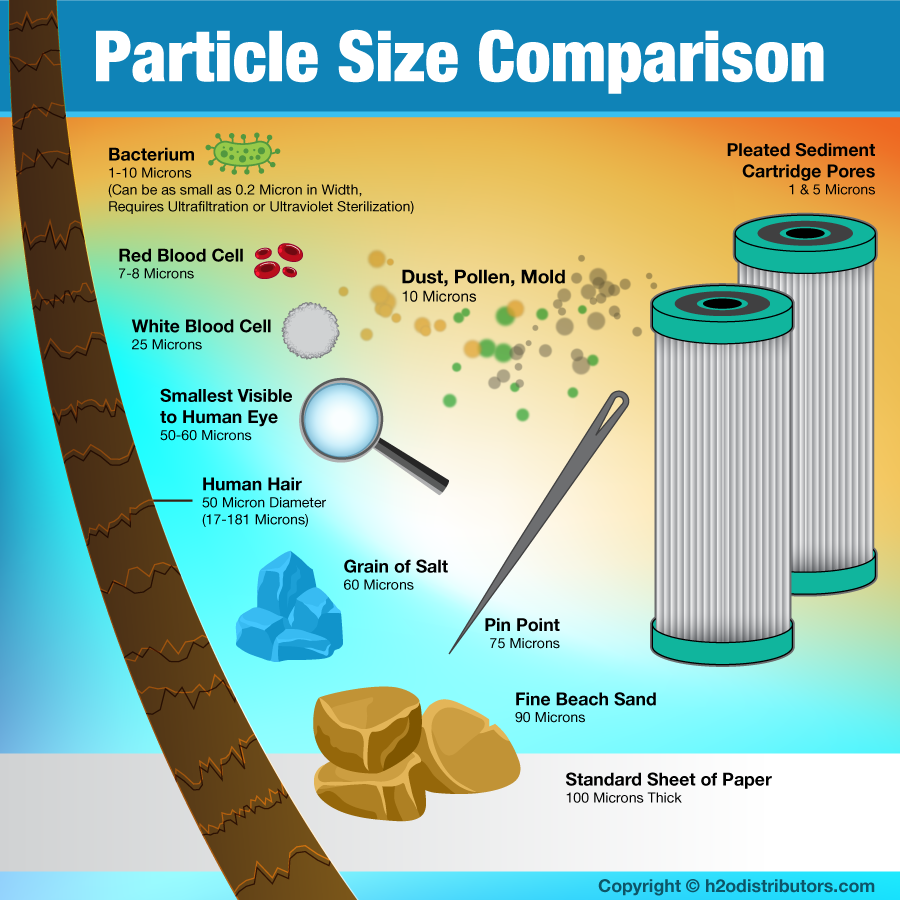
Mold spores and fungal cells are far too large to pass through a functioning reverse osmosis membrane. The technology relies on physical rejection based on particle size, not chemical treatment.
Membrane Pore Size vs. Mold Spores
RO membranes reject material larger than 100 molecular weight units. Mold spores typically measure 3 to 10 microns, which is thousands of times larger than what the membrane allows through. The spores get trapped on the feed side and flush away with the rejected water.
- Effective removal rate: 95% to 99.9% for organic matter when the system is new and undamaged
- Blocked contaminants: Mold, algae, bacteria, viruses, and fungi
- Failure point: Even one damaged fiber in the membrane can compromise protection
Why Living Organisms Are Riskier
Unlike inert particles, mold and bacteria multiply. If a breach allows just a few spores into the product water, they can colonize the storage tank, tubing, or faucet, spreading contamination rapidly. This is why a “99% effective” system can still deliver moldy water if internal integrity is compromised.
When RO Fails to Remove Mold
Despite high efficiency, reverse osmosis does not guarantee mold-free water. Several failure modes can undermine performance.
Membrane Damage from Chlorine
RO membranes use thin-film composite material that chlorine destroys over time. Without a carbon pre-filter to remove chlorine, the membrane degrades and develops micro-tears.
- Result: Reduced rejection rates and potential mold passage
- Prevention: Always use a pre-carbon filter and replace it every 6 to 12 months
Biofouling and Premature Clogging
If sediment, algae, or organic matter reach the membrane, they build up on its surface.
- Biofilm formation: Slime layers shield mold and bacteria, accelerating growth
- Reduced flow and pressure: Starves the membrane of water, lowering efficiency
- Solution: Replace sediment and carbon pre-filters on schedule
Fiber Ruptures: Silent Contamination
A single broken fiber in the membrane bundle can allow untreated water to bypass filtration.
- Undetectable by TDS meters: Total Dissolved Solids readings may still appear normal
- Living contaminants get through: Mold and bacteria enter the clean water stream
- Only solution: Replace the membrane every 2 to 4 years or when performance drops
Mold Can Grow Inside the RO System
Even if incoming water is clean, your RO unit can become a mold factory if not maintained.
Ideal Conditions for Mold Growth
The internal environment of an RO system checks every box for fungal development:
- Constant moisture: Water sits in tanks and lines 24/7
- Darkness: Housings and tubing are light-free
- Organic food source: Trapped particles in old filters feed mold
- Poor airflow: Sealed components act like petri dishes
Where Mold Builds Up
Filter Housings
Sediment and carbon filter canisters are common sites for gelatinous biofilm and visible mold patches. After six months, these filters become saturated with organics, creating ideal conditions for mold.
RO Membrane Housing
The “dirty side” of older membranes often shows dark spots or slime, especially if pre-filters are overdue.
Storage Tank and Tubing
Stagnant water in the bladder tank or small-diameter tubing promotes invisible biofilm that contaminates every drop of water.
Drain Line Junction
The connection point near the drain accumulates debris and moisture, creating a hotspot for buildup.
Signs Your RO System Has Mold
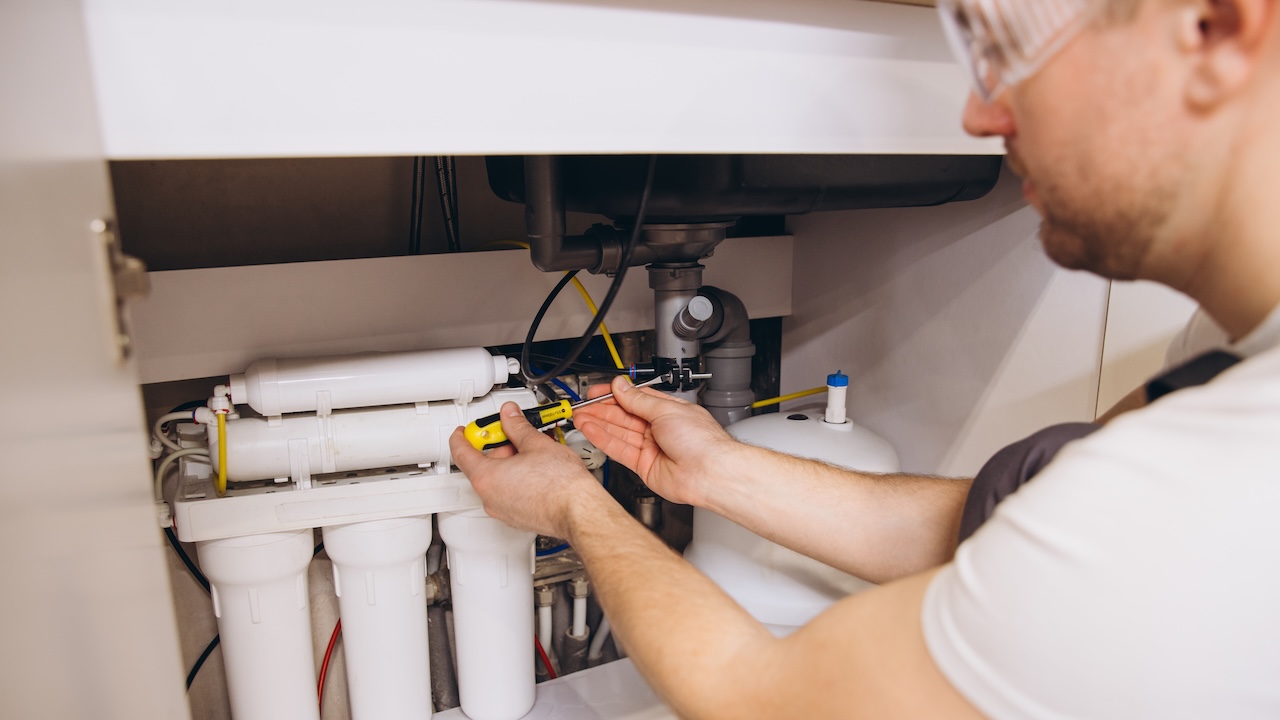
You do not need a lab test to suspect mold. These warning signs point to contamination.
Bad Smell or Taste
- Musty, earthy, or damp odor in water or ice
- Metallic or “off” taste compared to previous output
- Often worse in refrigerator-dispensed water
Cloudy or Discolored Water
- Murky or grayish water indicates biological growth
- Floating particles or film on the surface
Slow Water Flow
- Reduced pressure at the faucet
- Clogged filters or biofilm restricting flow in tubing
Visible Mold on Components
- Black, green, or white spots inside filter housings
- Slimy residue on O-rings or manifold ports
- Gelatinous clumps when removing old filters
How to Clean and Sanitize an RO System
Replacing filters is not enough. To kill mold and biofilm, you must fully sanitize the system.
Prepare for Sanitization
- Turn off water supply and close the tank valve
- Drain the system by opening the RO faucet
- Wear gloves and gather clean tools: wrench, pliers, bucket, soft brush
Modify the Drain Line
To trap disinfectant inside the system:
- Cut the drain tube at 90 degrees (no angle)
- Install a push-fit shut-off valve (around $12)
- Open the valve during setup, then close it to block flow
Apply the Disinfectant
Use one of these two options:
Option 1: Household Bleach
- Mix 2 to 3 tablespoons of unscented bleach in water
- Pour into the first filter housing (sediment stage)
- Reinstall housing
Option 2: RO-Specific Sanitizer
- Follow manufacturer dilution instructions
- Safer for components with no bleach odor
Circulate and Soak
- Turn water supply back on
- Once flow starts at the drain, close the shut-off valve
- Open the tank valve so sanitizer fills the tank and lines
- Let sit for 5 minutes minimum (do not exceed 30 minutes)
Flush Thoroughly
One flush is not enough. Follow this sequence:
- Open the faucet to clear air and push sanitizer through
- Open the drain valve and flush for 5 to 15 minutes until bleach smell is gone
- Shut off the main valve and drain the tank completely
- Repeat this flush-drain cycle three times
Reassemble and Condition
- Install new filters and a new membrane (never reuse after sanitizing)
- Let the system refill (2 to 3 hours)
- Run two full tanks of water through the faucet before drinking
Prevent Mold: Maintenance That Works
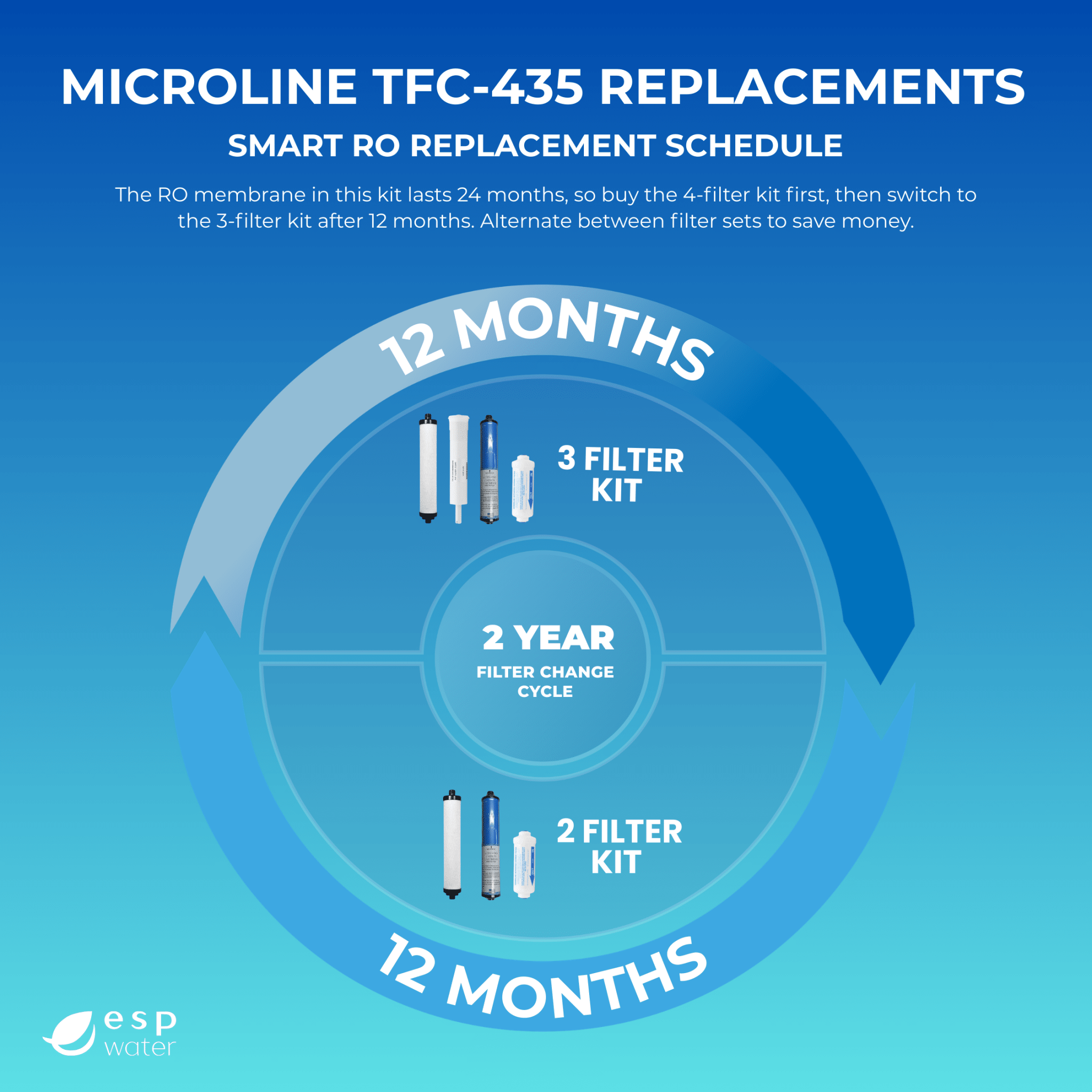
Prevention beats cleanup. Follow this schedule to keep your RO system mold-free.
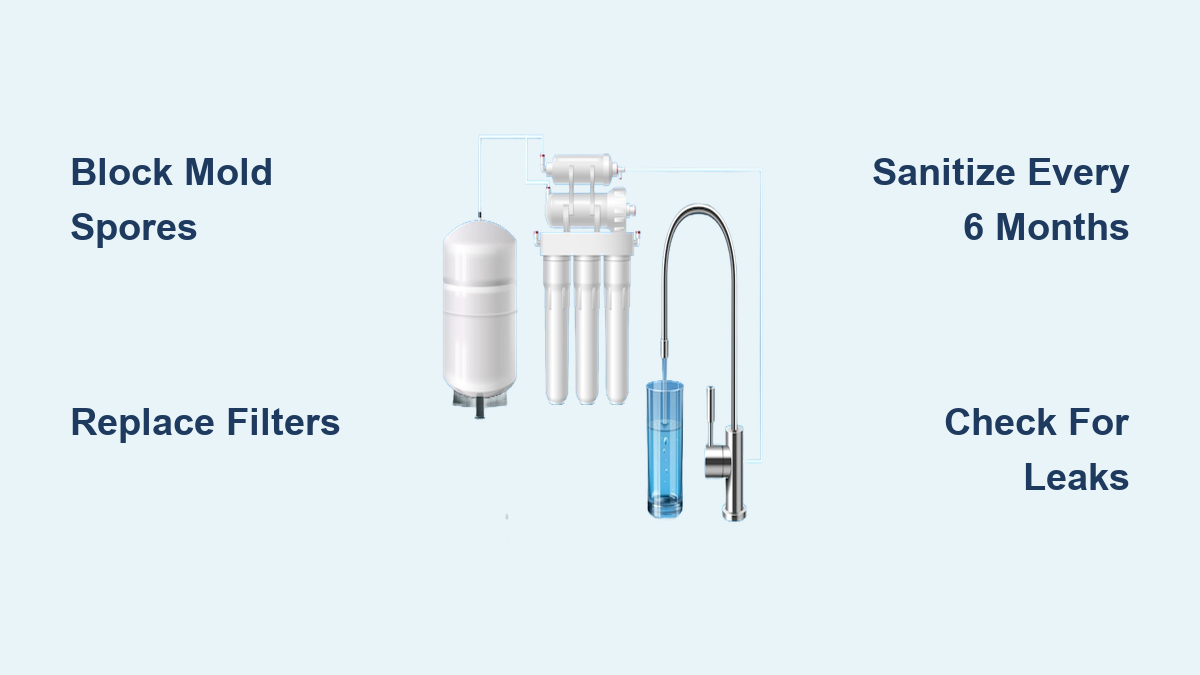
Replace Filters Every 6 to 12 Months
- Sediment filter: Every 6 months (or sooner if water is cloudy)
- Pre-carbon filter: Every 6 to 12 months (removes chlorine to protect membrane)
- Post-carbon filter: Every 12 months (polishes taste and odor)
Never skip replacements. Old carbon filters lose effectiveness and feed mold.
Sanitize Every 6 Months
Even with new filters, sanitize twice a year:
- Kills hidden biofilm
- Prevents bacterial and fungal colonization
- Extends membrane life
Replace O-Rings Every 3 Years
Dried, cracked, or flattened O-rings cause leaks and allow unfiltered water to bypass seals.
- Inspect during filter changes
- Replace all system O-rings every 3 years
- Lubricate with food-grade silicone grease
Upgrade Your System for Safety
Simple hardware additions dramatically reduce mold and leak risks.
Install an Airgap Faucet
An airgap creates a physical break between the RO drain and your water line.
- Prevents back-siphoning of dirty drain water into clean water
- Stops mold-laden water from re-entering the system
- Use an aftermarket airgap if your faucet lacks one
Add a Water Alarm
Place a water leak alarm under the sink:
- Alerts you to slow leaks or burst tubing
- Prevents water damage and stagnant pools that grow mold
- Costs under $20 and can save thousands in repairs
Use an Inline Pressure Regulator
Home water pressure can spike to 200+ psi during failures.
- Install a ¼” inline PRV set to 60 psi max for the RO unit
- Prevents tubing splits and leaks caused by overpressure
- Protects membrane and tank integrity
Health Risks of Moldy RO Water
Drinking mold-contaminated water is potentially harmful, especially for vulnerable groups.
Who Is at Risk?
- Immunocompromised individuals
- Children and elderly
- People with respiratory conditions like asthma or allergies
Possible Effects
- Gastrointestinal issues: Nausea, cramps, diarrhea
- Allergic reactions: Sneezing, coughing, throat irritation
- Long-term exposure risks: Mycotoxin ingestion (rare but serious)
The danger extends beyond mold. Biofilm ecosystems harbor bacteria, fungi, and their metabolic byproducts growing inside your system.
Cost of Neglect vs. Value of Maintenance
Skipping maintenance is a false economy.
Real-World Damage
- Case example: A failed inline valve caused a 210 psi surge, splitting RO tubing
- Result: $50,000 in water damage from an undetected leak
- Hidden cost: Months of moldy water consumption
Maintenance vs. Bottled Water
Annual RO upkeep (filters, sanitization, parts) costs $100 to $200.
- Equivalent to less than $1 per day
- Far cheaper than daily bottled water
- Delivers cleaner, safer water
Frequently Asked Questions About Reverse Osmosis and Mold
Does reverse osmosis remove mold spores from water?
Yes. RO membranes physically block mold spores because they are far larger than the membrane’s 100 Dalton cutoff. Removal rates reach 99.9% for organic contaminants when the system is intact.
Can mold grow inside a reverse osmosis system?
Yes. The moist, dark interior of filter housings, tanks, and tubing creates ideal conditions for mold and biofilm. Without regular sanitization, the system can become a contamination source.
How often should I sanitize my RO system to prevent mold?
Sanitize every 6 months. This kills hidden biofilm and prevents bacterial and fungal colonization, even if your filters are relatively new.
What are the signs of mold in an RO system?
Common signs include musty or earthy odors, off-tastes, cloudy water, reduced flow, and visible black, green, or white spots inside filter housings or on the membrane.
Can I use bleach to clean mold out of my RO system?
Yes. Mix 2 to 3 tablespoons of unscented household bleach with water, pour it into the first filter housing, circulate it for 5 minutes, then flush the system three times before installing new filters.
Does a TDS meter detect mold in RO water?
No. Total Dissolved Solids meters measure inorganic content, not living organisms. Mold can pass through a damaged membrane while TDS readings appear normal.
Key Takeaways for Keeping Your RO Water Mold-Free
Reverse osmosis does remove mold, but only when the system is functioning properly. The membrane blocks spores with over 99% efficiency through size exclusion. That protection disappears if the membrane is damaged, filters are overdue, or the system is never sanitized.
- RO membranes block mold physically because spores are too large to pass
- Damaged membranes let mold through, and even one broken fiber is risky
- Old filters feed mold, so replace them every 6 to 12 months
- Sanitize every 6 months to kill biofilm that filters alone cannot reach
- Flush three times after cleaning to remove residual sanitizer
- Upgrade with an airgap, alarm, and PRV to prevent leaks and backflow
Treat your RO system right, and it delivers pure, mold-free water for years. Neglect it, and it becomes a hidden hazard under your sink. Start by checking your filter change date today and scheduling a sanitization if it has been more than six months since your last one.