How Ceramic Water Filters Work: Simple Guide
You fill a clay pot with cloudy river water, wait an hour, and pour out clear, safe drinking water. No electricity, no chemicals, no plastic cartridges. This isn’t magic. It’s ceramic filtration, a technology dating back nearly 200 years and still trusted in millions of homes worldwide. Understanding how does a ceramic water filter work reveals why this simple design outperforms many modern alternatives in the right settings.
In this guide, you’ll learn the exact mechanics that turn contaminated water into safe drinking water, what contaminants these filters can and cannot remove, and how to keep one working at peak performance. Whether you’re researching off-grid water solutions or just curious about your countertop filter, this breakdown covers everything you need to know.
The Core Filtration Mechanism Inside Ceramic Filters

Ceramic water filters work through a combination of mechanical straining and electrostatic adsorption. At the center of every filter is a porous clay wall filled with millions of microscopic channels that act as a biological sieve.
Mechanical Straining Through 0.5-Micron Pores
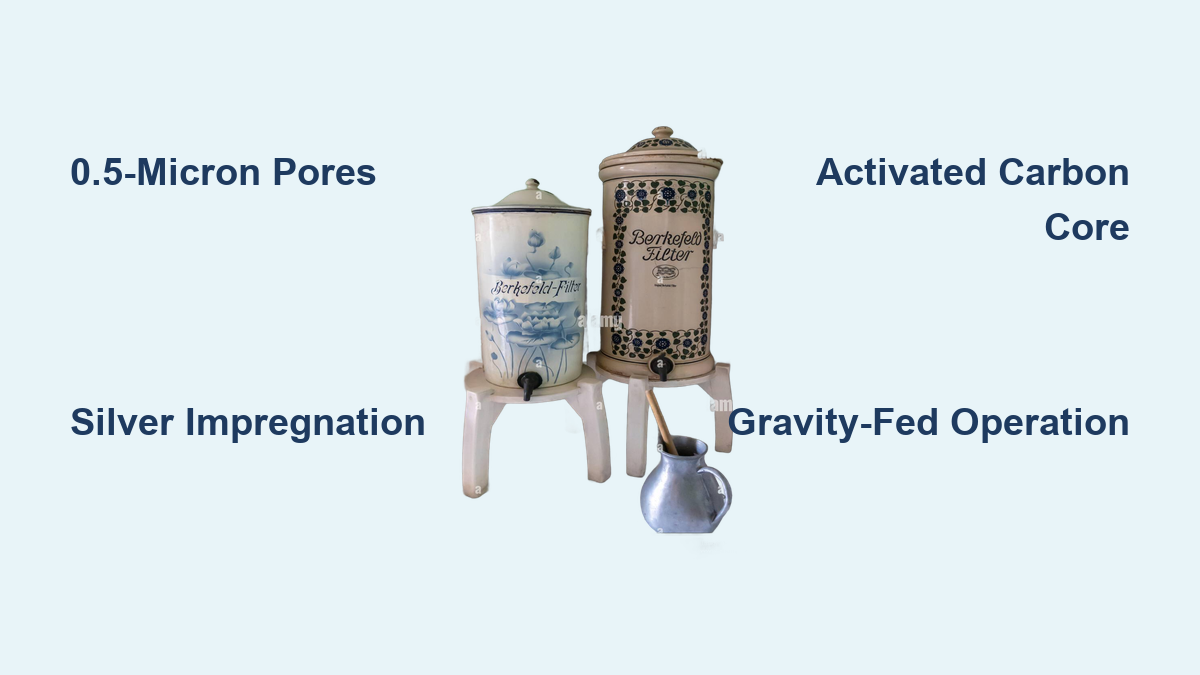
The ceramic element contains pores typically sized at 0.5 microns in diameter. As water passes through, any particle larger than this measurement is physically blocked from entering the clean water chamber. This includes common pathogens like E. coli, Salmonella, and Cholera, which range from 0.5 to 5 microns in size.
Because the internal structure forms a labyrinth of jagged, tortuous pathways rather than smooth tunnels, even particles slightly smaller than the pore size often become trapped. Imagine navigating a maze with dead ends. Microbes may start to enter a pore but get stuck before making it through.
Electrostatic Attraction and Surface Adsorption
Beyond size exclusion, ceramic filters leverage natural electrostatic forces. Bacterial cell walls carry a negative charge, while the ceramic surface often has a slight positive charge. This attraction causes microbes to adhere to the filter walls, where they become immobilized.
The massive internal surface area of the porous matrix also allows for adsorption of certain chemical contaminants. While this effect is limited without added media, it enhances the removal of organic matter and some dissolved compounds.
How Ceramic Filters Are Made and What They’re Made Of
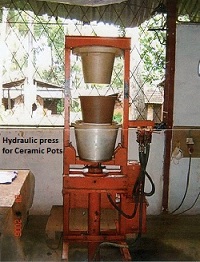
The effectiveness of a ceramic filter depends heavily on its material makeup and manufacturing precision.
Clay, Burnout Materials, and the Firing Process
Ceramic filters are made from terra-cotta clay mixed with combustible materials like sawdust, rice husks, or coffee chaff. This mixture is molded into a candle shape and fired in a kiln at around 860°C (1580°F). During firing, the organic matter burns away, leaving behind a network of fine pores.
The ratio of burnout material to clay determines the final porosity. More burnout equals higher flow but potentially reduced filtration efficiency. Manufacturers must balance these factors carefully.
Silver Impregnation for Self-Sterilization
Most ceramic filters are coated or impregnated with colloidal silver, which acts as a bacteriostatic agent. Silver ions disrupt bacterial metabolism and DNA replication, effectively killing or preventing the growth of microorganisms on the filter surface.
This self-sterilizing property keeps the filter hygienic and prevents biofilm formation, which could otherwise clog the pores or reintroduce pathogens into the water.
Multi-Stage Filtration in Advanced Ceramic Systems

While basic ceramic filters excel at removing bacteria and sediment, advanced models combine multiple media layers to tackle a broader range of contaminants.
Activated Carbon Cores for Chemical Removal
Many modern ceramic candles include an activated carbon core inside the hollow center. After water passes through the ceramic shell, it flows through the carbon, which adsorbs chlorine, chloramines, pesticides, volatile organic compounds, and pharmaceutical residues. This step significantly improves taste, odor, and chemical safety.
Ion Exchange Resin for Heavy Metals
Premium systems may also incorporate ion exchange resin within the filter matrix. This media targets dissolved heavy metals such as lead, mercury, copper, and zinc, which mechanical filtration alone cannot capture. The resin works by swapping harmless ions for toxic metal ions in the water.
Specialized Coatings for Difficult Contaminants
Cutting-edge research explores ceramic coatings using nano-titanium dioxide, zinc oxide, iron, or lanthanum to remove challenging pollutants like fluoride, arsenic, and chromium. These specialized filters are increasingly used in regions where groundwater contamination is a known issue.
What Ceramic Filters Remove and What They Don’t
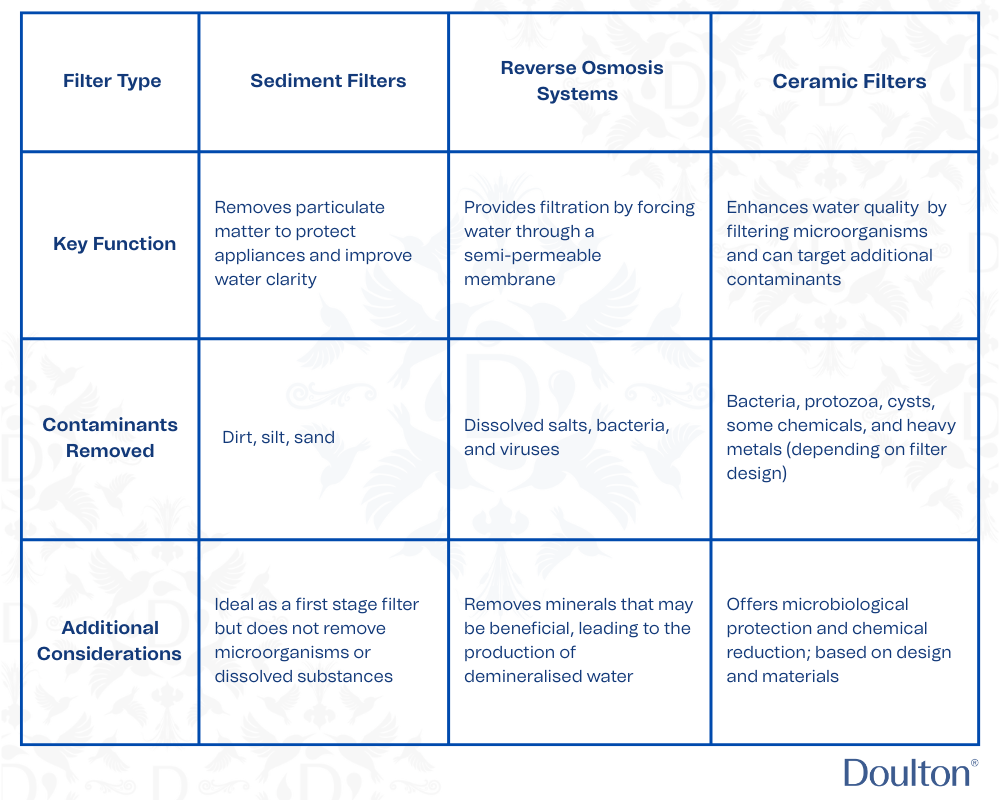
Understanding the capabilities and limitations of ceramic filtration is crucial for selecting the right system.
Highly Effective Against Bacteria, Cysts, and Sediment
Ceramic filters reliably eliminate:
– Bacteria (99%–99.88% removal of E. coli, Shigella, Salmonella)
– Protozoan cysts like Giardia and Cryptosporidium
– Helminth eggs and larvae
– Sediment, rust, and turbidity (95–99% reduction in cloudiness)
These results make ceramic filters ideal for treating surface water from rivers, lakes, or wells in rural or emergency settings.
Conditional Chemical Removal Requires Added Media
Chemical contaminant reduction depends on additional components:
– Chlorine and chloramines: Removed only with activated carbon
– Pesticides and VOCs: Reduced via carbon adsorption
– Heavy metals: Require ion exchange resin
– Pharmaceuticals: Partially removed by carbon
Filters without these additives will not improve chemical water quality.
Major Limitations: Viruses and Dissolved Solids
Two significant limitations must be acknowledged. Viruses (0.004–0.1 microns) are too small to be filtered by 0.5-micron pores. While some viruses may bind to larger particles and get trapped, ceramic filters alone are not recommended for viral protection. Pairing with UV disinfection or reverse osmosis is advised in high-risk areas.
Additionally, total dissolved solids such as salts, minerals, and nitrates pass through unchanged. Ceramic filters do not soften water or reduce hardness. However, they preserve beneficial minerals like calcium and magnesium, unlike RO systems.
Common System Configurations and Their Uses
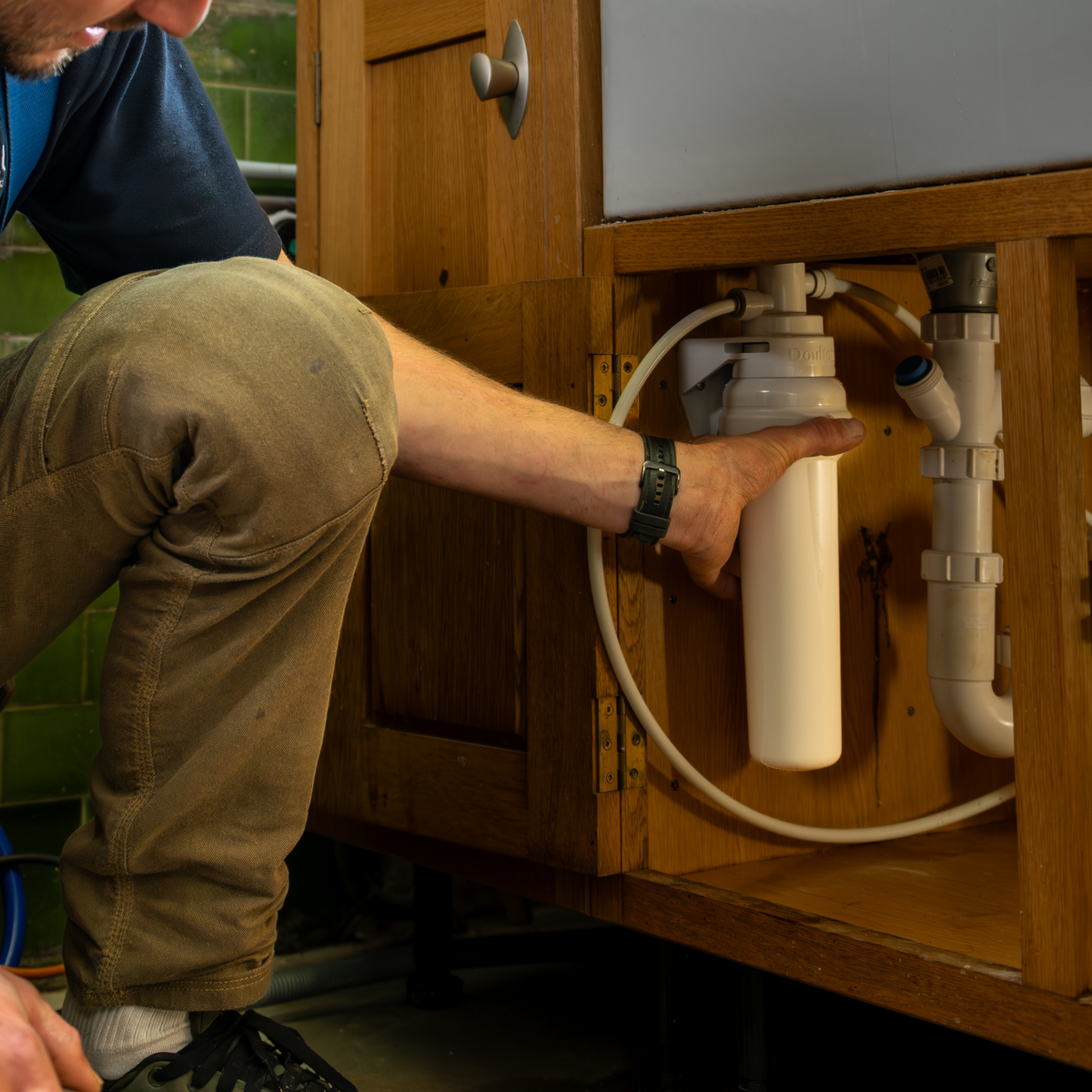
Ceramic filters are adaptable and used in various setups depending on user needs and infrastructure.
Gravity-Fed Systems for Off-Grid Use
These systems require no plumbing or electricity. Water is poured into an upper chamber, filters through one or more ceramic candles, and collects in a lower reservoir. Flow rates average 1.5 to 2.5 liters per hour, making them slower than pressurized systems but highly reliable for off-grid homes, camping, and emergency preparedness.
Under-Sink and Countertop Units
Connected directly to the water line, these systems use household water pressure to push water through the ceramic cartridge. They deliver faster flow than gravity models and provide filtered water on demand through an integrated faucet.
Industrial and Whole-House Applications
Double-open-ended ceramic cartridges fit standard 10-inch filter housings, allowing integration into whole-house pre-filtration systems and light industrial processes. They serve as an excellent first line of defense against particulates before water reaches sensitive equipment.
Cleaning and Maintaining Your Ceramic Filter
One of the biggest advantages of ceramic filters is their reusability and ease of maintenance.
Step-by-Step Cleaning Procedure
- Remove the candle carefully, since ceramic is fragile.
- Scrub under running water using a soft brush or non-abrasive pad. Never use soap, detergents, or steel wool. Brush from top to bottom, away from the outlet, and cover the threaded mount with plastic to prevent contamination.
- Reinstall with a properly seated O-ring to prevent bypass.
Most users clean their filters every 1–4 weeks, depending on water turbidity.
When to Replace the Filter
Replace the cartridge if you notice cracks or chips, flow doesn’t improve after cleaning, the filter has exceeded time or volume limits, or the carbon core is exhausted (indicated by return of bad taste or odor). The ceramic shell can last 2–3 years, while the activated carbon core typically needs replacement every 6 months.
Frequently Asked Questions About Ceramic Water Filters
What contaminants does a ceramic water filter remove?
Ceramic filters remove bacteria (99%–99.88%), protozoan cysts like Giardia and Cryptosporidium, sediment, and turbidity. With added activated carbon, they also reduce chlorine, pesticides, and VOCs. Ion exchange resin enables heavy metal removal.
Can ceramic filters remove viruses?
No. Standard ceramic filters with 0.5-micron pores cannot reliably remove viruses, which range from 0.004 to 0.1 microns. For viral protection, pair a ceramic filter with UV disinfection or reverse osmosis.
How long does a ceramic water filter last?
The ceramic shell can last 2–3 years with regular cleaning. However, the activated carbon core typically needs replacement every 6 months or after filtering 1,500–3,000 liters, depending on the model.
Do ceramic filters need electricity to work?
No. Gravity-fed ceramic filters operate entirely without electricity or water pressure. This makes them ideal for off-grid living, camping, and emergency situations.
Are ceramic filters better than reverse osmosis?
It depends on your needs. Ceramic filters preserve beneficial minerals, require no electricity, and cost less. Reverse osmosis removes more contaminants, including viruses and dissolved solids, but wastes water and strips minerals.
How often should I clean my ceramic filter?
Clean your ceramic filter every 1–4 weeks, depending on water turbidity. If flow rate slows noticeably, it’s time to scrub the exterior with a soft brush under running water.
Key Takeaways for Understanding Ceramic Water Filtration
Ceramic water filters work through a elegant combination of mechanical straining at 0.5 microns, electrostatic attraction, and optional adsorption media. They excel at removing bacteria, cysts, and sediment while preserving beneficial minerals, all without electricity or complex maintenance.
The main limitations are virus removal and dissolved solids, which require additional treatment methods. For most household and emergency applications, however, ceramic filtration offers a proven, affordable, and sustainable solution backed by nearly 200 years of real-world use.
If you’re considering a ceramic filter, start by testing your water to identify your primary contaminants. Then choose a system with the appropriate media layers, whether that’s activated carbon for chemical reduction or ion exchange resin for heavy metals. With proper care, a single filter can protect your family’s health for years.