Why Water Needs Purification Explained
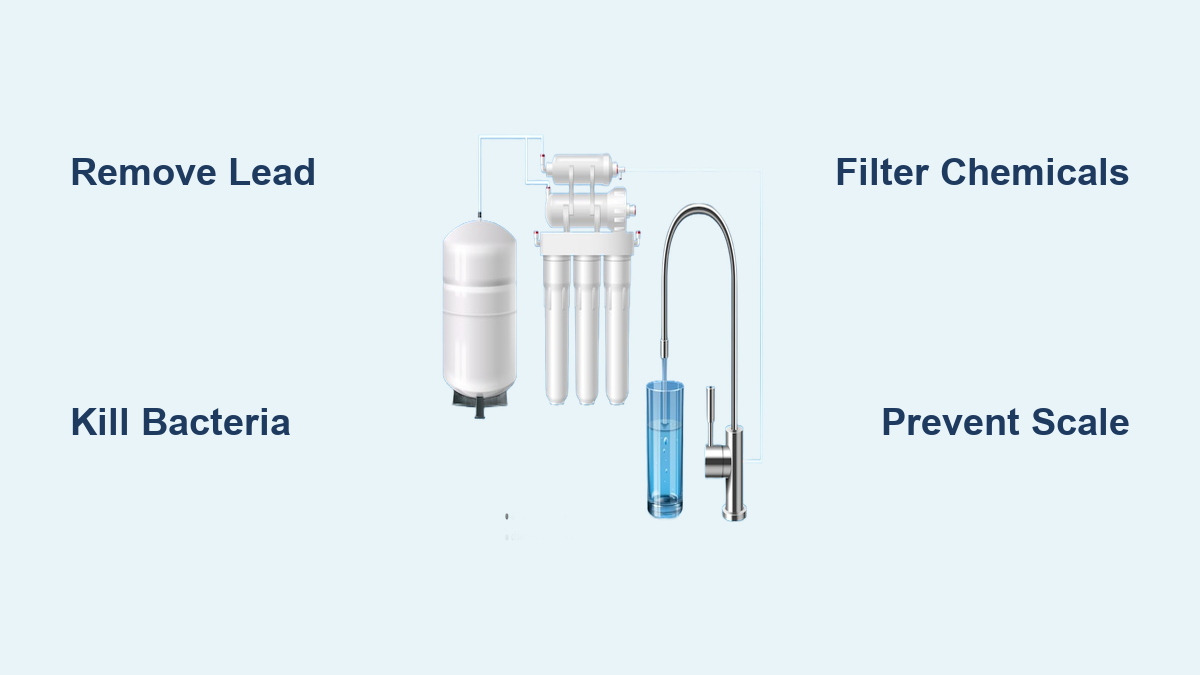
You turn on the tap, fill your glass, and take a sip—simple, right? But what if that water contains invisible threats like lead, bacteria, or pesticide residues? While municipal systems treat water to meet safety standards, why water needs to be purified is a critical question for health, safety, and long-term well-being. Even in developed regions, tap water can carry trace contaminants that accumulate over time, posing risks to your body, appliances, and environment.
Purification acts as a final safeguard. It removes harmful biological pathogens like Cryptosporidium, chemical pollutants such as chlorine byproducts and heavy metals, and physical debris like rust or sediment. Without it, you’re exposed to potential gastrointestinal illness, chronic diseases, and even developmental issues in children. This guide breaks down exactly what lurks in untreated water, how purification protects you, and which methods work best—so you can make informed decisions for your home and health.
Health Threats in Unpurified Water

Drinking untreated water isn’t just risky—it can be life-threatening. Contaminants fall into three categories: biological, chemical, and physical. Each poses unique dangers that purification is designed to neutralize.
Biological Contaminants: Silent Disease Carriers
Microorganisms in water are among the most immediate threats. They cause rapid-onset illnesses and can spread through entire communities.
- Bacteria and Viruses: Pathogens like E. coli, cholera, and typhoid thrive in contaminated sources. Even low levels can trigger vomiting, diarrhea, and dehydration.
- Parasites Like Cryptosporidium: This chlorine-resistant protozoan causes severe gastrointestinal distress and is especially dangerous for children and immunocompromised individuals.
- Mold and Algae: Can grow in stagnant or poorly maintained water systems and are eliminated effectively only by UV treatment or distillation.
Boiling or UV purification destroys these organisms, but many survive standard chlorination—making additional purification essential.
Chemical Pollutants: Long-Term Toxins
Chemical contaminants often go unnoticed until health problems arise. Unlike germs, they don’t cause immediate symptoms but build up in the body over years.
- Lead and Heavy Metals: Leach from old pipes; lead impairs brain development in children and causes kidney damage in adults.
- Pesticides and Herbicides: Runoff from farms introduces carcinogenic compounds linked to cancer and hormonal disruption.
- Chlorine Byproducts (DBPs): Form when chlorine reacts with organic matter; long-term exposure increases cancer risk.
- Nitrates and VOCs: Found in agricultural and industrial areas; nitrates endanger infants (blue baby syndrome), while volatile organic compounds affect liver and nervous system function.
Reverse osmosis and activated carbon filters are proven to remove these chemicals—boiling does not.
Physical Impurities: Hidden Hazards
Even if water looks clear, it may contain invisible particles that degrade quality and safety.
- Sediment and Rust: Enter water through aging plumbing; can harbor bacteria and clog appliances.
- Turbidity (Cloudiness): Indicates suspended particles that shield pathogens from disinfection.
- Scale-Forming Minerals: Calcium and magnesium cause limescale buildup, reducing appliance efficiency and lifespan.
Filtration systems like ceramic or RO units remove these impurities, ensuring cleaner, safer water at every tap.
Preventing Disease and Boosting Health
Purified water doesn’t just avoid illness—it actively supports better health. Removing contaminants enhances bodily functions and reduces chronic disease risk.
Stop Diarrhea and Waterborne Illness
Polluted water causes 502,000 diarrheal deaths annually, according to global health data. Purification methods like boiling, UV, and reverse osmosis eliminate the pathogens responsible—Giardia, Salmonella, and Rotavirus—preventing outbreaks in homes and communities.
Pro Tip: In emergencies, use SODIS (solar disinfection) with clear bottles in direct sunlight for 6 hours—effective and low-cost.
Protect Children and Vulnerable Groups
Children absorb lead more efficiently than adults, leading to learning disabilities and behavioral issues. Families with young kids should prioritize lead-removing systems like RO filters.
Immunocompromised individuals are highly susceptible to Cryptosporidium. For them, distilled or UV-treated water is the safest choice.
Improve Digestion and Skin Health
Contaminated water disrupts gut flora, leading to constipation and poor nutrient absorption. Purified water:
– Balances pH levels
– Supports regular bowel movements
– Enhances hydration efficiency
Bathing in purified water also reduces skin irritation, acne, and dryness—chlorine strips natural oils and accelerates aging.
Appliance and Home Protection
Clean water isn’t just for drinking—it protects your home’s plumbing and appliances from costly damage.
Prevent Scale and Clogging
Hard water leaves mineral deposits (scale) in:
– Water heaters
– Dishwashers
– Showerheads
– Pipes
This buildup reduces flow, increases energy use, and shortens appliance life by years.
Solution: Install a reverse osmosis or water softening system to stop scale before it starts.
Extend Appliance Lifespan
Washing machines and dishwashers suffer from sediment and mineral accumulation. Over time, this leads to:
– Clogged spray arms
– Reduced cleaning efficiency
– Premature motor failure
Purified water keeps internal components clean, maintaining peak performance and efficiency.
Save on Energy Bills
Scale acts as an insulator in water heaters, forcing them to work harder. The U.S. Department of Energy estimates that just 1/8 inch of scale can increase energy consumption by 22%.
By removing hardness minerals, purification systems improve heating efficiency and lower monthly utility costs.
Cut Costs and Reduce Waste
Purifying water at home isn’t just healthier—it’s smarter financially and environmentally.
Eliminate Bottled Water Expenses
The average American spends $100+ per year on bottled water. A home filtration system pays for itself in under a year and:
– Removes microplastics (found in 93% of bottled brands)
– Provides unlimited clean water
– Reduces plastic waste
RO and carbon systems cost pennies per gallon compared to bottled alternatives.
Lower Medical and Repair Bills
Preventing waterborne illness reduces doctor visits, medications, and missed work. Long-term, avoiding exposure to carcinogens lowers cancer treatment risks.
Similarly, protecting appliances means fewer repairs and replacements—saving hundreds over time.
Reduce Plastic Pollution
Over 60 million plastic bottles are thrown away daily in the U.S. alone. Home purification slashes this number dramatically.
Eco Bonus: SODIS and reusable filter systems offer sustainable solutions in low-resource or off-grid settings.
How Purification Methods Work
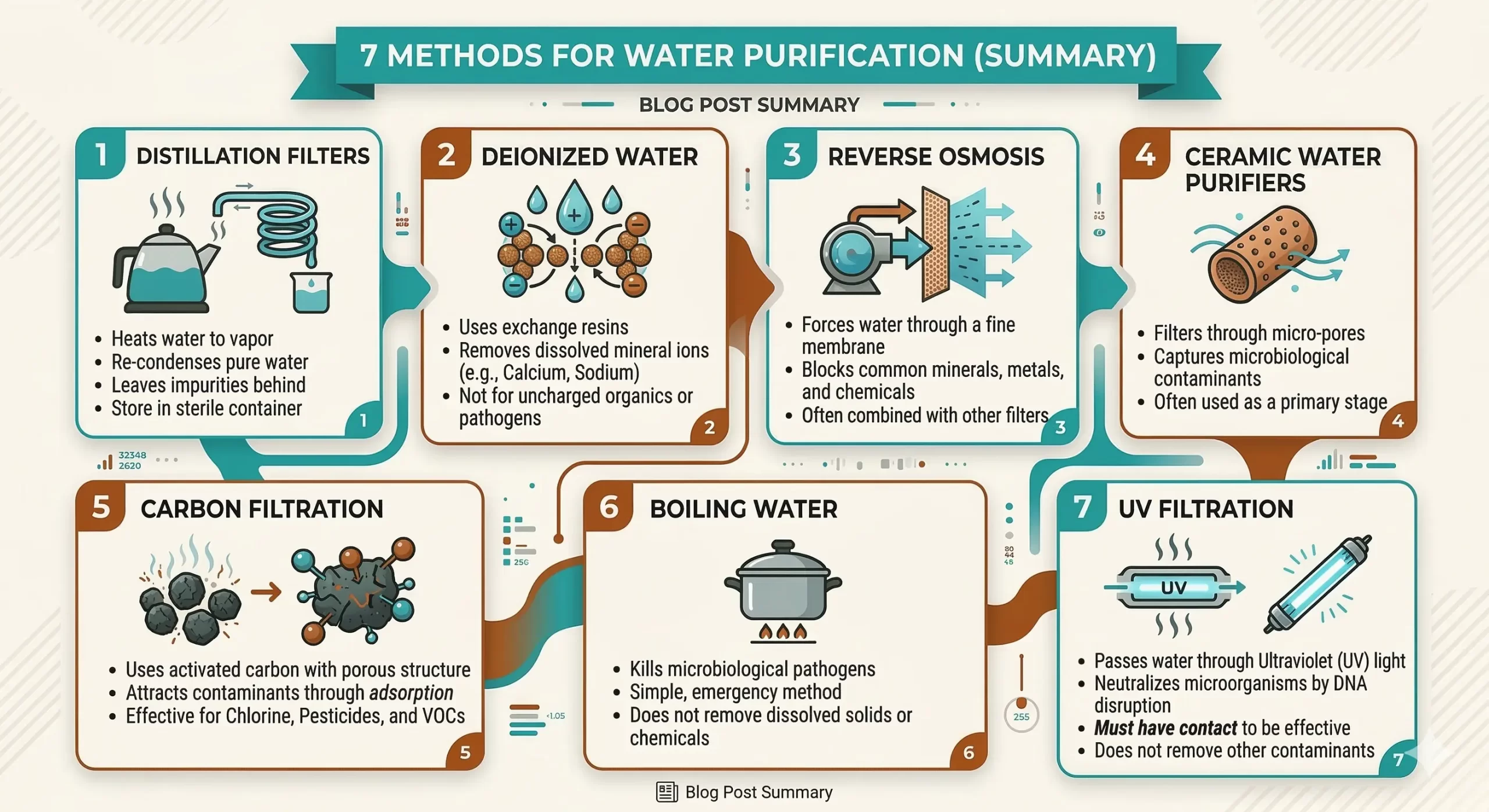
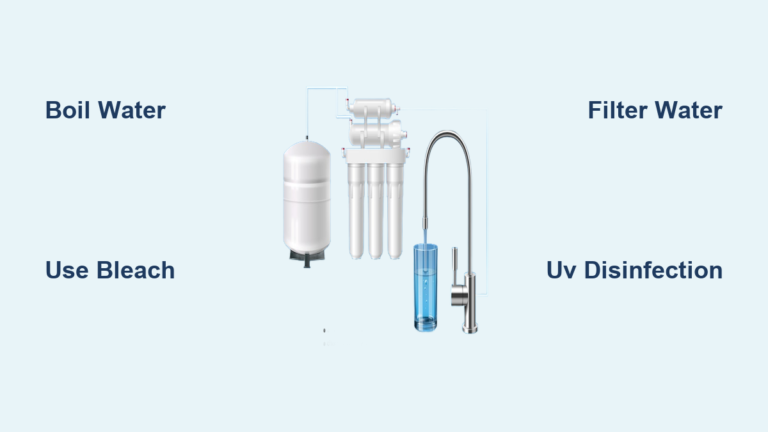
Not all purification is equal. Different methods target different contaminants—choose the right one for your needs.
Boiling: Kill Germs, Not Chemicals
Best for: Emergency disinfection
Kills: Bacteria, viruses, protozoa
Does NOT remove: Lead, pesticides, nitrates, or microplastics
How to do it:
1. Bring water to a rolling boil
2. Boil 1 minute (3 minutes above 6,500 ft)
3. Cool and store in clean, sealed container
Limitation: Energy-intensive and ineffective against chemical toxins.
Reverse Osmosis (RO): Most Comprehensive
Removes up to 99% of contaminants, including:
– Heavy metals (lead, arsenic)
– Nitrates and salts
– Pesticides and fluoride
– Microplastics and sediment
Ideal for: Homes with well water or known contamination
Drawback: Wastes 3–5 gallons per 1 gallon produced; removes beneficial minerals (easily replaced by diet)
Look for: NSF/ANSI 58 certification
Activated Carbon: Taste and Odor Control
Traps:
– Chlorine and chloramines
– VOCs
– Pesticides
– Bad tastes and smells
Does NOT remove:
– Heavy metals
– Nitrates
– Microorganisms
Best for: Improving tap water flavor and reducing chemical exposure
Tip: Replace filters every 6 months to prevent bacterial growth.
UV Purification: Germ-Killer Without Chemicals
How it works: UV-C light destroys DNA of bacteria, viruses, and mold
Effectiveness: 99.9% pathogen reduction
Requirements:
– Electricity
– Pre-filtered water (must be clear)
Best for: Whole-house systems or well water
Limitation: Does nothing for chemicals or heavy metals.
Distillation: Laboratory-Grade Purity
Process: Boil water, collect steam, condense back to liquid
Removes: Everything—bacteria, viruses, lead, chemicals, minerals
Output: Ultra-pure water, ideal for medical use or appliances
Downsides:
– High energy use
– Slow (1–4 gallons/day)
– Flat taste (no minerals)
Use case: Immune-compromised individuals or lab environments.
Choose the Right System for Your Home

With so many options, how do you pick the best one?
Test Your Water First
Before buying a system, know what you’re dealing with:
– Use a home test kit or send a sample to a certified lab
– Check for lead, nitrates, hardness, and chlorine levels
– Well owners should test annually
Signs you need purification:
– Metallic taste
– White scale on faucets
– Cloudy or smelly water
– Frequent appliance issues
Match System to Contaminant
| Contaminant | Best Removal Method |
|---|---|
| Lead, Arsenic | Reverse Osmosis |
| Chlorine, VOCs | Activated Carbon |
| Bacteria, Viruses | UV, Boiling, RO |
| Hardness, Scale | RO, Water Softener |
| Sediment | Ceramic, Pre-Filter |
Prioritize Certification and Maintenance
Always choose NSF/ANSI-certified systems—they’re independently tested for performance.
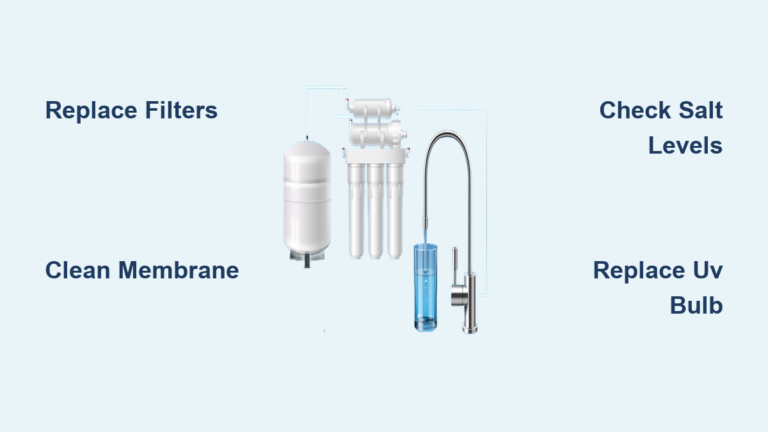
Maintenance is non-negotiable:
– Replace RO membranes yearly
– Change carbon filters every 6 months
– Sanitize UV chambers regularly
– Clean storage tanks to prevent biofilm
Neglecting upkeep turns filters into contamination sources.
Special Cases and Limitations
Purification isn’t one-size-fits-all. Some situations require extra caution.
When Boiling Isn’t Enough
Boiling does not remove:
– Lead or heavy metals
– Pesticides
– Nitrates
– Radioactive materials
– Fuel or industrial chemicals
If these are present, use RO, distillation, or switch to bottled water.
Viruses Need Special Treatment
Ceramic and basic carbon filters don’t stop viruses. For viral protection, use:
– UV systems
– Reverse osmosis
– Boiling
– Distillation
Travelers: Carry chlorine dioxide tablets—they kill viruses and Cryptosporidium.
High Turbidity Blocks UV and SODIS
If water is cloudy, UV and solar disinfection fail. Always pre-filter murky water using:
– Cloth straining
– Ceramic filters
– Flocculation (e.g., PUR sachets)
Then apply UV or boiling for full safety.
Frequently Asked Questions About Water Purification
What is the most effective water purification method?
Reverse osmosis is considered the most comprehensive, removing up to 99% of contaminants including heavy metals, nitrates, pesticides, and microorganisms. For emergency situations, boiling is highly effective against biological pathogens but does not remove chemicals.
How often should water filters be replaced?
Activated carbon filters should be replaced every 6 months. RO membranes typically last about one year. UV lamps need replacement every 12 months or as recommended by the manufacturer. Regular replacement prevents bacterial growth on old filters.
Does boiling water remove lead and chemicals?
No. Boiling kills bacteria, viruses, and protozoa but does not remove lead, pesticides, nitrates, or other chemical contaminants. For chemical removal, use reverse osmosis, distillation, or activated carbon filtration.
Is purified water safe for children and pregnant women?
Yes, purified water is especially important for children and pregnant women because it removes lead, which causes developmental delays and learning disabilities. RO or distilled water is recommended for these vulnerable groups.
Can water purification remove microplastics?
Reverse osmosis systems remove microplastics effectively, as the membrane pores are approximately 0.0001 microns—smaller than most microplastic particles. Activated carbon filters may remove some microplastics but are less reliable.
Why does my tap water smell like chlorine?
Municipal water systems add chlorine to kill germs during treatment. While effective for disinfection, chlorine can cause taste and odor issues. An activated carbon filter removes chlorine and improves water flavor.
Key Takeaways on Why Water Needs to Be Purified
Why water needs to be purified goes far beyond avoiding a stomach ache. Untreated water can harbor biological pathogens, chemical toxins, and physical impurities that cause acute illness, chronic disease, and costly home damage. Municipal treatment meets minimum safety standards but doesn’t eliminate every contaminant—especially lead from aging pipes, chlorine byproducts, and resistant parasites like Cryptosporidium.
The right purification method depends on your water source and specific concerns. Reverse osmosis offers the most comprehensive removal for households, while boiling and SODIS provide emergency solutions. Testing your water first, choosing NSF/ANSI-certified systems, and maintaining filters on schedule ensures your purification investment delivers clean, safe water for years to come.
Your next step: Order a home water test kit or contact your local water utility for a quality report. Once you know what’s in your water, you can select the right purification system to protect your health, your appliances, and your budget.