How to Clean Activated Carbon Filter: Quick Steps

You’ve noticed the odors slipping through. The once-powerful air purifier or grow room filter now lets scents escape. Your activated carbon filter is losing its punch, and before you toss it, you might wonder if you can clean or refresh it. The short answer: you cannot truly clean activated carbon like a sponge, but you can extend its life with smart maintenance and limited reactivation techniques.
Activated carbon works by adsorbing volatile organic compounds (VOCs), gases, and odors into its microscopic pores. Once those pores are full, washing with water won’t free them. In fact, water can ruin the filter. However, while the carbon itself cannot be restored to factory condition, you can clean supporting components and use heat-based methods to partially reactivate the carbon in a pinch. This guide cuts through the myths and gives you a clear, safe, and practical roadmap for maintaining your activated carbon filter.
Clean the Pre-Filter Monthly
/how-to-clean-shark-vacuum-filter-5217133-06-81debb2bce5e48668277f5ad4fbe11f4.jpg)
The outer fabric layer of your carbon filter, called the pre-filter, traps dust, pollen, and pet hair. Unlike the carbon core, this part is fully washable and plays a key role in protecting the internal media.
Remove and Wash by Machine
Take off the pre-filter and toss it in the washing machine with mild detergent. Cold or warm water works well. Avoid bleach or strong fragrances that could linger and affect air quality.
- Wash frequency: Every 4 weeks, or sooner if visibly dirty
- Drying: Air dry completely before reinstalling
- Replacement: If it frays or no longer fits snugly, replace it
A clean pre-filter improves airflow and reduces strain on your fan, helping the carbon last longer.
Check for Dust Buildup
Even between washes, inspect the pre-filter monthly. Heavy dust buildup restricts airflow, forcing the system to work harder and reducing filtration efficiency.
Pro tip: Use a soft brush or vacuum nozzle to gently remove surface dust without removing the pre-filter.
Wipe Down the Outer Housing
The metal or plastic casing collects dust over time, especially around seams and intake areas. Cleaning it keeps your setup looking sharp and prevents debris from working its way inside.
Use a Damp Cloth and Brush
- Remove the pre-filter
- Wipe the exterior with a slightly damp microfiber cloth
- Use a toothbrush or soft-bristle brush for corners and grooves
- Never soak or spray water directly on the unit
Moisture must not enter the carbon bed.
Safety first: Wear a mask when cleaning. Disturbing old filters can release trapped allergens and mold spores.
Dishwasher Cleaning for Empty Units Only
If you’ve fully disassembled the filter and removed all carbon and liners, you can run the empty housing through the dishwasher.
- Use hot water and mild detergent
- Ensure it is completely dry before reassembly
- Never do this with carbon still inside, as water destroys adsorption capacity
Never Wash the Carbon Core with Water
Water does not clean activated carbon. It ruins it.
When water enters the carbon bed, it fills micropores that should trap odors, promotes mold and bacterial growth, and can cause structural breakdown over time. Even rinsing may leave residual moisture, which drastically reduces performance in air filtration systems.
Why Water Fails
Activated carbon binds molecules through physical adsorption, not surface trapping. Contaminants are locked deep within pores, not sitting on top where water can wash them away. Water blocks those pores, making the filter useless until fully dried, and even then, efficiency drops.
Bottom line: Only use water on loose carbon intended for liquid filtration, like distilling, and only if you’ll dry it thoroughly before reuse in air systems.
Refresh Carbon with Boiling and Drying
If you’re between replacements, you can temporarily refresh the carbon using heat. This won’t restore 100% efficiency, but it can extend life by a few weeks.
Boil for 15 Minutes
- Remove the carbon cartridge or pour out loose granules
- Submerge in a large pot of water
- Bring to a full rolling boil for exactly 15 minutes
This releases some volatile compounds trapped in the pores. Do not exceed 15 minutes, as prolonged boiling weakens the carbon structure.
Warning: Boiling releases trapped odors. Do this in a well-ventilated area or outdoors.
Dry at Low Heat
After boiling:
- Strain the carbon thoroughly
- Spread on a baking sheet
- Place in oven at 150–200°F (65–90°C)
- Leave the oven door slightly ajar to vent steam and fumes
- Heat for 10–15 minutes, watching for smoke or flaking
Alternatively, air dry in direct sunlight for 24+ hours until completely bone dry.
Final step: Let it sit overnight in a sealed container before reinstalling. It should smell neutral. If it stinks, it’s not ready.
Avoid High-Heat Reactivation at Home
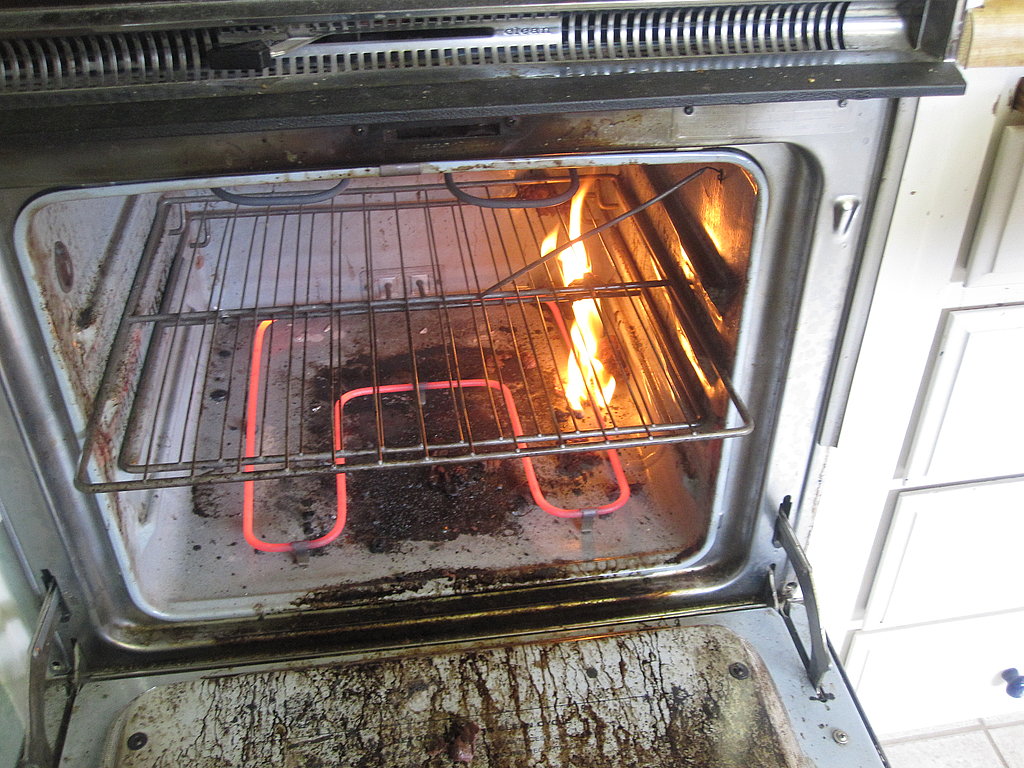
Some suggest baking carbon at 400°F to burn off contaminants. While this mimics industrial regeneration, it’s risky and ineffective in standard ovens.
Why It Is Not Worth It
- True reactivation requires 800°C (1472°F) in an oxygen-free environment, far beyond household capabilities
- At 400°F, you’re only drying the carbon and burning off surface volatiles
- You’ll create a noxious miasma that spreads through your home
- Fire risk increases if carbon ignites or comes near open flames
Reality check: This method offers minimal benefit with high risk. Stick to low-heat drying after boiling if you must refresh.
Disassemble for Deep Maintenance

For large or expensive filters, disassembling to replace carbon or clean internals may be cost-effective.
Drill Out Rivets Safely
Most filters are sealed with rivets. To open:
- Use a 1/8-inch drill bit
- Drill through the center of each rivet
- Work slowly to avoid damaging the housing
- Use a magnet afterward to collect all metal shavings
Safety gear: Wear gloves and eye protection.
Reassemble with Removable Screws
After cleaning or refilling, replace rivets with tapping screws and butterfly nuts. This allows future access without drilling. Ensure screws don’t interfere with pre-filter reinstallation.
Pro tip: Keep the central cone attached to the base during disassembly to simplify realignment.
Prevent Failure with Smart Usage
Even the best filter fails faster under poor conditions. Maximize lifespan with these practices.
Control Humidity Below 60%
High humidity kills carbon efficiency. Water vapor competes with odor molecules for pore space.
- Use a dehumidifier in grow tents or damp rooms
- Run filters during drier parts of the day if possible
- Ideal RH: 40–60% during peak odor periods
Install in Exhaust Position
Always push dirty air through the filter (exhaust setup), not pull clean air in. This ensures maximum contact time and prevents bypass.
Watch for Saturation Signs
Replace the filter when you notice:
- Odors escaping the room or tent
- Reduced airflow despite a clean pre-filter
- Carbon turning to fine dust, which signals degradation
These mean the pores are full. No cleaning method will fix it.
Store Spares Properly
Unused filters degrade if stored poorly.
Seal Against Moisture
- Keep unused units in airtight plastic bags
- Store in a cool, dry place with low humidity
- Avoid garages or basements unless dehumidified
Moisture exposure before use cuts initial performance.
Preserve Reactivated Carbon
If you’ve refreshed carbon, store it in an airtight container in a dark, dry location. Use within 2–4 weeks for best results. Prolonged storage allows re-adsorption of atmospheric moisture and VOCs.
Know the Risks and Limits
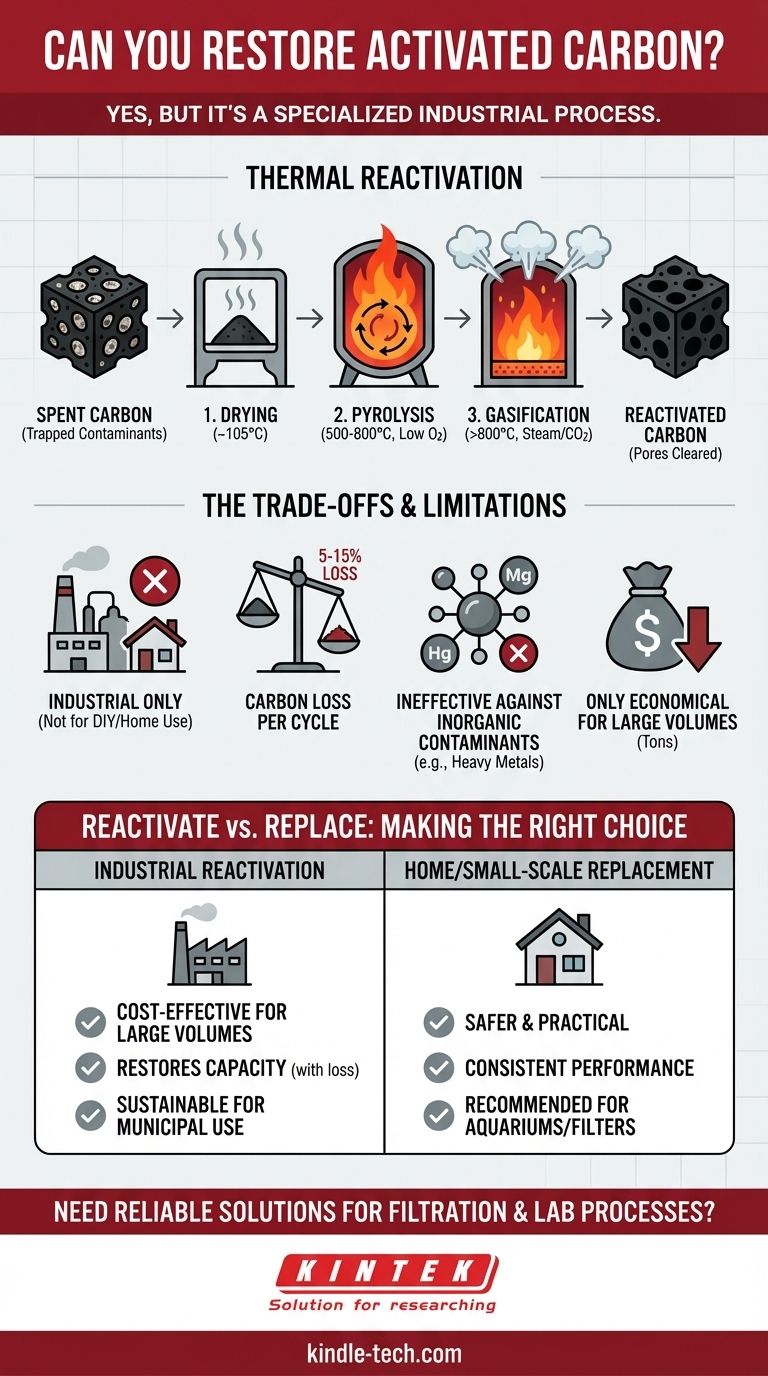
Reactivating carbon isn’t a magic fix. Understand the trade-offs before attempting it.
Reactivation Has Diminishing Returns
Each refresh reduces effectiveness:
- First refresh: roughly 60–70% recovery
- Second refresh: roughly 30–40% recovery
- Beyond that: negligible benefit
Eventually, replacement is unavoidable.
Safety Hazards to Respect
- Toxic fumes: Heating releases trapped chemicals, so ventilate well
- Fire risk: Never leave heating carbon unattended
- Mold risk: Wet carbon breeds bacteria, so dry completely
- Electrical danger: DIY ozone or high-voltage methods are unsafe
Eco-Friendly Disposal Tips
When the filter is done, recycle the metal housing, compost natural carbon (if used only for organic odors), and landfill synthetic or chemical-exposed carbon safely. Even if not reusable, parts can be repurposed.
Frequently Asked Questions About Cleaning Activated Carbon Filters
Can you wash an activated carbon filter with water?
No. Water fills the micropores that trap odors, promotes mold growth, and can permanently damage the carbon structure. Only clean the outer pre-filter and housing with water, never the carbon bed itself.
How often should you clean the pre-filter on a carbon filter?
Wash the pre-filter every 4 weeks, or sooner if you notice visible dust buildup. A clean pre-filter maintains airflow and protects the carbon core from premature clogging.
Does boiling activated carbon restore its effectiveness?
Boiling provides only a temporary refresh, not full restoration. It releases some volatile compounds but does not regenerate the micropores. Expect reduced performance after boiling, and do not exceed 15 minutes to avoid damaging the carbon.
How do you know when an activated carbon filter needs replacement?
The most reliable sign is odor breakthrough. If smells escape the room or tent, the carbon is saturated. Other indicators include reduced airflow and carbon turning to dust.
Is it safe to bake activated carbon in a home oven?
Baking at 400°F is risky and largely ineffective. True reactivation requires 800°C in an oxygen-free environment. Home baking mainly releases unpleasant fumes and poses a fire hazard without restoring significant capacity.
Can you store an unused activated carbon filter for later use?
Yes, but seal it tightly in plastic and store it in a cool, dry place. Moisture exposure before use reduces initial performance, so avoid humid storage areas like basements or garages.
Key Takeaways for Maintaining Your Activated Carbon Filter
You cannot clean activated carbon like a kitchen sponge, but you can maintain the system around it and give the core a temporary refresh in emergencies. Prioritize monthly pre-filter washing, humidity control below 60%, and timely replacement every 6–12 months. If you must refresh carbon in a pinch, boil for 15 minutes and dry at low heat, but expect reduced performance. For most users, buying a new filter is safer, easier, and more effective than trying to revive an exhausted one. Start by inspecting your pre-filter today and setting a reminder for monthly maintenance.