Why Use a Reverse Osmosis Water Filter

Imagine turning on your kitchen tap and filling a glass with water so pure, it rivals the quality of premium bottled brands—without the plastic waste or recurring cost. For millions of households, this is reality thanks to reverse osmosis water filters. These systems go far beyond basic filtration, removing up to 99% of contaminants, including lead, arsenic, PFAS, and microorganisms. Whether you’re concerned about your family’s health, tired of bad-tasting tap water, or looking to protect your appliances from scale buildup, reverse osmosis offers a powerful solution. In this guide, you’ll discover exactly why RO stands out among water filters, how it works, and what benefits—and trade-offs—you can expect.
How Reverse Osmosis Works

Reverse osmosis isn’t just another filter—it’s a precision purification process. By forcing water through a semi-permeable membrane under pressure, it separates pure H₂O from nearly all dissolved and suspended impurities.
The Science Behind the Membrane
At the core of every RO system is a membrane with pores as small as 0.0001 to 0.001 microns—so tiny that only water molecules can pass through. This allows it to block contaminants like salts, heavy metals, and microbes that standard filters miss. Unlike passive carbon filters, RO actively pushes water against its natural flow, reversing osmosis to extract clean water from polluted sources.
Multi-Stage Filtration Breakdown
RO systems don’t rely on the membrane alone. They use a 4–5 stage process to maximize efficiency and lifespan.
Pre-Filtration: Sediment and Carbon
Before water reaches the membrane, it passes through two critical pre-filters:
– Sediment filter: Removes sand, rust, and dirt that could clog the system.
– Carbon block filter: Eliminates chlorine, pesticides, VOCs, and improves taste.
These stages protect the membrane and ensure optimal performance.
The RO Membrane Stage
This is where purification happens. Pressurized water enters the membrane housing, splitting into:
– Permeate: Clean, filtered water sent to storage.
– Concentrate: Waste stream carrying away rejected contaminants.
This stage removes 97–99% of Total Dissolved Solids (TDS), including fluoride, nitrates, and heavy metals.
Post-Filter and Optional Enhancements
After storage, water passes through a polishing carbon filter to remove any residual taste or odor. Some advanced systems add:
– Remineralization cartridge: Reintroduces calcium and magnesium for balanced pH and better taste.
– UV light: Destroys any lingering bacteria before delivery.
Contaminants Removed by RO

Reverse osmosis outperforms most filtration methods in scope and effectiveness. It’s not just about taste—it’s about safety.
Heavy Metals and Toxic Elements
RO eliminates dangerous metals linked to long-term health risks:
– Lead: A neurotoxin especially harmful to children.
– Arsenic: Found in groundwater; associated with cancer.
– Mercury, cadmium, chromium-6: Industrial pollutants with serious health impacts.
The EPA recognizes RO as one of the best available technologies for removing these substances.
Microorganisms and Pathogens
Unlike many filters, RO removes bacteria, viruses, and cysts like Giardia and Cryptosporidium. The EPA confirms RO’s effectiveness against all disease-causing organisms—making it ideal for immunocompromised individuals or areas with compromised water sources.
Synthetic Chemicals and Emerging Threats
RO tackles modern contaminants increasingly found in tap water:
– PFAS (forever chemicals): Resistant to breakdown; linked to hormonal disruption.
– Pesticides and herbicides: Agricultural runoff contaminants.
– Pharmaceuticals: Traces of medications from wastewater.
NSF Standard P473 certification verifies a system’s ability to reduce PFAS/PFOA.
Other Key Contaminants
RO also removes:
– Fluoride (a debated additive for dental health)
– Nitrates (dangerous for infants)
– Sulfates, radium, uranium, asbestos
This broad-spectrum removal makes RO the top choice when water quality is uncertain.
Why RO Outperforms Other Filters
Not all water filters are created equal. Reverse osmosis offers unmatched purification compared to common alternatives.
RO vs. Carbon Filters
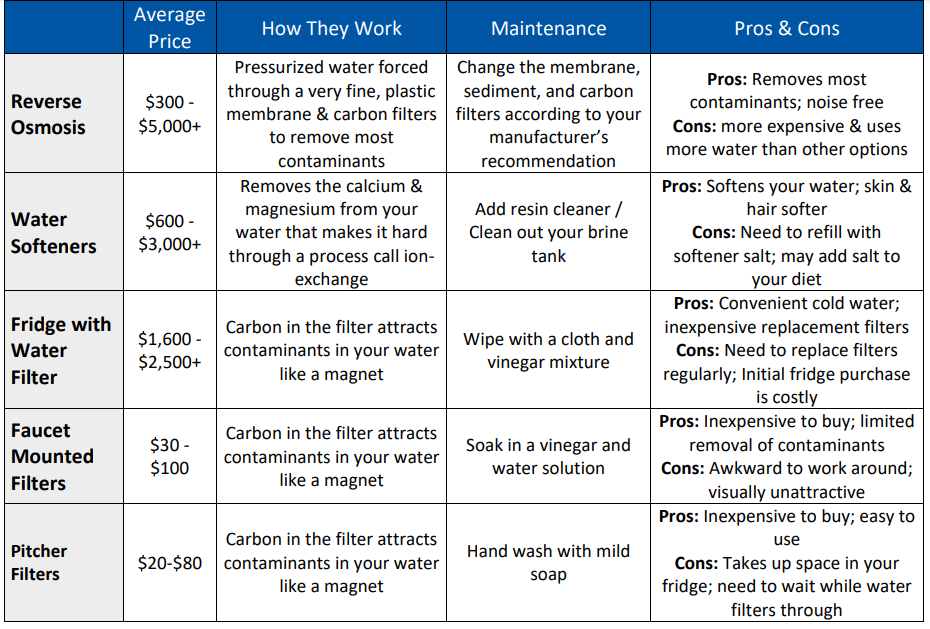
Carbon filters improve taste and remove chlorine but do not reduce TDS, fluoride, or heavy metals. They’re great for mild issues but fall short when serious contamination exists. RO combines carbon filtration with molecular-level purification for comprehensive protection.
RO vs. Ultrafiltration (UF)
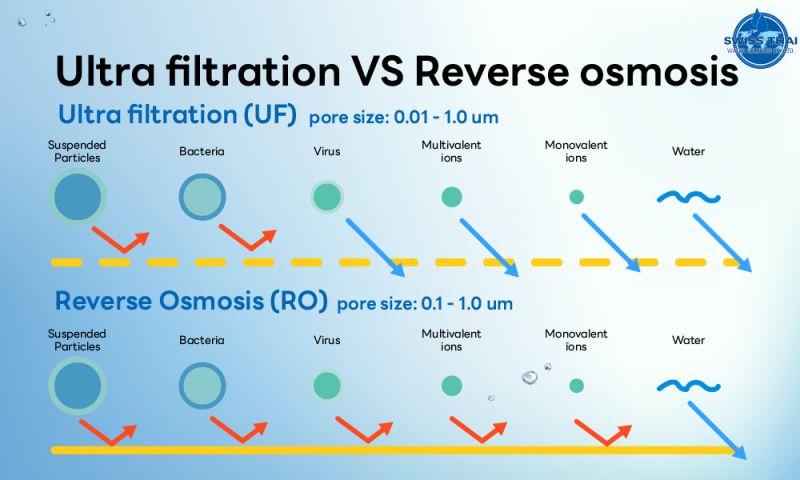
UF filters trap bacteria and sediment at 0.01–0.1 microns but cannot remove dissolved solids or chemicals like nitrates and arsenic. If your water has high TDS or industrial pollutants, UF won’t suffice. RO provides deeper cleaning.
RO vs. Distillation
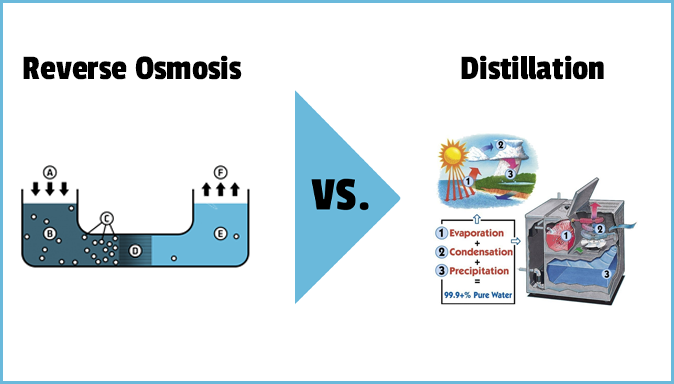
Distillation boils and condenses water, removing minerals and microbes. But it’s energy-intensive, slow, and leaves behind volatile organics unless paired with carbon filters. RO uses less energy and achieves similar purity with better flow rates.
RO vs. Water Softeners
Softeners only remove hardness minerals (calcium/magnesium) via ion exchange. They do not filter contaminants like lead or bacteria. RO removes hardness and toxins—making it more versatile, especially in areas with both hard and polluted water.
Health Benefits of RO Water
Drinking RO water isn’t just cleaner—it can actively improve health and well-being.
Reduced Risk of Illness
Studies show a 14% decrease in gastrointestinal diseases in homes using RO compared to untreated tap water. By eliminating pathogens and toxins, RO reduces the risk of infections and chronic exposure to carcinogens.
Protection for Children and Vulnerable Groups
Children are more susceptible to neurotoxins like lead. RO ensures their developing brains aren’t exposed to harmful levels. It’s also recommended for pregnant women, elderly individuals, and those with weakened immune systems.
Skin and Hydration Advantages
RO water lacks harsh minerals and chlorine that strip natural oils. Users often report softer skin, less dryness, and reduced irritation. For people with eczema or allergies, this can make a noticeable difference.
Better Taste, Better Habits
Clean, neutral-tasting water encourages more hydration. Without chlorine or sulfur odors, drinking water becomes enjoyable—not something to tolerate. This simple shift supports overall health.
Addressing Common Concerns
While RO is highly effective, it’s not without trade-offs. Let’s address the most frequent concerns head-on.
Does RO Remove Healthy Minerals?
Yes—RO strips calcium, magnesium, and potassium. But most experts agree diet is the primary source of essential minerals, not water. Unless your diet is severely deficient, the health benefits of removing toxins far outweigh mineral loss.
Fix: Add Minerals Back
Use a remineralization filter or add mineral drops to restore pH balance and taste. Many high-end RO systems now include this feature automatically.
Is RO Water Too Acidic?
Demineralized RO water has a slightly lower pH (6.0–7.0), making it mildly acidic. However, this does not harm health—your stomach is far more acidic. The concern is mostly about taste and potential pipe corrosion in older plumbing, which is rare in modern homes.
What About Wastewater?
Traditional RO systems produce 3–6 gallons of wastewater per gallon of filtered water. That sounds high—but newer models are changing the game.
Fix: Choose High-Efficiency Systems
Look for EPA WaterSense-certified units that produce 2.3 gallons or less of waste per gallon. Advanced tankless RO systems achieve 1:1 ratios, cutting waste dramatically.
Switching to a WaterSense model saves over 3,100 gallons annually—equivalent to 20 full bathtubs.
Cost and Long-Term Value

While RO has a higher upfront cost, it delivers significant savings over time.
Upfront and Installation Costs
- Under-sink systems: $200–$600
- Countertop models: $150–$400
- Tankless/smart systems: $500–$1,000+
Professional installation adds $100–$300, though DIY kits are available.
Operational Savings vs. Bottled Water
Bottled water costs $3–$10 per gallon. A household using 100 gallons monthly could spend $3,600–$12,000 per year.
An RO system pays for itself in under a year and provides continuous, high-quality water at pennies per gallon.
Maintenance Costs
Ongoing expenses are minimal:
– Pre-filters: $20–$50 every 6–12 months
– Post-filter: $20–$40 annually
– RO membrane: $75–$150 every 2–4 years
Smart systems notify you when replacements are due, preventing lapses in protection.
Environmental Impact
RO systems have both pros and cons for the planet—but smart choices tilt the balance positively.
Plastic Waste Reduction
By replacing bottled water, a single RO system can eliminate hundreds of plastic bottles per year. That means less pollution in landfills and oceans.
Water Waste: Real but Manageable
Yes, RO produces wastewater. But consider this:
– One gallon of RO water ≈ 3–6 gallons of input water
– One gallon of bottled water ≈ 3–5 gallons of water used in production, plus energy for bottling, shipping, and refrigeration
When you factor in transportation and packaging, RO often has a lower total environmental footprint—especially with efficient models.
Energy Efficiency
RO systems use little to no electricity unless they include a booster pump. Even then, energy use is far below distillation or water coolers.
Installation and Maintenance Guide
Getting started with RO is easier than you think—but maintenance is key to long-term success.
System Types and Placement
Under-Sink Models (Most Common)
Installed beneath the kitchen sink. Requires:
– Cold water line connection
– Drain saddle for wastewater
– Dedicated faucet (may require countertop drilling)
Comes in tanked (2–4 gallon reservoir) and tankless (on-demand, compact) versions.
Countertop Units
Ideal for renters or temporary setups. Connects via a diverter valve to your existing faucet. No permanent installation needed.
Whole-Home RO? Not Recommended
Due to high water waste and cost, experts advise against whole-house RO. Use point-of-use systems for drinking and cooking instead.
Maintenance Schedule
To keep your system running safely:
– Replace pre-filters: Every 6–12 months
– Replace post-filter: Annually
– Replace RO membrane: Every 2–4 years (or when TDS levels rise)
– Sanitize storage tank: Every 6–12 months to prevent bacterial growth
Set calendar reminders or choose systems with smart alerts based on water usage.
Who Should Use RO?
Reverse osmosis isn’t just for everyone—it’s for anyone who values clean, safe water.
Families with Kids
Protect developing brains from lead and other neurotoxins. RO gives parents peace of mind.
Health-Conscious Individuals
Minimize exposure to PFAS, pharmaceuticals, and carcinogens. Ideal for those managing chronic conditions.
Coffee Lovers and Home Chefs
Neutral water enhances the true flavor of coffee, tea, and food. No more bitter brews or cloudy ice cubes.
Hard Water Areas
RO removes scale-causing minerals, protecting kettles, coffee makers, and humidifiers without needing a full water softener.
Areas with Poor Water Quality
If your water has:
– High TDS
– Detected lead or nitrates
– Industrial or agricultural runoff
RO is the most reliable defense.
How to Choose the Right RO System
With so many models, selecting the best one comes down to certification, efficiency, and features.
Look for NSF/ANSI Certifications
Verify performance with third-party testing:
– Standard 58: Confirms TDS reduction and RO-specific claims
– Standard 53: Validates removal of lead, cysts, and VOCs
– Standard 401: Covers emerging contaminants (pharmaceuticals)
– P473: Specifically for PFAS reduction
Brands with NSF, WQA Gold Seal, or IAPMO R&T certification are trustworthy.
Prioritize Water Efficiency
Choose WaterSense-labeled models to minimize waste. Aim for a 2:1 ratio or better (filtered:waste).
Consider Smart Features
Modern systems offer:
– TDS meters to monitor water quality
– Filter life indicators (LED or app-based)
– Automatic flush cycles to extend membrane life
These features simplify maintenance and ensure consistent performance.
Frequently Asked Questions About Reverse Osmosis Water Filters
Is reverse osmosis water safe for everyday drinking?
Yes. RO water is safe for daily consumption. Health experts agree that removing harmful contaminants like lead, arsenic, and pathogens provides benefits that far outweigh the loss of minerals, especially when balanced through diet.
How often do I need to replace RO filters?
Pre-filters typically need replacement every 6–12 months. Post-filters should be changed annually. The RO membrane itself lasts 2–4 years depending on usage and water quality.
Can RO remove PFAS and forever chemicals?
Yes. Reverse osmosis is highly effective at removing PFAS and PFOA. Look for systems certified under NSF Standard P473 to verify PFAS reduction claims.
Does RO water taste flat?
Some users notice a flat taste due to mineral removal. Adding a remineralization cartridge or mineral drops restores calcium and magnesium, improving both flavor and pH balance.
How much wastewater does an RO system produce?
Traditional systems produce 3–6 gallons of waste per gallon of filtered water. High-efficiency WaterSense-certified models produce 2.3 gallons or less, while advanced tankless systems achieve a 1:1 ratio.
Is reverse osmosis better than bottled water?
RO delivers comparable or better purity at a fraction of the cost. A single system replaces hundreds of plastic bottles annually, saving money while reducing environmental impact.
Final Verdict: Is a Reverse Osmosis Water Filter Worth It?
Yes—especially if you want the cleanest, safest water possible.
Reverse osmosis is the most comprehensive residential filtration technology available. It removes more contaminants than any other point-of-use system, delivering bottled-water quality straight from your tap.
While it produces wastewater and removes minerals, both issues are manageable:
– Choose high-efficiency, WaterSense-certified models
– Use remineralization to enhance taste and balance pH
For families, health-focused users, and anyone in areas with questionable water quality, RO offers unmatched protection. It pays for itself quickly compared to bottled water, reduces plastic waste, and supports better hydration and health.
If you’re serious about what you’re drinking, a reverse osmosis water filter isn’t just an option—it’s the standard.