How to Avoid Brain-Eating Amoeba: Quick Steps
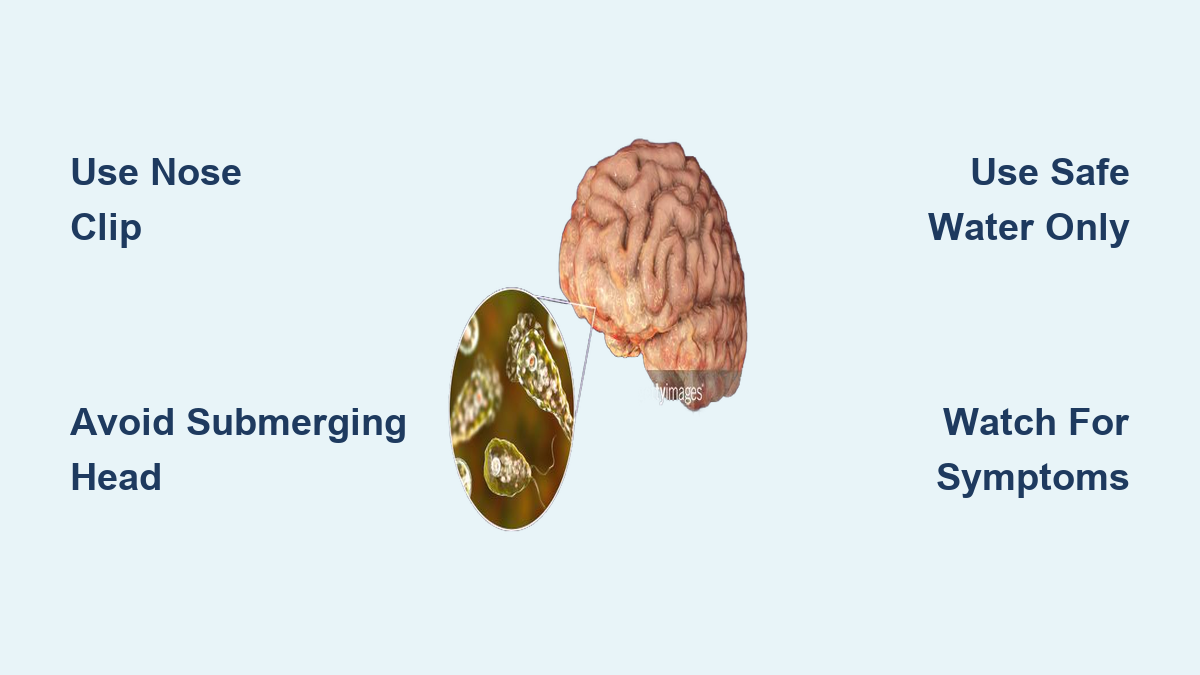
You’re enjoying a refreshing swim in a warm lake on a hot summer day, and suddenly you wonder: is this water safe? That question matters more than most people realize. A rare but nearly always fatal organism called Naegleria fowleri, often nicknamed the “brain-eating amoeba,” lives in warm freshwater and can cause a devastating brain infection if contaminated water enters your nose. While cases are extremely rare, the severity makes prevention essential. This guide breaks down exactly how to avoid brain-eating amoeba with practical, science-backed steps you can take before, during, and after water activities.
Understand Where Brain-Eating Amoeba Lives
Warm Freshwater Poses the Greatest Risk
Naegleria fowleri thrives in warm freshwater environments, especially when temperatures climb above 80°F (27°C). The organism is commonly found in lakes, ponds, rivers, hot springs, and geothermal water sources. It also lives in warm discharge from industrial plants and can survive in poorly maintained swimming pools or splash pads. Sediment at the bottom of shallow, warm water bodies harbors the highest concentrations.
The amoeba multiplies rapidly during summer, particularly in July, August, and September. While southern states like Texas and Florida historically reported most cases, infections have appeared in northern states including Minnesota, Nebraska, and Indiana since 2010, likely due to climate change expanding its range.
Salt Water and Properly Treated Pools Are Safe
You face no risk from swimming in the ocean because Naegleria fowleri cannot survive in salt water. Well-maintained public pools, water parks, and surf lagoons with proper chlorine or bromine levels are also low-risk environments. The danger emerges when disinfection fails, such as in poorly chlorinated pools or splash pads. A 2025 study documented a fatal case linked to a contaminated splash pad, highlighting why strict maintenance matters.
Learn How Infection Happens and What Does Not Cause It
Water Must Enter Through the Nose
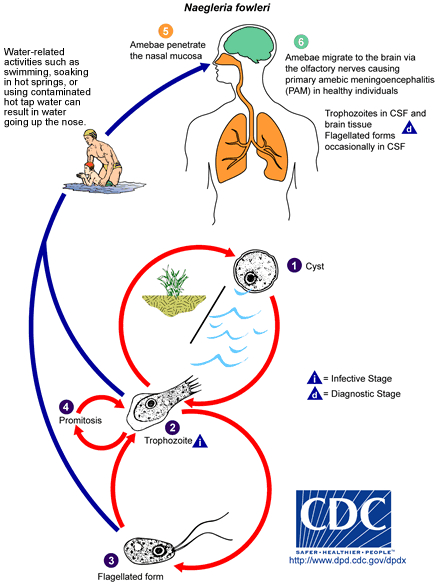
The only way to contract this infection is for contaminated water to enter your nasal passages. Once inside, the amoeba travels along the olfactory nerve to the brain, where it destroys tissue. Activities that force water up your nose significantly increase risk, including:
- Diving or jumping into warm freshwater
- Submerging your head while swimming
- Snorkeling or underwater play
Swallowing Contaminated Water Is Harmless
You cannot get infected by drinking water that contains the amoeba. Stomach acid kills the organism, so ingestion poses zero risk. The infection pathway is strictly through the nose, not the mouth.
Person-to-Person Transmission Does Not Occur
Naegleria fowleri does not spread between people. You cannot catch it from someone who is infected, nor can you transmit it after exposure. This makes casual contact completely safe.
Apply Swimming Safety Practices in Freshwater
Use a Nose Clip or Pinch Your Nose Shut

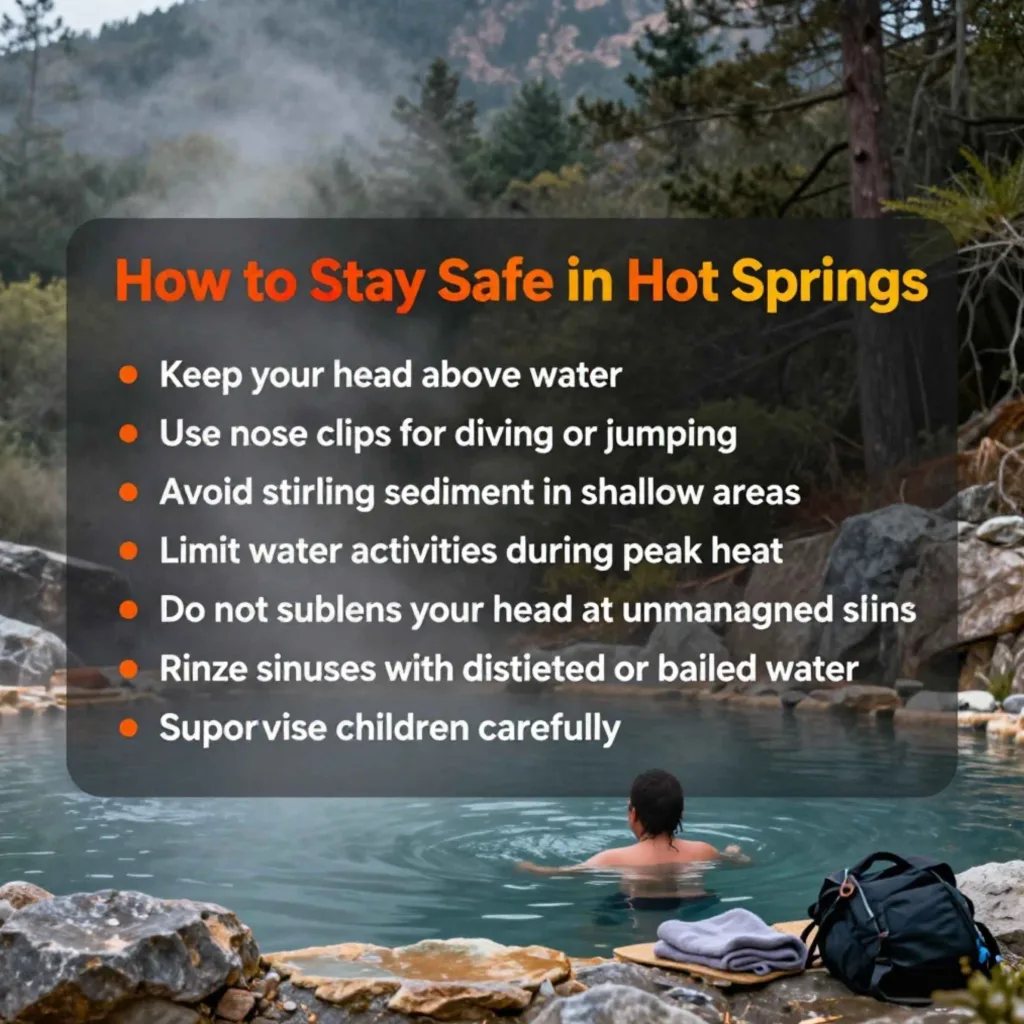
The single most effective prevention method during freshwater activities is nasal protection. Wear a silicone or adjustable nose clip designed to seal both nostrils completely. If you do not have a clip available, pinch your nose closed whenever you submerge your head. This simple barrier blocks the entry route and reduces risk to near zero.
Keep Your Head Above Water
Avoid diving, jumping, or swimming underwater in warm freshwater whenever possible. Stay in shallow areas where your head remains above the surface. If you are splashing or playing, avoid any forceful water entry toward your nose.
Do Not Disturb Bottom Sediment
The highest concentrations of Naegleria fowleri exist in warm, muddy sediment at the bottom of lakes and ponds. Avoid digging, stirring, or playing in the silt. Even wading in shallow, mucky areas can release amoebas into the surrounding water.
Avoid Submerging Your Head in Hot Springs
Natural hot springs are prime habitats for the amoeba because of consistently warm temperatures. Never put your head underwater in untreated thermal water. If you visit hot springs, keep your nose completely dry throughout your time there.
Protect Yourself During Nasal Irrigation at Home
Never Use Tap Water Directly in Neti Pots

A surprising number of infections have occurred not in lakes, but inside homes when people used contaminated tap water in neti pots or sinus rinse bottles. Because Naegleria fowleri can survive in plumbing systems, particularly warm water heaters, using untreated tap water for nasal irrigation is dangerous.
Use Only Safe Water for Sinus Rinsing
For nasal irrigation, always use water that has been properly treated. Safe options include:
- Boiled water: Boil tap water for at least 1 minute, then cool it (boil for 3 minutes at elevations above 6,500 feet)
- Distilled or sterile water: Use products labeled as distilled or sterile
- Filtered water: Use a filter rated with an absolute pore size of 1 micron or smaller
Store prepared rinse water in a clean, dry container and never use water straight from the faucet.
Clean and Dry Your Irrigation Device After Each Use
After every nasal rinse, follow these steps:
- Wash the device with sterile, distilled, or boiled water
- Rinse it thoroughly
- Allow it to air-dry completely on a clean towel
This prevents residual moisture from becoming a breeding ground for microbes.
Recognize Early Symptoms of Infection
Symptoms Typically Appear Within 5 Days
After exposure, symptoms usually begin around 5 days later, though they can start as early as 1 day or as late as 12 days post-exposure. Early signs often resemble the flu or bacterial meningitis, which makes initial diagnosis challenging.
Watch for These Early Warning Signs
Pay close attention to these initial symptoms:
- Sudden high fever
- Severe headache
- Nausea and vomiting
- Changes in smell or taste
These signs may seem mild at first but escalate rapidly within hours.
Late-Stage Symptoms Signal Severe Brain Involvement
Within days, the infection progresses to more serious symptoms including:
- Stiff neck
- Confusion and disorientation
- Hallucinations
- Seizures
- Coma
Once symptoms appear, death typically occurs within 5 days, though the range spans 1 to 18 days. The speed of progression makes early recognition absolutely critical.
Seek Immediate Medical Attention After Suspected Exposure
Tell Your Doctor About Freshwater Exposure
Because PAM is so rare, doctors rarely consider it as an initial diagnosis. If you have recently swum in warm freshwater or used tap water for nasal irrigation and develop flu-like symptoms, speak up immediately. Mention any diving, jumping, or sinus rinsing with tap water. This history can trigger urgent testing and faster treatment.
Treatment Requires Aggressive, Time-Sensitive Action
There is no standard cure, but survival depends on early intervention with a combination of medications. Current treatment protocols include:
- Amphotericin B: An antifungal given intravenously
- Miltefosine: An antiparasitic now available through the CDC
- Azithromycin and rifampin: Antibiotics with anti-amoebic effects
- Fluconazole: An antifungal medication
- Dexamethasone: A corticosteroid to reduce brain swelling
Only four people have survived out of 154 known U.S. cases since 1962, and every survivor received treatment within days of symptom onset.
Put the Actual Risk Into Perspective
Infection Is Extremely Rare
Despite the fear this organism generates, your chances of contracting PAM are vanishingly small. From 2012 to 2021, only 31 cases were reported in the entire United States. In contrast, over 4,000 people drown in freshwater annually. You are thousands of times more likely to drown than to get infected.
Most Cases Involve Young Males
The majority of infections occur in children and young adults, especially boys under 15. This pattern likely results from more frequent head-submerging activities like diving, jumping, and rough play in warm lakes.
Follow Official Public Health Recommendations
No Routine Water Testing Occurs
The CDC does not recommend routine testing of lakes or posting warning signs for several important reasons:
- Amoeba levels change daily and unpredictably
- A negative test today does not guarantee safety tomorrow
- Warning signs may create false confidence
Instead, the official guidance is straightforward: assume the amoeba is present in all warm freshwater and act accordingly.
Trust Properly Maintained Pools
Public pools, water parks, and splash pads are safe only when operators maintain proper chlorine levels (at least 1–3 ppm) and pH (7.2–7.8). Chlorine and chlorine dioxide effectively kill Naegleria fowleri when applied correctly. Facilities that fail to maintain these standards pose a rare but real risk.
Stay Ahead of Changing Risk Patterns
Monitor Climate-Related Shifts
As global temperatures rise, Naegleria fowleri is appearing farther north than ever before. States like Indiana and Minnesota now report cases. Be cautious in warm freshwater, even in regions where infections were once unheard of.
Educate Your Family and Children
Teach kids never to jump or dive into warm lakes, and always use nose clips when swimming in freshwater. Explain why tap water should never be used in neti pots. Awareness remains the first and best line of defense.
Share Reliable, Science-Based Resources
Direct others to the CDC’s Naegleria fowleri page for updated data, prevention tips, and case reports. Let science, not fear, guide your decisions about water activities.
Frequently Asked Questions About Brain-Eating Amoeba
Can you get brain-eating amoeba from drinking lake water?
No. Swallowing water contaminated with Naegleria fowleri does not cause infection. Stomach acid destroys the amoeba, making ingestion completely safe. The infection only occurs when contaminated water enters the nose.
How common is brain-eating amoeba in the United States?
Extremely rare. Only 31 cases were reported in the U.S. between 2012 and 2021, and just 154 total cases since 1962. You are far more likely to drown in freshwater than to contract this infection.
Do nose clips really prevent brain-eating amoeba?
Yes. Nose clips create a physical barrier that prevents contaminated water from entering your nasal passages, which is the only route of infection. They are the most effective prevention tool available for freshwater swimmers.
Can brain-eating amoeba survive in chlorinated pools?
No, not when pools are properly maintained. Adequate chlorine levels (1–3 ppm) and proper pH (7.2–7.8) kill the amoeba. The risk only appears in pools with insufficient disinfection, such as poorly maintained splash pads.
What are the first symptoms of brain-eating amoeba infection?
Early symptoms typically appear about 5 days after exposure and include sudden fever, severe headache, nausea, vomiting, and changes in smell or taste. These symptoms rapidly progress to confusion, seizures, and coma within days.
Is brain-eating amoeba found in ocean water?
No. Naegleria fowleri cannot survive in salt water, so ocean swimming poses no risk of this particular infection. The organism only lives in warm freshwater environments.
Key Takeaways for Avoiding Brain-Eating Amoeba
Protecting yourself from brain-eating amoeba comes down to three core actions: block water from entering your nose during freshwater activities, use only safe water for nasal irrigation, and seek immediate medical attention if symptoms develop after exposure. The risk remains extremely low, but simple precautions like wearing nose clips, keeping your head above water, and never using tap water in neti pots can virtually eliminate your chances of infection. Stay informed about local water conditions, share this knowledge with family members, and enjoy summer water activities with confidence rather than fear.