Does Reverse Osmosis Remove Chloroform?
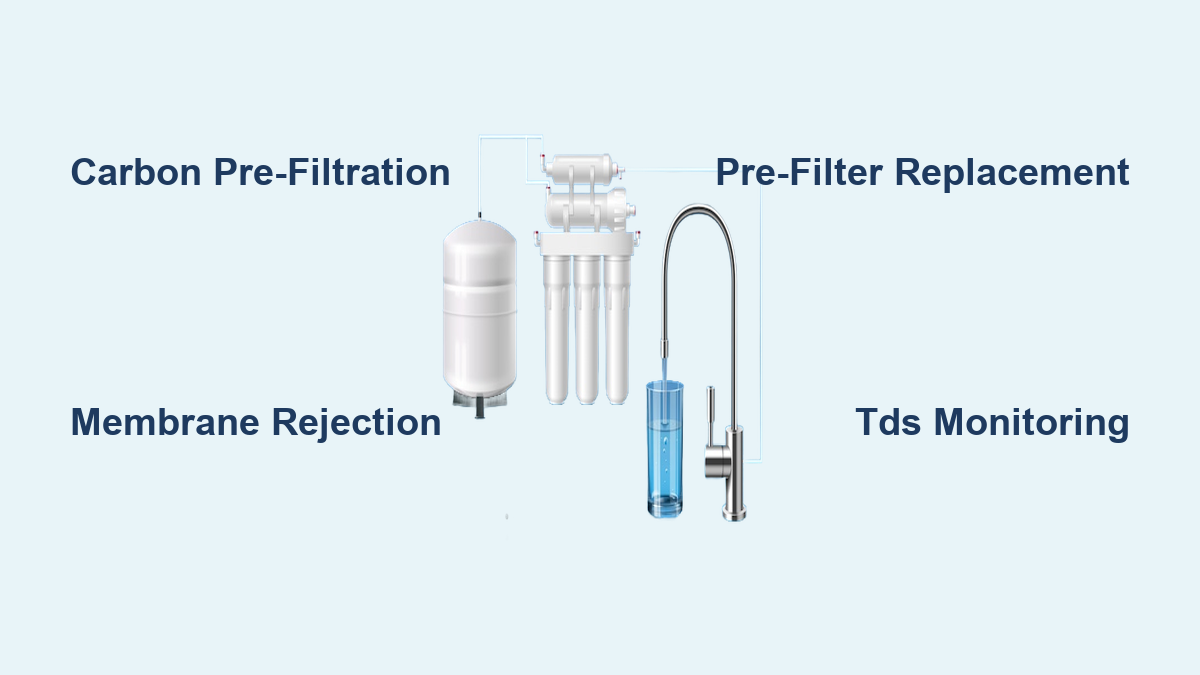
Yes, reverse osmosis effectively removes chloroform from drinking water, often achieving removal rates above 90%. The primary mechanism is adsorption by granular activated carbon (GAC) in pre-filtration stages, which captures volatile organic compounds like chloroform before they reach the membrane. When combined with membrane rejection and post-filtration, RO systems deliver some of the cleanest drinking water available, outperforming boiling, basic carbon filters, and even bottled water.
Chloroform is a disinfection byproduct formed when chlorine reacts with organic matter in tap water. It is classified as a probable human carcinogen and found in 98% of U.S. water systems, exposing over 220 million Americans. Long-term exposure increases risks for liver and kidney damage, neurological issues, and cancers of the bladder and colon. Chloroform can also enter your body through inhalation during showers and skin absorption, making comprehensive filtration essential.
This guide explains exactly how reverse osmosis removes chloroform, compares it to other methods, and provides actionable steps to ensure your system works optimally.
How RO Removes Chloroform
Pre-Filtration: Carbon Adsorption Is Key
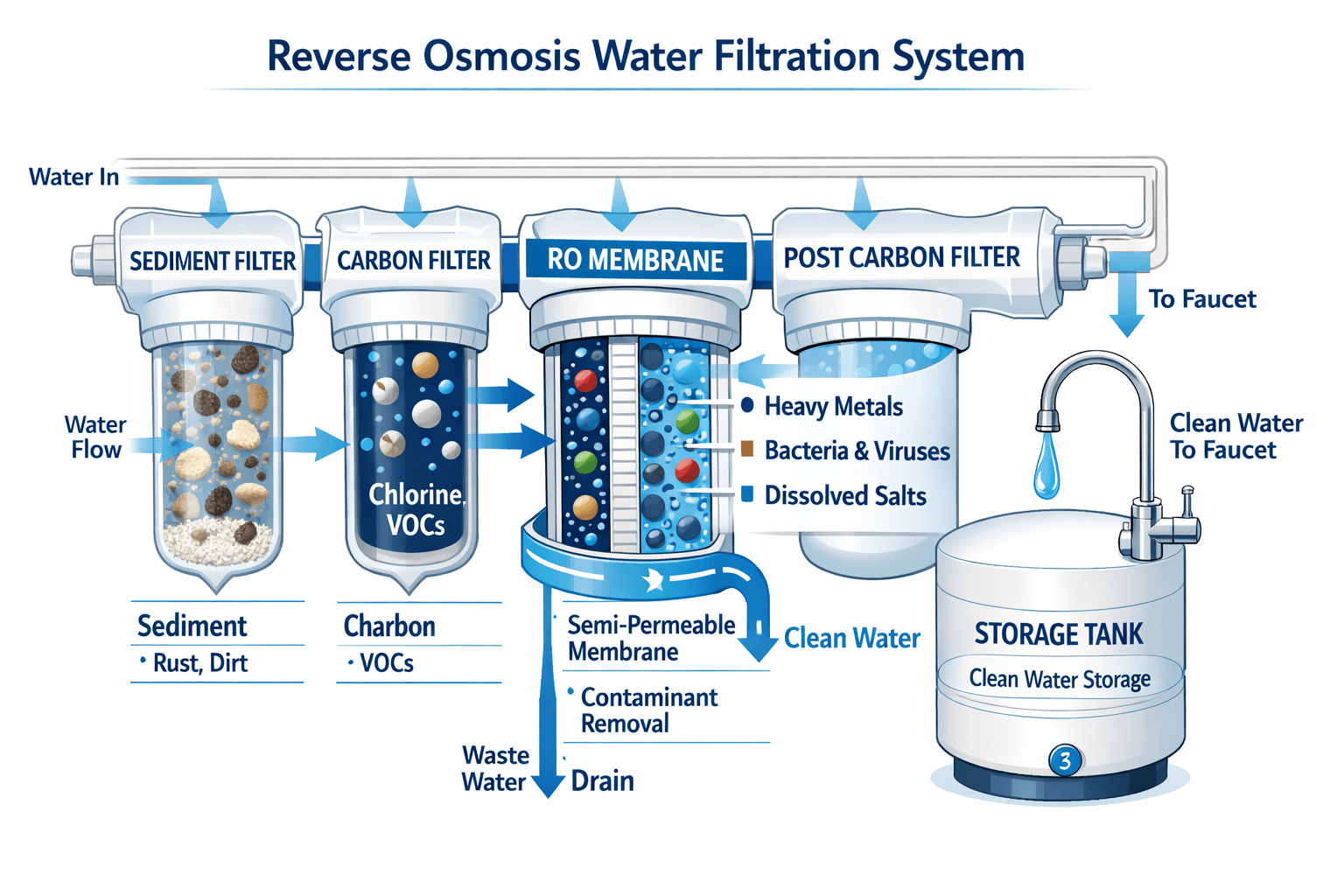
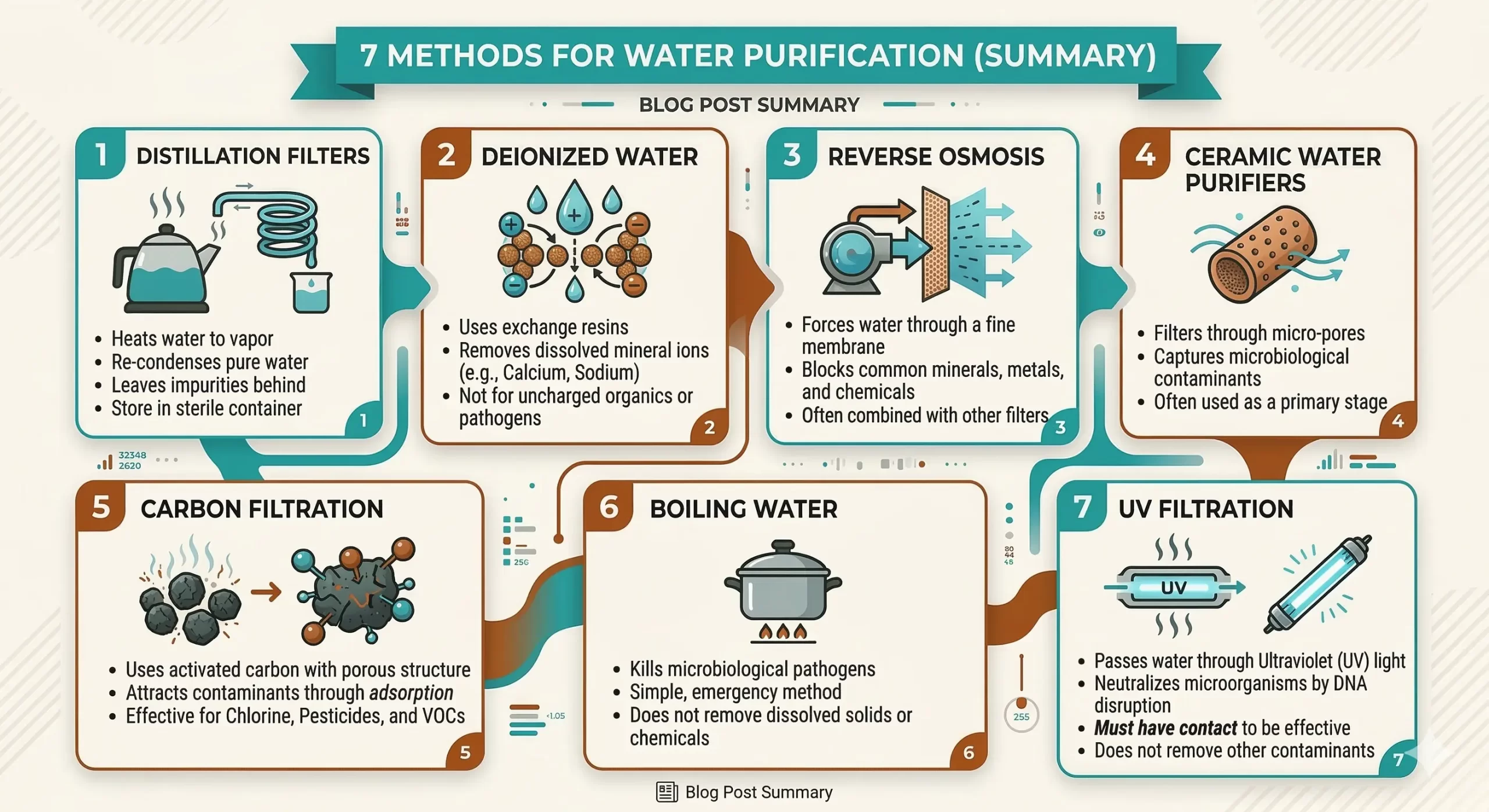
The first and most critical stage in chloroform removal is carbon pre-filtration. Most RO systems include a granular activated carbon or catalytic carbon filter designed to adsorb chlorine, chloramines, and VOCs like chloroform.
- Adsorption Process: Chloroform molecules bind to the porous surface of the carbon, removing them from the water stream.
- Contact Time Matters: Slower flow rates and larger carbon beds increase contact time, improving removal efficiency.
- Catalytic Carbon for Chloramines: In areas using chloramines, standard carbon may be less effective. Catalytic carbon breaks down chloramines more efficiently, preventing membrane damage and enhancing chloroform removal.
Without effective pre-filtration, chloroform can pass through or degrade the RO membrane over time.
Membrane Rejection: Physical Barrier to Contaminants
After pre-filtration, water passes through the semi-permeable RO membrane, which has pores around 0.0001 microns, small enough to block most dissolved contaminants.
- Residual amounts not captured by carbon are rejected by the membrane due to molecular weight and polarity.
- RO membranes are rated to remove up to 98% of total dissolved solids (TDS) and are specifically listed as effective against Trihalomethanes (THMs), the chemical group that includes chloroform.
The membrane alone is not sufficient. Its success depends on pre-filters doing the heavy lifting of VOC removal.
Post-Filtration: Final Polishing
A final carbon post-filter polishes the water by removing any lingering tastes, odors, or trace organics.
- This stage ensures no residual chloroform or disinfection byproducts affect flavor or safety.
- It acts as a safety net, especially if pre-filter performance declines.
Chloroform in Tap Water: Why It’s a Concern
How Chloroform Forms in Water
Chloroform forms when chlorine or chloramines used to disinfect municipal water react with natural organic matter like decaying leaves, algae, or wastewater runoff.
- Common in surface water sources such as rivers, lakes, and reservoirs.
- Levels spike after heavy rains or algal blooms.
- Once formed, chloroform dissolves easily and persists in groundwater.
Even if your water smells fine, it may still contain chloroform since it is odorless and invisible.
Health Risks of Long-Term Exposure
The EPA classifies chloroform as a probable human carcinogen, linked to:
- Liver and kidney tumors in animal studies
- Increased risk of bladder and colon cancer in humans
- Chronic liver and kidney damage
- Neurological effects, including dizziness and fatigue
- Potential reproductive harm, including birth defects
While short-term exposure at regulated levels is considered low-risk, long-term consumption of chlorinated water increases cumulative risk.
EPA Standards vs. Safer Guidelines
- EPA Maximum Contaminant Level (MCL) for total THMs: 80 ppb
- EPA Maximum Contaminant Level Goal (MCLG) for chloroform: 70 ppb
- Environmental Working Group (EWG) Health Guideline: 0.4 ppb
This wide gap suggests that current legal limits may not be protective enough against cancer risk. Reverse osmosis can help you meet the stricter 0.4 ppb target.
RO vs. Other Water Treatment Methods
Boiling Water: Makes It Worse
Boiling does not remove chloroform and can actually concentrate it.
- As water evaporates, chloroform remains and becomes more concentrated in the remaining liquid.
- While some chloroform may volatilize into the air, this creates an inhalation hazard.
- Boiling also does nothing for heavy metals, nitrates, or other contaminants.
Never rely on boiling to remove chloroform.
Carbon Filters Alone: Inconsistent Results
Pitcher or faucet filters with activated carbon can reduce chloroform, but with caveats.
- Standard carbon filters work well for chlorine but struggle with chloramines and stable VOCs.
- Small filters have short contact time, reducing adsorption efficiency.
- Saturation risk: Once carbon is full, it stops working and can leach contaminants back.
For reliable chloroform removal, RO with high-quality GAC is superior to standalone carbon filters.
Distillation: Effective but Impractical
Distillation removes chloroform by boiling water and condensing the steam.
- Highly effective, removing over 95% of chloroform.
- Drawbacks include:
- Slow processing: Takes hours to produce one gallon.
- Energy-intensive operation.
- Removes all minerals, resulting in flat-tasting water.
- Requires frequent cleaning to prevent bacterial growth.
Best for labs or emergencies, not daily drinking water needs.
Bottled Water: Not a Safe Alternative
Many assume bottled water is safer, but it is often just filtered tap water.
- Regulated by the FDA, not the EPA.
- If the source is chlorinated municipal water, bottled water can contain chloroform.
- Plastic bottles may leach phthalates or BPA, adding new risks.
RO at home is cheaper, safer, and more sustainable.
Whole House vs. Point-of-Use RO
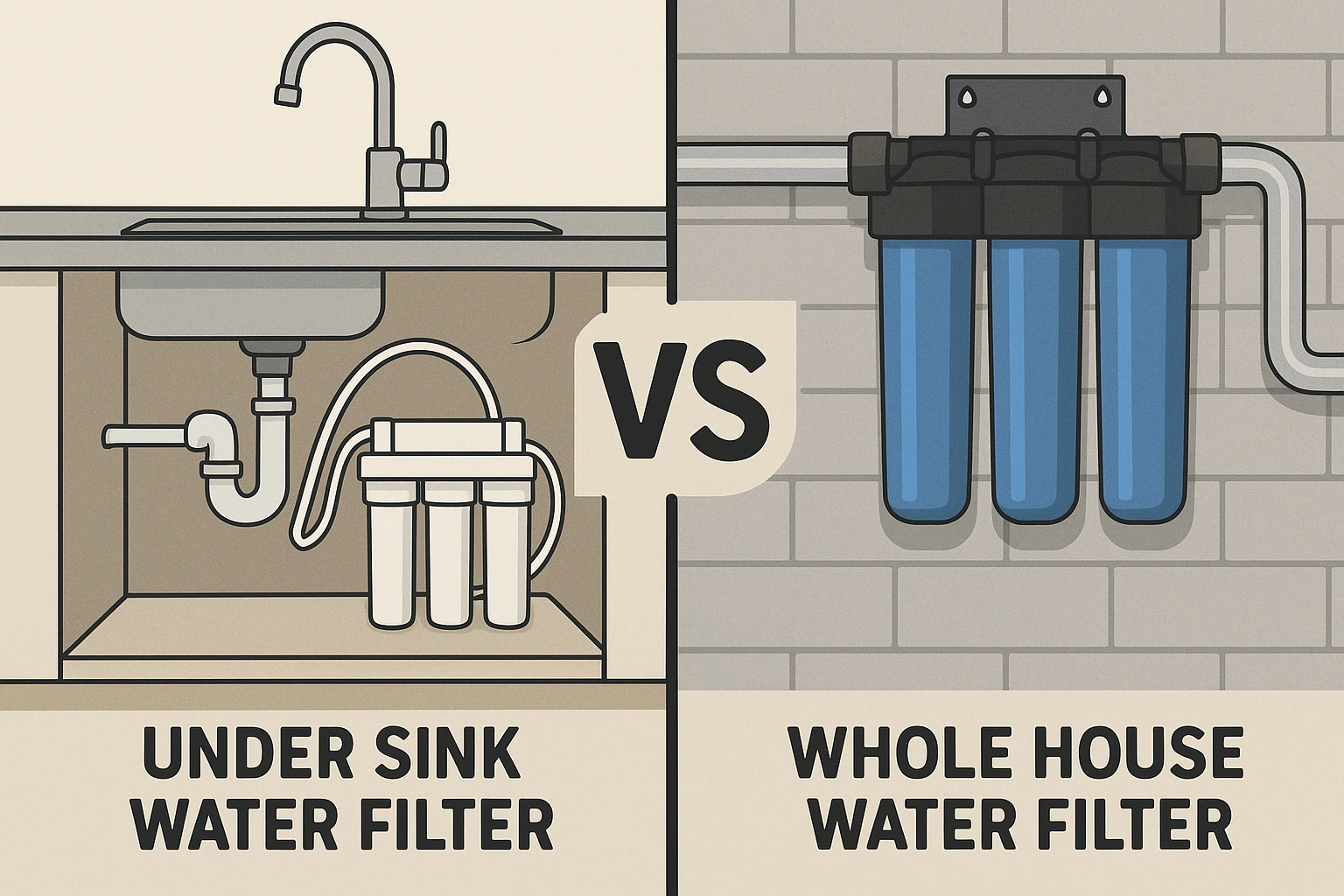
Whole House Filtration: Whole-Home Protection
Whole house systems typically use carbon tanks to remove chlorine and sediment from all incoming water.
Pros:
– Protects plumbing and appliances.
– Reduces chloroform exposure during showers and baths.
– Improves water smell and feel.
Cons:
– May not remove all THMs or dissolved solids.
– Less contact time than under-sink RO.
– Does not achieve the same purity for drinking water.
Best for whole-home dechlorination, but not the final solution for drinking.
Under-Sink RO: Gold Standard for Drinking
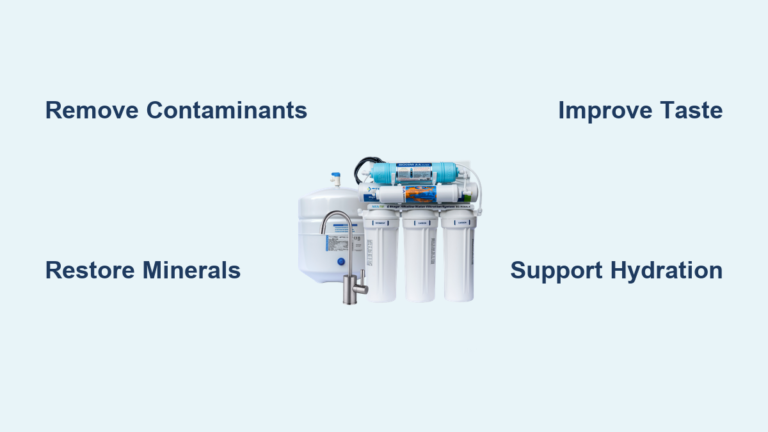
Point-of-use RO systems are installed under the sink and deliver purified water through a dedicated faucet.
Pros:
– Removes up to 98% of TDS, including chloroform and other THMs.
– Multi-stage filtration with dedicated carbon pre- and post-filters.
– Fresh, clean taste.
Cons:
– Wastes water (3–5 gallons per 1 gallon purified).
– Requires under-sink space and plumbing access.
– Needs regular maintenance.
Ideal for drinking and cooking, where purity matters most.
Best Strategy: Combine Both
For maximum protection:
1. Install a whole house carbon filter to remove chlorine and chloramines and reduce shower exposure.
2. Add an under-sink RO system for drinking and cooking water.
This dual approach is especially recommended in chloramine-heavy areas like California, Texas, and the Gulf Coast.
Maintenance Tips for Maximum Chloroform Removal
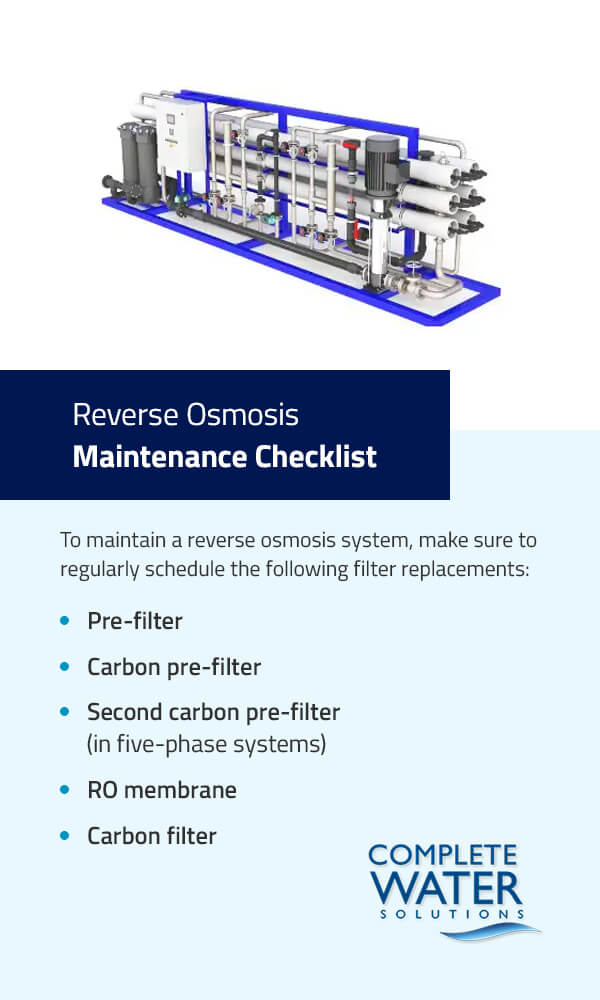
Replace Pre-Filters on Schedule
The carbon pre-filter is your first line of defense against chloroform.
- Replace every 6–12 months, depending on water quality and usage.
- If your water still smells like chlorine, the carbon is likely saturated.
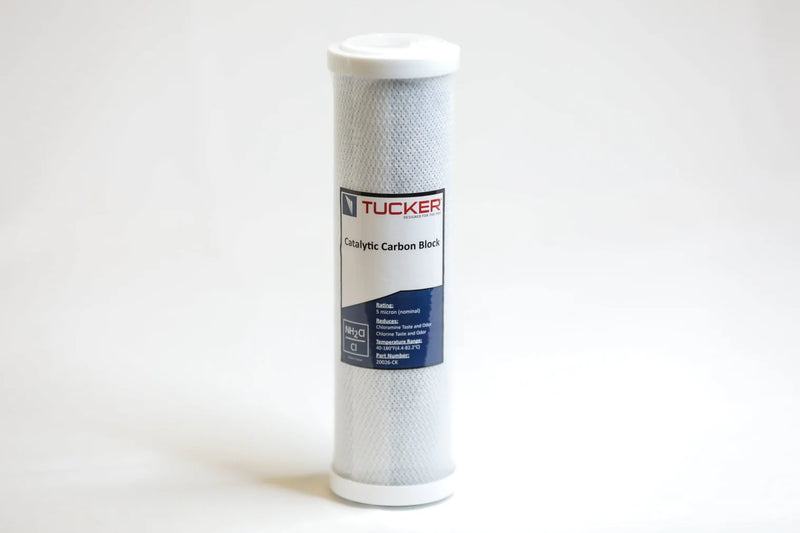
- Use catalytic carbon if your utility uses chloramines.
Neglecting pre-filters risks membrane damage and reduced VOC removal.
Monitor RO Membrane Life
The RO membrane typically lasts 2–5 years.
Signs of failure:
– Rising TDS levels in filtered water.
– Reduced water flow.
– Metallic or chemical taste.
Test TDS monthly with a digital meter to track performance. Replace the membrane if TDS increases by more than 10–15% from baseline.
Sanitize the System Annually
Bacteria can grow in the storage tank and tubing.
- Sanitize once a year using a food-grade hydrogen peroxide or vinegar solution.
- Follow manufacturer instructions to flush the system.
- Prevents biofilm buildup that can harbor contaminants.
Check for Leaks and Drain Flow
A malfunctioning flow restrictor or leak can reduce efficiency.
- Ensure the drain line flows steadily during operation.
- Listen for continuous draining, which indicates a faulty check valve or membrane.
- Fix issues promptly to avoid water waste and poor filtration.
Regional Challenges: Gulf Coast and Chloramines
Why Gulf Coast Water Is Tougher to Treat
In cities like St. Petersburg, Clearwater, and Largo, utilities use monochloramine (chlorine + ammonia) for longer-lasting disinfection.
- More stable than chlorine, so it persists in the water.
- Harder to remove with standard carbon.
- Increases risk of THM formation, including chloroform.
- Can degrade RO membranes if not properly pre-filtered.
Solution: Chloramine-Specific RO Systems
To handle chloramines and chloroform:
– Use catalytic carbon pre-filters designed for chloramine reduction.
– Ensure longer contact time through slower flow or larger filter housing.
– Choose RO systems labeled as chloramine-resistant.
Without these upgrades, your system may underperform or fail prematurely.
Frequently Asked Questions About Chloroform Removal
Does reverse osmosis remove chloroform from water?
Yes. Reverse osmosis removes chloroform through a combination of carbon pre-filtration adsorption and membrane rejection. When properly maintained, RO systems can reduce chloroform levels significantly, often exceeding 90% removal.
Is boiling water an effective way to remove chloroform?
No. Boiling concentrates chloroform in the remaining water as it evaporates. While some chloroform may volatilize into the air, this creates an inhalation hazard and does not reliably reduce contamination.
How does RO compare to bottled water for chloroform?
RO is generally safer than bottled water. Bottled water is often sourced from chlorinated municipal supplies and may contain chloroform at levels similar to tap water. Home RO gives you direct control over your water quality.
What is the safe level of chloroform in drinking water?
The EPA’s MCL for total THMs is 80 ppb, with a specific MCLG of 70 ppb for chloroform. However, the EWG recommends a stricter health guideline of 0.4 ppb to better protect against cancer risk.
How often should I replace my RO pre-filters?
Replace carbon pre-filters every 6–12 months, depending on water quality and usage. If you notice chlorine smell or taste in your filtered water, the carbon is likely saturated and needs replacement.
Can chloroform enter my body through showering?
Yes. Chloroform is volatile and can be inhaled as steam or absorbed through the skin during showers and baths. A whole-house carbon filter can reduce this exposure significantly.
Final Verdict: RO Is the Best Choice for Chloroform Removal
Reverse osmosis is the most effective home method for removing chloroform from drinking water.
- It combines carbon adsorption and membrane rejection for maximum removal.
- It outperforms boiling, pitchers, and bottled water.
- It reduces exposure from ingestion, inhalation, and skin contact when paired with whole-house filtration.
- It meets or exceeds the strictest health guidelines, including the EWG’s 0.4 ppb target.
While RO systems require maintenance and waste some water, the health benefits far outweigh the drawbacks for most households.
Quick Action Plan:
- Test your water for THMs using a certified lab or check your local Consumer Confidence Report.
- Install a point-of-use RO system with catalytic carbon if chloramines are present.
- Replace pre-filters every 6–12 months.
- Test TDS monthly to monitor performance.
- Consider a whole-house filter for comprehensive protection.
By taking these steps, you can ensure your drinking water is truly clean and free from chloroform and other harmful disinfection byproducts.