Does Water Expire? Shelf Life Facts
You grab a dusty water bottle from the back of your pantry, glance at the date, and pause. It expired last year. Do you drink it or dump it? You are not alone in wondering whether water actually goes bad, and the answer might change how you stock your emergency kit forever.
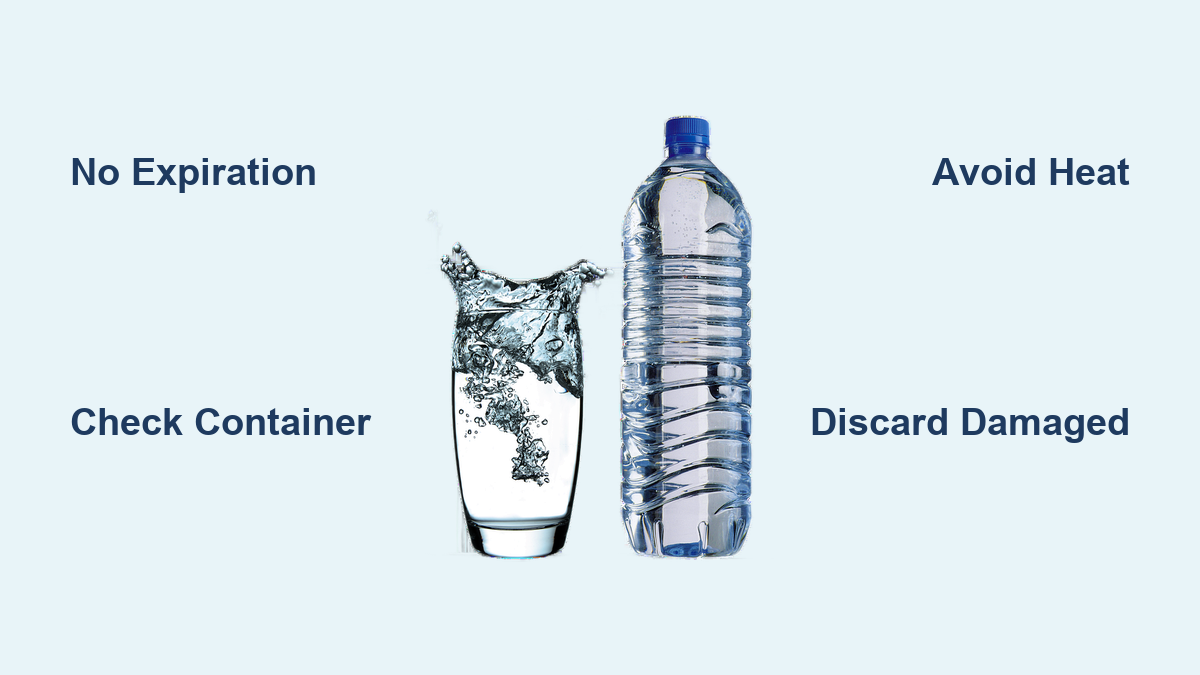
Chemically, pure water (H₂O) is one of the most stable substances on Earth. It does not rot, ferment, or decompose like food. Yet millions of bottles get tossed every year simply because the printed date has passed. The confusion comes from a critical misunderstanding: it is not the water that expires, it is the container and storage conditions. This article breaks down what those dates really mean, how long bottled and tap water actually last, and exactly how to store water safely for years.
Why Water Itself Never Expires

The Chemistry of H₂O Stability
Water molecules have existed for billions of years, cycling through oceans, clouds, and glaciers without losing their chemical structure. From a scientific standpoint, water has no expiration date. It is a simple, stable compound that does not support microbial growth on its own.
What “Best-By” Dates Actually Mean
That date stamped on your bottle is not a safety cutoff. It is a quality guarantee from the manufacturer, typically set at two years, ensuring the water tastes fresh when consumed. The FDA confirms that bottled water has no required shelf life if stored properly. The date is about taste, not toxicity.
How Packaging Affects Water Safety

PET Plastic and Chemical Leaching
Most disposable water bottles are made from PET plastic (Polyethylene Terephthalate). While lightweight and generally safe, PET slowly breaks down over time, especially when exposed to heat, sunlight, or physical stress. As the plastic degrades, trace chemicals can leach into the water:
- Antimony: A catalyst used in PET production that leaches more under high heat.
- Phthalates and BPA: Some plasticizers may migrate, especially under heat or UV exposure.
- Microplastics: Tiny plastic particles can flake off as the bottle ages.
The risk is low for short-term storage, but long-term exposure to heat or sunlight increases leaching significantly.
How Heat and Sunlight Damage Bottles
Two major enemies of bottled water are heat and UV light. Temperatures above 30°C (86°F), common in cars, garages, or warehouses, accelerate chemical breakdown. Sunlight breaks down polymer chains in PET, making the plastic more porous. Freeze-thaw cycles can crack the bottle, compromising the seal and allowing bacteria or dust to enter.
Visual signs of damage include cloudy water, a plastic-like odor, or a swollen, warped bottle. If you see any of these, discard the water immediately.
How Long Does Bottled Water Actually Last?

Unopened Bottles: Indefinitely Safe With Caveats
If the seal is intact and the bottle has been stored in a cool, dark place, unopened water remains safe to drink indefinitely, even decades past the printed date. However, taste and freshness decline over time. After two years, you might notice a flat or stale flavor, which is unpleasant but not dangerous.
FEMA and the Red Cross recommend storing bottled water for emergencies. As long as it stays at room temperature, away from chemicals and sunlight, it is safe. Some agencies suggest rotating stocks every 12 months for optimal taste, but this is precautionary rather than mandatory.
Opened Bottles: Use Within 3 to 5 Days
Once you open a bottle, everything changes. Your mouth introduces bacteria, and the water is exposed to air and contaminants. At room temperature, drink it within 3 days to avoid bacterial growth. Refrigerated, it can last up to 5 days, though quality drops after day 3. Never leave an open bottle in a hot car or on a countertop for days, as this creates a breeding ground for microbes.
Tap Water Storage Guidelines
Shelf Life of Stored Tap Water
Unlike bottled water, tap water does not come sealed at the source, so shelf life depends on container quality and treatment. Municipal water is treated with chlorine to kill bacteria, but over time, chlorine evaporates, leaving water vulnerable to microbial growth. Store tap water in clean, food-grade containers and replace every 6 months.
Homes with lead pipes or outdated fixtures may leach heavy metals. Use a filter before storing. Label your containers with the storage date and use the oldest first.
Best Containers for Long-Term Storage

Not all containers are equal. For tap water storage, use food-grade plastic (look for #1 PET or #2 HDPE) or glass. Avoid milk jugs or non-food containers, as they are hard to clean and can harbor bacteria. Seal tightly to prevent contamination and evaporation, and store in dark, cool places like a basement or closet away from cleaning supplies, gasoline, or paint.
How to Store Water for Maximum Freshness
Ideal Conditions for Bottled Water
To keep water tasting fresh and safe for years, follow these guidelines:
- Keep it cool: Store below 25°C (77°F). Avoid attics, garages, or car trunks.
- Keep it dark: UV light degrades plastic. Use pantries, cupboards, or opaque storage bins.
- Keep it isolated: Do not store near chemicals. PET is slightly permeable, so water can absorb fumes from gasoline, bleach, or solvents.
- Keep it sealed: Never break the factory seal unless you are ready to drink.
- Rotate stock: Use the “first in, first out” rule and consume older bottles first.
If storing in bulk, place bottles on a wooden pallet to prevent moisture buildup and inspect monthly for damage.
Refrigeration: When It Helps
Refrigeration is not needed for unopened bottled water but is acceptable if you prefer chilled water. For opened bottles, chilling slows bacterial growth and preserves taste. Always refrigerate opened bottles and consume within 5 days.
Warning Signs That Water Has Gone Bad

When to Throw It Out
Even if the date has not passed, never drink water that shows these warning signs:
- Strange odor: Smells like plastic, chemicals, or gasoline.
- Off taste: Tastes bitter, metallic, or stale.
- Cloudiness or particles: Water looks murky or has floating debris.
- Algae growth: Green tint or specks, usually from light exposure after opening.
- Damaged container: Cracked, swollen, or leaking bottle.
Swelling is a red flag because it can indicate microbial gas production or chemical reactions inside the bottle.
How to Test Suspicious Water
If you are unsure, perform a quick sensory check:
- Smell it: Pour into a glass and sniff. Any chemical scent means discard.
- Look at it: Hold it up to light. Cloudiness or particles mean no.
- Taste a tiny sip: If it feels “off,” spit it out and do not drink more.
When in doubt, pour it out and recycle the bottle.
Health Risks of Drinking Old or Improperly Stored Water
Short-Term vs. Long-Term Exposure
Drinking one glass of water from a bottle left in a hot car is unlikely to cause harm. However, regular consumption of water from degraded plastic raises concerns:
- Microplastic ingestion: Long-term health effects are still being studied, but reducing exposure is wise.
- Chemical leaching: Antimony and phthalates may disrupt hormones or cause gastrointestinal issues with chronic exposure.
- Bacterial contamination: Opened or breached bottles can harbor E. coli or mold.
Occasional exposure is not dangerous, but do not make a habit of drinking from old, heat-damaged bottles.
Who Is Most at Risk?
Certain groups should be extra cautious:
- Infants and young children: More sensitive to toxins.
- Pregnant women: Hormone disruptors may affect fetal development.
- Immunocompromised individuals: Higher risk from bacterial contamination.
For these groups, fresh, properly stored water is essential.
Environmental Impact of “Expired” Water
The Real Expiration: Plastic Waste
While water lasts forever, plastic bottles do not. Most end up in landfills, where they take hundreds of years to decompose. About 80% of plastic bottles are not recycled globally. They break down into microplastics, polluting oceans and entering the food chain. Production of new bottles consumes oil and emits greenhouse gases.
“Expired” water should not mean wasted water. If the bottle is intact and stored properly, drink it. If not, pour the water down the drain and recycle the bottle.
How You Can Help
Forward-thinking brands are shifting to recyclable rPET (recycled PET) and take-back programs. You can make a difference by recycling 100% of plastic bottles, choosing brands using recycled content, and supporting policies that promote bottle recycling and reduction.
Emergency Water Storage Best Practices

How to Prepare for Disasters
For hurricane season, earthquakes, or power outages, store at least one gallon per person per day for 3 to 14 days. Use commercially bottled water when possible, store in a cool, dark, chemical-free location, and rotate every 6 to 12 months for best taste. Label containers with dates.
Do not store near gasoline, pesticides, or cleaning supplies. Do not use old milk jugs or non-food containers. Do not rely on “expired” water with damaged packaging. Add water purification tablets or a filter to your emergency kit for added safety.
Filtration Options for Stored Water
Best Filters for Home Use
If you are storing tap water or concerned about taste, filtration helps:
- Activated carbon filters (pitcher filters): Remove chlorine, improve taste, reduce VOCs.
- Reverse osmosis (RO): Removes lead, fluoride, heavy metals, and chemicals. Ideal for long-term storage.
- Whole-house systems: Filter all incoming water, ensuring every stored bottle starts clean.
Replace filter cartridges as recommended, since clogged filters can harbor bacteria.
Frequently Asked Questions About Water Expiration
Does water actually expire?
No. Water itself is chemically stable and does not expire. The dates on bottles refer to packaging quality and taste freshness, not safety. If stored properly, sealed water remains safe indefinitely.
How long is bottled water good after the expiration date?
If the bottle is unopened, undamaged, and stored in a cool, dark place, it is safe to drink well past the printed date, often for years. The taste may decline after two years, but it will not make you sick.
Can old water make you sick?
Old water from a properly stored, sealed bottle is unlikely to cause illness. However, water from a damaged, heat-exposed, or opened bottle can harbor bacteria or leached chemicals that may cause gastrointestinal distress.
Is it safe to drink tap water that has been stored for a long time?
Tap water stored in clean, food-grade containers is generally safe for up to 6 months. After that, chlorine dissipates and bacterial growth becomes possible. Rotate stored tap water every 6 months for best results.
Why do water bottles have expiration dates if water doesn’t expire?
Most manufacturers print dates due to legacy practices and consumer expectations. Only New Jersey ever legally required it, and that law was repealed in 2018 after finding no scientific basis for mandatory expiration dates on sealed water.
What happens if you drink water from a bottle left in a hot car?
A single instance is unlikely to cause harm, but regular consumption of heat-damaged water increases exposure to antimony, phthalates, and microplastics. Discard water from bottles that have been stored in high heat for extended periods.
Final Verdict on Whether Water Goes Bad
Water itself does not expire. H₂O is chemically stable and lasts indefinitely. However, bottled water can lose quality due to plastic degradation, contamination, or poor storage. The “best-by” date exists to guarantee taste, not safety.
Key takeaways to remember:
- Unopened bottled water is safe forever if stored properly.
- Taste declines after 2 years, but safety does not.
- Never drink water from damaged, hot, or chemically exposed bottles.
- Opened bottles should be consumed in 3 to 5 days.
- Recycle every bottle, because the environmental cost is the real expiration.
Do not fear the date. Fear the heat, the sun, and the landfill. Store smart, check the smell, and recycle always. Water does not go bad, but how we treat it can.
