Water Purifying Methods: A Complete Guide
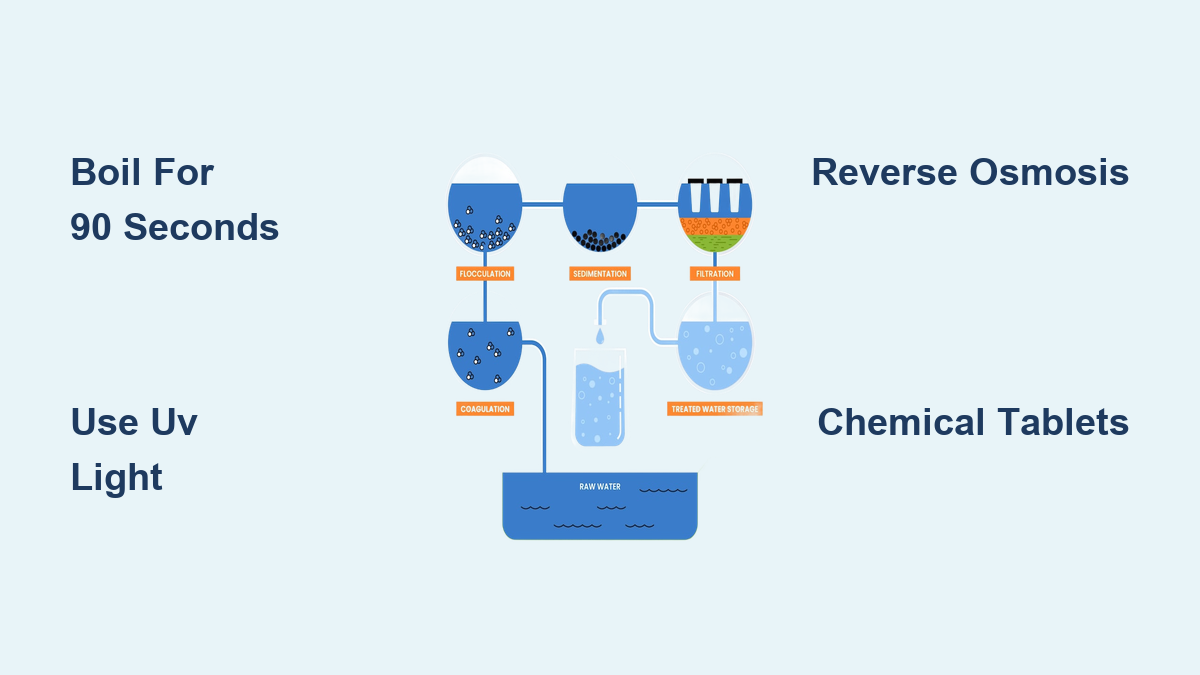
Access to clean drinking water is not guaranteed for billions of people worldwide. Whether you are preparing for emergencies, traveling off-grid, or questioning your tap water quality, learning effective water purifying methods can protect your health and even save your life. These techniques target invisible threats like bacteria, viruses, parasites, and chemical pollutants that standard filters often miss.
This guide covers the most reliable water purifying methods available today, from simple boiling to advanced reverse osmosis systems. You will discover how each technique works, what contaminants it removes, and its practical limitations. We will also match methods to real situations, including home use, backcountry travel, and disaster preparedness. By the end, you will know exactly which approach fits your needs and how to use it correctly.
Boiling Water Safely

Boiling is the oldest and most accessible purification method, making water microbiologically safe in nearly any setting. It works especially well when contamination from animal waste or poor sanitation is a concern.
Why Boiling Kills Pathogens
Heat destroys the proteins and enzymes inside microorganisms, disabling them permanently. Most bacteria, viruses, and protozoa die when exposed to temperatures above 161°F (72°C). Once water reaches a full rolling boil at 212°F (100°C) at sea level, dangerous organisms like E. coli, Giardia, and Cryptosporidium are neutralized almost instantly.
Boiling does not eliminate chemical pollutants, heavy metals, or microplastics. Dead pathogens and sediment stay in the water, so straining through a cloth or coffee filter before boiling improves both safety and taste.
How Long to Boil Water
- Minimum duration: 90 seconds after reaching a rolling boil (CDC recommendation)
- Standard practice: 3 to 5 minutes for uncertain sources
- High altitudes: Boil for 3 minutes or longer, since lower atmospheric pressure reduces the boiling point
Scientific evidence shows that extended boiling beyond a few minutes is unnecessary once the water has reached a full boil. The critical factor is sustained high heat, not duration.
Best Practices and Warnings
- Pre-filter cloudy water through cloth to remove debris
- Cover the container while cooling to prevent airborne contamination
- Store in clean, sealed containers
- Do not rely on boiling for lead, pesticides, or nitrates, which require chemical or membrane treatment
Distillation: Pure Water Through Evaporation
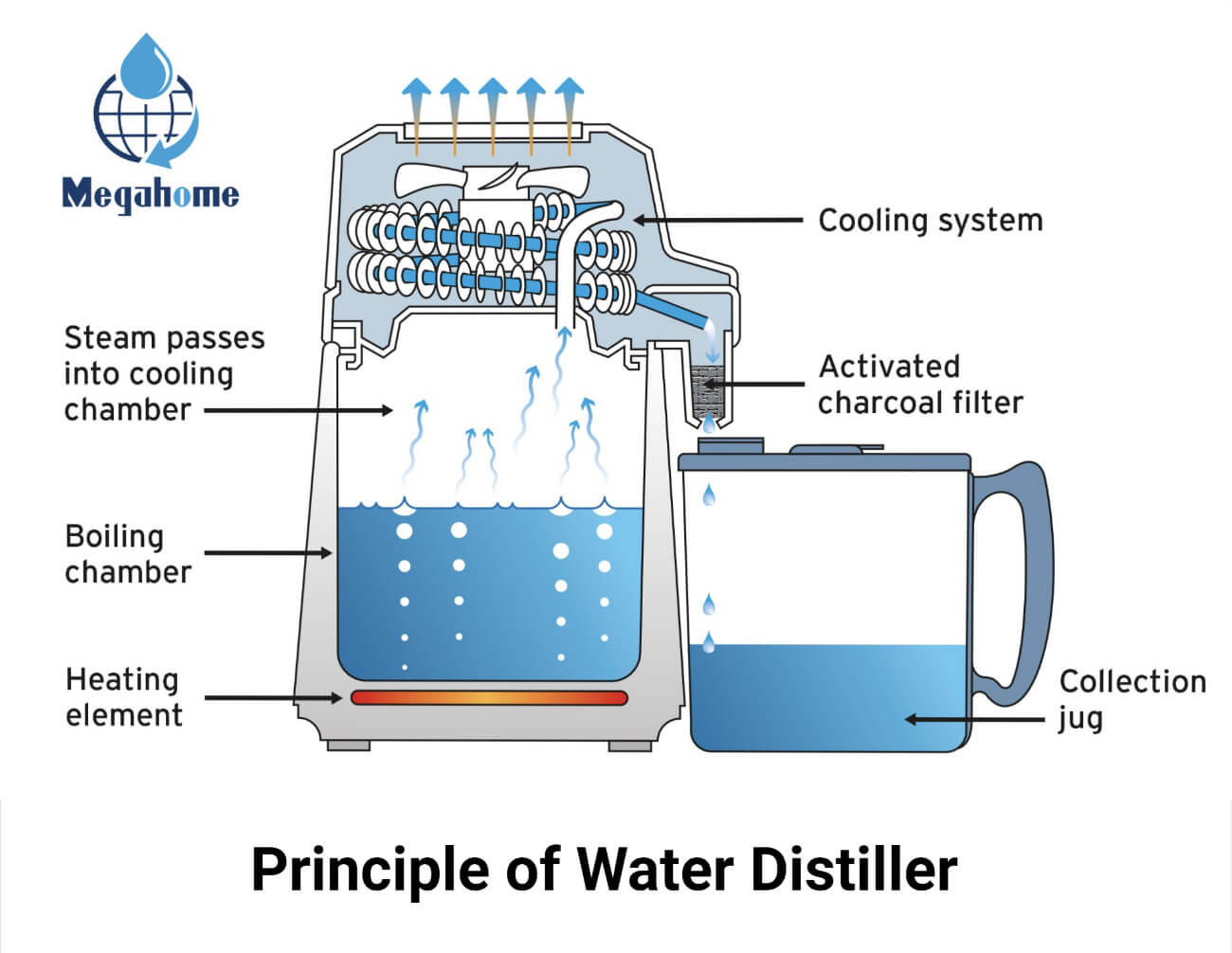
Distillation produces exceptionally pure water by replicating the natural water cycle. Water evaporates, leaving contaminants behind, then condenses back into liquid form in a separate container.
How Distillation Works
Water is heated until it becomes vapor, which rises into a cooled chamber. As the vapor cools, it returns to liquid form and is collected. Contaminants like salts, heavy metals, and most chemicals cannot vaporize, so they remain in the original chamber.
This method effectively removes:
- Bacteria, viruses, and cysts
- Heavy metals including lead and mercury
- Nitrates and sulfates
- Salt, making it ideal for desalination
Limitations of Distilled Water
- Energy-intensive: Requires continuous heat, making it inefficient for large volumes
- Slow production: Yields small amounts of water over long periods
- Mineral depletion: Long-term consumption may affect electrolyte balance
- Volatile compounds: Some organic solvents can vaporize and recondense; activated carbon post-treatment addresses this
Solar Still: Passive Distillation
In survival or off-grid scenarios, solar distillation uses sunlight to evaporate water from a container, with vapor condensing on a clear cover and dripping into a collection vessel. Output is low, typically just a few cups per day, but it works in sunny, dry climates for emergency desalination.
Reverse Osmosis: High-Efficiency Filtration
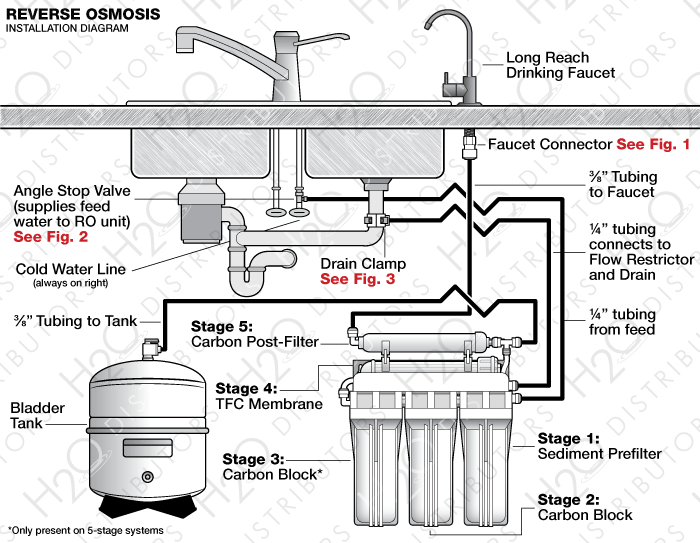
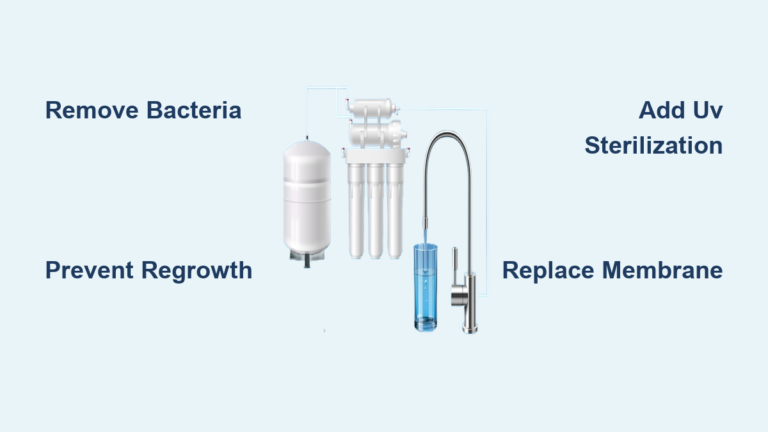
Reverse osmosis ranks among the most trusted water purifying methods for homes and industries, removing over 95% of contaminants including those other systems miss.
How RO Removes Contaminants
RO forces water under pressure through a semi-permeable membrane with pores as small as 0.0001 microns. This blocks:
- Dissolved salts and minerals
- Heavy metals like arsenic, fluoride, and lead
- Nitrates and sulfates
- Bacteria and viruses
- Pesticides and industrial chemicals
Most RO systems include pre-filters (sediment and carbon) and often post-filters to improve taste.
Where RO Excels
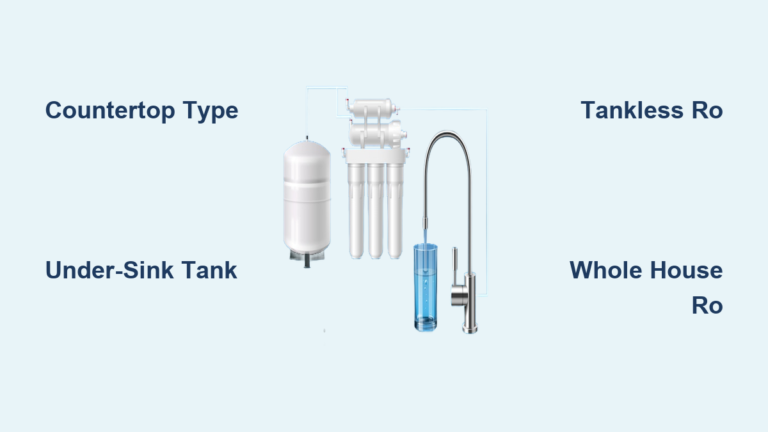
Reverse osmosis works well for under-sink household installations, whole-house systems, large-scale desalination plants, and medical or laboratory applications requiring ultra-pure water.
Drawbacks and Maintenance
- Wastewater: Produces 3 to 5 gallons of brine for every gallon purified
- Slow flow rate: Requires storage tanks for high-demand situations
- Membrane replacement: Needed every 2 to 3 years depending on water quality
- Mineral removal: Strips beneficial minerals, though some systems add them back
UV Light: Fast, Chemical-Free Disinfection
Ultraviolet light purifies water rapidly without adding chemicals by damaging the DNA of microorganisms so they cannot reproduce.
How UV Purifiers Work
A UV-C lamp emits light at 254 nanometers, penetrating microbial cells and disrupting their genetic material. The process takes under 60 seconds and leaves no aftertaste.
UV light effectively neutralizes bacteria like Salmonella and E. coli, viruses including Hepatitis A and Norovirus, and protozoa such as Giardia and Cryptosporidium.
Critical Usage Rules
- Pre-filter first: UV cannot penetrate cloudy water; particles shield pathogens
- Requires power: Batteries or electricity are necessary; systems fail during outages
- No residual protection: Treated water can be recontaminated; store in sealed containers
- Bulb lifespan: Replace UV lamps annually or per manufacturer specifications
Portable UV Pens
Devices like SteriPens are popular among backpackers and travelers. They are lightweight, treat one liter in roughly 90 seconds, and work well for clear stream or tap water.
Chemical Purification: Tablets and Drops

Chemical disinfectants are lightweight, compact, and ideal for emergency kits or travel where boiling or equipment is impractical.
Chlorine-Based Treatments
Chlorine kills most bacteria and viruses quickly and is widely used in municipal systems.
- Forms: Liquid bleach (5% sodium hypochlorite), tablets, or electrolysis-generated from salt
- Dosage: 2 drops per liter, then wait 30 minutes
- Pros: Long shelf life and residual protection
- Cons: Alters taste, may form harmful byproducts, and is less effective against Cryptosporidium
Chlorine Dioxide
This option works better than chlorine against resistant cysts.
- Targets: Giardia, Cryptosporidium, and viruses
- Contact time: 30 minutes to 4 hours
- Caution: Contains chlorite and is regulated in the U.S.; follow dosage carefully
Iodine: Emergency-Only Use
Iodine tablets are effective but carry health risks.
- Effective against: Bacteria and viruses
- Not recommended for: Pregnant women, people with thyroid conditions, or long-term use beyond 2 weeks
- Taste: Strong and unpleasant; flavor neutralizers help
- Contact time: 30 minutes for clear water, up to 4 hours for cold or cloudy water
Sand and Membrane Filtration
While many filtration systems are not full purifiers, certain advanced types qualify as true purification methods.
Rapid Sand Filters
Used in municipal plants and developing regions, rapid sand filters work by passing water through sand and activated carbon layers. They remove turbidity, organic compounds, and some pathogens. Regular backwashing cleans trapped debris. These filters do not remove viruses or dissolved chemicals without carbon or RO components.
Slow Sand Filters
These low-cost, gravity-fed systems serve rural communities well. They rely on a biological layer called schmutzdecke to trap and digest pathogens. Skilled maintenance is required, including periodic scraping of the top sand layer. They effectively remove bacteria and protozoa but are less reliable for viruses.
Ultrafiltration and RO Membranes
Ultrafiltration removes bacteria and protozoa through small pores around 0.01 microns but does not stop viruses. Reverse osmosis removes nearly all contaminants, including viruses and dissolved solids. Both require pre-filtration to prevent clogging.
Solar Purification (SODIS)
Solar disinfection is a low-tech, zero-cost method ideal for resource-limited settings.
How to Use SODIS
- Fill clear PET plastic bottles with water (avoid glass or colored bottles)
- Shake for 20 to 30 seconds to oxygenate
- Place horizontally in direct sunlight
- Expose for 6 hours in full sun or 48 hours if cloudy
What SODIS Destroys
The combination of UV-A radiation and heat destroys bacteria, viruses, and some protozoa.
Limitations
- Weather-dependent: Fails on cloudy days
- No chemical removal: Does not reduce heavy metals or pesticides
- Not for turbid water: Must be pre-filtered
- Plastic degradation: Replace bottles every 6 months
Choosing the Right Method
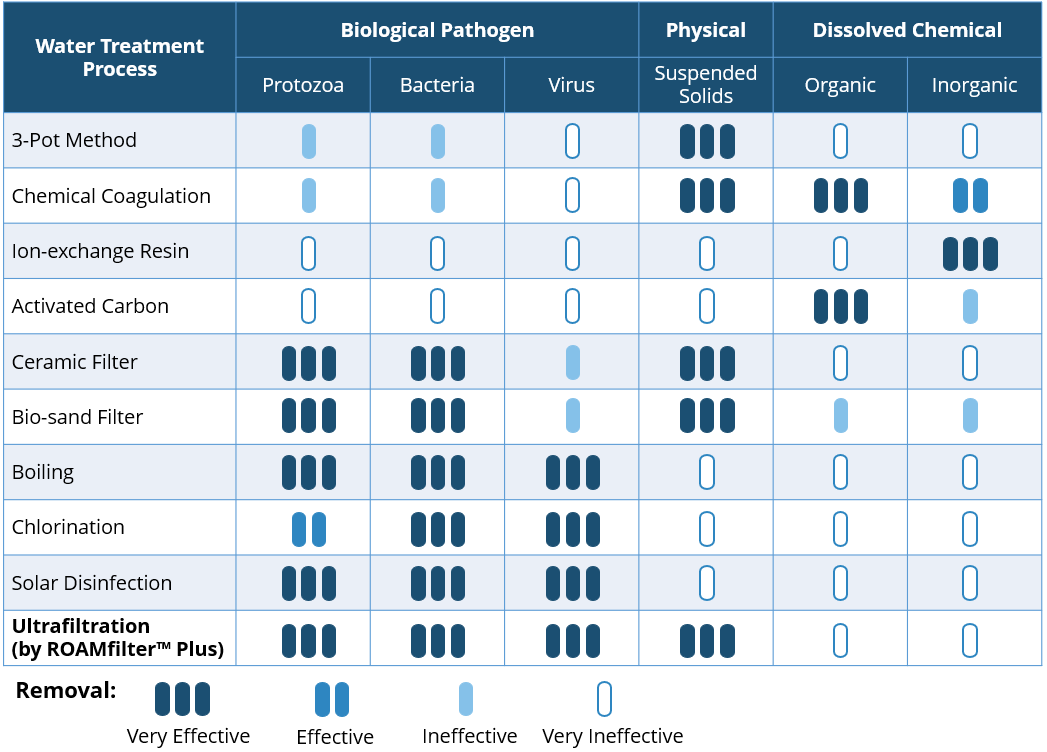
Selecting the best water purifying method depends on your environment, resources, and specific threats.
Home and Urban Use
Reverse osmosis, UV combined with carbon filtration, and municipal chlorination work well for households. Pair RO with remineralization to restore beneficial minerals stripped during purification.
Backcountry and Travel
UV pens, chemical tablets, and pump filters with RO or UF capabilities serve travelers best. Assume all natural water is contaminated and purify everything. Prioritize speed, weight, and reliability.
Developing Regions
Slow sand filters, SODIS, and boiling offer proven, low-cost solutions. The focus should be reducing diarrheal disease through accessible, sustainable methods supported by education and maintenance training.
Industrial and Lab Use
Distillation, RO, and deionization provide the ultra-pure water required for pharmaceutical manufacturing, chemical processes, and sensitive laboratory work. Combination systems are standard in these settings.
Frequently Asked Questions About Water Purifying Methods
What is the most effective water purifying method for home use?
Reverse osmosis combined with carbon filtration and UV light offers the most comprehensive home purification. This combination removes biological contaminants, heavy metals, dissolved solids, and chemical pollutants while polishing taste.
How long should you boil water to make it safe?
The CDC recommends boiling water for at least 90 seconds (1.5 minutes) after it reaches a rolling boil. For uncertain sources or high-altitude locations, extend boiling to 3 to 5 minutes to ensure complete safety.
Can water purifying methods remove chemical contaminants?
Boiling, UV light, and standard filtration do not remove chemical contaminants like pesticides, heavy metals, or industrial pollutants. Reverse osmosis, distillation, and activated carbon filtration are required to address these threats.
Are chemical purification tablets safe for long-term use?
Chlorine tablets are generally safe for emergency and short-term use. Iodine tablets should not be used for more than 2 weeks and are not recommended for pregnant women or people with thyroid conditions. Always follow manufacturer dosage instructions.
Do UV water purifiers work on cloudy water?
UV light cannot penetrate cloudy or turbid water effectively because particles shield pathogens from the radiation. Always pre-filter water through a cloth or sediment filter before UV treatment for reliable results.
What is the difference between a water filter and a water purifier?
Water filters primarily improve aesthetic qualities like taste, smell, and clarity by removing sediment and some chemicals. Water purifiers are specifically designed to remove 90 to 95% of biological contaminants including bacteria, viruses, and protozoa.
Key Takeaways for Choosing Water Purifying Methods
No single method removes all contaminants perfectly, which is why combining techniques provides the strongest protection. Filter first to remove sediment, then purify with UV or chemicals to address biological threats. For chemical contaminants, add activated carbon or reverse osmosis to your system.
Always test your water quality when possible and maintain equipment according to manufacturer schedules. UV bulbs need annual replacement, RO membranes last 2 to 3 years, and chemical tablets have expiration dates that affect potency. Store purified water in clean, sealed containers to prevent recontamination.
Your next step is to assess your specific needs: identify the contaminants in your water source, consider your environment and resources, and choose a method (or combination of methods) that matches your situation. Whether you are protecting your family at home or preparing for wilderness travel, mastering these water purifying methods gives you the confidence that comes with safe, reliable drinking water.