Reverse Osmosis Wastewater Treatment Guide
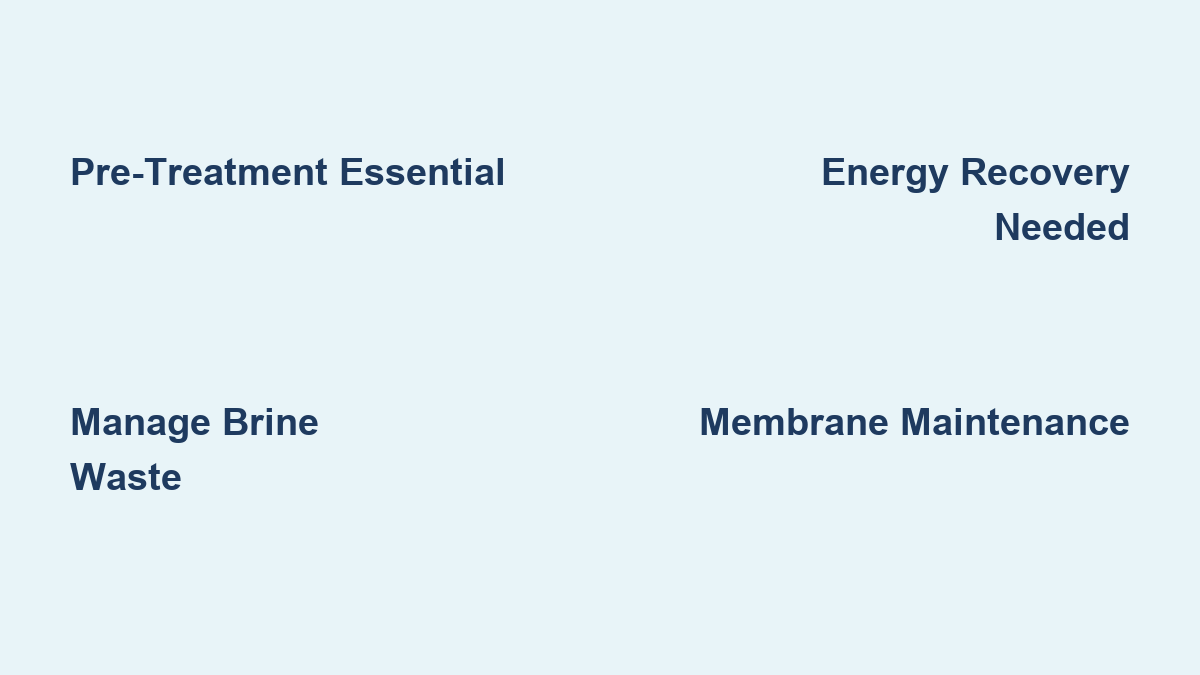
Every day, industries and cities generate massive volumes of contaminated water. Without effective treatment, this wastewater threatens public health and ecosystems. Reverse osmosis (RO) has emerged as a powerful solution, capable of transforming dirty, saline, or chemically-laden water into clean, reusable streams. At the heart of modern water recycling and reuse strategies, reverse osmosis wastewater treatment uses advanced membrane technology to remove up to 99.9% of contaminants, making it one of the most reliable methods for producing high-purity water from waste sources.
Unlike traditional filtration, RO doesn’t rely on chemical reactions. Instead, it uses pressure to force water through a semi-permeable membrane that blocks nearly all dissolved solids, bacteria, viruses, heavy metals, and organic pollutants. The result is two distinct outputs: purified permeate water ready for reuse, and a concentrated brine stream that must be managed responsibly. While the process is energy-intensive and requires careful maintenance, its benefits in regulatory compliance, water conservation, and cost savings make it indispensable in water-stressed regions and heavily regulated industries.
In this guide, you’ll learn how reverse osmosis works in real-world wastewater applications, which contaminants it removes (and which it doesn’t), how to design and maintain an RO system, and why businesses are increasingly investing in this technology, not just for compliance, but as a strategic asset.
How Reverse Osmosis Removes Wastewater Contaminants
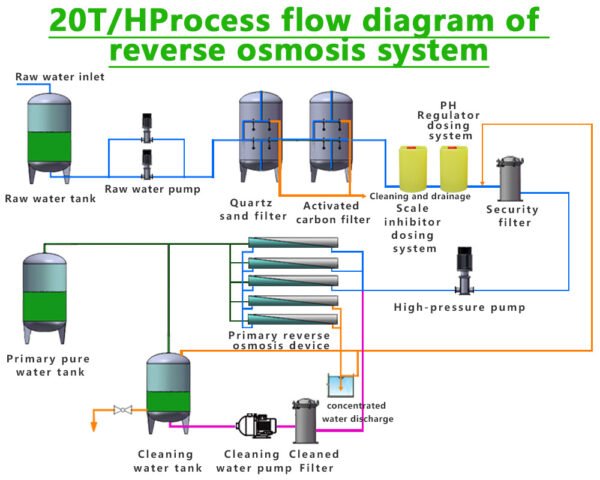
Reverse osmosis works by reversing natural water flow through a membrane. Normally, water moves from low to high solute concentration in a process called osmosis. RO flips this by applying high pressure to the contaminated feed water, pushing it against a semi-permeable membrane. Only water molecules pass through; everything else gets rejected.
The membrane’s pore size is so small, typically 0.0001 microns, that it blocks ions, salts, microorganisms, and most organic compounds. This precision makes RO uniquely effective in treating complex industrial and municipal wastewater streams where conventional methods fall short.
Why Pressure Overcomes Osmotic Resistance
Osmotic pressure is the natural force that resists water movement from dilute to concentrated solutions. In wastewater, high levels of salts and dissolved solids create significant osmotic pressure. To overcome this, RO systems apply external pressure, often between 150 and 1,000 psi, depending on the feed water quality.
For example:
– Seawater desalination may require 800+ psi
– Municipal reclaimed water: 200–400 psi
– Pre-treated industrial effluent: 150–300 psi
If applied pressure is too low, water flux drops and efficiency suffers. Too high, and membranes risk damage or accelerated fouling. Maintaining optimal pressure is key to balancing performance, energy use, and membrane life.
Membrane Materials That Deliver High Rejection Rates
Not all RO membranes are created equal. The material determines chemical resistance, rejection capability, and durability. Common types used in wastewater treatment include:
- Thin-Film Composite (TFC): Most widely used; offers >99% salt rejection and excellent organic removal. Sensitive to chlorine.
- Cellulose Triacetate (CTA): Chlorine-tolerant but lower rejection rates than TFC. Used in some municipal applications.
- Polyamide: High-performance synthetic material with strong rejection of ions and organics.
- Polysulfonate: Often used as a support layer in composite membranes.
TFC membranes dominate industrial and advanced reuse systems due to their superior rejection coefficients and long-term stability when paired with proper pre-treatment.
What Contaminants Does RO Remove From Wastewater?
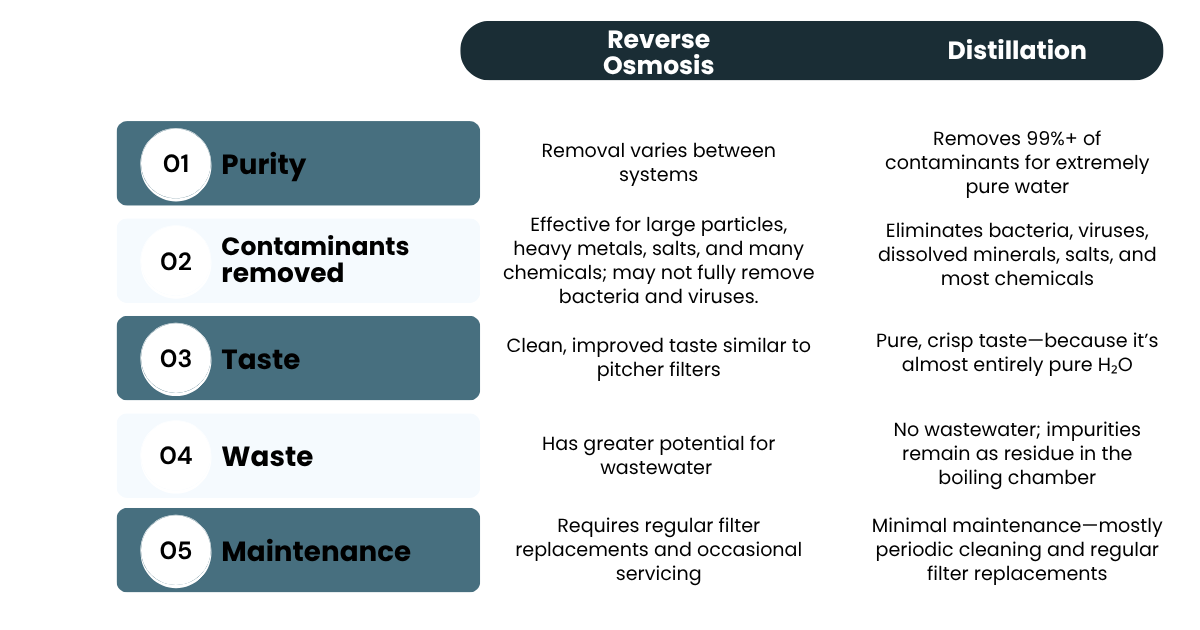
Reverse osmosis excels at removing a broad spectrum of pollutants, making it ideal for treating complex wastewater from factories, hospitals, and treatment plants. Its multi-barrier approach ensures high-purity output suitable for reuse or safe discharge.
Bacteria, Viruses, and Microbial Pathogens
RO membranes physically block microorganisms based on size exclusion. Studies show RO systems achieve:
– 99.9% rejection of bacteria (e.g., E. coli, Legionella)
– >90% removal of viruses (e.g., norovirus, hepatitis A)
– Near-total elimination of protozoa like Cryptosporidium and Giardia
This makes RO critical for producing pathogen-free water in dialysis units, food processing, and potable reuse projects.
Dissolved Solids, Salts, and Heavy Metals
One of RO’s greatest strengths is its ability to remove inorganic contaminants:
– Total Dissolved Solids (TDS): Reduces TDS by 90–99%, turning brackish or saline water into usable freshwater.
– Heavy Metals: Effectively removes lead, cadmium, chromium, arsenic, mercury, and nickel, common in mining, plating, and chemical industry effluents.
– Nitrates and Phosphates: Removes nutrients that cause eutrophication in rivers and lakes.
This capability allows industries to meet strict discharge limits and recycle water without scaling equipment.
Organic Compounds and Industrial Pollutants
RO also removes many organic contaminants, especially when combined with activated carbon pre-treatment:
– Pesticides and herbicides
– Pharmaceuticals and endocrine disruptors
– Industrial solvents and dyes (from textile wastewater)
– Oil and grease (when emulsified)
However, some low-molecular-weight organics (like methanol or formaldehyde) may pass through unless additional polishing steps are used.
Why Pre-Treatment Is Critical for RO Performance
Even the best RO membrane will fail quickly without proper pre-treatment. Wastewater is harsh, filled with particles, chlorine, hardness ions, and organics that can foul, scale, or degrade membranes. Pre-treatment extends membrane life, reduces cleaning frequency, and ensures consistent performance.
Remove Sediment and Particulates First
Suspended solids like silt, rust, and organic debris can clog membrane channels and create breeding grounds for biofouling. A typical pre-filtration sequence includes:
1. Multimedia filters (sand, anthracite) for larger particles
2. Cartridge filters (5-micron or less) as final polish before the RO unit
Without these, flow channels become blocked, reducing water output and increasing pressure drop.
Eliminate Chlorine to Protect Membranes
Chlorine is commonly used to disinfect feed water, but it destroys polyamide and TFC membranes. Even low levels (0.1 ppm) cause irreversible oxidation over time.
Solution: Use activated carbon filtration or sodium bisulfite injection to dechlorinate water before it reaches the RO system.
CTA membranes tolerate chlorine better but offer lower rejection rates, so most industrial systems opt for TFC with dechlorination.
Soften Water to Prevent Scaling
Hardness ions like calcium and magnesium precipitate under high pressure and low flow, forming scale on the membrane surface. Common scales include:
– Calcium carbonate (CaCO₃)
– Calcium sulfate (CaSO₄)
– Barium sulfate (BaSO₄)
Scale reduces permeability, increases energy use, and shortens membrane life.
Prevention methods:
– Ion exchange softeners to remove Ca²⁺ and Mg²⁺
– Acid injection to lower pH and keep minerals soluble
– Antiscalant dosing to inhibit crystal formation
A complete cation/anion analysis of feed water should guide pre-treatment design.
How RO Systems Are Designed for Wastewater Applications
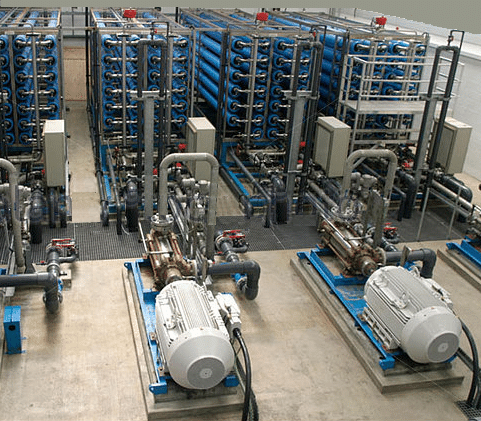
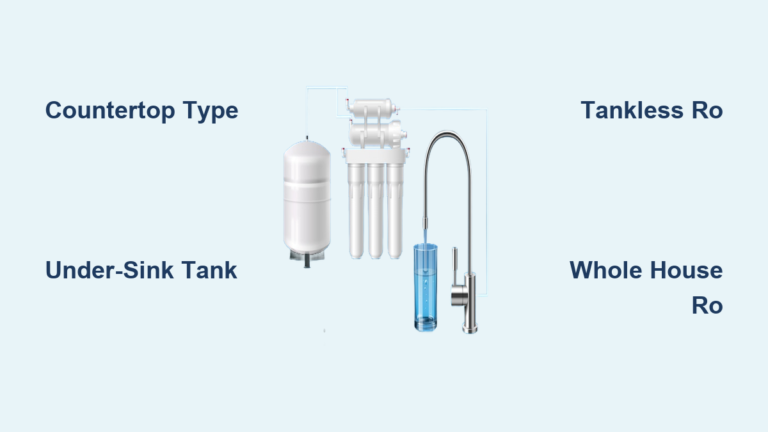
Industrial and municipal RO systems aren’t one-size-fits-all. They’re engineered based on feed water quality, required flow rate, and end-use. Most installations follow a multi-stage architecture that combines filtration, separation, and polishing.
Standard 3–5 Stage RO Configurations
Typical wastewater RO systems include:
1. Sediment pre-filter (5–10 micron)
2. Activated carbon filter (removes chlorine, organics)
3. Water softener (if hardness >1 grain/gallon)
4. High-pressure pump and RO membrane
5. Post-filter or deionization (for ultra-pure needs)
More advanced setups add:
– Ultrafiltration (UF) as secondary pre-treatment
– Second-pass RO for higher purity
– Continuous electrodeionization (CEDI) instead of resin-based DI
Modular designs allow expansion as water demand grows.
Small vs Large Industrial RO Capacities
RO systems scale from compact units to full-scale treatment plants:
| System Size | Daily Capacity | Typical Use Cases |
|---|---|---|
| Small | 275–3,000 gal/day | Labs, small manufacturing, commercial buildings |
| Medium | 3,000–11,400 gal/day | Food processing, mid-sized factories |
| Large | 18,000–270,000 gal/day | Municipal reuse, power plants, mining operations |
Larger systems often incorporate energy recovery devices to cut power costs.
Post-Treatment for Ultra-Pure Water Needs
For applications requiring near-zero conductivity, RO permeate undergoes further polishing:
– Deionization (DI): Removes residual ions using ion-exchange resins
– UV disinfection: Ensures final microbial kill
– Remineralization: Adds back beneficial minerals for potable reuse
In pharmaceutical and semiconductor industries, RO + DI produces water with conductivity below 1 µS/cm.
Where Reverse Osmosis Is Used in Wastewater Treatment
RO isn’t limited to one sector. It’s a versatile tool across industries facing water scarcity, regulatory pressure, or high disposal costs. From reclaiming process water to producing drinking-quality reuse, RO delivers measurable value.
Industrial Wastewater Reuse in Manufacturing
Factories use RO to recycle water back into operations, reducing freshwater intake and discharge fees. Key sectors include:
– Metal finishing: Recovers rinse water and removes heavy metals
– Chemical processing: Treats acidic or alkaline effluents for reuse
– Pharmaceuticals: Produces purified water for drug formulation
– Textiles: Reclaims dyebath water and reduces color discharge
One automotive plant reduced water purchases by 70% after installing RO for paint booth rinse water recycling.
Food and Beverage Processing Applications
The food industry generates high-organic wastewater. RO helps:
– Concentrate whey in dairy plants
– Recover sugars and proteins from process streams
– Produce high-purity rinse water for packaging lines
– Enable water reuse in cleaning (CIP) cycles
Whey concentration via RO reduces volume by up to 50% before evaporation, cutting energy costs.
Municipal Sewage Reclamation and Potable Reuse
Cities use RO as part of advanced purification trains to turn sewage into safe drinking water, a process known as Indirect Potable Reuse (IPR) or Direct Potable Reuse (DPR).
Steps typically include:
1. Secondary treatment
2. Membrane bioreactor (MBR)
3. Reverse osmosis
4. UV/H₂O₂ advanced oxidation
5. Disinfection and distribution
Orange County, CA’s Groundwater Replenishment System produces 100 million gallons/day of purified water using RO, preventing seawater intrusion.
Managing RO Waste: The Brine Stream Challenge

For every gallon of purified water, RO systems produce 1–4 gallons of concentrated brine, depending on recovery rate and feed water quality. This waste stream contains all rejected contaminants and poses environmental and disposal challenges.
Why Brine Has High Salinity and Contaminant Load
The concentrate stream accumulates:
– Dissolved salts (Na⁺, Cl⁻, SO₄²⁻)
– Concentrated heavy metals
– Organic residues
– Scaling ions (Ca²⁺, Ba²⁺)
Salinity can exceed seawater levels, making direct discharge harmful to aquatic life.
Disposal Options and Regulatory Limits
Common brine management methods:
– Sewer discharge: Only if local limits allow (e.g., <2,000 ppm TDS)
– Deep well injection: Used in arid regions with suitable geology
– Evaporation ponds: Slow and climate-dependent
– Zero Liquid Discharge (ZLD): Advanced systems that crystallize brine into solid waste
Regulations vary widely. In the EU and US, discharge permits strictly limit TDS, pH, and heavy metals.
Innovations in Brine Minimization and Reuse
To reduce environmental impact, new approaches include:
– High-recovery RO: Operates at 85–90% recovery vs. standard 50–75%
– Brine concentrators: Use thermal or membrane processes to further reduce volume
– Resource recovery: Extract lithium, magnesium, or gypsum from brine
– Forward osmosis hybrid systems: Improve efficiency and lower energy use
ZLD systems are gaining traction in mining and power generation, where water scarcity and regulatory scrutiny are highest.
Energy Use and Maintenance: Keeping RO Systems Running
RO is effective, but not without operational costs. Energy consumption and maintenance are two major factors that influence long-term viability.
Why RO Requires High Energy Input
Pumping water at 200–1,000 psi consumes significant electricity. In large plants, RO can account for 30–50% of total energy use.
Energy use per 1,000 gallons:
– Standard RO: 3–10 kWh
– Seawater RO: 10–15 kWh
– With energy recovery: 1.5–6 kWh
Solutions to reduce energy:
– Energy recovery devices (ERDs): Capture pressure from concentrate stream and reuse it
– Variable frequency drives (VFDs): Match pump speed to demand
– Low-energy membranes: Newer TFC variants require less pressure
ERDs can cut energy use by 50%, making them essential for large-scale systems.
Prevent Membrane Fouling and Scaling
Fouling and scaling are the top causes of RO downtime.
Fouling types:
– Organic fouling: From oils, humics, or biofilms
– Biological fouling: Bacterial growth on membrane surface
– Colloidal fouling: Fine suspended particles
Scaling signs:
– Falling permeate flow
– Rising pressure drop
– Increased energy use
Prevention:
– Robust pre-treatment
– Regular cleaning (CIP, Clean-in-Place)
– Use of antiscalants and biocides
Clean membranes every 3–6 months, or more often in tough conditions.
Self-Cleaning Systems Reduce Manual Labor
Modern industrial RO units feature:
– Automatic flush cycles after shutdown
– CIP skids with chemical dosing and recirculation
– Sensors for pressure, flow, and conductivity
– PLC controls for real-time monitoring
These features minimize manual intervention and help maintain consistent performance.
Economic and Environmental Benefits of RO
Despite upfront costs, reverse osmosis delivers strong ROI through savings, compliance, and sustainability.
Cut Water and Disposal Costs
Businesses save money by:
– Reducing freshwater purchases by 50–90%
– Lowering discharge fees (often charged per gallon)
– Avoiding trucking costs for off-site waste disposal
A food plant in California saved $180,000/year after installing RO for process water reuse.
Achieve Regulatory Compliance and Avoid Fines
Environmental agencies impose strict limits on wastewater discharge. Non-compliance risks massive penalties.
Example: Southern Water (UK) was fined £126 million for illegal sewage dumping.
RO ensures effluent meets standards for:
– TDS
– Heavy metals
– BOD/COD
– Nutrients (N, P)
This protects both the environment and corporate reputation.
Support Sustainability Goals
RO aligns with ESG (Environmental, Social, Governance) targets by:
– Reducing freshwater extraction
– Lowering carbon footprint (less transport)
– Enabling circular water use
– Eliminating chemical treatment risks
Many companies now report water reuse rates as part of sustainability disclosures.
Future Trends: Smarter, Greener RO Systems
RO technology continues to evolve, driven by the need for efficiency, lower costs, and zero waste.
Low-Energy Membranes and Hybrid Systems
Next-gen membranes require less pressure, reducing energy needs. Hybrid systems combine RO with:
– Ultrafiltration (UF) for better pre-treatment
– Nanofiltration (NF) for selective ion removal
– Electrodialysis (ED) for brackish water
These combinations optimize performance for specific waste streams.
Zero Liquid Discharge (ZLD) Adoption
ZLD systems recover >95% of wastewater, leaving only solid waste. Though capital-intensive, ZLD is becoming mandatory in water-stressed regions like India and China.
RO is often the core step in ZLD trains, followed by evaporators and crystallizers.
Smart Monitoring and Predictive Maintenance
IoT-enabled RO systems now use:
– Real-time sensors for pH, TDS, pressure
– AI-driven analytics to predict fouling
– Remote alerts for maintenance
These tools extend membrane life and reduce unplanned downtime.
Frequently Asked Questions About Reverse Osmosis Wastewater Treatment
What percentage of contaminants does reverse osmosis remove from wastewater?
Reverse osmosis removes up to 99.9% of bacteria, 90–99% of total dissolved solids, and the majority of viruses, heavy metals, and organic compounds. Its effectiveness depends on membrane type, feed water quality, and system pressure.
Why is pre-treatment necessary before reverse osmosis?
Pre-treatment protects RO membranes from fouling, scaling, and chemical damage. It removes sediment, chlorine, and hardness ions that would otherwise shorten membrane life and reduce system performance.
How much brine does an RO system produce?
For every gallon of purified water, RO systems typically produce 1–4 gallons of concentrated brine. High-recovery systems can reduce this ratio by operating at 85–90% recovery instead of the standard 50–75%.
Is reverse osmosis energy-intensive?
Yes. RO requires high pressure (150–1,000 psi) to overcome osmotic pressure, consuming 3–15 kWh per 1,000 gallons. Energy recovery devices can cut consumption by up to 50%.
Can RO-treated wastewater be reused for drinking?
Yes. With advanced treatment trains including RO, UV, and oxidation, municipal wastewater can be purified to drinking-water standards through Indirect or Direct Potable Reuse programs.
What industries benefit most from RO wastewater treatment?
Industries with high water demand and strict discharge regulations benefit most, including food and beverage, pharmaceuticals, metal finishing, textiles, mining, and power generation.
Key Takeaways for Reverse Osmosis Wastewater Treatment
Reverse osmosis wastewater treatment transforms contaminated water into a reusable resource while helping industries meet strict environmental regulations. The technology removes up to 99.9% of bacteria, the majority of dissolved solids, heavy metals, and organic pollutants, making it one of the most effective purification methods available.
Success with RO depends on three critical factors: proper pre-treatment to protect membranes, consistent maintenance to prevent fouling and scaling, and responsible brine management to minimize environmental impact. Energy recovery devices, low-energy membranes, and smart monitoring systems are making RO more efficient and cost-effective than ever before.
For businesses and municipalities considering RO, the next step is conducting a full feed water analysis and consulting with a treatment specialist to design a system that matches your flow rate, contaminant profile, and reuse goals. With the right setup, reverse osmosis wastewater treatment becomes not just a compliance tool, but a strategic asset for long-term water security and sustainability.