How Gravity Water Purifiers Work: A Simple Guide
Imagine waking up during a power outage, only to realize your electric water purifier is useless. Or you’re camping in the wilderness, miles from clean water. This is where a gravity-based water purifier steps in, silent, reliable, and completely independent of electricity. It’s not a new invention; it’s a return to the roots of water purification, refined for modern needs. These systems use nothing more than the pull of gravity to filter water through advanced media, removing harmful contaminants while preserving healthy minerals. From urban homes to remote off-grid cabins, gravity purifiers are becoming a go-to solution for safe, chemical-free drinking water.
In this guide, you’ll discover exactly how they work, what they can and can’t remove, and why they might be the smartest choice for your water needs. You’ll also learn about different system types, maintenance requirements, and how to pick the right model for your situation.
Core Mechanism Explained

How Gravity Powers the Filtration
A gravity-based water purifier operates on a simple but powerful principle: water flows downward naturally due to gravity. The system consists of two chambers stacked vertically. You pour untreated water into the upper chamber, and gravity pulls it through one or more filter elements into the lower chamber, where clean water collects. No pumps, no electricity, no pressure, just physics. As water travels through microscopic pores in ceramic, carbon, or ultrafiltration membranes, impurities like bacteria, sediment, and chemicals are trapped. The purified water then exits through a spigot at the bottom, ready to drink.
Two-Chamber System Design
The foundation of every gravity purifier is its dual-tank structure:
- Upper Chamber (Reservoir): Holds the untreated water and contains the filter cartridges or candles.
- Lower Chamber (Collection Tank): Stores the filtered water and typically includes a faucet for dispensing.
This design ensures complete separation between dirty and clean water, preventing recontamination. The vertical layout maximizes gravitational force. The higher the water level in the top chamber, the stronger the flow through the filters. However, because the system relies solely on gravity, the flow rate is slower than pressurized systems, trading speed for reliability and energy independence.
For gravity flow to function, air must escape the lower chamber as water enters. If the system is completely sealed, air pressure builds up and stops the flow. Some DIY designs recommend drilling a small 1–2 mm hole near the top of the upper pot to release air pressure if the lid fit is too tight.
Flow Rate and Contact Time Dynamics
Unlike fast-flowing RO systems, gravity purifiers move water slowly, often taking about 7 hours to filter 4 to 7 gallons. But this slowness is intentional. The extended contact time between water and filtration media allows for deeper contaminant removal, especially for chemical adsorption. Activated carbon needs time to absorb chlorine and pesticides effectively, and ceramic filters perform better when water isn’t forced through too quickly. Some users speed things up by installing multiple filters in parallel, doubling or quadrupling output. However, as filters clog over time, flow slows, signaling the need for cleaning or replacement.
Key Filtration Stages and Media Types
Multi-Stage Contaminant Removal Process
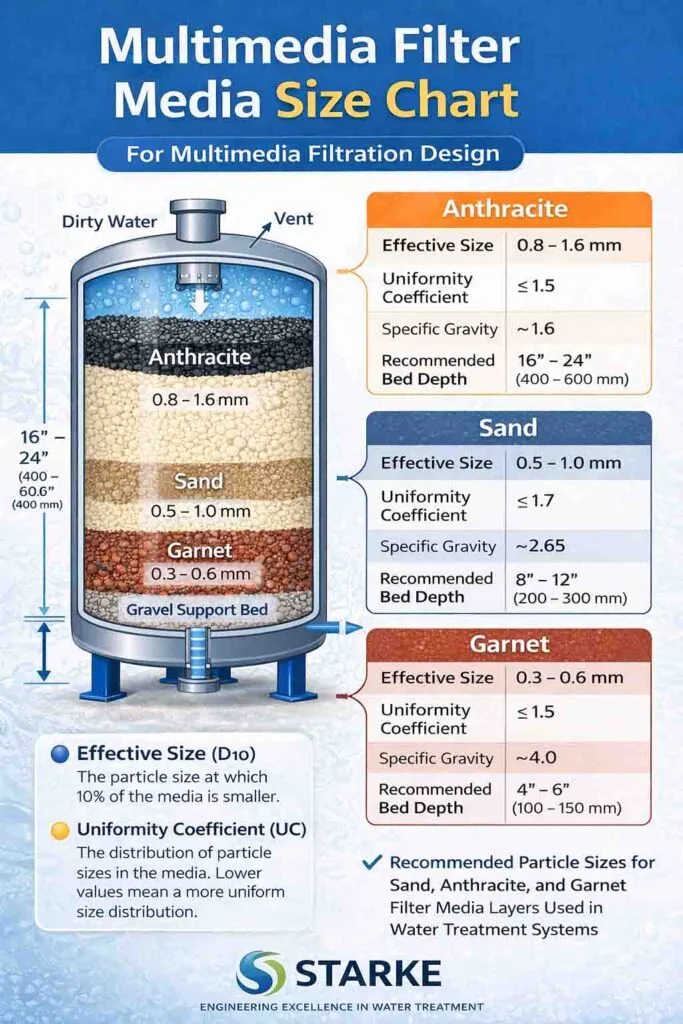
Most gravity purifiers use a layered approach to filtration, combining different media types to tackle various contaminants. Each stage serves a specific purpose, building on the previous one to deliver clean, safe water.
Pre-Filter: Sediment and Particle Removal
The first line of defense is the pre-filter, which captures large particles like sand, rust, silt, and microplastics. This stage protects the finer filters downstream from clogging too quickly. In high-turbidity water like from rivers or wells, users often pre-filter using a cloth or cotton layers before pouring it into the upper chamber. In DIY setups, 5 to 10 layers of cotton t-shirts work well for highly turbid water sources.
Activated Carbon: Chemical and Odor Reduction
Next, water passes through activated carbon, typically made from coconut shells or coal. This media has a massive surface area filled with tiny pores that trap organic chemicals through adsorption. It effectively removes:
- Chlorine and chloramines (common in tap water)
- Pesticides and herbicides
- Volatile Organic Compounds (VOCs)
- Bad tastes and odors
High-quality carbon filters can reduce chlorine by up to 98.95%, making water taste fresh and clean. They also capture dyes, evident in the popular red food coloring test, where a few drops of dye disappear after filtration.
Ceramic Filter: Bacteria and Cyst Barrier
Ceramic filters are the workhorses of biological protection. Made from porous clay with pore sizes between 0.1 and 0.5 microns, they physically block bacteria, protozoa, and cysts like Giardia and Cryptosporidium. Many ceramic elements are impregnated with silver to inhibit bacterial growth within the filter itself. While highly effective, standard ceramic filters do not remove viruses unless specifically designed for it.
Ultrafiltration Membrane: Enhanced Microbial Protection
Some advanced gravity systems use ultrafiltration (UF) membranes with 0.1-micron pores. These provide an extra layer of defense against bacteria and cysts, offering performance similar to high-end portable filters. UF membranes allow water and essential minerals to pass while blocking nearly all microbiological threats, except viruses, which require additional treatment.
Specialized Media: Heavy Metals and Fluoride
Certain models include additional filter stages to target specific contaminants:
- Heavy Metals: Filters with specialized media can remove over 99% of lead, mercury, and arsenic.
- Fluoride: Standard carbon doesn’t remove fluoride, but some systems use activated alumina or other blends to reduce it by up to 98%.
Always check the manufacturer’s claims and look for lab testing or NSF certification to verify these capabilities.
Contaminant Removal Capabilities
Biological Threats: Bacteria, Cysts, and Viruses
Gravity purifiers excel at eliminating many biological contaminants:
- Bacteria: High-efficiency filters like Black Berkey claim 99.9999% removal.
- Protozoa and Cysts: Easily blocked by ceramic and UF membranes.
- Viruses: A major limitation. Most standard gravity filters do not remove viruses. Only specific models like Berkey with optional filters claim virus reduction of up to 99.999%. In areas with suspected viral contamination, such as downstream from sewage, boiling or chemical disinfection may still be necessary.
Chemical and Organic Pollutants
Activated carbon is key for chemical removal:
- Chlorine and Chloramines: Reduced significantly, improving taste.
- Pesticides and Herbicides: Adsorbed by carbon media.
- VOCs and PFOA: Captured effectively in high-performance filters.
- Microplastics: Removed through mechanical filtration in pre-filters and carbon stages.
However, effectiveness depends on contact time and carbon quality. Old or saturated filters lose their ability to adsorb chemicals.
Heavy Metals and Dissolved Solids
- Heavy Metals: Systems with proprietary blends can remove dangerous levels of lead, cadmium, and mercury.
- Total Dissolved Solids (TDS): Gravity filters do not reduce TDS. They don’t desalinate water or remove dissolved salts, making them unsuitable for brackish or seawater. If your tap water has very high TDS, consider RO or distillation instead.
System Types and Design Variations
Countertop Gravity Filters
These are the most common household models, featuring two stacked containers made of stainless steel, BPA-free plastic, or ceramic. Capacities range from 1.5 to 2.25 gallons, ideal for families. They sit on a countertop or stand, with a spigot for easy access.
Stainless Steel vs. Plastic Models
- Stainless Steel (e.g., Waterdrop King Tank, Berkey): Durable, rust-resistant, and long-lasting. Food-grade 304 steel is the gold standard.
- Plastic Models: Lighter and cheaper, but must be BPA-free to ensure safety. May degrade over time if exposed to sunlight.
High-end models offer seamless designs to prevent bacterial buildup in joints.
Included Accessories and Setup
Some brands include stands, spigots, and wrenches; others sell them separately. For example, the Big Berkey requires additional purchases for a complete setup (~$40+), while the Waterdrop King Tank comes fully equipped. Always calculate the total system cost when comparing options.
Gravity Bag Filters for Outdoor Use
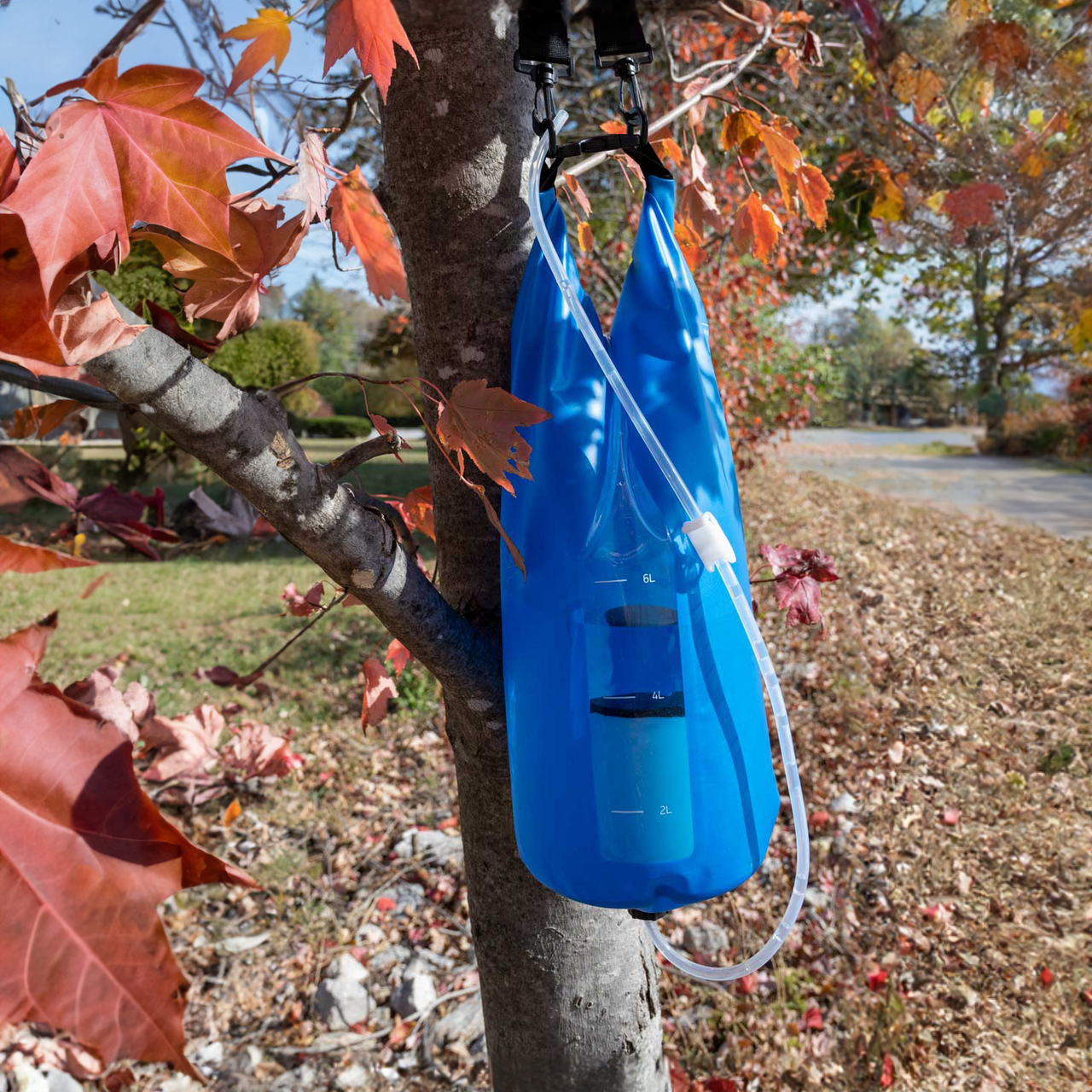
Designed for hikers, campers, and travelers, gravity bags are flexible, collapsible systems made of durable silicone or plastic. They hang from a tree or tent pole, with a hose leading to the filter and clean water collection bag.
Portability and Field Use
- Lightweight and packable, fits in a backpack.
- Ideal for filtering river or lake water.
- Requires pre-filtering if water is muddy.
- Must be cleaned and dried after each trip to prevent mold.
These are perfect for emergency kits or outdoor adventures where portability is key.
DIY and Bulk Storage Systems
For budget-conscious or self-reliant users, DIY gravity filters can be built using:
- Two 5-gallon food-grade buckets
- Drilled holes and bulk filter cartridges
- Tubing and spigots
Cost-Effective Home Solutions
- Total cost under $30.
- Scalable to 10+ gallons.
- Customizable with multiple filters to boost flow.
- Can use layered cotton shirts as pre-filters for turbid water.
These systems are excellent for emergency preparedness or rural areas with limited access to commercial purifiers.
Performance and Real-World Testing
Filtration Speed and Efficiency
Gravity filters are slow by design:
- A typical dual-filter system filters 4–7 gallons in about 7 hours.
- Flow rate decreases as filters clog.
Flow Optimization Tips
- Install multiple filters to increase output.
- Clean ceramic elements regularly with a scrubbing pad.
- Avoid overfilling; leave space for air to escape.
If filtration takes 3–4 times longer than usual, it’s time to replace the filters.
Red Food Coloring Test
A simple real-world test: add 3–4 drops of red food coloring to the top chamber. A high-performance filter should remove the dye completely within 20–30 minutes, leaving clear water. This demonstrates effective organic contaminant removal.
Lab Testing and Certification
Look for:
- NSF Certification: Independent verification of contaminant removal claims.
- Lab Reports: Third-party testing for bacteria, viruses, and heavy metals.
- Manufacturer Claims vs. Reality: Some brands cite internal tests; verify with credible sources.
Berkey, for instance, claims lab-tested results up to 99.9999% bacteria removal, though full NSF certification varies by component.
Maintenance and Longevity
Cleaning and Filter Care
Regular maintenance ensures peak performance:
- Deep Clean Every 2–3 Months: Empty tanks, wash with mild soap, rinse thoroughly.
- Hard Water Areas: Clean more frequently to prevent limescale buildup.
- Ceramic Filters: Can be scrubbed with a green pad when flow slows.
- Carbon Filters: Not cleanable; must be replaced.
Never use hot water. It can damage seals and carbon media.
Filter Replacement Schedule
- Lifespan: 3,000 to 6,000 gallons per set.
- Duration: 6 to 12 months, depending on usage and water quality.
- Replacement Signs:
- Noticeable drop in flow rate
- Change in water taste or odor
- Visible discoloration of filters
Keep spare filters on hand, especially in emergency scenarios.
Long-Term Durability
- Housing: Stainless steel lasts decades; plastic may degrade.
- Seals and Gaskets: Check periodically for cracks or leaks.
- Storage: If unused for weeks, dry out the system to prevent mold.
With proper care, the body of the purifier can outlast multiple filter sets.
Advantages and Limitations
Why Choose a Gravity Purifier?
Energy Independence and Reliability
- Works during power outages.
- No cords, no noise, no maintenance beyond filter changes.
- Perfect for off-grid homes, cabins, and emergencies.
Mineral Retention and Taste
Unlike RO systems that strip all minerals, gravity filters preserve beneficial calcium, magnesium, and potassium, resulting in better-tasting, healthier water.
Eco-Friendly and Cost-Effective
- Reduces plastic bottle waste.
- Lower long-term cost than bottled water.
- DIY versions cost under $30 to build.
Silent and Simple Operation
- No moving parts.
- Easy to use; just pour and wait.
- Safe for children and elderly users.
Key Limitations to Consider
Slow Filtration Speed
Not ideal for instant, high-volume needs. Requires planning and storage of filtered water.
Manual Refilling Required
You must refill the top chamber by hand, which can be cumbersome for large households.
Space and Design Constraints
Tall, vertical footprint takes up counter space. Not suitable for under-sink installation.
No TDS Reduction
Does not soften hard water or remove dissolved salts. If your water has high TDS, consider pairing with another system.
Maintenance Dependency
Neglected filters can become breeding grounds for bacteria. Regular cleaning and timely replacement are essential.
Choosing the Right System

Match to Your Water Source
Municipal Tap Water
Ideal use case. Removes chlorine, improves taste, and filters out pipe contaminants like lead. A standard carbon-ceramic combo is sufficient.
Well Water
Test first. If bacteria are present but TDS is low, a gravity filter works well. High iron, manganese, or hardness may require pre-treatment.
Natural Water Sources (Camping, Emergencies)
Use a filter rated for viruses and bacteria. Pre-filter muddy water with a cloth. Boil if viral risk is high and your filter isn’t virus-rated.
Based on Household Size
Small Families or Couples
A 1.5–2 gallon countertop unit is enough.
Large Families
Opt for 2.25+ gallons with multiple filters, or a DIY 5–10 gallon bucket system.
Renters and Travelers
Gravity filters require no installation and are easy to move and use anywhere.
Emergency Preparedness Strategy
- Home Backup: Large-capacity countertop model.
- Evacuation Kit: Portable gravity bag.
- Long-Term Storage: Stockpile extra filters and store them dry.
Frequently Asked Questions About Gravity-Based Water Purifiers
Do gravity-based water purifiers remove viruses?
Most standard gravity filters do not remove viruses. Only specific models like Black Berkey claim virus reduction of up to 99.999%. In areas with suspected viral contamination, boiling or chemical disinfection may be necessary as an additional step.
How long does it take to filter water with a gravity purifier?
A typical dual-filter system takes about 7 hours to filter 4 to 7 gallons. The slow flow rate is intentional, as extended contact time allows for more thorough removal of chemicals and particulates.
Can a gravity water purifier remove fluoride?
Standard carbon filters do not remove fluoride effectively. However, some specialized systems use activated alumina or proprietary blends that claim up to 98% fluoride reduction. Check the manufacturer’s specifications and certifications before purchasing.
Are gravity-based purifiers better than RO systems?
Gravity purifiers are better for energy independence, mineral retention, and simplicity. RO systems are better for removing Total Dissolved Solids (TDS) and dissolved salts. Your choice depends on your water quality and priorities.
How often should I replace the filters?
Filters typically last 6 to 12 months or 3,000 to 6,000 gallons, depending on usage and water quality. Replace them when you notice a significant slowdown in flow rate (3–4 times longer than usual) or a change in water taste or odor.
Can I build my own gravity water purifier?
Yes, DIY gravity filters can be built for under $30 using food-grade buckets, bulk filter cartridges, tubing, and spigots. You can customize the system with multiple filters to boost flow rate and use cotton layers for pre-filtration of turbid water.
Key Takeaways for Understanding Gravity-Based Water Purifiers
Gravity-based water purifiers offer a proven, sustainable way to access clean water anytime, anywhere. They work by using gravity to pull water through multi-stage filtration media, removing bacteria, cysts, chlorine, heavy metals, and microplastics while preserving beneficial minerals. They’re not the fastest option, but they are among the most reliable, especially during power outages or in off-grid settings.
For everyday use, a stainless steel countertop model delivers excellent performance. For adventurers, a gravity bag is indispensable. And for those on a budget, a DIY system proves that clean water doesn’t have to be expensive.
Bottom line: If you value energy independence, mineral-rich water, and simplicity, a gravity purifier is a smart investment. Start by testing your water source, choose a system that matches your household size and needs, and commit to regular maintenance. With the right setup, you’ll have safe, great-tasting water powered by nothing but gravity.