How Copper Purifies Water: A Simple Guide
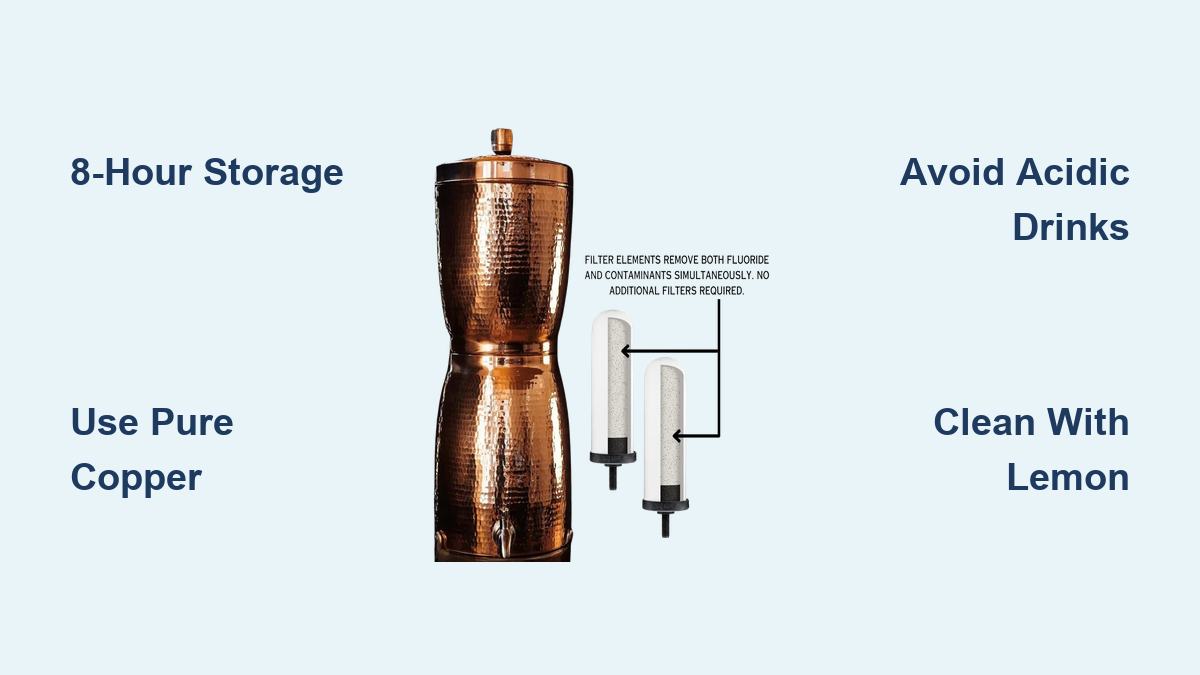
You’ve probably seen copper water bottles trending online or heard grandparents swear by storing water in copper pots overnight. But how does copper purify water without filters, chemicals, or electricity? The answer is a fascinating blend of ancient tradition and modern microbiology that more people are turning to as they seek chemical-free alternatives.
This guide breaks down the exact science behind copper’s water-purifying power, how long the process actually takes, which pathogens it eliminates, and how to use copper vessels safely. You’ll learn why a simple metal can outperform some modern disinfectants, and what ancient Ayurvedic practitioners understood centuries before germ theory existed.
The Oligodynamic Effect: Copper’s Core Purification Mechanism
%20Nanoparticles%20Antibacterial%20Mechanism%20-%20Esco%20Scientific-min.png)
The scientific foundation behind copper water purification is called the oligodynamic effect, a term coined in 1893 by Swiss botanist Karl Wilhelm Von Nageli. This phenomenon describes how trace amounts of certain heavy metals, especially copper, silver, and zinc, can destroy microorganisms at concentrations far below what would be toxic to humans.
How Copper Ions Destroy Microbes on Contact
When water sits in a copper container, a natural chemical process begins. Copper ions (Cu²⁺) slowly leach from the metal surface into the water. These positively charged ions are attracted to the negatively charged cell walls of bacteria, fungi, and other microbes. Once they make contact, a cascade of destruction unfolds:
- Cell wall rupture: Copper ions damage the structural integrity of microbial membranes
- Metabolic disruption: The ions interfere with energy production inside the cell
- DNA and protein binding: Copper binds to genetic material, blocking replication
This “contact killing” mechanism means microbes don’t need to ingest anything; they simply die when they touch copper ions. Research confirms that even low concentrations of copper ions, well below safety thresholds, can eliminate a broad spectrum of pathogens.
The Hidden Power of Monovalent Copper Ions (Cu⁺)
While standard leaching produces divalent copper (Cu²⁺), recent discoveries reveal that monovalent copper ions (Cu⁺) are significantly more potent against bacteria. What makes this especially interesting is that Cu⁺ forms more readily when water contains natural organic matter like polyphenols from plant leaves or lignin from wood.
Adding a few plant leaves to water stored in a copper pot dramatically boosts its antibacterial power. This synergy between copper and organic compounds creates a highly effective, low-cost disinfection method ideal for rural or off-grid settings.
Which Pathogens Does Copper Eliminate?
Copper acts as a broad-spectrum disinfectant, targeting multiple categories of harmful microorganisms. Scientific studies have validated its effectiveness against some of the most dangerous waterborne pathogens.
Disease-Causing Bacteria Neutralized by Copper
Research confirms copper’s efficacy against major bacterial threats:
- Escherichia coli (E. coli) – Causes severe diarrhea and food poisoning
- Salmonella typhimurium – Leads to typhoid fever and gastroenteritis
- Vibrio cholerae – Responsible for cholera outbreaks
- Shigella flexneri – Causes dysentery and bloody diarrhea
In controlled experiments, water contaminated with these bacteria showed complete elimination after 8 hours of storage in copper pots. Even at the 4-hour mark, microbial loads dropped significantly.
Beyond Bacteria: Fungi, Algae, Molds, and Viruses
Copper’s antimicrobial action extends well beyond bacteria:
- Fungi: Including Candida species that cause infections
- Algae: Prevents growth in stagnant water and pool systems
- Molds: Inhibits spore development on surfaces
- Viruses: Copper surfaces are known to degrade viral particles like norovirus and influenza
This broad activity makes copper valuable for both drinking water purification and surface sanitation in hospitals, kitchens, and public spaces.
How Long Does Copper Take to Purify Water?

Contact time is the most critical factor in copper water purification. Filling a copper bottle and drinking immediately won’t provide sterilization benefits because the antimicrobial effect requires sustained exposure.
Minimum vs. Optimal Storage Times
| Time | Effect |
|---|---|
| 4 hours | Significant reduction in microbial load |
| 8 hours | Complete elimination of most tested bacteria |
| 16–24 hours | Optimal for resistant strains and maximum safety |
| 48 hours | Recommended in high-risk environments |
Why Overnight Storage Works Best
Storing water in a copper vessel overnight (8–12 hours) aligns perfectly with the time needed for full disinfection. This passive method fits easily into daily routines: fill the pot before bed, drink clean water in the morning.
Important note: Using a copper water bottle throughout the day, refilling and sipping every few minutes, does not allow enough contact time for purification. For true disinfection, static storage is essential.
Is Copper Water Safe to Drink Daily?
Concerns about copper toxicity are common, but scientific evidence shows that copper water is safe when used correctly.
Copper Levels Stay Within WHO Safety Limits
The World Health Organization sets the maximum safe copper concentration in drinking water at 2 mg per liter (0.47 mg per cup). Studies measuring copper levels after 16 hours of storage found concentrations well below this threshold, typically between 0.1 to 0.5 mg/L.
Daily Intake Recommendations
To stay within safe limits:
- Limit copper water consumption to 3 cups (710 mL) per day
- Do not use copper vessels for continuous, all-day hydration
- Rotate with glass or stainless steel containers
This approach ensures you gain the benefits without exceeding the 10 mg/day tolerable upper intake level.
Who Should Avoid Copper Water?
Certain individuals should exercise caution:
- People with Wilson’s disease (a genetic disorder causing copper buildup)
- Those with liver or kidney disease, as these organs regulate copper excretion
- Anyone already taking copper supplements
Consulting a healthcare provider is recommended for anyone with underlying health conditions.
Common Myths About Copper Water Debunked
Myth: Green Patina Means the Vessel Is Toxic
Fact: The green film that forms on copper is natural oxidation, not contamination. It results from copper reacting with oxygen and moisture. While some prefer to clean it off for appearance, patina is not harmful and does not affect water safety.
Myth: All Copper Vessels Work the Same
Fact: Copper pots and jars are far more effective for purification than narrow-necked bottles. The larger surface area allows more ion release. Bottles are better for hydration than disinfection.
Myth: Copper Replaces All Water Filters
Fact: Copper kills microbes but does not remove physical impurities like dirt, heavy metals, or chemicals. It should be used alongside filtration when water source quality is unknown.
How to Use Copper Vessels Safely and Effectively
Choosing the Right Container
- Use pure copper pots or wide-mouth jars for water storage
- Avoid lined or alloyed containers like brass or bronze
- Ensure the interior is 100% copper, not just plated
Proper Storage Protocol
- Fill the vessel with clean, filtered water
- Let it sit at room temperature for 8–24 hours
- Pour into a glass and drink
- Refill and repeat daily
Do not store water for more than 48 hours, as copper levels may gradually increase.
Never Use Copper for Acidic Liquids
Acidic foods and drinks like lemon water, tomato juice, vinegar, and wine accelerate copper leaching and can lead to unsafe concentrations. Copper vessels should only be used for neutral pH water.
How to Clean and Maintain Copper Vessels
Natural Cleaning Method
Ingredients:
– 1 tablespoon salt
– 1 tablespoon lemon juice or vinegar
Steps:
1. Mix salt and lemon juice into a paste
2. Rub gently over the interior and exterior
3. Rinse thoroughly with water
4. Dry with a soft cloth
This removes tarnish and restores shine without damaging the metal.
What to Avoid
- Dishwashers: Harsh detergents corrode copper
- Abrasive scrubbers: Scratch the surface
- Chemical cleaners: May leave residues
Clean every 1–2 weeks, or as needed when tarnish builds up.
Copper vs. Other Water Purification Methods
Copper vs. Chlorine
| Feature | Copper | Chlorine |
|---|---|---|
| Chemical use | None | Yes |
| Residual effect | Yes (ions remain active) | Yes |
| Oxidizes organics? | No | Yes |
| Skin/eye irritation | None | Common |
| Odor | None | Strong smell |
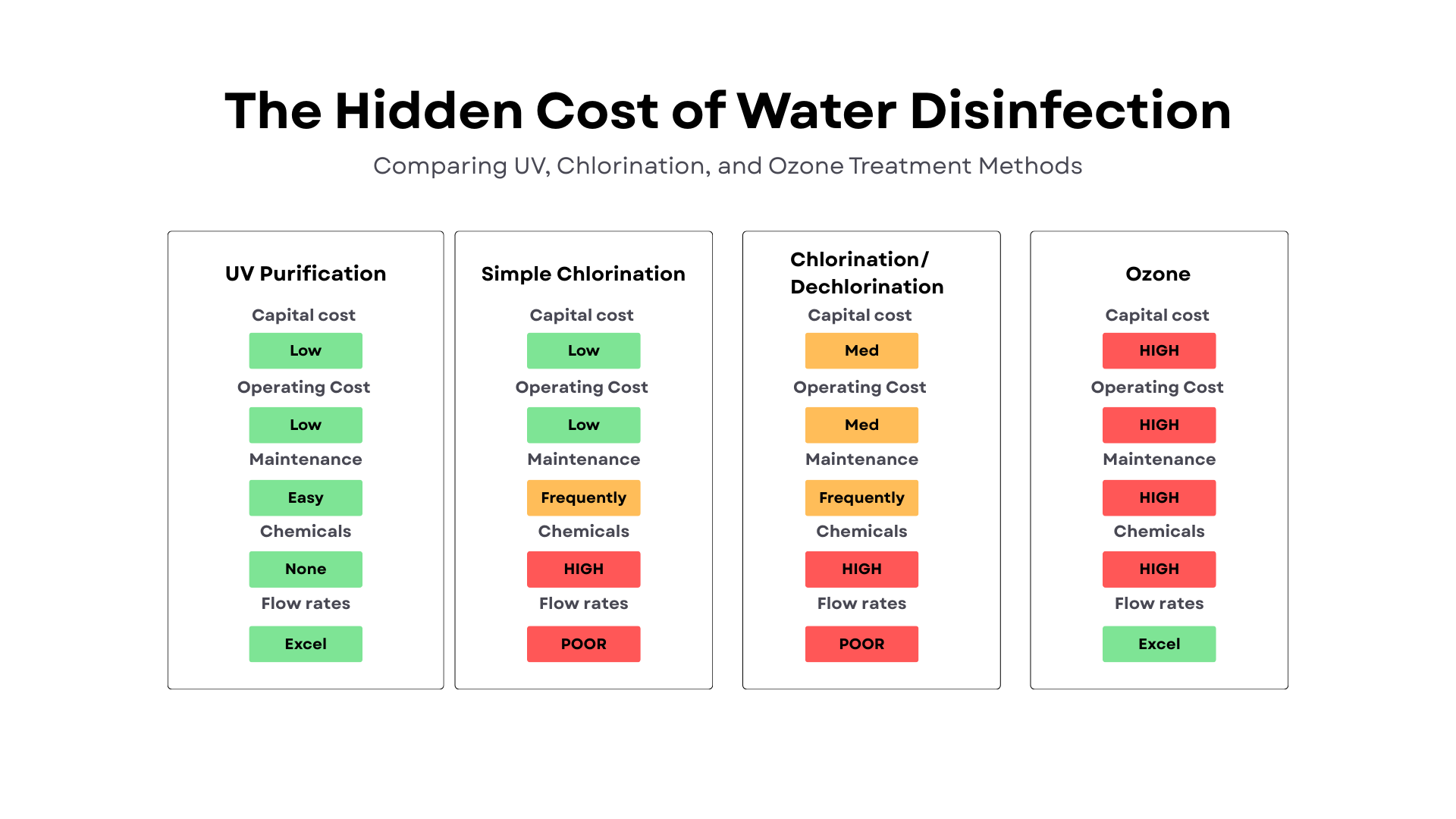
Copper reduces reliance on chlorine but should be paired with mild oxidation like UV or ozone to remove organic waste, especially in pools.
Copper vs. UV and Ozone
UV and ozone kill microbes instantly but offer no residual protection. Copper provides ongoing disinfection as long as ions are present. Combining copper with UV or ozone delivers complete purification.
Copper vs. Plastic Bottles
Plastic can harbor bacteria in scratches and offers no antimicrobial properties. Copper is durable, self-sanitizing, and eco-friendly, making it a superior long-term choice.
Health Benefits Beyond Purification

While purification is the primary function, drinking copper water may support overall health thanks to copper’s role as an essential trace mineral.
Digestive and Immune Support
- Helps destroy stomach pathogens
- Reduces inflammation in the gut
- Aids liver and kidney detoxification
- Boosts immune cell function
Skin, Joint, and Brain Health
- Skin: Essential for melanin and collagen production, supporting elasticity and wound healing
- Joints: Anti-inflammatory effects may ease arthritis symptoms
- Brain: Supports neurotransmitter synthesis and brain development
These benefits stem from copper’s biological roles rather than unique properties of the water itself. Most people get enough copper from diet, but infused water offers a bioavailable source.
Where Else Is Copper Used for Purification?
Pool and Spa Sanitation
Modern ionization systems use copper-silver electrodes to release ions into pool water. Copper prevents algae growth while silver kills bacteria and viruses, reducing chlorine use by up to 80%.
Hospital and Public Surfaces
Copper alloys are used for door handles, sink faucets, bed rails, and countertops. Studies show these surfaces can reduce hospital-acquired infections by 50% or more thanks to continuous microbial killing.
Frequently Asked Questions About Copper Water Purification
How long should water sit in a copper vessel before drinking?
Water should sit in a copper vessel for a minimum of 8 hours, with 16–24 hours being optimal for maximum pathogen elimination. Storing overnight is the most practical approach for most people.
Does copper water really kill bacteria?
Yes, scientific studies confirm that copper ions destroy bacteria like E. coli, Salmonella, Vibrio cholerae, and Shigella through contact killing. Complete elimination has been observed after 8 hours of storage in copper pots.
Is it safe to drink copper water every day?
Drinking copper water daily is safe when intake is limited to 3 cups (710 mL) per day. This keeps copper consumption well within the WHO safety limit of 2 mg per liter and below the tolerable upper intake level of 10 mg per day.
Can copper remove all contaminants from water?
No, copper kills microbes but does not remove physical impurities like dirt, heavy metals, or chemical pollutants. For comprehensive water safety, copper should be combined with filtration when source water quality is uncertain.
Why does copper turn green over time?
The green film that develops on copper is called patina, a natural oxidation process where copper reacts with oxygen and moisture. Patina is not harmful and does not affect water safety, though it can be cleaned off for aesthetic reasons.
Can I store lemon water or other acidic drinks in copper vessels?
No, acidic liquids cause excessive copper leaching and can lead to unsafe concentrations. Copper vessels should only be used for neutral pH water, never for citrus drinks, tomato juice, vinegar, or wine.
Key Takeaways for Using Copper to Purify Water
Copper water purification works through the oligodynamic effect, where copper ions leach into water and destroy microbes on contact. For effective results, store water in a pure copper pot for 8–24 hours, limit daily intake to 3 cups, and never use copper vessels for acidic liquids. Regular cleaning with lemon and salt keeps vessels effective and beautiful.
Start tonight: fill a pure copper pot with filtered water before bed, and by morning you’ll have naturally purified water ready to drink. It’s a simple, sustainable practice that connects ancient wisdom with modern science, no filters or chemicals required.