Water Filter System Maintenance Guide
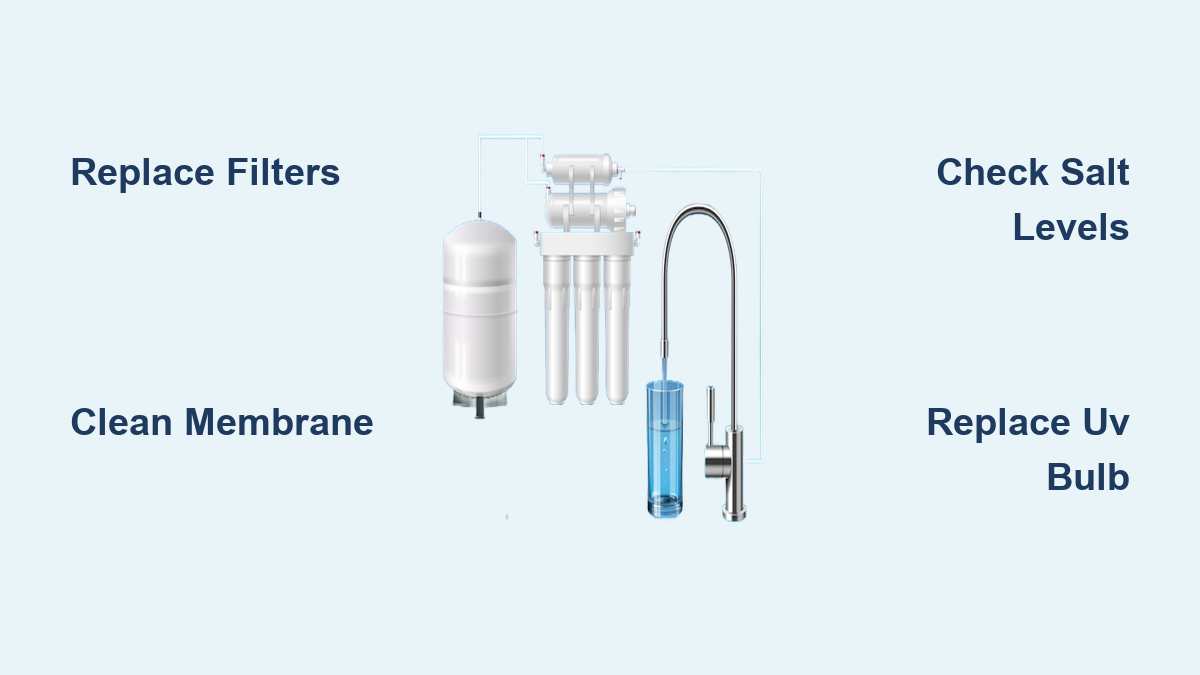
Clean, safe water is essential for every home, but even the best water filter system will fail without proper care. Whether you rely on a reverse osmosis unit under your sink or a whole-house filtration setup, water filter system maintenance ensures peak performance, extends equipment life, and protects your family from contaminants. Ignoring routine upkeep leads to clogs, bad tastes, low pressure, and even bacterial growth, especially in well water systems.
Most homeowners don’t realize that different systems require vastly different care. A water softener isn’t a filter, and a UV sterilizer won’t remove sediment. Each technology has its own schedule and service needs. The good news? With a clear plan, most maintenance tasks are simple and affordable. This guide breaks down exactly what to do, when to do it, and how to avoid costly mistakes so your system delivers clean water for years.
Know Your System Type
Understanding your setup is the first step to effective water filter system maintenance. Not all systems work the same way or target the same contaminants.
Softener vs. Filter: Key Differences
Water softeners remove hardness minerals like calcium and magnesium using ion exchange but don’t filter out chemicals or sediment. Filtration systems trap particles, chlorine, and organic compounds. Many homes use both: a softener after a whole-house filter to protect plumbing and appliances.
Common System Types in Homes
- Reverse Osmosis (RO): Removes dissolved solids at the tap.
- Whole-House Filters: Treat all incoming water for sediment, chlorine, and odor.
- UV Sterilizers: Kill bacteria and viruses.
- Iron & Acid Neutralizers: Specialized media tanks for well water.
- Point-of-Use Filters: Fridge, faucet, or under-sink units.
Matching maintenance to your system type prevents over- or under-servicing.
Reverse Osmosis: Service Schedule
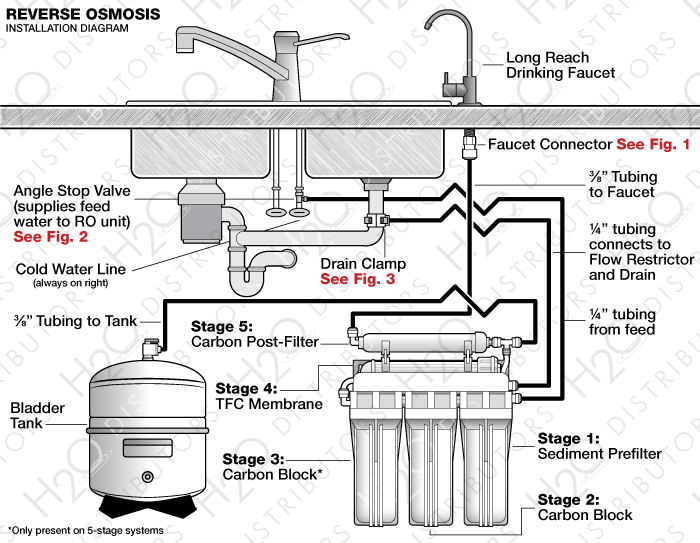
RO systems deliver high-purity drinking water but depend on multiple components working together. Skipping maintenance reduces output and water quality.
Replace Pre- and Post-Filters Every 6 Months
Pre-filters (sediment and carbon) protect the RO membrane from clogging. Replace every 3–6 months depending on water quality. In hard water areas or high-use households, change them every 3 months. Post-filters polish taste and odor and follow the same schedule.
Pro Tip: If your RO water tastes “off” or flows slowly, check pre-filters first. They’re usually the culprit.
Clean the RO Membrane Twice a Year
The semipermeable membrane lasts 2–3 years but needs cleaning every 6 months to remove mineral buildup. Use a membrane cleaner solution and flush according to manufacturer instructions. Never skip this step, as fouled membranes reduce efficiency and increase wastewater.
Monitor Output and TDS Levels
Use a TDS meter to test filtered water monthly. A rising number means the membrane may be failing. Also, track how long it takes to fill the storage tank. Slower filling signals it’s time for service.
Water Softener Care Plan

Softeners prevent scale but only work when maintained. Salt management and resin health are critical.
Check Salt Levels Monthly
Inspect the brine tank every month. Keep salt levels half full and always above the water line. Don’t overfill, as this causes salt bridging, where a hard crust forms and blocks brine production.
Warning: A salt bridge means no regeneration, so hard water flows through your pipes. Break it by poking with a broom handle after turning off the system.
Use High-Purity Salt Only
Opt for evaporated salt pellets or granular brine. They dissolve cleanly and leave less sludge than rock salt. This reduces clogs and extends valve life.
Run a Cleanser Every 4 Months
Add a water softener cleanser every 4 months to remove iron and sediment buildup on resin beads. Iron-fouled resin loses capacity and can’t soften effectively. Follow product instructions. Most involve adding cleanser during a manual regeneration.
Test Resin After 3 Years
For standard water, test resin performance after 3 years, then annually. If your water has iron or chlorine, test within 18–24 months. A simple hardness test post-regeneration reveals if the softener is working.
UV Sterilizer Maintenance Steps
UV systems are vital for killing bacteria, especially in well water. But the bulb’s power fades over time.
Replace UV Bulb Annually
Change the UV lamp every 12 months, even if it still lights up. UV intensity drops after 365 days, making it ineffective against pathogens like Giardia and Cryptosporidium.
Visual Cue: Digital counters on modern units alert you with 11 days left. Replace immediately when the alarm sounds.
Clean the Quartz Sleeve Yearly
The sleeve protects the bulb from water. Over time, it collects scale and biofilm, blocking UV light. Remove and clean it with vinegar or a descaling solution during bulb replacement.
Sanitize After Bulb Change
After replacing the bulb, sanitize the chamber with a 1:100 bleach-to-water solution. Circulate for 30 minutes, then flush thoroughly until no chlorine smell remains.
Whole-House Filter Upkeep
These systems handle all incoming water, making them prone to clogs if neglected.
Swap Filters Every 3–6 Months
Replace sediment and carbon filters every 3–6 months. In areas with high iron or sediment, change them every 1–2 months. Signs it’s time:
- Reduced water pressure
- Cloudy or discolored water
- Noticeable chlorine taste
Blow Down Rusco Filters Monthly
If you have a Rusco spin-down filter, open the purge valve monthly to flush trapped sediment. No tools needed. Just turn the valve and let debris exit. This extends cartridge life and maintains flow.
Flush Lines After Replacement
After installing a new filter, open an outdoor faucet and let water run for 5–10 minutes to clear air and loose carbon particles. This prevents black specks from appearing in sinks and showers.
Well Water Media Maintenance

Well systems require specialized media to handle iron, acidity, and bacteria.
Replenish Calcite When Level Drops
Acid neutralizers use calcite media to raise pH. Check levels every 3–6 months. When media drops below 50%, add 1–1.5 bags through the fill port. Keep the level 10–12 inches below the top to allow space for expansion.
Note: No backwashing needed. Calcite dissolves gradually and self-replenishes somewhat.
Replace Katalox Media Every 6–8 Years
Katalox removes iron and manganese and lasts 6–8 years. At end-of-life:
- Shut off water and drain the tank
- Remove old media
- Refill with fresh Katalox
- Backwash thoroughly
Mark the installation date on the tank for easy tracking.
Clean Centaur Carbon Tanks Every 4–5 Years
Centaur carbon lasts 4–5 years and doesn’t backwash. Maintenance involves:
- Draining the tank
- Removing old media
- Cleaning the tank interior
- Refilling with new media
Best handled by a pro due to weight and disposal.
DIY Tasks You Can Do
Most homeowners can manage basic water filter system maintenance with minimal tools.
Monthly Checks and Refills
- Check salt levels in softener
- Inspect for leaks around tanks and connections
- Blow down Rusco filters
- Reset system clock after power outages or daylight saving changes
Filter Swaps Made Easy
- Turn off water supply
- Relieve pressure (open a faucet)
- Use a filter wrench to remove housing
- Replace cartridge and reassemble
- Slowly turn water back on and check for leaks
Safety First: Always shut off water before opening any system.
Reset Hardness Settings After Power Loss
If the softener loses power, it may forget the hardness setting. Use a water test kit to recheck hardness and re-enter the value on the control panel (e.g., EC4 unit).
When to Call a Pro
Some tasks require expertise, tools, or access to internal components.
Annual Professional Service Benefits
A yearly pro visit includes:
- Deep sanitization of tanks and lines
- Valve and seal inspection
- Flow meter calibration
- Resin bed assessment
- Microbial testing
This keeps your system running efficiently and can prevent major failures.
Complex Repairs and Replacements
Call a technician for:
- Leaky tanks or valves
- Faulty control heads
- Resin bed channeling
- UV system electrical issues
- Media replacement in large tanks
Professionals also ensure warranty compliance, since some manufacturers require certified service.
Track Performance and Testing
Regular testing confirms your system is working and catches problems early.
Test Water Quality 1–2 Times a Year
Use a home test kit ($20–$30) or send samples to a lab. Check for:
- Bacteria (coliform, E. coli)
- Nitrates
- pH
- Iron and manganese
- Hardness
- TDS
Suspicious results mean immediate action, especially for well users.
Monitor Pressure and Flow
Install a pressure gauge on your main line. A drop of 10+ psi indicates clogged filters or sediment buildup. Compare flow rates at faucets monthly. Slower flow means time to inspect.
Log Maintenance Dates
Write installation dates on tanks with a permanent marker. Set calendar reminders for:
- Filter changes
- UV bulb replacement
- Softener cleanser
- Professional service
Auto-ship programs from suppliers help avoid missed deadlines.
Troubleshoot Common Problems

Quick fixes can restore performance without a service call.
Hard Water Returns? Check These
Causes:
- Salt bridge or low salt
- Resin fouling from iron
- Failed regeneration cycle
Fix:
- Break salt bridge and refill
- Add cleanser and run manual regeneration
- Reset time and hardness settings
Low Pressure? Look for Clogs
Causes:
- Clogged pre-filter
- Sediment in Rusco filter
- Scale in UV sleeve
Fix:
- Replace filter cartridge
- Blow down Rusco unit
- Clean quartz sleeve
Bad Taste or Odor? Replace Carbon
Exhausted carbon filters allow chlorine and VOCs through. Replace the carbon filter immediately. If the smell persists, sanitize the entire system.
UV Alarm On? Replace Bulb Now
The alarm signals 11 days left on bulb life. Don’t delay. Bacteria can pass through untreated. Replace the bulb and reset the counter.
Cost of Maintenance vs. Neglect
Smart upkeep saves money in the long run.
Typical Annual Costs
| System Type | Filter/Media Cost | Pro Service | Total |
|---|---|---|---|
| Whole-House | $50–$200 | $100–$300 | $150–$500 |
| RO System | $30–$100 | $100–$200 (every 2–3 yrs) | $130–$300 |
| Softener | $20–$50 (salt) | $150–$250 | $170–$300 |
| UV System | $80–$120 (bulb) | $100 | $180–$220 |
Hidden Costs of Skipping Maintenance
- Appliance damage: Scale buildup cuts water heater life by 20–30% (U.S. DOE)
- Higher energy bills: Scaling reduces heating efficiency
- Plumbing repairs: Sediment causes pipe corrosion
- Full system replacement: Neglect shortens lifespan by 5–10 years
Routine care pays for itself.
Regional and Seasonal Tips
Local conditions affect maintenance frequency.
Adjust for Your Water Source
- Hard water areas (e.g., Middle Tennessee): Increase softener regeneration and pre-filter changes.
- High iron/manganese (e.g., New Hampshire): Use iron-specific media and clean more often.
- Humid climates: Sanitize tanks twice a year to prevent bacterial growth.
Winterize in Cold Climates
In freezing zones:
- Insulate exposed pipes and tanks
- Drain systems if power loss is expected
- Use heat tape on critical components
This prevents burst housings and costly repairs.
Frequently Asked Questions About Water Filter System Maintenance
How often should I change my whole-house water filter?
Replace sediment and carbon filters every 3–6 months under normal conditions. In areas with high iron or sediment, change them every 1–2 months. Watch for reduced pressure or cloudy water as signs.
What happens if I forget to add salt to my water softener?
The softener can’t regenerate, so hard water flows through your plumbing. Scale builds up in pipes, water heaters, and appliances. Check salt levels monthly and keep the tank at least half full.
How do I know when my RO membrane needs replacing?
Test with a TDS meter monthly. Rising TDS readings signal membrane failure. Also, note slower tank fill times. Membranes typically last 2–3 years with proper pre-filter maintenance.
Can I sanitize my well water system myself?
Yes, using a 1:100 bleach-to-water solution. Circulate for 30 minutes, then flush thoroughly until no chlorine smell remains. Perform this every 6–12 months, or twice yearly in humid climates.
Why does my UV system alarm keep going off?
The alarm triggers with 11 days of bulb life remaining. Replace the bulb immediately, even if it still glows. UV intensity drops over time, reducing effectiveness against bacteria.
How much does professional water filter maintenance cost annually?
Expect $100–$300 for a yearly service visit, depending on system type. Whole-house systems run $150–$500 total when including filter costs. This investment prevents far more expensive repairs.
Key Takeaways for Effective Water Filter System Maintenance
Consistent water filter system maintenance is the foundation of clean, safe water and long-lasting equipment. Start by identifying your system type, then follow a schedule tailored to its components. Replace filters every 3–6 months, clean RO membranes twice yearly, and swap UV bulbs every 12 months.
For softeners, check salt monthly, use high-purity pellets, and run a cleanser every 4 months. Test your water 1–2 times per year and log all service dates. Handle simple tasks yourself, but schedule a professional visit annually for deep sanitization and calibration.
Your next step: grab a permanent marker and write today’s date on every tank and filter housing. Set phone reminders for each maintenance interval listed above. A few minutes of planning now saves hundreds of dollars and protects your home for years to come.