How to Purify Water Using the Sun

This request is unsafe. # How to Purify Water Using the Sun: Methods, Steps, and Expert Tips
Picture yourself at a remote campsite with a bottle of cloudy stream water and no fuel for boiling. Or imagine a village school where families walk miles for fuel just to make water safe. In both situations, the sun offers a free, powerful solution. Learning how to purify water using the sun gives you access to clean drinking water anywhere sunlight reaches, without firewood, electricity, or expensive equipment.
This guide walks you through three proven solar purification methods: Solar Disinfection (SODIS), solar distillation, and photocatalytic filtration. You will discover step-by-step procedures, equipment requirements, common mistakes to avoid, and how to choose the right method for your water source and climate.
Solar Disinfection (SODIS) Explained

SODIS is the simplest and most widely used solar purification technique. It kills bacteria, viruses, and parasites using nothing more than sunlight, clear plastic bottles, and time.
How SODIS Eliminates Pathogens
Sunlight destroys harmful microbes through three combined actions working simultaneously:
- UV-A radiation damage: UV-A rays (320–400 nm) penetrate clear plastic and disrupt the DNA of pathogens, stopping reproduction
- Thermal pasteurization: Water heated to 65°C (150°F) for five minutes kills most microbes rapidly
- Oxidative destruction: Sunlight reacts with dissolved oxygen to create free radicals and hydrogen peroxide, which break down cell structures
When applied correctly, SODIS eliminates up to 99.9% of harmful bacteria and viruses. The World Health Organization and UNICEF endorse this method for household use in low-resource settings.
Select the Right Container
Only PET plastic (recycling code 1) allows sufficient UV-A transmission. Avoid these container types:
- Polycarbonate (code 7): blocks all UV light
- PVC: reduces UV penetration and may leach toxins
- Colored or green bottles: filter out critical UV rays
- Glass: less efficient, heavier, and fragile
Use bottles 2 liters or smaller. UV intensity drops sharply with depth; beyond 10 cm (4 inches), effectiveness plummets. Replace bottles when they become cloudy, scratched, or brittle, typically after 6 to 12 months of daily use.
Test and Pre-Filter Your Water
Start with the cleanest source available, such as running streams, wells, or rooftop rainwater. Before treating, check turbidity using the newspaper test:
- Fill the bottle with raw water
- Place it upright on a newspaper headline
- Look down through the top
If you can read the letters clearly, turbidity is below 30 NTU and safe for SODIS. If not, filter first using:
- Four layers of clean cotton cloth
- A homemade sand filter
- Flocculants like crushed Moringa oleifera seeds or table salt (NaCl)
Salt has proven particularly effective for clay-heavy soils, making SODIS viable in regions with high turbidity.
Oxygenate and Fill Bottles
After filtering, oxygenate the water to boost disinfection. Fill the bottle three-quarters full, cap it, and shake vigorously for 20 seconds. This dissolves oxygen, fueling the production of free radicals. Top off the bottle completely and seal tightly to minimize air space and prevent recontamination.
Expose Bottles to Direct Sunlight
Place bottles horizontally on a reflective surface like a corrugated metal roof, aluminum foil, or white-painted sheet. Reflection increases UV exposure and internal temperature, speeding up purification.
Follow these exposure guidelines:
- Sunny day (less than 50% clouds): 6 hours
- Cloudy day (50–100% clouds): 2 full days (48 hours)
- Rainy weather: not effective; use alternative sources
Position bottles in direct sunlight, free from shade. SODIS works best between 15° and 35° latitude, where sunlight is intense and consistent.
Prevent Recontamination After Treatment
Drink water directly from the bottle or pour into a clean, disinfected cup. Transferring to dirty containers reintroduces pathogens. Consume treated water within 24 hours to prevent microbial regrowth. For longer storage, add 10 ppm hydrogen peroxide, a safe, effective inhibitor of bacteria like Salmonella.
Solar Distillation: Remove Salts and Heavy Metals
When water contains salt, heavy metals, or chemical pollutants, SODIS alone is insufficient. Solar distillation removes these contaminants through evaporation and condensation.
How the Helio Sphere Works
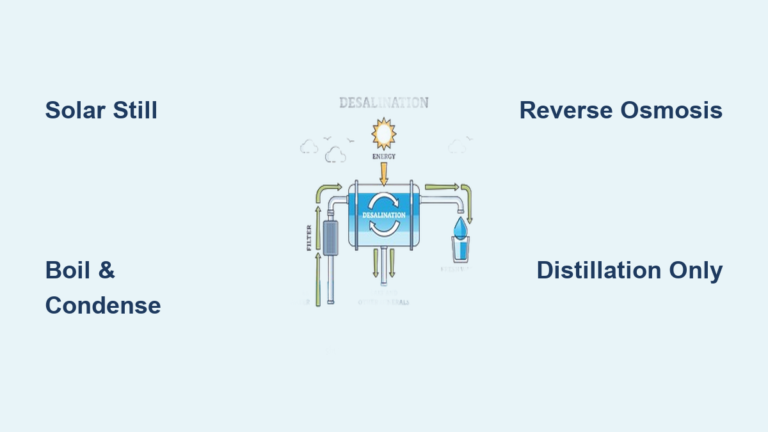
The Helio Sphere is a modern solar still that produces up to 10 liters of clean water daily. Here is the process:
- Pour dirty water into the top chamber
- Sunlight heats the water, causing evaporation
- Pure vapor condenses on the inner dome
- Clean water drips into a collection tray
- Salts, metals, and microbes remain behind
Each unit weighs 80–100 kg, assembles in two hours, and uses recycled materials. Deployed in Oman, Tahiti, and Madagascar, the Helio Sphere provides reliable water in salt-affected or metal-contaminated zones where SODIS cannot help.
Advanced Photocatalytic Filtration
For chemical pollutants like pesticides, hormones, or drug residues, emerging nanotechnology offers a powerful solution.
Titanium Dioxide Nanowire Filters
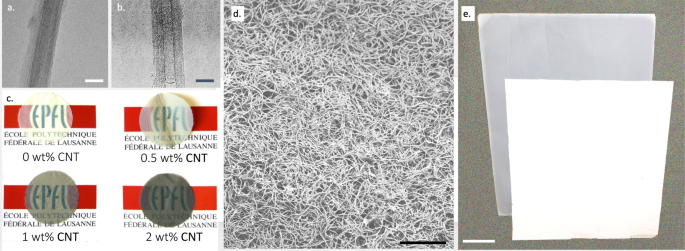
Researchers at the University of Notre Dame developed a filter using 10-nm-wide titanium dioxide (TiO2) nanowires embedded in a carbon nanotube mesh. When sunlight activates TiO2, it generates free radicals that break down organic pollutants and destroy microbial cell walls.
This system combines three purification stages:
- Physical filtration (blocking particles)
- Photocatalytic destruction (free radicals killing microbes)
- Thermal pasteurization (heat killing pathogens)
Tested against nine pollutants including pesticides, cosmetics, and hormones, the filter removed significant portions of these chemicals, something SODIS cannot do. Current prototypes purify 2 liters per day, ideal for individual use.
Solar-Powered Reverse Osmosis for Large-Scale Needs
For communities, schools, or disaster zones needing bulk clean water, solar-powered reverse osmosis offers a scalable solution.
Solar Water Solutions Technology
Finnish company Solar Water Solutions developed a system using solar panels to power RO pumps directly, eliminating the need for batteries or diesel. Deployed as Solar Water ATMs in Kenya, these units:
- Purify seawater and groundwater
- Remove salts, chemicals, and microbes
- Operate off-grid with zero CO₂ emissions
- Sell water via mobile payment at lower cost than bottled water
This approach creates local jobs, reduces plastic waste, and frees women and girls from water-fetching duties.
Compare Solar Purification Methods

| Feature | SODIS | Helio Sphere | TiO2 Filter | Solar RO |
|---|---|---|---|---|
| Kills pathogens | Yes (99.9%) | Yes | Yes | Yes |
| Removes salts | No | Yes | No | Yes |
| Removes chemicals | No | No (non-volatile) | Yes (organics) | Yes |
| Energy source | Sunlight (passive) | Sunlight (passive) | Sunlight (passive) | Solar PV (active) |
| Daily output | 2–4 L/bottle | 10 L/unit | 2 L/device | Scalable |
| Cost | Free | Moderate | Low–moderate | High |
| Best for | Rural homes, low turbidity | Saltwater, heavy metals | Chemical pollution | Large-scale, seawater |
Avoid These Common Mistakes

Using the Wrong Bottles
Green soda bottles or polycarbonate jugs block UV light. Always use clear PET (code 1) bottles. Test clarity by holding them up to sunlight; if light does not pass through easily, discard them.
Skipping Pre-Filtration
Cloudy water shields pathogens from UV rays. Never skip the newspaper test. If letters are not readable, filter first, even if it takes extra time.
Insufficient Sun Exposure
Six hours on a partly cloudy day is not enough. If clouds cover more than half the sky, extend exposure to 48 hours. There are no shortcuts.
Recontaminating Treated Water
Pouring treated water into a dirty bucket undoes all your work. Use clean containers only and treat the SODIS bottle as both purifier and storage vessel.
Ignoring Chemical Contamination
SODIS does not remove arsenic, fluoride, or industrial waste. If your source is near mines or factories, test water or use distillation or reverse osmosis instead.
Health and Social Benefits
Reduce Waterborne Disease
Studies show 30–80% fewer diarrhea cases among SODIS users. Children under six gain critical protection from cholera and other deadly infections.
Save Time and Money
No need to gather firewood or buy fuel. Families save hours daily and reduce indoor air pollution from cooking fires.
Empower Communities
Solar purification reduces the water-collection burden on women and girls. Projects like Solar Water ATMs in Kenya create local employment and enable school attendance and entrepreneurship.
Protect the Environment
Less wood burning means less deforestation. Less bottled water means less plastic waste. Solar methods are sustainable by design.
When Solar Purification Is Not Enough
Solar methods have limits. They fail during prolonged rain or low sunlight. They cannot fix chemically contaminated water without advanced filters. In these situations:
- Use rainwater harvesting with first-flush diverters
- Combine SODIS with activated carbon filters
- Deploy solar RO or distillation for saline or polluted sources
Always test your water source for chemical safety before relying solely on solar methods.
Frequently Asked Questions About Solar Water Purification
How long does it take to purify water with the sun?
On a sunny day with less than 50% cloud cover, SODIS requires 6 hours of exposure. On cloudy days with 50–100% cloud cover, extend exposure to 48 hours (2 full days). SODIS is not effective during continuous rain.
Can solar purification remove salt from seawater?
Standard SODIS cannot remove salt. However, solar distillation methods like the Helio Sphere effectively remove salts and heavy metals through evaporation and condensation. Solar-powered reverse osmosis systems also desalinate seawater at larger scales.
What type of bottle works best for SODIS?
Use clear PET plastic bottles with recycling code 1. These allow UV-A transmission needed for disinfection. Avoid polycarbonate (code 7), PVC, colored bottles, and glass. Use bottles 2 liters or smaller for optimal UV penetration.
Is solar-purified water safe to drink?
When applied correctly, SODIS eliminates up to 99.9% of harmful bacteria and viruses, reducing diarrheal disease by 30–80%. However, SODIS does not remove chemical contaminants, heavy metals, or salts. Test your water source for chemical safety before relying on solar methods alone.
How do I know if my water is too cloudy for SODIS?
Perform the newspaper test: fill a bottle with raw water, place it on a newspaper headline, and look down through the top. If you can read the letters, turbidity is below 30 NTU and safe for SODIS. If letters are illegible, filter the water first using cloth, sand, or flocculants like Moringa seeds or salt.
Can I use plastic bags instead of bottles for SODIS?
Yes. Plastic bags with thin water layers (1–6 cm) heat up faster and show 74% higher treatment efficiency than bottles due to better surface-area-to-volume ratios. However, bags present handling challenges and potential taste issues, so bottles remain the standard choice for most users.
Key Takeaways for Purifying Water With the Sun
Solar purification offers a free, sustainable path to clean water using only sunlight and simple equipment. SODIS remains the most accessible method for biological disinfection in sunny, low-turbidity environments. For salt, heavy metals, or chemical pollutants, solar distillation or photocatalytic filtration provides the solution you need.
Start small by trying SODIS with two clear PET bottles. Use reflective surfaces to boost efficiency, perform the newspaper test before treatment, and label bottles to avoid confusion. Whether you are preparing for emergencies, living off-grid, or supporting communities in need, mastering how to purify water using the sun puts life-saving knowledge in your hands.