How to Purify Sea Water for Drinking

You’re stranded on a remote coastline with the sun blazing overhead and the ocean stretching endlessly in every direction. Your canteen ran dry hours ago, and your throat feels like sandpaper. Drinking seawater is tempting but deadly; it accelerates dehydration and can shut down your kidneys within hours. Your body can survive weeks without food but only 2–3 days without water. The good news? With the right knowledge, you can turn that vast, salty ocean into life-saving fresh water. This guide covers how to purify sea water for drinking using both large-scale industrial systems and field-tested survival methods. You’ll learn reverse osmosis, solar stills, boiling distillation, and cutting-edge innovations like laser-etched panels.
Industrial Desalination Methods That Power Cities
Large-scale desalination plants supply drinking water to millions in arid regions like Saudi Arabia, the UAE, and California. These systems rely on two main approaches: membrane filtration and thermal distillation.
Reverse Osmosis (RO) Explained
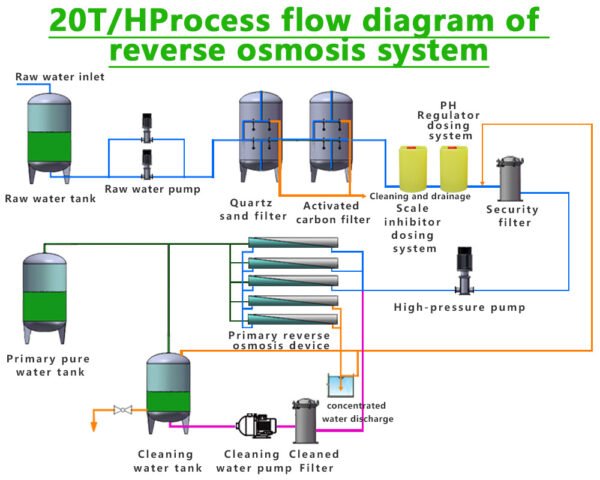
Reverse Osmosis is the most widely adopted method for new desalination plants because it uses less energy than thermal alternatives.
- How it works: Seawater is forced through semi-permeable membranes under high pressure (up to 800 psi). The membrane blocks salt ions, bacteria, and contaminants while letting water molecules pass.
- Pre-treatment required: Water must be filtered and treated with anti-scaling chemicals to prevent biofouling and clogging.
- Energy use: RO consumes about 3–10 kWh per cubic meter, making it more efficient than thermal methods.
- Byproduct: Produces clean drinking water plus a concentrated brine waste stream that requires careful disposal.
Pro tip: RO membranes degrade over time and typically need replacement every 3–5 years, depending on water quality and usage intensity.
Thermal Distillation Techniques
Thermal methods mimic Earth’s natural water cycle by boiling seawater and condensing the vapor into fresh water.
Multi-Stage Flash (MSF) Distillation
- Heated seawater flows through chambers at progressively lower pressures.
- As pressure drops, water “flashes” into steam without extra heating.
- Steam condenses into pure water while salt stays behind.
Multiple-Effect Distillation (MED)
- Vapor from one stage heats the next in a cascade system, improving efficiency.
- Often paired with power plants to capture waste heat.
Energy cost: These systems consume significantly more energy than RO and are typically powered by fossil fuels in oil-rich Gulf nations.
Emerging Technologies Worth Watching
Innovation is making desalination cheaper, cleaner, and more accessible.
Nanofiltration Membranes
- Use nanotube-based filters with higher permeability than standard RO.
- Remove salts and trace pollutants like heavy metals more efficiently.
- Operate at lower pressures, cutting energy needs.
Electrodialysis Reversal (EDR)
- Applies electric current to move salt ions through charged membranes.
- Best suited for brackish water but being adapted for seawater.
- Less prone to fouling than RO membranes.
Solar-Thermal Desalination (Laser-Etched Panels)
A breakthrough from the University of Rochester uses femtosecond-laser-etched black metal panels:
- Surface becomes super-absorbent and superwicking, pulling thin layers of seawater across it.
- Sunlight heats the surface, causing evaporation.
- The “coffee ring effect” pushes salt to untreated edges, preventing clogging.
- No brine discharge—salts crystallize dry and can be collected.
- Successfully tested on Pacific, Atlantic, and Great Salt Lake water.
Why it matters: This system requires no pre-treatment, is self-cleaning, and handles magnesium- and calcium-rich water that clogs traditional solar stills.
Survival Methods: Turn Seawater into Safe Drinking Water
When infrastructure fails or you’re off-grid, distillation is the only reliable way to purify seawater. Standard filters like LifeStraw remove bacteria and sediment but cannot remove dissolved salts. Below are proven, field-tested distillation methods.
Beachcombing Solar Still

Use items found on shorelines to build a passive solar-powered still.
Materials Needed:
- Clear glass or plastic bottle
- Flexible tubing (surgical hose, bamboo, or plastic tube)
- Plastic bag or tarp
- Tripod or support frame
- Collection container
Step-by-Step Setup:
- Fill the bottle halfway with seawater.
- Lay it on its side to prevent spillage when tilted.
- Insert one end of the tubing into the bottle neck; seal tightly with tape or mud.
- Pass the other end through a small hole in the plastic bag; seal around the tube.
- Hang the bag from a tripod to maximize internal surface area.
- Connect the free end of the tube to a collection cup.
How It Works:
- Sun heats the bottle → water evaporates → steam travels through tubing → inflates the bag → condenses on cooler inner walls → drips into collection vessel.
Yield: First measurable water appears in 30–60 minutes. Output is measured in ounces per hour, not gallons.
Survival tip: Keep the collection cup shaded to improve condensation. Avoid direct flame on plastic unless using glass components.
Glass-to-Plastic Still (Improved Version)
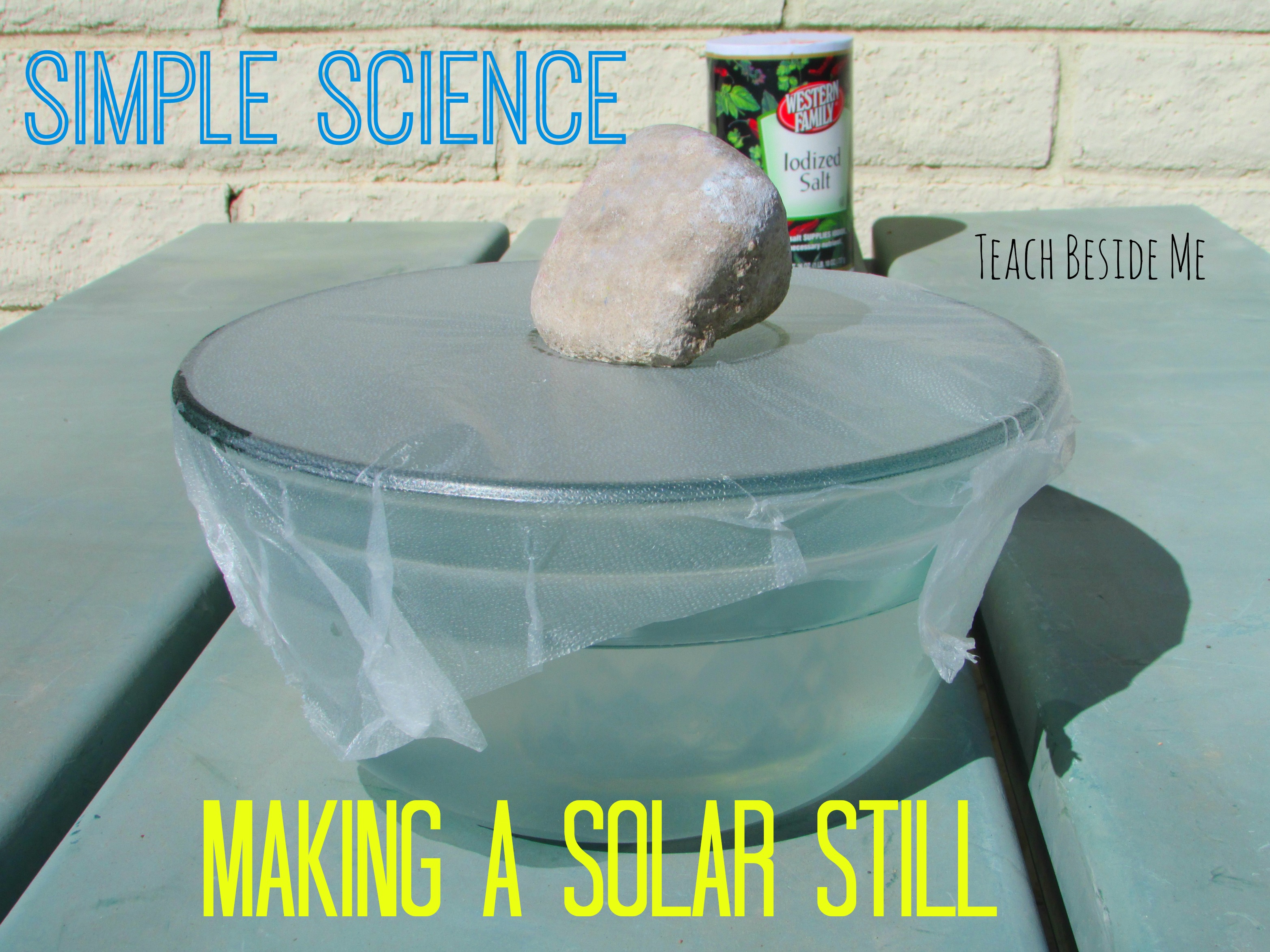
An optimized design that retains more heat and produces better results.
Materials:
- Glass bottle (Mason jar or wine bottle)
- Plastic collection bottle
- Tubing or hollow bamboo
- Plastic sheet or bag
- Small rock
Setup:
- Fill the glass bottle with seawater.
- Attach tubing from the bottle neck to the collection container.
- Cover the glass bottle with plastic wrap, sealing the edges with mud or rocks.
- Place a small rock in the center of the plastic to create a downward slope.
Why Glass?
- Glass absorbs and retains heat better than plastic, increasing evaporation rate.
- Tested on muddy and silt-filled water—produced clear, tasteless water in 60 minutes.
Bonus: Works on any contaminated water source—swamp, runoff, or seawater.
Ground Solar Still
Best for long-term survival in hot, sunny environments where you can dig.
Materials:
- Large bowl or pot
- Small cup or container
- Plastic wrap
- Rock
- Soil or sand
Build Steps:
- Dig a hole large enough to hold the large container.
- Place the small cup in the center.
- Pour seawater into the hole around the cup (do not submerge it).
- Cover the hole with plastic wrap; seal edges with soil.
- Place a rock in the center, directly above the cup.
Operation:
- Sun heats the seawater → evaporation occurs → vapor condenses on the plastic → drips into the cup.
Time to yield: Takes several hours for a few ounces.
Maximize output: Add moist vegetation or urine to increase humidity and vapor production.Warning: Never place the cup in the saltwater—only collect condensed water.
Pot Boiling Distillation
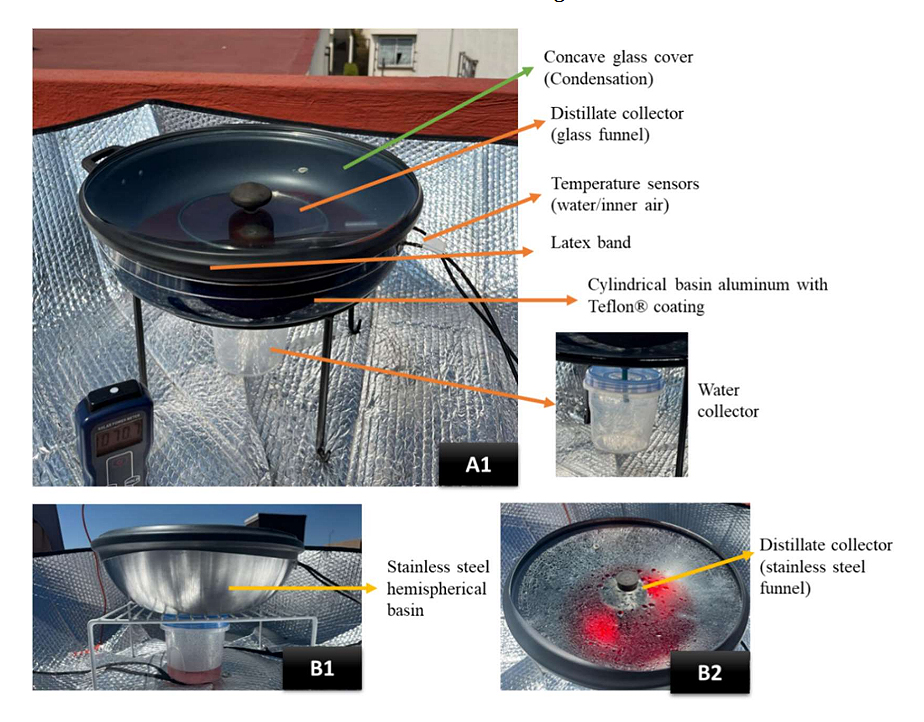
Fastest method if you have fire and cookware available.
Materials:
- Metal pot with lid
- Heat source (fire, stove)
- Small bowl or cup
- Cold object (wet cloth, rock)
Steps:
- Fill pot halfway with seawater.
- Place a small bowl in the center—floating or elevated on stones.
- Invert the lid so the handle points down toward the bowl.
- Place a cold, wet cloth or chilled rock on top of the lid to cool it.
- Boil water. Steam rises, hits the cool lid, condenses, and drips into the bowl.
Safety first: Monitor closely to avoid boiling over. Never leave unattended.
Efficiency hack: Pour saltwater over the lid externally to enhance condensation.
Manual Bottle Still (Portable Option)

Compact and lightweight—ideal for emergency kits.
Materials:
- Clear 2-liter plastic bottle
- Small cup or container
- Rock
- Duct tape or rubber band
Assembly:
- Cut the bottle horizontally below the neck.
- Place the cup in the bottom half.
- Pour seawater into the bottom (below cup level).
- Invert the top half (neck down) into the bottom to form a funnel.
- Seal the joint with tape or a rubber band.
- Set in direct sunlight.
How It Works:
- Sun heats the water → evaporates → condenses on the cooler upper surface → drips into the cup.
Output: Slow but steady—ideal for passive daytime use.
Durability note: UV exposure degrades plastic; inspect for cracks or leaching signs regularly.
Why Distillation Works (And Filtration Doesn’t)
Understanding the science helps you make smart survival decisions.
The Problem with Filters
Most portable filters (like LifeStraw or Sawyer) are designed to remove bacteria, protozoa, and sediment—not dissolved salts. They cannot desalinate seawater.
- Seawater contains about 3.5% salt—mostly sodium chloride.
- Salt molecules are too small to be trapped by standard filter pores.
- Drinking filtered seawater still causes hypernatremia (excess sodium), leading to dehydration, seizures, and death.
Distillation: The Only Safe Bet
Distillation separates water from salt through phase change:
1. Boil → liquid becomes vapor (pure H₂O)
2. Condense → vapor returns to liquid, leaving salt behind
Result: 99.9% salt-free water, safe to drink.
Taste note: Distilled water tastes “flat” because it lacks minerals. This is normal and harmless.
Environmental and Economic Realities of Desalination
While desalination saves lives, it comes with significant trade-offs.
Brine Discharge: A Hidden Cost
Every liter of desalinated water produces roughly 1.5 liters of brine—a supersalty waste stream.
- Global output: Approximately 142 million m³/day of brine dumped into oceans.
- Impact: Raises local salinity, reduces oxygen, and harms marine ecosystems.
Solutions in progress:
• Dilution before discharge
• Brine mining for lithium, magnesium, gypsum
• Use in aquaculture or road de-icing
Marine Life at Risk
Open-ocean intakes can suck in plankton, fish eggs, and larvae.
- Solution: Subsurface intakes or screened systems reduce entrainment but increase costs.
Carbon Footprint
Most desalination plants run on fossil fuels.
- RO plant emissions: Approximately 2–4 kg CO₂ per m³ of water produced
- Future fix: Solar- and wind-powered desalination projects are expanding in Australia, Chile, and the UAE.
Good news: The laser-etched solar still produces zero emissions and no liquid brine.
How to Optimize Your Survival Still
Maximize yield with these expert-backed tips.
Increase Surface Area
- Use wide, shallow containers to expose more water to heat.
- Spread plastic bags or sheets to maximize condensation surface.
Keep Collection Cool
- Shade the collection vessel or place it on cool ground.
- A temperature difference between the hot evaporation zone and cool condensation zone improves efficiency.
Prevent Leaks
- Seal all joints with tape, mud, or wax.
- Use glass or heat-resistant materials near flames.
Avoid Contamination
- Clean all materials before use.
- Don’t let saltwater touch the collection cup.
Monitor Output
- First drops may carry volatile organics—discard initial condensate if possible.
- Taste test: Safe water should be completely tasteless—no salt, no plastic.
When Not to Use Desalination
Know the limits of these methods before committing your time and energy.
Energy vs. Reward
- Producing 1 quart (32 oz) of water via solar still may take 6–8 hours.
- In survival, prioritize rainwater catchment or finding natural freshwater sources first.
Health Risks of Improvised Materials
- Some plastics release microplastics or BPA when heated.
- Trade-off: In life-or-death dehydration, short-term risk is acceptable.
Rule of thumb: If you have less than 24 hours of water left, start distilling now.
Frequently Asked Questions About Purifying Seawater
Can you purify seawater by boiling it?
Boiling alone does not purify seawater. You must capture the steam and condense it into a separate container. Simply boiling and letting the water cool leaves the salt behind in the original pot, which defeats the purpose.
How long does it take to desalinate water in a survival still?
Most solar stills produce their first measurable water in 30–60 minutes, but full yields of a few ounces per hour require several hours of direct sunlight. Boiling distillation is faster if you have fire and cookware.
Is it safe to drink distilled seawater?
Yes, properly distilled seawater is 99.9% salt-free and safe to drink. It may taste flat due to the lack of minerals, but this is harmless. Discard the first few drops of condensate to avoid any volatile compounds from your container materials.
Why can’t a LifeStraw filter seawater?
LifeStraw and similar filters remove bacteria, protozoa, and sediment, but their pores are too large to trap dissolved salt molecules. Seawater contains about 3.5% salt, and drinking it filtered or unfiltered leads to hypernatremia and dehydration.
How much brine does desalination produce?
For every liter of fresh water produced, desalination generates roughly 1.5 liters of concentrated brine. Globally, plants discharge approximately 142 million cubic meters of brine daily, which can harm marine ecosystems if not managed properly.
What is the cheapest way to desalinate water at home?
DIY solar stills using bottles, plastic wrap, and tubing are the cheapest method but produce only ounces per hour. Commercial survival distillation kits offer higher reliability but add weight and cost to your pack.
Key Takeaways for Purifying Seawater Safely
- Never drink seawater directly—it worsens dehydration and can cause kidney failure.
- Distillation is the only reliable method to purify seawater in survival scenarios.
- Solar stills work but are slow—expect ounces per hour, not gallons.
- Boiling with condensation is faster if you have fire and metal cookware.
- Industrial desalination relies on RO or thermal methods—expensive but scalable for cities.
- New tech like laser-etched solar panels offers self-cleaning, zero-brine solutions.
- Optimize yield by maximizing heat, surface area, and cooling.
- Prioritize rainwater over desalination whenever possible.
Whether you’re preparing for emergencies, studying global water solutions, or simply curious about survival science, mastering how to purify sea water for drinking is a powerful skill. With basic physics and a bit of creativity, you can transform the vast, undrinkable ocean into life-saving water—one drop at a time. Start by gathering materials for a simple solar still today, and you’ll be ready when it matters most.