How to Purify Well Water Naturally

If your home depends on a private well, you already know the benefits: independence, sustainability, and water straight from the earth. But unlike municipal supplies, well water isn’t treated before it reaches your tap. It can carry bacteria, parasites, heavy metals, nitrates, and sediment, often without any visible signs. That’s why learning how to purify well water naturally is one of the smartest steps a homeowner can take.
The best part? You don’t need harsh chemicals or expensive equipment to make your water safe. Natural methods like solar disinfection, boiling, ceramic filtration, and UV light can remove dangerous contaminants without adding toxins to your home. This guide walks you through exactly how to test your water, choose the right natural treatment, and combine methods for complete protection.
You’ll also learn how to avoid common mistakes, maintain your system, and keep your water safe year after year.
Test Your Well Water Before Choosing a Treatment
You can’t treat what you don’t measure. Every natural purification method works best when matched to the specific contaminants in your supply.
Why Water Testing Comes First
Well water quality changes based on local geology, nearby farms, septic systems, and rainfall. Even crystal-clear water can hide dangerous pathogens like Giardia, Cryptosporidium, or unsafe levels of arsenic and nitrates.
A certified lab test reveals exactly what’s in your water. Without it, you’re guessing, and some natural methods won’t protect against every threat.
Key Parameters Your Lab Should Analyze
A complete water test covers four major categories:
- Microbiological: Bacteria, viruses, parasites
- Chemical: Nitrates, nitrites, lead, arsenic, mercury
- Physical: Turbidity, color, odor, pH
- Mineral Content: Iron, manganese, hardness
⚠️ Critical Tip: Bacteriological samples must be analyzed within 4 hours of collection. Follow your lab’s collection instructions exactly to avoid false results.
Measure Your Well’s Flow Rate
If you plan to install a filtration system, you need to know your flow rate in gallons per minute (GPM). This ensures your system keeps up with household demand.
Quick bucket test:
1. Time how long it takes to fill a 5-gallon bucket.
2. Divide 300 by the number of seconds.
3. Example: 60 seconds = 5 GPM.
Disinfect Water Naturally to Kill Microbes

Microbial contamination is the most urgent health risk. These natural disinfection methods destroy pathogens without adding chemicals.
Boil Water to Eliminate Pathogens
Boiling is the oldest, simplest way to purify water, and it works extremely well against microbes.
How to do it correctly:
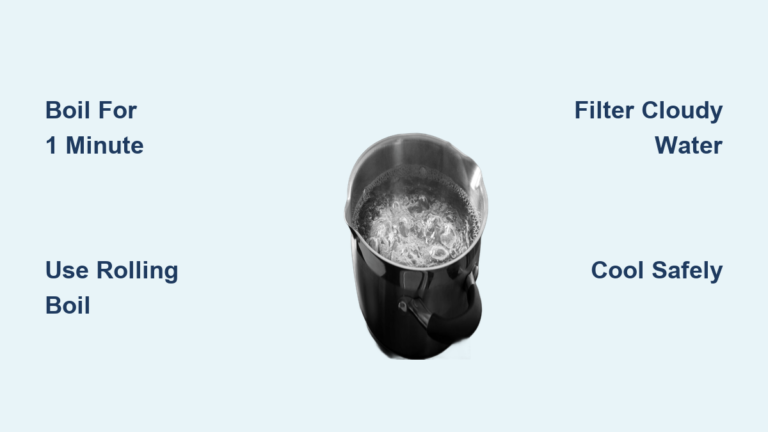
1. Bring water to a full rolling boil.
2. Boil for 1 minute (or 3 minutes above 6,500 ft elevation).
3. Let cool and store in clean, sealed containers.
✅ Kills: Bacteria, viruses, parasites
❌ Does NOT remove: Chemicals, heavy metals, nitrates, or sediment
Best for: Emergency use, small households, or as a reliable backup.
⚠️ Warning: Boiling concentrates nitrates and heavy metals. Never boil water with known chemical contamination.
Try Solar Disinfection (SODIS)
SODIS uses the sun’s UV-A rays and heat to disinfect water. It’s free, effective, and perfect for sunny climates.
Step-by-step SODIS method:
1. Pre-filter water to remove cloudiness.
2. Fill clear PET plastic bottles (1–2 liters).
3. Lay bottles on a reflective surface in direct sunlight.
4. Expose for 6 hours on sunny days or 2 full days when cloudy.
✅ Kills: 99.9% of bacteria and viruses
❌ Does NOT remove: Chemicals, heavy metals, or dissolved solids✅ Pro Tip: Paint half the bottle black and place it on a metal roof. The added heat boosts disinfection power significantly.
Install UV Light for Whole-House Disinfection
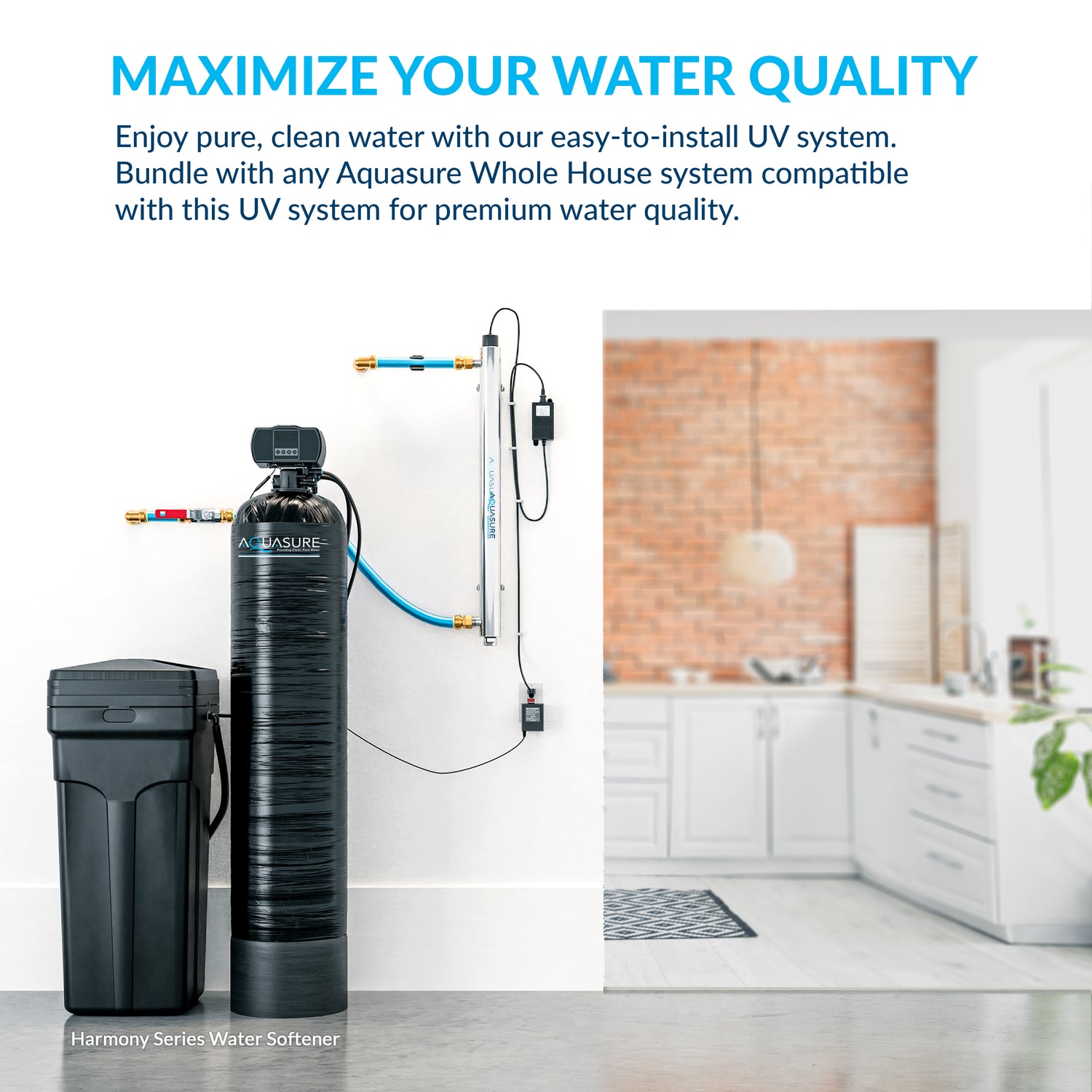
UV light is a powerful, chemical-free option that disrupts the DNA of microorganisms, stopping them from reproducing.
How UV systems work:
– Water flows through a chamber exposed to UV-C light.
– Microbes are inactivated in seconds.
– No change to taste, odor, or water chemistry.
✅ Effective against: Bacteria, viruses, protozoa
❌ No residual protection: Water can be recontaminated after treatment
Requirement: Water must be clear. Always pair UV with sediment and carbon pre-filtration.
⚠️ Maintenance: Replace the UV lamp every 12 months and clean the quartz sleeve every 3–6 months.
Filter Sediment and Contaminants Without Chemicals

Filtration physically removes particles, metals, and organic compounds. These natural media work without adding any treatment chemicals.
Use Ceramic Filters for Bacteria and Sediment
Ceramic filters are affordable, gravity-fed systems that physically block contaminants down to a fraction of a micron.
What they remove:
– Bacteria (e.g., E. coli)
– Protozoa (e.g., Giardia)
– Sediment and turbidity
✅ Pore size: Typically 0.2–0.5 microns
❌ Does NOT remove viruses unless silver-impregnated
Best for: Point-of-use kitchen filtration, off-grid homes, or camping.
✅ Maintenance: Scrub the filter surface weekly and replace every 6–12 months.
Add Activated Carbon for Better Taste and Odor
Activated carbon adsorbs organic compounds, dramatically improving water’s taste and smell.
Targets:
– Residual chlorine
– Pesticides
– VOCs (volatile organic compounds)
– Bad taste and odor
✅ Works by: Chemical attraction pulls contaminants onto the carbon surface
❌ Does NOT remove: Heavy metals, nitrates, minerals, or microbes
Best for: A post-sediment stage in multi-stage systems.
✅ Tip: Use backwashing carbon filters to prevent clogging and extend filter life.
Remove Iron and Manganese with Catalytic Filters
High iron causes rusty stains on fixtures and laundry. Manganese creates dark deposits and a metallic taste.
Natural solution: Catalytic media
– Uses natural oxidation to convert dissolved metals into solid particles.
– Traps particles in the filter bed.
– Requires aeration or air injection (no chemicals needed).
✅ Best media: Birm, KDF, or manganese greensand
Maintenance: Backwash weekly to prevent bed hardening.
Soften Hard Water Without Salt
Hard water damages water heaters, clogs pipes, and reduces soap effectiveness. Natural softening avoids the salt and wastewater of traditional systems.
Use Template-Assisted Crystallization (TAC)
TAC is a salt-free alternative to ion exchange water softeners.
How it works:
– Converts calcium and magnesium into harmless micro-crystals.
– Prevents scale buildup without removing healthy minerals.
✅ Benefits: No wastewater, no salt, retains beneficial minerals
❌ Does NOT lower hardness test readings, only prevents scaling
Best for: Homes with moderate hardness where sodium reduction isn’t required.
⚠️ Note: Not a substitute for ion exchange if you need truly soft water for skin or laundry.
Combine Methods for Complete Protection
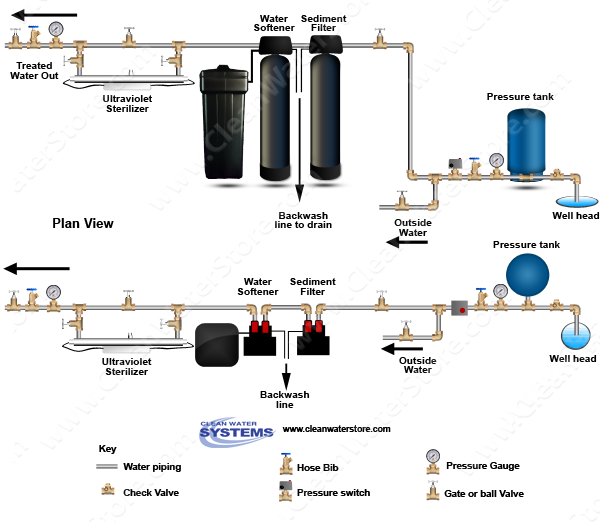
No single natural method removes every contaminant. A multi-stage treatment train gives you the most comprehensive protection.
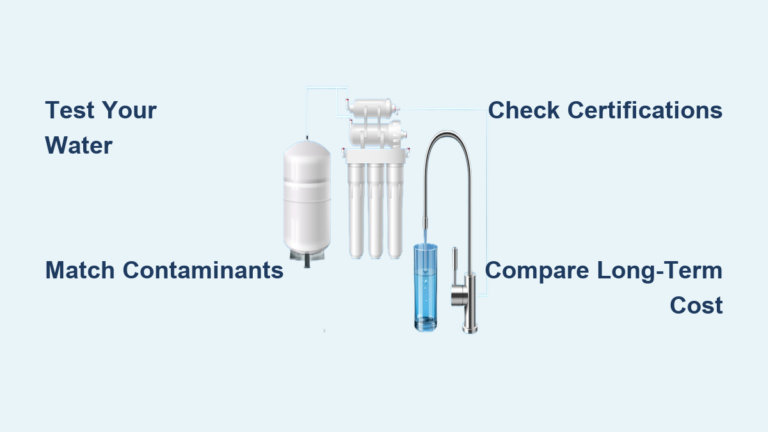
Build a Natural Treatment System
Use this proven sequence for optimal results:
-
Sediment Pre-Filter (10–20 microns)
Removes sand, silt, and rust. Protects downstream filters. -
Ceramic or Carbon Filter
Removes bacteria, organic chemicals, and improves taste. -
UV Light or SODIS
Final disinfection step kills any remaining microbes. -
Reverse Osmosis (Optional)
Use only if tests show nitrates, arsenic, or high salinity.
✅ Example setup:
Well → Sediment Filter → Carbon Filter → UV Chamber → Faucet
When Reverse Osmosis Makes Sense
RO is the most effective method for removing dissolved contaminants, even though it uses pressure rather than natural processes.
Use RO if your test shows:
– Nitrates above 10 mg/L
– Arsenic, lead, or other heavy metals
– TDS (total dissolved solids) above 500 ppm
✅ Removes: 95–99% of dissolved solids, microbes, and chemicals
❌ Drawbacks: Wastes 3–5 gallons per 1 gallon purified; needs power
Best for: Under-sink point-of-use systems, not whole-house treatment.
✅ Eco Tip: Add a permeate pump to reduce wastewater by up to 80%.
Maintain Your System for Long-Term Safety

Even the best system fails without proper maintenance. A few simple habits keep your water safe for decades.
Backwash Filters on Schedule
Sediment and carbon filters can compact and “petrify” without regular backwashing.
How often?
– Weekly for high-iron or high-sediment water
– Monthly for average conditions
✅ Warning sign: Reduced water pressure or flow rate means your filter needs attention.
Replace Key Components on Time
- UV Lamp: Every 12 months (even if it still glows)
- RO Membrane: Every 2–3 years
- Ceramic Filter: Every 6–12 months or after 1,000 gallons
- Carbon Filter: Every 6 months or after 500–1,000 gallons
🔁 Pro Tip: Label your system with installation dates so you never miss a replacement.
Prevent Recontamination After Treatment
Treated water can become unsafe if stored or piped incorrectly.
Best practices:
– Use food-grade storage tanks that are dark and sealed
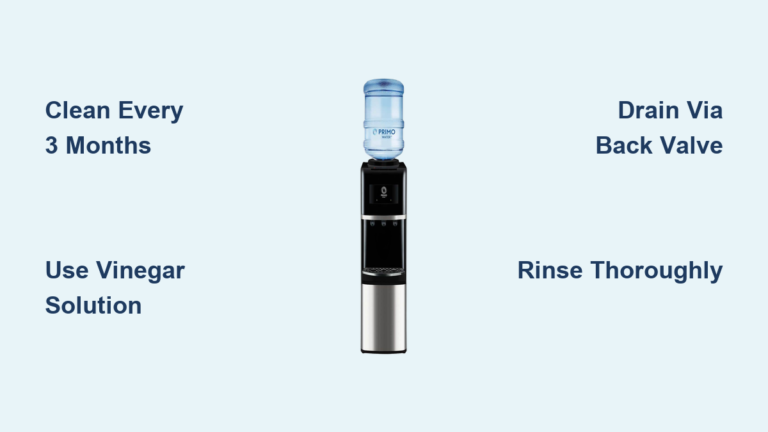
– Sanitize storage containers every 3 months
– Avoid plastic tanks that may leach chemicals
– Flush unused pipes before use
⚠️ Critical: UV and boiling provide no residual protection. Clean storage and distribution lines are essential.
Re-Test Your Water Every Year
Water quality shifts with seasons, rainfall, and changes in nearby land use.
When to Re-Test
- After heavy rains or flooding
- If you notice new odors, tastes, or stains
- Every 6–12 months for a full panel test
✅ Action Step: Keep a log of test results to track trends over time.
Frequently Asked Questions About Natural Well Water Purification
What is the most effective natural method to purify well water?
No single method removes every contaminant. The most effective approach is a multi-stage system combining sediment filtration, ceramic or carbon filtration, and UV disinfection. This targets bacteria, parasites, sediment, and organic chemicals without adding any treatment chemicals.
Can boiling well water remove chemicals like arsenic or nitrates?
No. Boiling kills bacteria, viruses, and parasites, but it actually concentrates chemical contaminants like arsenic, lead, and nitrates as water evaporates. For chemical removal, you need activated carbon, reverse osmosis, or distillation.
How often should I test my well water?
You should test at least once a year for a full panel. Test immediately after heavy rainfall, flooding, or any noticeable change in taste, color, or odor. New wells should be tested before first use and again after 6 months.
Does a ceramic filter remove viruses from well water?
Standard ceramic filters have a pore size of 0.2–0.5 microns, which blocks bacteria and protozoa but not viruses. To remove viruses, choose a silver-impregnated ceramic filter or add a UV light stage after ceramic filtration.
Is UV light safe for continuous well water treatment?
Yes, UV light is one of the safest disinfection methods. It uses no chemicals, leaves no residue, and doesn’t change water taste. However, UV provides no residual protection, so water must be used promptly or stored in sterile containers.
Can I purify well water naturally without electricity?
Absolutely. Boiling and solar disinfection (SODIS) require no electricity. Gravity-fed ceramic filters also work without power. These methods are ideal for off-grid homes or emergency situations, though they only address microbial contamination, not chemicals.
Final Takeaways: Clean Well Water Without Chemicals
Purifying well water naturally is not only possible, it’s practical, affordable, and effective when done right. Here’s what matters most:
- Always test first. Match your treatment to the actual contaminants in your water.
- Boiling and SODIS are free and excellent for microbes, but they don’t touch chemicals.
- Ceramic + carbon + UV forms a powerful chemical-free filtration trio for whole-house protection.
- Backwash and replace filters on schedule. Maintenance is non-negotiable.
- Combine methods for full-spectrum removal of physical, biological, and chemical threats.
By following this guide, you can confidently purify your well water naturally, protecting your family’s health, your home’s plumbing, and the environment at the same time. Start with a water test today, and build your system one stage at a time.