Health Benefits of Drinking Purified Water
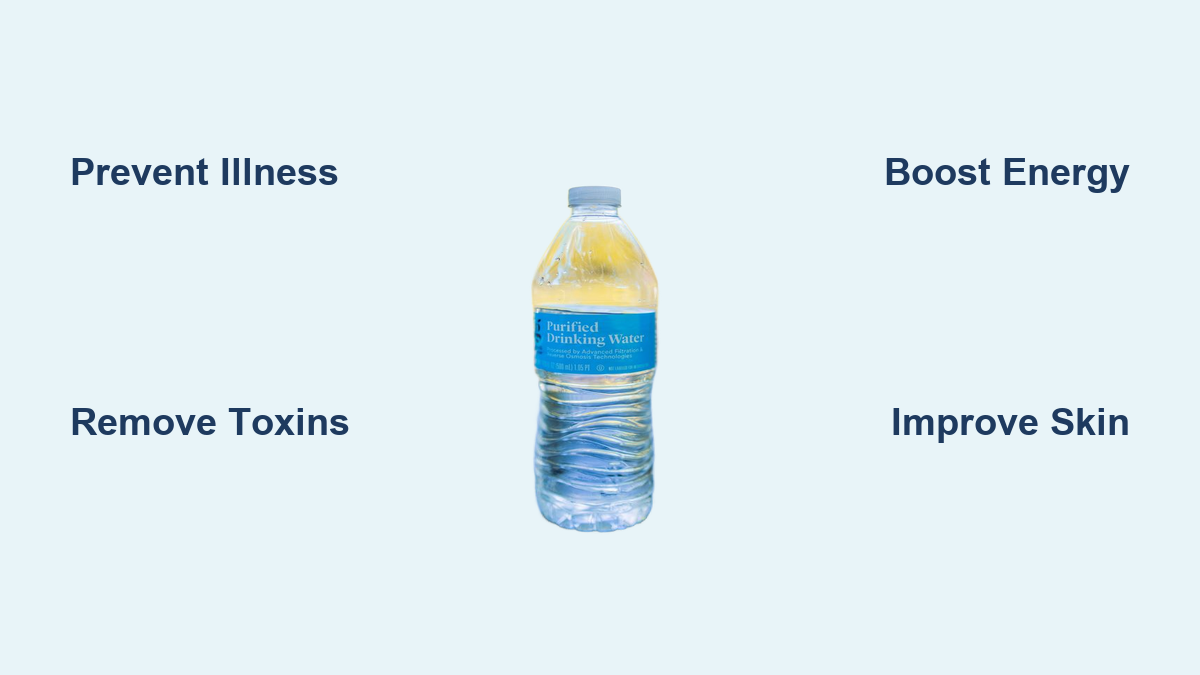
Every sip of water shapes your health. For millions of people, tap water carries invisible risks like lead, pesticides, bacteria, and chemical byproducts, while purified water delivers a cleaner, safer alternative. Drinking purified water isn’t just about quenching thirst. It’s a proactive step toward better organ function, stronger immunity, and long-term disease prevention. With up to 99% of contaminants removed through advanced methods like reverse osmosis and distillation, purified water supports your body at every level.
This guide breaks down the science-backed health benefits of purified water, addresses common concerns, and shows how making the switch can transform your wellness routine one glass at a time.
Prevent Waterborne Illnesses Effectively
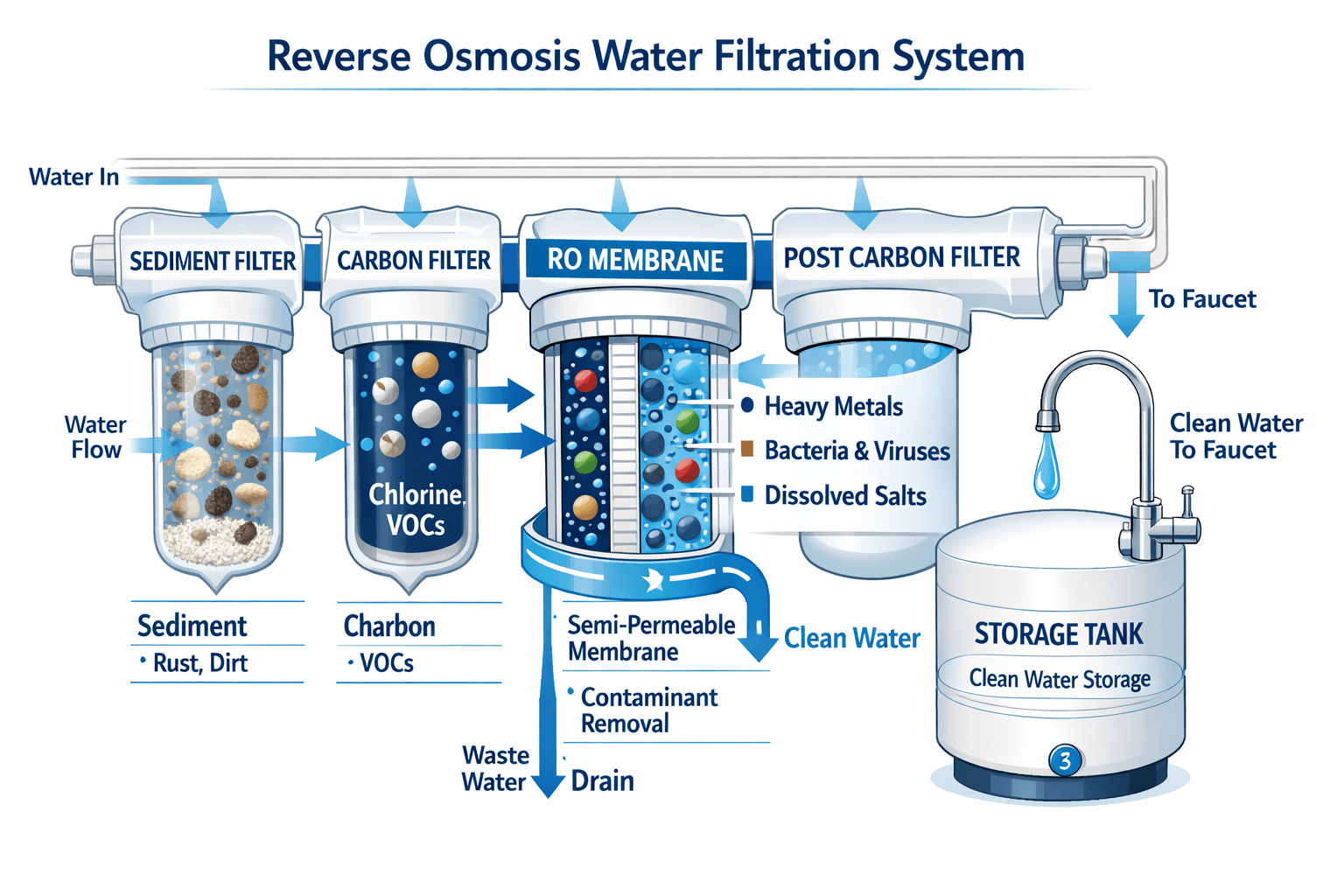
Drinking purified water is one of the most effective ways to avoid dangerous pathogens that cause serious illness. The CDC reports over seven million cases of waterborne disease annually in the U.S., while worldwide these diseases cause 3.575 million deaths each year. Life-threatening conditions like cholera, typhoid, hepatitis A, and polio spread through contaminated water, and children under five face the highest risk. Diarrheal diseases rank as the second leading cause of death in this age group.
Purification systems eliminate viruses, bacteria, and parasites such as Norovirus, Giardia, and E. coli that survive in municipal water supplies. Methods like reverse osmosis and distillation remove contaminants at a molecular level, ensuring harmful microorganisms never reach your glass.
Why Biological Contaminants Slip Through Tap Water
Even when tap water meets EPA standards, it can harbor low levels of pathogens due to pipe breaks, seasonal runoff, or treatment lapses. Purified water removes this uncertainty. By stripping out biological impurities completely, it acts as a reliable barrier against gastrointestinal distress, fever, and dehydration caused by microbial exposure. Families using purified water for infant formula or cooking gain extra peace of mind.
Reduce Exposure to Toxins and Heavy Metals

Tap water may meet legal safety limits, but it often contains trace amounts of harmful substances that accumulate over time. The EPA allows more than 90 different contaminants, including lead, arsenic, chlorine byproducts, and pharmaceuticals, as long as they stay below maximum contaminant levels. Chronic exposure, even at low doses, can contribute to developmental delays, hormonal disruptions, and increased cancer risk. Purified water removes up to 99% of these toxins.
Eliminate Lead and Arsenic from Your Drinking Water
Lead is one of the most dangerous contaminants in aging water systems. Cities like Flint, Michigan, and Newark, New Jersey, have faced public health crises due to lead leaching from old pipes. Even small amounts of lead impair cognitive development in children and increase cardiovascular risks in adults. Arsenic, often present in groundwater, links to skin, bladder, and lung cancers.
Reverse osmosis and distillation effectively remove both heavy metals. These methods protect vulnerable populations, especially pregnant women and young children, from irreversible neurological and developmental damage.
Remove Chemical Pollutants and Disinfection Byproducts
Agricultural runoff introduces pesticides into water supplies, while industrial discharge adds volatile organic compounds. Chlorine used to disinfect tap water reacts with organic matter to form disinfection byproducts like trihalomethanes, which associate with reproductive issues and certain cancers.
Advanced purification systems combine carbon filtration, RO membranes, and UV treatment to capture these chemical threats. The result is water free from synthetic pollutants.
Support Optimal Organ Function
Your body is about 60% water, and every system depends on consistent hydration. Purified water enhances physiological function by delivering clean fluid without added contaminants that force your organs to work harder.
Improve Kidney Efficiency and Prevent Stones
The kidneys filter waste and excess substances from your blood, processes that require ample water. When you drink tap water containing minerals like calcium carbonate or contaminants like heavy metals, your kidneys expend extra energy to process them. Over time, this strain reduces efficiency.
Purified water reduces this burden by providing a contaminant-free medium. It helps prevent kidney stones as well. Research shows that drinking at least 3 liters of water daily lowers stone formation risk. Since purified water lacks excess minerals found in hard water, it dilutes stone-forming compounds in urine, reducing crystallization. Doctors often recommend purified water for patients with a history of kidney stones.
Enhance Digestion and Nutrient Absorption
Water plays a crucial role in breaking down food and absorbing nutrients. Dehydration slows digestion, leading to constipation, bloating, and discomfort. Purified water supports smooth digestive function in two key ways:
- Lubricates the Tract: Adequate hydration keeps the gastrointestinal lining moist, promoting regular bowel movements and preventing constipation.
- Balances pH Levels: Some purified water systems include alkaline filters that neutralize acidity, easing symptoms of acid reflux and heartburn.
Unlike tap water, which may contain chlorine that irritates the gut lining, purified water is gentler on the digestive system.
Boost Cognitive Performance and Energy
Dehydration affects the brain faster than most people realize. Even mild fluid loss of just 1–2% of body weight can impair concentration, memory, and mood. Headaches, fatigue, and brain fog are common signs of inadequate hydration.
Fight Fatigue and Improve Focus
When your body is well-hydrated, nerve signaling and blood flow improve, supporting alertness and cognitive speed. Purified water, free from taste or odor issues, encourages higher consumption, making it easier to meet daily hydration goals of 8–10 cups for adults.
Athletes, students, and professionals who switch to purified water often report sharper focus, fewer afternoon slumps, and improved productivity, especially when using electrolyte-enhanced versions.
Prevent Dehydration-Related Headaches
Many headaches stem from dehydration or toxin buildup. Since purified water removes chlorine, heavy metals, and other irritants, it reduces triggers for migraines and tension headaches. Consistent intake ensures stable electrolyte levels, minimizing vascular and neural imbalances that lead to pain.
Achieve Healthier Skin and Hair
Your skin reflects your internal health, and hydration is foundational to its appearance. Dry, dull skin often signals insufficient water intake or exposure to harsh chemicals.
Increase Skin Hydration and Elasticity
Drinking purified water boosts skin moisture, improving elasticity and reducing the visibility of fine lines. During winter or in low-humidity environments, internal hydration becomes even more critical to prevent flakiness and tightness.
Because purified water lacks chlorine and other drying agents found in tap water, it hydrates without stripping natural oils. Over time, consistent consumption leads to a more radiant, youthful complexion.
Reduce Eczema and Skin Irritation
People with sensitive skin or conditions like eczema benefit significantly from purified water. Hard water, rich in calcium and magnesium, leaves mineral residues on the skin that clog pores and worsen irritation. Chlorine further dries out the epidermis, triggering flare-ups.
Switching to purified water reduces these external stressors. Whole-home purification systems amplify this benefit by ensuring showers and handwashing use clean water too.
Promote Shinier, Stronger Hair
Mineral buildup from hard water makes hair look dull and feel brittle. Chlorine strips color-treated hair and weakens strands. Purified water prevents this damage, leaving hair softer, shinier, and more manageable.
Enhance Athletic Performance and Recovery
For active individuals, hydration goes beyond volume. It’s about balance. Sweat depletes electrolytes like sodium, potassium, calcium, and magnesium, which are essential for muscle contraction and nerve function.
Maintain Electrolyte Balance Without Sugar
Standard reverse osmosis removes all minerals, including beneficial electrolytes. However, advanced purification systems reincorporate these minerals after filtration, creating electrolyte-enhanced purified water. This type of water hydrates effectively without added sugars or artificial ingredients found in sports drinks.
It supports endurance by:
– Regulating body temperature
– Preventing cramps
– Sustaining muscle and joint lubrication
Speed Up Post-Workout Recovery
After exercise, the body needs to flush lactic acid and repair tissue. Purified water aids recovery by providing a clean fluid base that helps the kidneys eliminate metabolic waste efficiently. Athletes who hydrate with purified water report faster recovery times, reduced soreness, and improved next-day performance.
Protect Vulnerable Populations
Certain groups face higher risks from water contaminants and benefit most from purified water.
Safeguard Infants and Pregnant Women
Babies have developing organs and immune systems that struggle to process toxins. Nitrates, lead, and pathogens in tap water can cause developmental delays, anemia, or severe illness. The American Academy of Pediatrics recommends using purified or distilled water when preparing infant formula.
Pregnant women also need to minimize exposure to contaminants that could affect fetal development. Purified water reduces the risk of complications linked to lead, mercury, and certain chemicals.
Support Immune-Compromised Individuals
People undergoing chemotherapy, organ transplants, or living with chronic illnesses have weakened defenses. What might be a minor infection for others can become life-threatening. For them, purified water is a medical necessity to prevent opportunistic pathogens from entering the body. Hospitals and clinics often use distilled or RO water for patients requiring sterile hydration.
Compare Water Types: Why Purified Wins

Not all water is created equal. Understanding the differences helps you make informed choices.
Purified vs. Tap Water
| Factor | Tap Water | Purified Water |
|---|---|---|
| Contaminants | Up to 90+ allowed within limits | Removes up to 99% |
| Taste/Odor | Often has chlorine or sulfur | Neutral, crisp taste |
| Mineral Content | Varies by region; may include lead | Stripped, but can be remineralized |
| Consistency | Fluctuates due to infrastructure | Stable quality |
Purified water offers superior safety and taste, encouraging higher consumption and better hydration habits.
Purified vs. Bottled Water
While some bottled water is purified, much of it is simply filtered spring or well water. Bottled alternatives lack consistency and contribute to massive plastic waste, with over 60 million bottles ending up in landfills daily in the U.S.
Refill stations and home purification systems provide the same quality without the environmental cost. They also save hundreds of dollars per year compared to bottled water.
Purified vs. Spring Water
Spring water contains natural minerals, which some prefer for taste and dietary intake. However, its source can vary, and contamination risks exist from environmental runoff. Purified water guarantees safety through rigorous treatment.
Address Common Concerns Thoughtfully
Despite its benefits, some concerns about purified water are valid but manageable.
Avoid Mineral Deficiency Risks
Since reverse osmosis and distillation remove calcium, magnesium, and potassium, critics argue long-term use could lead to deficiencies. However, water is not the primary source of these nutrients. Food is. A balanced diet rich in leafy greens, nuts, dairy, and whole grains easily compensates.
For added assurance:
– Choose purified systems with remineralization stages
– Use mineral drops
– Take supplements if advised by a doctor
Neutralize Acidity with Alkaline Filters
Some purified water has a slightly acidic pH due to CO₂ absorption after degassing during RO. While the body tightly regulates blood pH, those with acid reflux may find alkaline water more comfortable. Advanced systems include pH-balancing filters that raise water alkalinity.
Prevent Bacterial Growth with Maintenance
A poorly maintained filter can become a breeding ground for bacteria. Sediment buildup or expired membranes compromise performance.
To stay safe:
– Replace filters on schedule
– Sanitize the system every 6–12 months
– Follow manufacturer guidelines
– Install backflow preventers
Build Sustainable, Healthy Habits
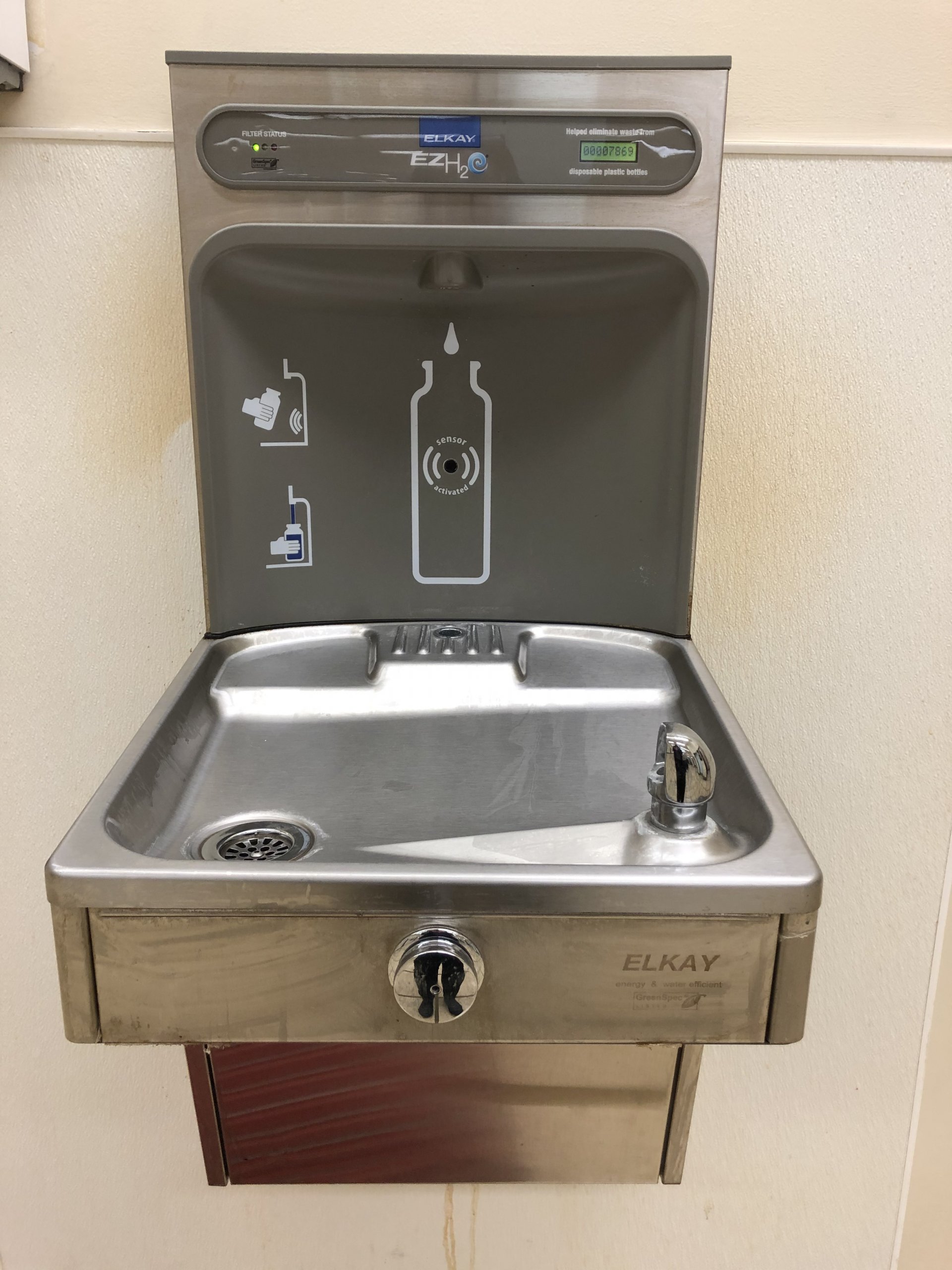
Switching to purified water does more than improve health. It transforms behavior and supports the planet.
Encourage Better Hydration Choices
Taste drives behavior. If water tastes bad, people drink less or choose soda, energy drinks, or coffee instead. These alternatives add sugar, caffeine, and calories, contributing to obesity and metabolic disorders.
Purified water’s clean, neutral taste makes hydration appealing. Workplace studies show:
– 76% of employees drink more water after installing refill stations
– 77% switch to reusable bottles
– 54% stop buying plastic bottles and reduce sugary drink intake
Reduce Plastic Waste and Carbon Footprint
Bottled water generates enormous plastic pollution. Less than 30% of bottles are recycled in the U.S., and millions end up in oceans, harming marine life. Home and office purification systems eliminate this waste. Refill stations use up to 90% less plastic and cut transportation emissions.
Save Money Over Time
While a reverse osmosis system costs $200–$500 upfront, it pays for itself within months. Bottled water costs an average of $1.20 per liter, up to $400+ annually for one person. Purified water from a home system costs pennies per gallon.
Frequently Asked Questions About Purified Water
Does purified water remove beneficial minerals from my diet?
Purified water removes minerals like calcium, magnesium, and potassium during filtration. However, water is not your primary source of these nutrients. A balanced diet rich in leafy greens, nuts, dairy, and whole grains provides sufficient minerals. You can also choose systems with remineralization stages or use mineral drops for added assurance.
Is purified water safe for babies and infant formula?
Yes. The American Academy of Pediatrics recommends using purified or distilled water when preparing infant formula. Babies have developing organs and immune systems that struggle to process contaminants like lead, nitrates, and pathogens found in tap water.
How often should I replace filters in a home purification system?
Filter replacement schedules depend on your system and water usage. Most manufacturers recommend replacing filters every 6–12 months and sanitizing the system regularly. Always follow the specific guidelines provided with your unit to prevent bacterial growth and maintain effectiveness.
Can purified water help prevent kidney stones?
Research indicates that drinking at least 3 liters of water daily lowers kidney stone formation risk. Purified water lacks excess minerals found in hard water, such as calcium carbonate, which contributes to stone formation in susceptible individuals. Doctors often recommend purified water as part of a preventive strategy for patients with a history of stones.
Does purified water taste different from tap water?
Purified water has a neutral, crisp taste because it removes chlorine, sulfur, and other compounds that affect the flavor of tap water. Many people find this cleaner taste more appealing, which encourages higher daily consumption and better hydration habits.
Is bottled purified water better than home purification systems?
Not necessarily. While some bottled water meets FDA purification standards, home systems and refill stations offer the same quality at a fraction of the cost. They also eliminate plastic waste and provide consistent water quality without the environmental impact of bottled alternatives.
Key Takeaways for Choosing Purified Water
Drinking purified water delivers measurable health advantages, from preventing waterborne diseases and supporting organ function to enhancing skin, cognition, and athletic performance. The science is clear: removing up to 99% of contaminants like lead, arsenic, pesticides, and chlorine byproducts reduces your toxic load and protects your body’s most vital systems.
While concerns about mineral loss and system maintenance deserve attention, both are easily managed through a balanced diet, remineralization filters, and regular upkeep. Compared to tap and bottled alternatives, purified water offers unmatched safety, taste, and sustainability.
Start by assessing your current water source and identifying a purification method that fits your lifestyle, whether that’s a home reverse osmosis system, a remineralizing filter, or a refill station at work. Your next glass of water can be the simplest upgrade you make for your health today.