Is Reverse Osmosis Water Safe to Drink?
Concerns about tap water quality have pushed millions of households toward home filtration systems, with reverse osmosis leading the pack. Yet questions linger about whether this ultra-purified water actually supports health or quietly strips the body of essential nutrients. If you have ever wondered is reverse osmosis safe to drink, you are not alone.
This guide breaks down the science behind reverse osmosis filtration, separates fact from fiction on mineral loss and acidity, and shows you how to get the safest, healthiest water possible from your RO system.
How Reverse Osmosis Purifies Water
The Science Behind RO Filtration
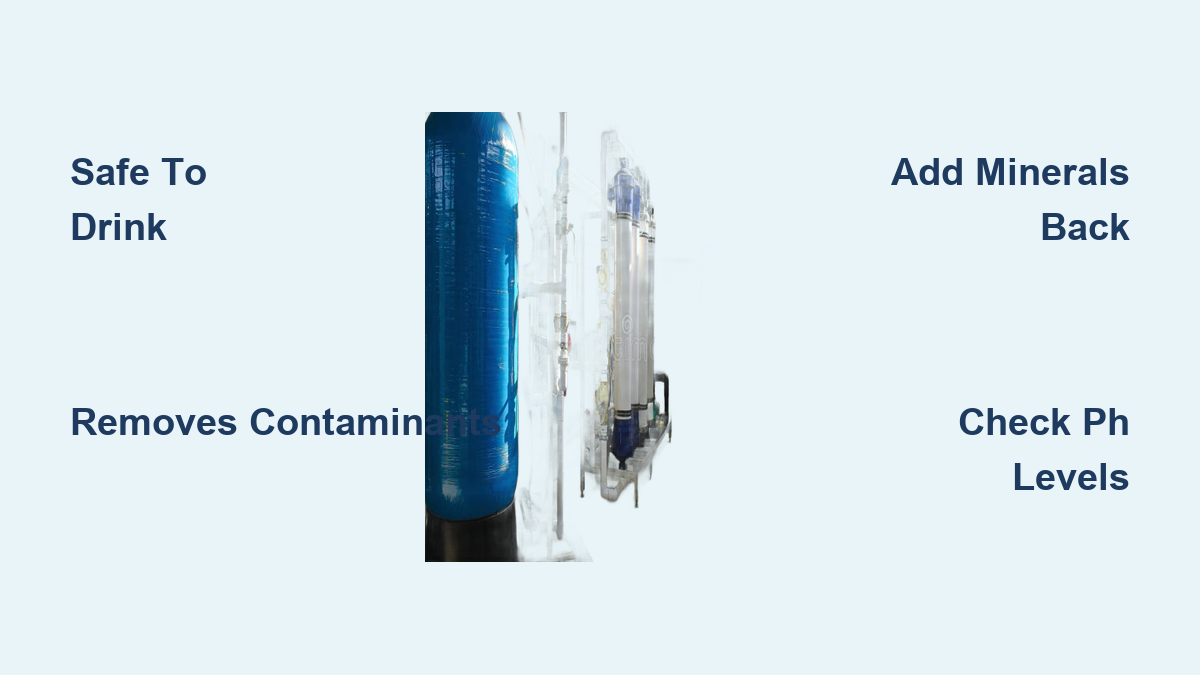
Reverse osmosis is a physical filtration process that uses high-pressure pumps to force water through a semi-permeable membrane with pores as small as 0.0001 microns. This is roughly 100,000 times smaller than a human hair, small enough to block dissolved salts, heavy metals, bacteria, and viruses. Unlike boiling or chemical treatments, RO relies purely on pressure and membrane technology, with no heat or additives required.
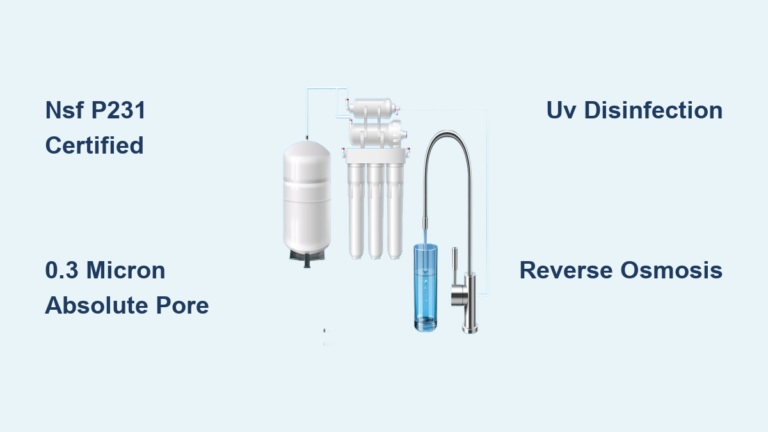
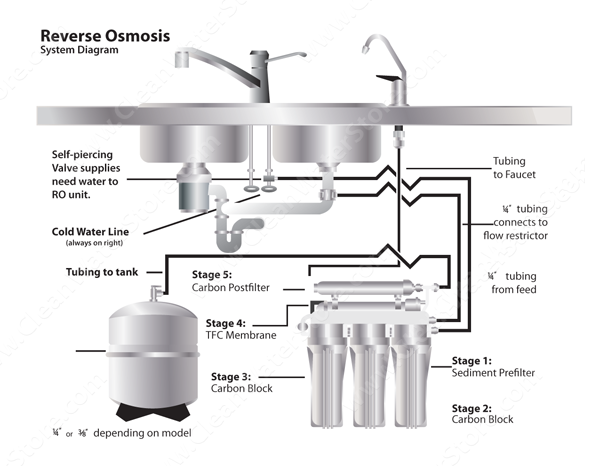
A typical point-of-use RO system uses multiple stages:
1. Sediment pre-filter traps dirt, sand, and rust.
2. Activated carbon filter removes chlorine, chloramines, and volatile organic compounds (VOCs).
3. RO membrane strips out 90–99% of total dissolved solids (TDS).
4. Polishing post-carbon filter refines taste and odor.
5. Optional remineralization stage adds calcium, magnesium, and potassium back into the finished water.
The result is water with a TDS often below 10 ppm, compared to 50–300 ppm in typical municipal tap water.
What Contaminants Does RO Remove?

Systems certified under NSF/ANSI Standard 58 have been independently tested to verify contaminant reduction. Certified RO systems typically achieve:
– Lead: 99% removal
– Arsenic: 96% removal
– Mercury: 97% removal
– Fluoride: 90% removal
– PFAS (“forever chemicals”): 90–99% removal (per a 2020 Duke University study)
– Nitrates, chromium-6, uranium, cadmium, trihalomethanes, haloacetic acids, pharmaceuticals, bacteria, and viruses
This level of removal makes RO especially valuable in homes with aging plumbing, agricultural runoff concerns, or nearby industrial activity.
Limitations of RO Systems
Even the best RO system has boundaries. Radium and other radioactive elements may require specialized media. Certain pesticides and herbicides vary in removal efficiency depending on the compound. VOCs depend on carbon filter quality, and Cryptosporidium or Giardia cysts, while physically blocked, can bypass the membrane if seals degrade or leaks develop. Adding UV sterilization closes this microbial gap and provides extra peace of mind for well water users.
Debunking the “Dead Water” Myth
Does RO Strip Essential Minerals?
Yes, reverse osmosis removes calcium, magnesium, and potassium from water. But here is what critics often overlook: drinking water contributes only 1–20% of your daily mineral intake. Food supplies the remaining 80–99%.
To put this in perspective:
– 1 cup of milk = 300 mg calcium
– 1 cup of spinach = 240 mg magnesium
– 1 banana = 420 mg potassium
– 1 liter of hard tap water = 50–80 mg calcium
You would need to drink 8–10 liters of mineral-rich tap water just to match the calcium in a single glass of milk. A balanced diet easily fills any gap left by demineralized water. A 2016 study in the Journal of the Indian Medical Association found no clinically significant mineral depletion in populations drinking low-TDS water long-term, provided they ate regular meals.
Can RO Water Cause Mineral Deficiency?
Not in healthy individuals with adequate nutrition. The human body regulates mineral balance through the kidneys, hormones, and intestinal absorption, not through the water you drink. If your diet lacks essential nutrients, the solution is better food or supplements, not mineral-rich water.
The World Health Organization acknowledges theoretical concerns about demineralized water but emphasizes that risks apply mainly to populations with chronic malnutrition. For most people, RO water poses no deficiency risk.
Is RO Water Too Acidic?
Understanding RO pH Levels
RO water typically has a pH between 6.0 and 7.0, making it slightly acidic. However, “acidic” does not mean “dangerous.” For comparison:
– Coffee: pH ~5.0
– Orange juice: pH ~3.5
– Stomach acid: pH 1.5–3.5
– EPA safe drinking range: 6.5–8.5
RO water falls well within safe limits and is actually less acidic than many beverages you consume daily.
Does It Affect Blood pH?
No. Your body tightly regulates blood pH between 7.35 and 7.45 using your lungs and kidneys. Drinking slightly acidic water does not alter this balance. If it did, eating a lemon would be a medical emergency. The claim that RO water lowers blood pH is a myth rooted in misunderstanding human physiology.
Does RO Water Leach Minerals From Your Body?
The “Mineral Magnet” Myth
Some sources claim that low-TDS water acts like a magnet, pulling minerals from bones and tissues. There is no scientific evidence to support this. Your kidneys regulate mineral excretion based on total intake, not water purity. Whether you drink tap, spring, or RO water, your body maintains equilibrium.
Think of it this way: rainwater is naturally low in minerals, yet no one considers it hazardous to drink. The same principle applies to RO water.
Who Should Be Cautious With RO Water?
People With Poor Diets
If your meals rarely include fruits, vegetables, nuts, dairy, or whole grains, removing minerals from water could contribute to deficiencies over time. In such cases:
– Add a remineralization filter to your RO system
– Use trace mineral drops in your drinking water
– Consult a healthcare provider about supplementation
Infants and Young Children
Some pediatricians advise caution with long-term exclusive use of RO water for infants due to their lower mineral reserves and higher water-to-body-weight ratio. For baby formula, use remineralized RO water or follow pediatric guidelines for safe water sources.
Athletes and Heavy Sweaters
People who lose large amounts of electrolytes through intense exercise may benefit from mineral-rich fluids during recovery. RO water alone does not replace sodium, potassium, or magnesium lost in sweat, so consider electrolyte-balanced drinks after heavy activity.
Water Waste and Environmental Impact
How Much Water Does RO Waste?
Traditional RO systems produce 5–10 gallons of wastewater for every 1 gallon of purified water. This brine stream contains concentrated contaminants and is typically sent down the drain. In drought-prone regions, this inefficiency is a real concern.
High-Efficiency Models Reduce Waste
New EPA WaterSense-certified RO systems (specification released November 2024) must produce no more than 2.3 gallons of wastewater per gallon of purified water. These models:
– Save up to 3,100 gallons per year per household
– Reduce strain on municipal water supplies
– Are ideal for eco-conscious households
If all U.S. point-of-use RO systems met this standard, national savings would exceed 3.1 billion gallons annually, enough to supply nearly 41,000 American homes for a year.
Can You Reuse RO Wastewater?
Technically, yes, but with caution. The concentrate contains high levels of salts and contaminants, making it unsuitable for edible plants, sensitive lawns, or indoor cleaning. Some users repurpose it for flushing toilets, washing driveways, or non-edible landscaping. Always check local regulations before reusing brine water.
RO vs. Other Filtration Methods
| Feature | Reverse Osmosis | Activated Carbon | Distillation | UV Only |
|---|---|---|---|---|
| Removes lead, arsenic, fluoride | Yes | No | Yes | No |
| Removes PFAS | 90–99% | Partial | Yes | No |
| Kills bacteria/viruses | Yes (with intact membrane) | No | Yes | Yes |
| Retains minerals | No | Yes | No | Yes |
| Water waste | High (unless efficient) | None | High (energy) | None |
| Best for | Maximum safety | Taste improvement | Lab-grade purity | Microbial kill |
RO stands out for removing dissolved solids and synthetic chemicals, something carbon filters and UV systems cannot do alone. For comprehensive protection, many households combine RO with UV sterilization.
Making RO Water Healthier

Add Back Minerals With Remineralization
Many modern RO systems include a remineralization stage that adds calcium, magnesium, and potassium back into the finished water. Benefits include:
– Improved taste (less flat or bland)
– Raised pH to neutral or slightly alkaline
– Better hydration and electrolyte balance
Popular options include AlcaPure and SmartFlow remineralizers.
Use Mineral Drops
If your system lacks a remineralization cartridge, add ionic trace mineral drops such as ConcenTrace or Pure North. A few drops per liter restore beneficial electrolytes and improve flavor.
Store Water Safely
RO water is so pure it can leach chemicals from plastic containers over time. To avoid microplastics and BPA exposure:
– Store in glass or stainless steel bottles
– Avoid leaving water in plastic tanks for weeks
– Flush your storage tank regularly
Cost and Maintenance
Upfront vs. Long-Term Savings
- Bottled water cost: ~$9–$10 per gallon
- RO water cost: ~$0.02–$0.05 per gallon
An RO system typically pays for itself in under a year for average households. Over five years, savings can exceed $1,500 compared to bottled water.
Required Maintenance
To keep your RO system safe and efficient:
– Replace pre- and post-filters: Every 6–12 months
– Replace RO membrane: Every 2–3 years
– Sanitize tank and lines: Annually using food-grade hydrogen peroxide or vinegar
– Check for leaks: Inspect connections and the storage bladder regularly
Neglecting maintenance can lead to bacterial growth, reduced performance, or leaks.
Choosing a Safe, Effective RO System
Look for These Certifications
- NSF/ANSI 58: Verifies RO performance and contaminant reduction
- NSF/ANSI 42/53/401: Covers chlorine, lead, and emerging contaminants
- CSA B483.1: Canadian safety standard
- EPA WaterSense: Confirms high efficiency and low waste
Avoid uncertified systems, as they may not deliver promised results.
Recommended Add-Ons
- UV sterilizer: Essential for well water or microbial risk
- TDS meter: Monitor output quality in real time
- Permeate pump: Reduces waste and boosts efficiency
- Remineralization cartridge: Enhances taste and health profile
Frequently Asked Questions About Reverse Osmosis Safety
Is reverse osmosis water safe to drink every day?
Yes. For the vast majority of people, drinking RO water daily is safe and often safer than untreated tap water. It removes dangerous contaminants like lead, arsenic, and PFAS while posing no proven health risks when paired with a balanced diet.
Does RO water remove beneficial minerals from your body?
No. There is no scientific evidence that RO water leaches minerals from healthy individuals. Your kidneys regulate mineral balance based on total intake, not water purity. Food provides the majority of essential minerals, not drinking water.
Is RO water too acidic to drink?
No. RO water typically has a pH between 6.0 and 7.0, which is within the EPA’s safe range of 6.5–8.5. It is less acidic than coffee, orange juice, and many other common beverages, and it does not affect blood pH.
Can babies drink reverse osmosis water safely?
Some pediatricians recommend caution with exclusive long-term use for infants. If preparing baby formula, use remineralized RO water or consult your pediatrician for guidance on safe water sources.
How often should I replace RO filters?
Replace pre-filters and carbon filters every 6–12 months, and the RO membrane every 2–3 years. Sanitize the storage tank and lines annually to prevent bacterial growth.
Is RO water wasteful for the environment?
Traditional systems can be, producing 5–10 gallons of wastewater per gallon of purified water. However, EPA WaterSense-certified models limit waste to 2.3 gallons or less, saving thousands of gallons per year per household.
Final Verdict on Reverse Osmosis Water Safety
Reverse osmosis water is safe to drink for the vast majority of people. It removes dangerous contaminants that pose real, documented health risks, including cancer-causing chemicals like arsenic and PFAS. The removal of minerals is a minor concern easily addressed through diet or a remineralization filter.
Myths about acidity, mineral leaching, and “dead water” are not supported by science. Your body maintains mineral balance regardless of water source, and slightly acidic RO water poses no threat to blood pH or overall health.
For maximum safety and peace of mind:
– Choose an NSF-certified RO system
– Opt for WaterSense-labeled models to reduce waste
– Add remineralization or UV sterilization if your water source requires it
– Maintain filters and replace parts on schedule
If you want the cleanest, safest drinking water at home, especially when tap water quality is uncertain, reverse osmosis remains the gold standard. With proper use and maintenance, it is a smart, healthy, and cost-effective choice for your household.