Reverse Osmosis Limitations: Key Facts
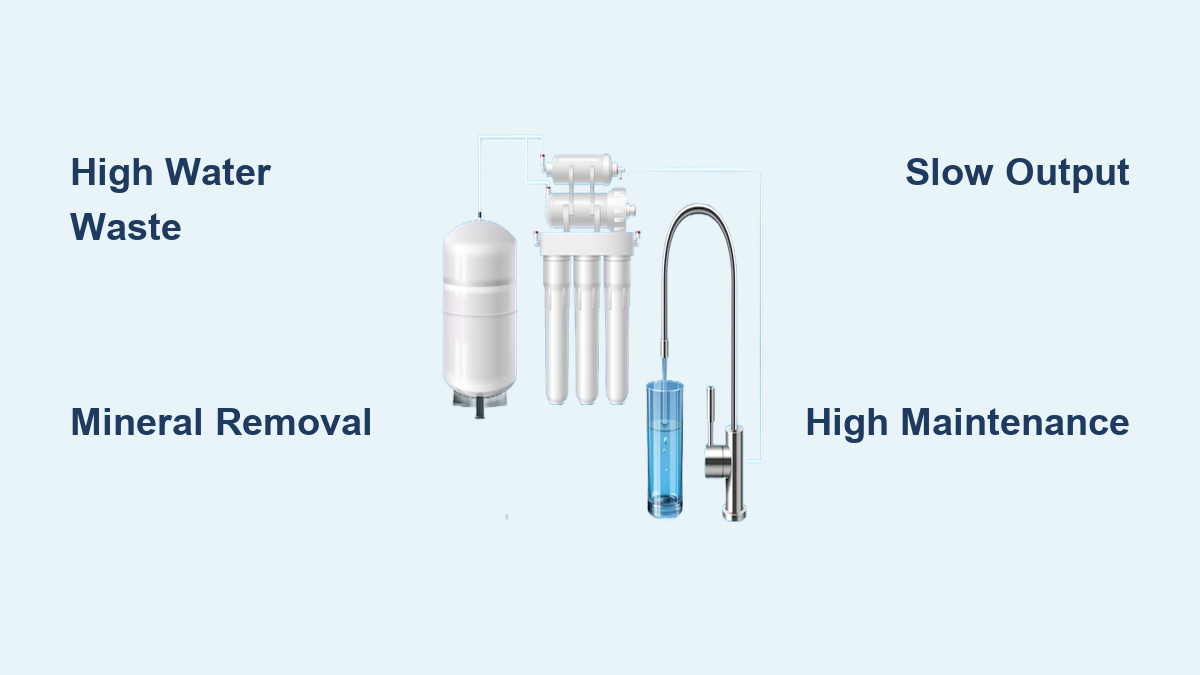
If you depend on reverse osmosis (RO) for clean drinking water, you’re likely getting some of the purest water available at home. RO systems remove lead, arsenic, PFAS, nitrates, and over 99% of total dissolved solids, making them a top choice for households worried about contamination. But powerful purification comes with real trade-offs. Water waste, mineral loss, slow output, and ongoing maintenance can affect your budget, convenience, and even long-term health if left unmanaged.
Knowing these drawbacks helps you make smarter decisions, whether you’re installing a new system or optimizing one you already own. From gallons of water flushed down the drain to the flat taste of demineralized water, this guide breaks down the real-world limitations of reverse osmosis and offers practical solutions to manage them.
High Water Waste and Low Efficiency

Reverse osmosis systems are powerful purifiers, but they consume far more water than they produce. For every gallon of purified water, traditional RO units can waste 3 to 5 gallons, and sometimes more.
Why RO Wastes So Much Water
The RO membrane blocks contaminants by allowing only water molecules to pass through. The rejected impurities, along with a large volume of water, are flushed away as “reject water” to prevent clogging and maintain pressure. Without this continuous purge, the membrane would quickly scale and fail. This design makes RO one of the most water-intensive home filtration methods available.
Real-World Waste Ratios
- Traditional Systems: ~25% recovery rate (1 gallon purified : 3–5 gallons wasted)
- Improved Models: ~30–50% recovery
- High-Efficiency Units (e.g., A. O. Smith S600): Up to 66% recovery (2 gallons purified : 1 gallon wasted)
In drought-prone regions like California or Cyprus, this level of waste raises environmental concerns and can drive up utility bills over time.
How to Reduce RO Water Waste
- Install a permeate pump: Boosts efficiency by using reject water pressure to push purified water into the tank, cutting waste by up to 80%.
- Choose high-efficiency systems: Look for models with 1:1 or 2:1 waste ratios.
- Repurpose reject water: Use it for mopping floors, washing cars, or watering non-edible plants (avoid if water contains heavy metals or high TDS).
- Limit RO use to drinking and cooking: Avoid whole-house filtration to minimize total volume waste.
Removes Beneficial Minerals

RO doesn’t distinguish between harmful contaminants and essential minerals. It strips out calcium, magnesium, iron, and trace nutrients along with the toxins.
Which Minerals Are Lost?
- Calcium
- Magnesium
- Potassium
- Sodium
- Bicarbonates
These minerals affect water’s taste and support heart function, muscle health, and bone development.
Health Implications of Demineralized Water
A 1980 World Health Organization (WHO) report warned that long-term consumption of low-mineral water may lead to:
- Increased risk of heart issues
- Muscle cramps and fatigue
- Poor mineral absorption
- Higher urinary excretion of magnesium and calcium
- Potential developmental issues in children
Population studies in the Czech Republic and Slovakia linked demineralized water to cardiovascular symptoms and acute mineral deficiencies.
Does Diet Fully Compensate?
While most minerals come from food, research suggests drinking water contributes 5–20% of daily intake, especially for calcium and magnesium. Low-mineral water may also increase the body’s loss of these nutrients, reducing net retention.
How to Restore Minerals in RO Water
- Remineralization filters: Many modern RO systems include a final stage that adds back calcium and magnesium (e.g., MinTech cartridges). This improves taste and raises pH.
- Mineral drops: Add liquid mineral supplements post-filtration.
- Alkaline pitchers: Use post-RO pitchers designed to reintroduce minerals and balance pH.
- Dietary focus: Increase intake of leafy greens, nuts, seeds, and dairy to offset mineral loss.
Slow Filtration and Storage Needs
Unlike carbon filters that deliver instant flow, RO systems produce purified water slowly, often just a few ounces per minute.
Why RO Is So Slow
The semi-permeable membrane filters water molecule by molecule under pressure. This physical resistance limits flow rate, especially in lower-pressure homes.
Typical Output Rates
- Standard RO systems: 50–100 gallons per day (GPD)
- High-output models: 150–400 GPD
- Actual flow at faucet: ~0.5–1 gallon per minute (after storage)
If you run out of stored water, refill time can take hours.
Storage Tank Dependency
Most RO systems include a 3–4 gallon pressurized tank to store purified water for on-demand use. This setup:
- Takes up under-sink space
- Limits total available volume
- Can develop biofilm if not sanitized annually
Performance in Low-Pressure Homes
RO requires 40–50 PSI minimum water pressure. Homes with low pressure (<40 PSI) experience:
- Slower production
- Higher waste ratios
- Risk of membrane fouling
Solutions:
- Install a booster pump to maintain pressure
- Upgrade to a tankless RO system with high-efficiency membranes
- Use a larger storage tank for high-volume households
High Maintenance and Filter Costs
RO systems are more complex than standard filters, requiring regular upkeep to maintain performance and safety.
Required Maintenance Schedule
- Sediment pre-filter: Every 6–12 months
- Carbon pre-filter: Every 6–12 months
- RO membrane: Every 1–2 years
- Post-carbon filter: Every 12 months
- Storage tank: Sanitize annually
Neglecting maintenance leads to:
- Reduced contaminant removal
- Clogged membranes
- Bacterial growth in the tank
- Increased water waste
Ongoing Costs
- Pre-filters: $20–$40 each
- RO membrane: $50–$150
- Post-filter: $20–$40
- Annual maintenance total: $100–$250+
Add to this the initial system cost ($200–$500+), and RO has a higher total cost of ownership than basic filters.
DIY vs. Professional Service
- Modern systems: Many feature twist-and-lock filters for easy DIY replacement.
- Complex setups: Systems with booster pumps, remineralization, or non-standard plumbing may require professional help ($100–$200 per service).
Pro Tip: Choose models with smart filter indicators that alert you when replacements are due. Some even shut off automatically to prevent damage.
Installation Challenges and Space Needs
Installing an RO system isn’t always simple. It requires space, plumbing access, and often pre-treatment.
Under-Sink Space Requirements
A standard RO system includes:
- 3–4 filter housings
- RO membrane housing
- Pressurized storage tank (10–12 inches tall)
- Drain saddle
- Faucet connection
This setup can be too bulky for small cabinets or under-counter spaces with existing appliances.
Drain Line and Plumbing Needs
- Requires a dedicated drain connection (usually via a saddle clamp on the sink’s drain pipe).
- May need plumbing modifications if no accessible drain is nearby.
- Some models require electrical outlets for booster pumps or smart features.
Noise and Aesthetics
- RO systems can produce hissing or gurgling sounds during filtration and flushing cycles.
- The separate faucet required for RO water adds another hole in the sink or countertop.
Best Practice: Install only at point-of-use (kitchen sink) to avoid bacterial growth in pipes due to lack of residual chlorine.
Pre-Treatment Needs for Problem Water
Not all water sources are RO-ready. Hard water, high sediment, or chlorine levels can damage the system without proper pre-treatment.
Hard Water Risks
High calcium and magnesium levels cause scale buildup on the RO membrane, reducing efficiency and lifespan.
Solution: Install a water softener upstream of the RO system in hard water areas (e.g., Ohio, Jacksonville Beach).
Sediment and Chlorine Damage
- Sediment: Clogs pre-filters and membranes. Use a 5-micron sediment filter as the first stage.
- Chlorine: Degrades polyamide RO membranes over time. Use a carbon pre-filter to remove chlorine before it reaches the membrane.
When to Test Your Water
Before installing RO:
- Check your local water quality report (for municipal supply)
- Test private wells for hardness, iron, TDS, and contaminants
- Determine if pre-softening or additional pre-filters are needed
Without proper pre-treatment, RO systems can fail within months.
Cost-Benefit Trade-Offs
While RO has higher upfront and maintenance costs, it can save money in the long run, especially if you currently buy bottled water.
Upfront vs. Ongoing Costs
- RO Initial Cost: $200–$500
- RO Annual Maintenance: $100–$250
- RO Cost per Liter: ₱0.80–₱1.25
- Bottled Water Annual Cost: $500–$1,500+
- Bottled Water Cost per Liter: ₱20–₱50+
Switching from bottled water to RO pays for the system in 1–2 years.
Energy and Appliance Benefits
- RO uses minimal energy (only water pressure, unless a pump is added).
- Using RO water in coffee makers, kettles, and humidifiers reduces limescale, extending appliance life.
- However, whole-house RO is impractical due to cost and waste.
Health Cost Savings
RO’s ability to remove lead, PFAS, uranium, and nitrates can prevent long-term health issues, especially in children and pregnant women. The cost of medical treatment for contamination-related illness far exceeds RO maintenance.
Comparison with Other Filters
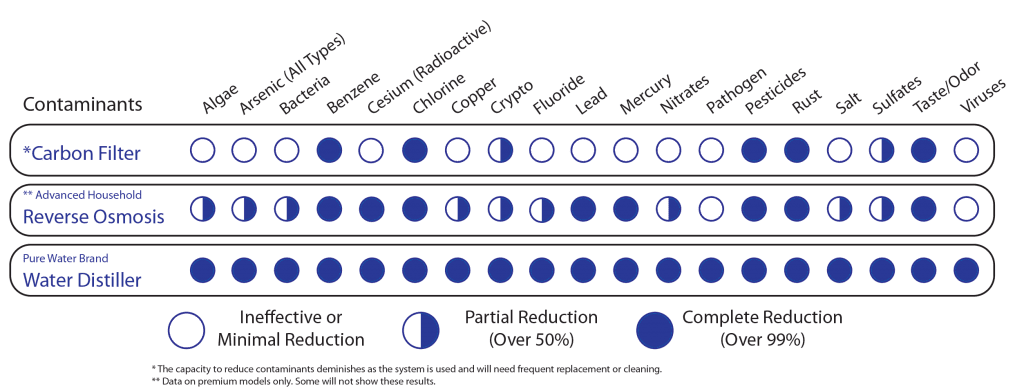
RO isn’t always the best choice. Here’s how it stacks up against alternatives:
- RO: Removes 92–99% of TDS and heavy metals. High water waste (3–5:1). Slow, needs tank. Best for drinking/cooking with high purity.
- Carbon Filter: Does not remove TDS/heavy metals. No water waste. Instant flow. Best for taste/odor improvement.
- Distilled: Removes almost everything including minerals. High energy/water loss. Very slow. Best for lab/medical use.
- Whole-House: Does not remove TDS/heavy metals. Low waste. Instant flow. Best for whole-home sediment/chlorine reduction.
When to Choose What:
- RO: High contamination risk, PFAS, lead, or nitrates in water
- Carbon filter: Chlorine taste, VOCs, low contamination
- Distilled: Medical or lab needs (not daily drinking)
- Whole-house: Sediment reduction, chlorine removal for showers
Frequently Asked Questions About Reverse Osmosis Limitations
How much water does a reverse osmosis system waste?
Traditional RO systems waste 3 to 5 gallons for every gallon of purified water produced. High-efficiency models can reduce this to a 1:1 or 2:1 ratio, with some advanced units achieving up to 66% recovery.
Does reverse osmosis remove healthy minerals from water?
Yes. RO strips out calcium, magnesium, potassium, sodium, and other trace minerals along with contaminants. This can lead to flat-tasting water and potential mineral deficiencies over time, which is why many systems include a remineralization stage.
Why is reverse osmosis water so slow?
The semi-permeable membrane filters water molecule by molecule under pressure, creating physical resistance. Most RO systems produce only 50–100 gallons per day and rely on a storage tank to deliver water on demand.
How often do RO filters need to be replaced?
Sediment and carbon pre-filters typically need replacement every 6–12 months. The RO membrane lasts 1–2 years, and post-carbon filters need annual replacement. The storage tank should be sanitized once a year.
Can RO water harm your health?
RO water is generally safe, but long-term consumption of demineralized water has been linked to potential health concerns, including mineral deficiencies and cardiovascular issues, according to a 1980 WHO report. Using a remineralization filter or maintaining a mineral-rich diet can offset these effects.
Is RO worth the cost compared to bottled water?
Yes. While RO systems cost $200–$500 upfront plus $100–$250 annually in maintenance, the cost per liter is ₱0.80–₱1.25 compared to ₱20–₱50+ for bottled water. Most households recover the system cost within 1–2 years.
Key Takeaways for Managing Reverse Osmosis Limitations
Reverse osmosis delivers unmatched contaminant removal, but it’s not a set-and-forget solution. High water waste, mineral loss, slow output, and maintenance demands are real constraints that require active management.
To get the most from your RO system:
- Choose a high-efficiency model with at least 50% recovery to minimize water waste
- Add a remineralization cartridge to restore calcium and magnesium
- Install a booster pump if your home’s water pressure is below 40 PSI
- Stay on top of filter replacements using smart alerts when available
- Test your water before installation to identify any pre-treatment needs
The key is matching the technology to your water quality, household size, and conservation priorities. With the right setup and smart usage habits, RO can be a safe, cost-effective, and environmentally responsible choice for clean drinking water.