Does Reverse Osmosis Remove Sodium From Water?

If you’re watching your sodium intake because of high blood pressure, kidney concerns, or a doctor’s recommendation, your tap water might be an overlooked source of dietary salt, especially if your home uses a water softener. The good news is that reverse osmosis removes up to 99% of sodium from water, making it the most effective residential filtration method for reducing salt content. Originally developed for desalinating seawater, RO technology uses a semi-permeable membrane to block dissolved salts and ions while letting pure water molecules pass through. In this guide, you’ll learn exactly how RO removes sodium, how it compares to water softeners, what else it filters out, and how to keep your drinking water safe and healthy.
How Reverse Osmosis Removes Sodium
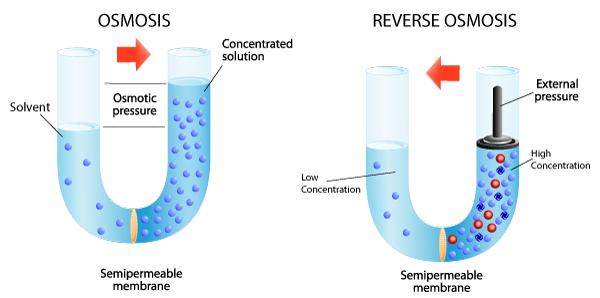
The Science Behind Salt Filtration
Reverse osmosis works by forcing pressurized water through a tightly woven, semi-permeable membrane with pores as small as 0.0001 microns. Sodium exists in water as positively charged ions that are larger than neutral water molecules. Because the RO membrane blocks both size-excluded particles and charged ions, sodium cannot pass through. Instead, it gets flushed away in the system’s waste stream, leaving behind purified water.
This process isn’t selective only for sodium. It removes virtually all dissolved salts, including chloride, calcium, magnesium, and potassium ions. That is why RO is used globally for seawater desalination and trusted by major bottled water brands like Dasani and Aquafina to produce low-sodium, ultra-pure drinking water.
Efficiency and Real-World Performance
Under optimal conditions, reverse osmosis systems remove up to 99% of dissolved salts, including sodium. Actual performance depends on several factors:
- Water pressure: Higher pressure improves salt rejection.
- Temperature: Warmer water flows more easily through the membrane.
- Membrane condition: A worn or fouled membrane loses efficiency.
- Pre-filtration: Sediment and chlorine must be removed before the membrane to prevent damage.
Most under-sink RO units deliver sodium levels low enough for restricted diets, even when fed water with elevated sodium from a softener.
RO vs. Water Softeners: Opposite Effects on Sodium
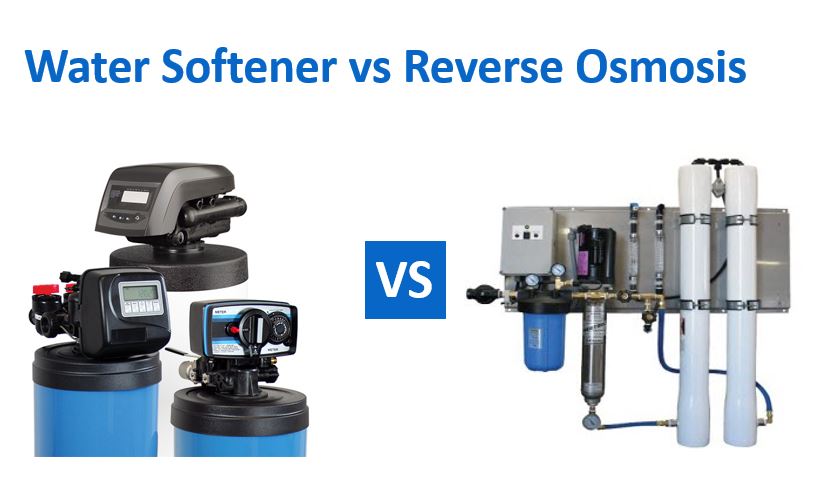
Why Softeners Increase Sodium
Water softeners use ion exchange to replace calcium and magnesium with sodium or potassium ions. For every grain of hardness removed, the softener adds sodium to the water. In areas with very hard water, this can push sodium levels high enough to concern people on restricted diets.
While softeners improve soap lathering, reduce scale buildup, and extend appliance life, they do not reduce chemical contaminants, heavy metals, or existing sodium in the source water. In fact, they make the sodium problem worse for drinking purposes.
RO Reverses Softener-Added Sodium
A reverse osmosis system installed at the kitchen sink specifically targets the sodium added by the softener. It pulls water after it has been softened and strips out the excess sodium, along with nitrates, lead, pesticides, and other dissolved solids. The result is soft water for your plumbing and appliances, but low-sodium, purified water from your drinking tap.
This dual-system setup, softener plus RO, is ideal for homes with hard water and health-conscious residents.
What Else RO Removes Besides Sodium
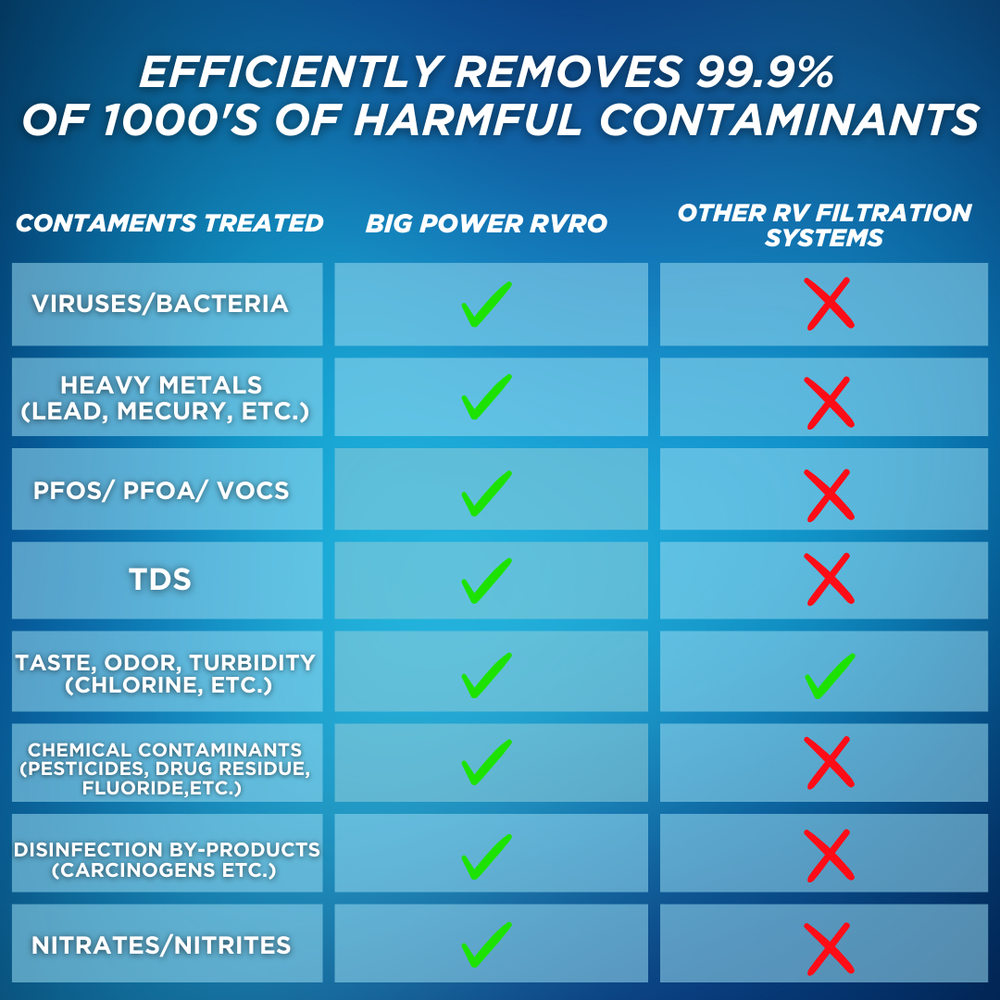
Broad-Spectrum Contaminant Reduction
The RO membrane doesn’t just stop at sodium. Its fine filtration captures a wide range of impurities based on size and charge:
- Heavy metals: Lead, mercury, cadmium, arsenic
- Nitrates and sulfates: Common in agricultural runoff
- Pesticides and herbicides: From surface water contamination
- Fluoride and chlorine: Often added during municipal treatment
- Microorganisms: Bacteria, viruses, and parasites like Cryptosporidium
Because RO removes both harmful and beneficial minerals, the output is demineralized water that is very pure but lacks calcium, magnesium, and potassium.
Contaminants RO May Not Fully Remove
While highly effective, RO is less efficient at removing:
- Dissolved gases like radon or carbon dioxide
- Volatile organic compounds (VOCs) such as benzene, though many systems include carbon post-filters to address these
- Some pharmaceuticals, with removal varying by compound
For comprehensive protection, ensure your RO system includes activated carbon stages before and after the membrane.
Health Impact of Demineralized RO Water
Long-Term Effects of Mineral Loss
Removing sodium is beneficial for those on salt-restricted diets, but the simultaneous removal of essential minerals raises questions. There is ongoing discussion about whether long-term consumption of demineralized water affects overall mineral balance, since drinking water contributes a portion of daily mineral intake for many people.
Re-mineralization: Restoring Balance
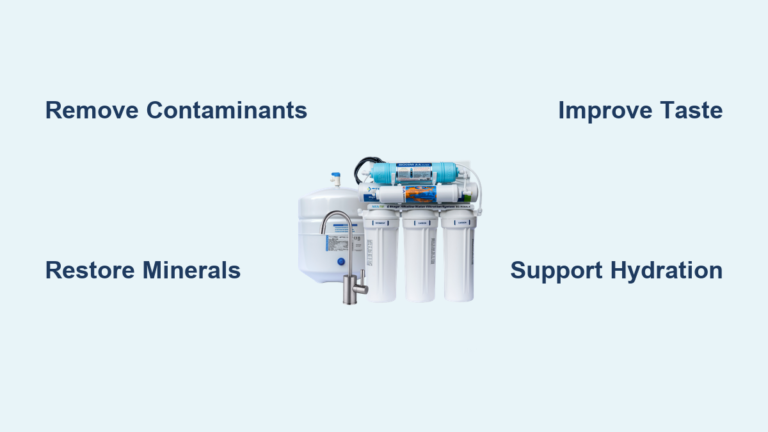
To counteract demineralization, many modern RO systems include a re-mineralization stage:
- Calcium and magnesium media: Adds back beneficial minerals post-RO
- Alkaline filters: Raise pH and improve taste
- Mineral drops or tablets: Can be added to water after filtration
These enhancements restore taste and provide a more balanced mineral profile without reintroducing sodium.
System Setup and Installation Tips

Ideal Placement and Flow
RO systems are typically installed under the kitchen sink, with a dedicated faucet for drinking and cooking. Key installation considerations include:
- Feed water source: Connect after the softener if used
- Drain line: Required to flush concentrated waste water
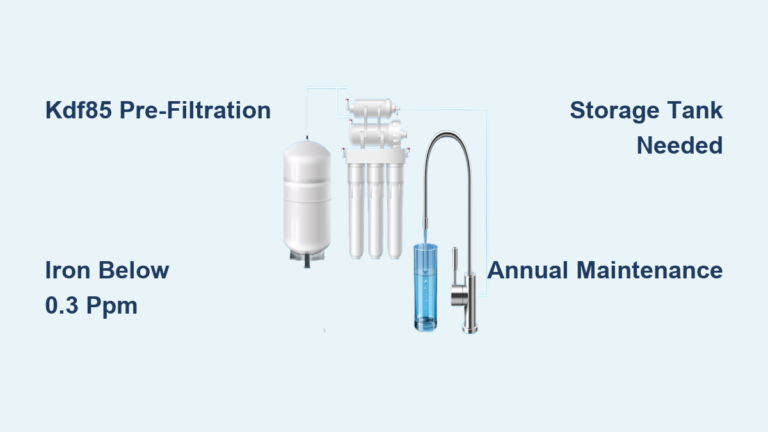
- Storage tank: Holds purified water under pressure for immediate use
- Air gap faucet: Prevents backflow contamination in some models
Avoid installing RO units before the softener, because hard water will rapidly scale the membrane and reduce lifespan.
Dual-System Synergy: Softener + RO
For best results in hard water areas:
- Whole-house softener removes calcium and magnesium
- Softened water feeds the RO system
- RO removes sodium, nitrates, lead, and other contaminants
- Re-mineralization filter restores healthy minerals
This configuration protects the RO membrane and delivers high-quality drinking water.
Maintenance for Safety and Performance
Filter Replacement Schedule
To maintain peak efficiency and prevent contamination:
- Pre-filters (sediment and carbon): Replace every 6 to 12 months
- RO membrane: Lasts 2 to 5 years depending on water quality
- Post-filter: Replace every 12 months or with membrane
- Re-mineralization cartridge: Replace per manufacturer guidelines
Clogged pre-filters reduce water pressure and strain the pump, lowering sodium removal efficiency.
Preventing Bacterial Contamination
One often-overlooked risk in RO systems is microbial growth in pre-filters and housings. When changing filters, disturbed biofilm can introduce bacteria into the system. To prevent this:
- Use RO systems with disinfection mode: Advanced models allow you to flush the entire unit, including tubing and faucet, with chlorinated water during filter changes.
- Sanitize periodically: Even without a built-in feature, manually disinfect the system using a diluted bleach solution per manufacturer instructions.
This ensures that purified water stays safe from pathogens.
Who Should Use RO for Sodium Reduction?
Ideal Candidates
Reverse osmosis is strongly recommended for:
- People on low-sodium diets due to hypertension, heart failure, or kidney disease
- Homes with water softeners adding significant sodium
- Areas with brackish or high-TDS groundwater
- Families seeking cleaner-tasting, safer drinking water
If your water tests above 20 mg/L sodium, or if you’re on medication that restricts salt, RO provides reliable reduction.
When RO Might Be Overkill
RO may not be necessary if:
- Your water is already low in sodium
- You don’t use a water softener
- You rely on municipal water with consistent quality
In such cases, a high-quality carbon filter may suffice for taste and chlorine removal.
Cost, Savings, and Environmental Impact
Upfront and Ongoing Costs
- Initial cost: $150 to $500 for a standard under-sink RO system
- Installation: DIY possible or $100 to $300 professional
- Annual maintenance: $75 to $150 for filters and membrane
Despite the investment, RO pays for itself in 1 to 3 years by eliminating bottled water purchases.
Environmental Benefits
- Reduces plastic waste: One RO system can replace hundreds of plastic bottles annually
- Lowers carbon footprint: No transportation or packaging needed
- Sustainable hydration: Continuous supply of purified water at home
Compared to buying bottled water, RO is both eco-friendly and cost-effective.
Frequently Asked Questions About Reverse Osmosis and Sodium Removal
How much sodium does reverse osmosis actually remove?
RO systems can remove up to 99% of dissolved salts, including sodium. Most under-sink units bring sodium levels well below 10 mg/L, even when the source water contains elevated sodium from a softener or natural salinity.
Does a water softener add sodium to drinking water?
Yes. Water softeners replace calcium and magnesium with sodium or potassium ions. The harder your water, the more sodium the softener adds, which can be a concern for people on restricted diets.
Can RO remove sodium added by a water softener?
Yes. Installing an RO system at the kitchen sink removes the sodium added by the softener, along with other contaminants like lead, nitrates, and pesticides. This is why pairing a softener with RO is ideal for hard water homes.
Is demineralized RO water safe to drink long-term?
RO water is safe to drink, but it lacks beneficial minerals like calcium and magnesium. Many systems include re-mineralization stages, or you can supplement your diet or use mineral drops to restore balance.
What contaminants does RO not remove effectively?
RO is less effective against dissolved gases like radon, some volatile organic compounds, and certain pharmaceuticals. Adding activated carbon pre- and post-filters improves removal of these substances.
How often should I replace RO filters to maintain sodium removal?
Replace pre-filters every 6 to 12 months, post-filters annually, and the membrane every 2 to 5 years. Regular maintenance keeps sodium removal efficiency high and prevents bacterial contamination.
Key Takeaways for Reducing Sodium With Reverse Osmosis
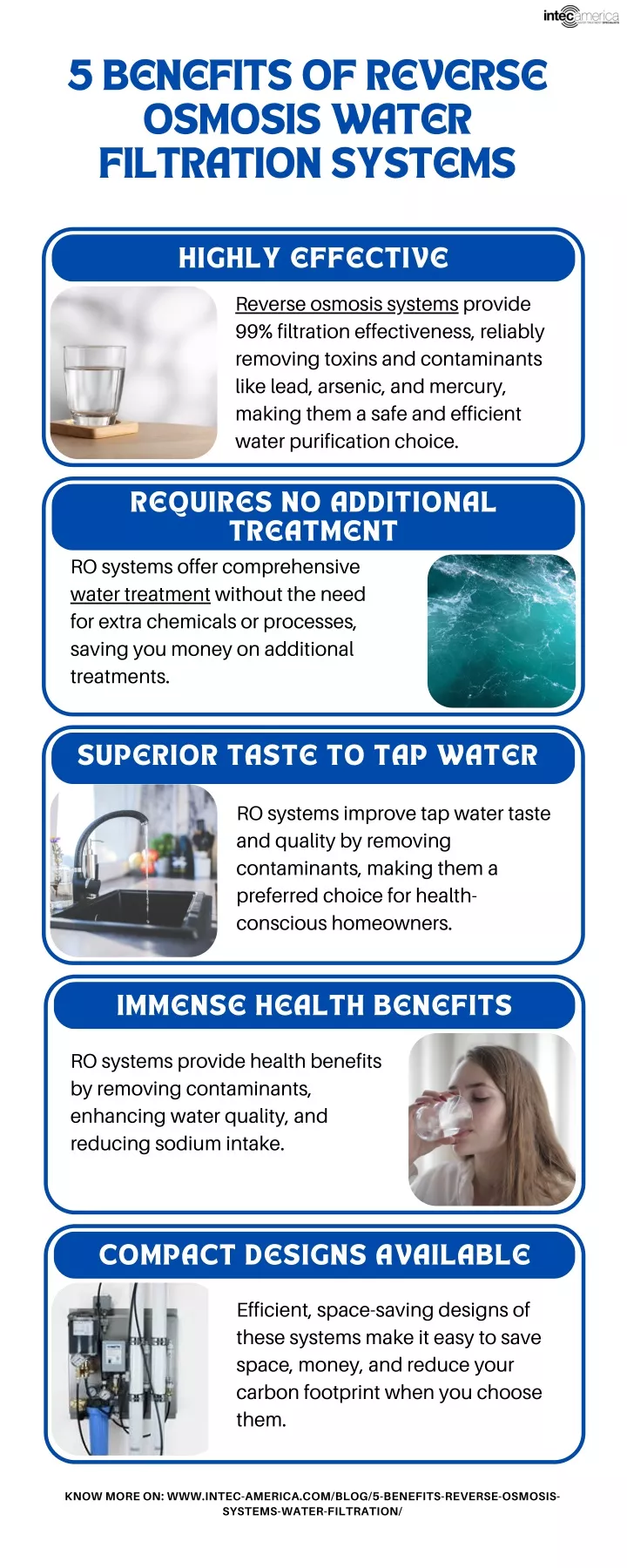
Reverse osmosis is the gold standard for removing sodium from drinking water, capable of stripping out up to 99% of dissolved salts. Whether your water naturally contains salt or your softener is adding it, RO delivers safe, clean water ideal for health-conscious households. When paired with a water softener, it offers a complete solution: soft water for appliances and low-sodium water for consumption. To maintain health benefits, consider a re-mineralized RO system or supplement your diet with calcium and magnesium. Start by testing your tap water for sodium levels, then choose an RO system that fits your home setup and maintenance preferences.