Why Water Purifier Maintenance Matters
Imagine turning on your tap, pouring a glass of water, and trusting it is safe, only to learn later that your purifier, though still running, has silently failed. This scenario is more common than most people realize. Millions of households and businesses rely on water purifiers daily, but without proper upkeep, these systems can quietly become sources of contamination rather than protection. The importance of water purifier maintenance lies in its direct impact on health, performance, and long-term savings.
Water purifiers, whether RO, UV, UF, or carbon-based, are not install-and-forget appliances. Over time, filters clog, membranes foul, and storage tanks breed bacteria. When maintenance is skipped, the system’s ability to remove bacteria, viruses, heavy metals, and chemicals deteriorates. What comes out may look clean but could contain harmful contaminants. In fact, neglected purifiers can introduce secondary pollution through bio-fouling or leaking seals, making water less safe than untreated tap water. This guide explains why maintenance is non-negotiable and how it protects your health, wallet, and peace of mind.
Prevent Waterborne Diseases
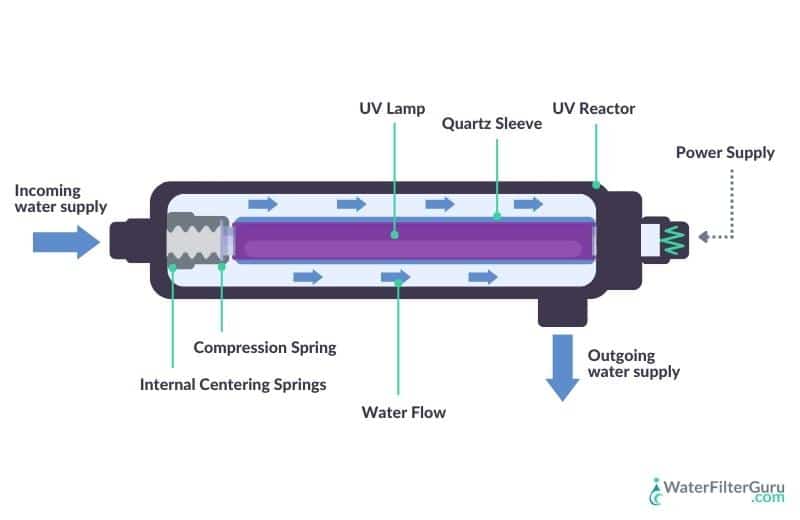
Clean water is your first line of defense against illness. A poorly maintained purifier can fail silently, putting you and your family at risk.
Stop Bacteria and Viruses from Leaking
UV and RO systems are designed to destroy or block microbes, but only when functioning correctly. A UV lamp loses its germ-killing power after about 9,000 hours, even if it still glows. Without replacement, it offers no real protection. Similarly, bio-fouling on RO membranes creates a breeding ground for bacteria that can leach into purified water. Regular sanitization and timely UV lamp changes keep disinfection effective.
Avoid Heavy Metal Contamination
RO membranes remove lead, arsenic, and other toxic metals. When these membranes degrade or seals fail due to wear, contaminants bypass the system. A sudden rise in TDS (Total Dissolved Solids) in your purified water is a red flag. Testing output water every 3 to 6 months helps catch membrane failure early, preventing long-term exposure to dangerous substances.
Eliminate Secondary Pollution Risks
Storage tanks left uncleaned for months become reservoirs for mold, algae, and pathogens. Stagnant water, especially in warm environments, encourages biofilm formation. Sanitize your tank every 6 to 12 months using approved methods like ozone or food-grade disinfectants to eliminate hidden threats.
Keep Water Tasting Fresh

Safe water should also taste good. Maintenance directly affects flavor, smell, and clarity, key elements of daily satisfaction.
Remove Chlorine and Odors
Activated carbon filters absorb chlorine, pesticides, and organic compounds that affect taste. Once saturated, typically after 6 to 12 months, they stop working. If your water starts smelling like a swimming pool or tastes metallic, it is time to replace the carbon filter. Ignoring this leads to unpleasant drinking experiences and reduced appliance performance.
Prevent Cloudy or Gritty Water
Sediment filters trap rust, sand, and silt. When clogged, they lose efficiency, allowing particles into your glass. If water appears cloudy or you feel grit when drinking, inspect the PP cotton filter. Replace it every 1 to 3 months, especially in areas with hard or muddy water supply.
Protect Cooking and Beverage Quality
In kitchens and cafes, water quality defines the taste of coffee, tea, soups, and ice. Poor filtration alters flavor profiles and causes scale buildup in coffee machines and steamers. Regular filter changes ensure consistent, high-quality results in every dish and drink.
Meet Safety and Compliance Standards
For businesses, maintaining water quality is not just about taste. It is a legal obligation.
Follow Industry Regulations
Food service, healthcare, and hospitality sectors must meet strict water safety standards. Routine maintenance with documented logs proves compliance during audits. Skipping service risks fines, shutdowns, or loss of certification. A single incident of waterborne illness linked to poor filtration can destroy a brand’s reputation.
Prepare for Health Inspections
Inspectors check not just water quality but also maintenance records. Keep a log of filter replacements, sanitization dates, and TDS test results. Digital trackers or annual maintenance contracts (AMC) provide automatic reminders and professional reports, ensuring you are always audit-ready.
Maximize System Performance
A well-maintained purifier delivers fast, consistent water flow without strain.
Restore Low Water Pressure
Slow dripping from the tap often points to clogged pre-filters. Replacing sediment and carbon filters every 3 to 6 months restores flow rate and prevents the RO pump from overworking. Check pressure gauges monthly, as sudden drops signal blockages.
Reduce Filtration Time
As filters load up with debris, purification slows down. A system that once filled a glass in 10 seconds may take 30. Routine servicing keeps internal pathways clear, ensuring quick access to clean water.
Minimize Water Wastage
RO systems naturally produce reject water, but poor maintenance increases this ratio. A fouled membrane or incorrect flow restrictor can double waste output. Clean membranes and optimize settings every 6 to 12 months to improve recovery rate and conserve water.
Cut Energy and Repair Costs
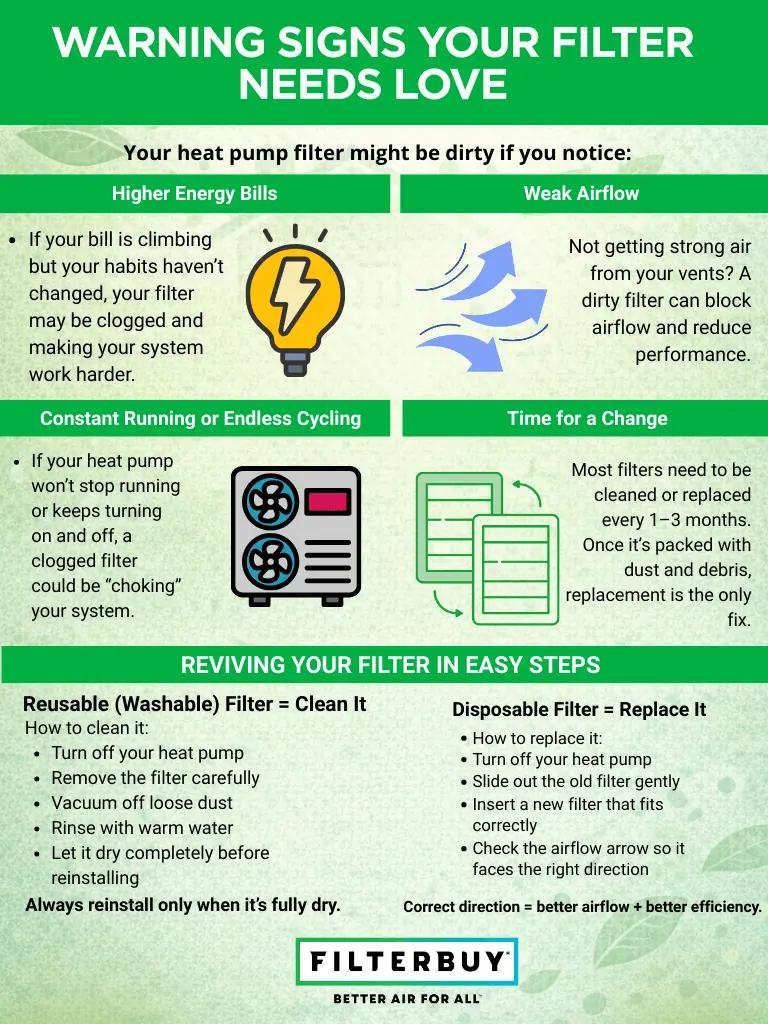
Maintenance is not an expense. It is a cost-saving strategy.
Lower Electricity Bills
When filters clog, the pump works harder to maintain pressure, increasing power consumption. A clean system runs efficiently, reducing energy use by up to 20%. For units with UV or cooling features, this adds up over time.
Avoid Expensive Repairs
Small issues like minor leaks or pressure fluctuations grow into major failures if ignored. A failing pump or burst membrane housing can cost more to repair than a year’s worth of maintenance. Early detection through regular checks prevents costly breakdowns.
Extend Equipment Lifespan
Pumps, valves, and tanks last longer when not overworked. Regular backflushing, seal inspections, and professional servicing can extend system life by up to 40%. That means delaying a $300+ replacement by several years just by investing in routine care.
Follow a Proven Maintenance Schedule

Consistency is key. Stick to a timeline based on usage and water quality.
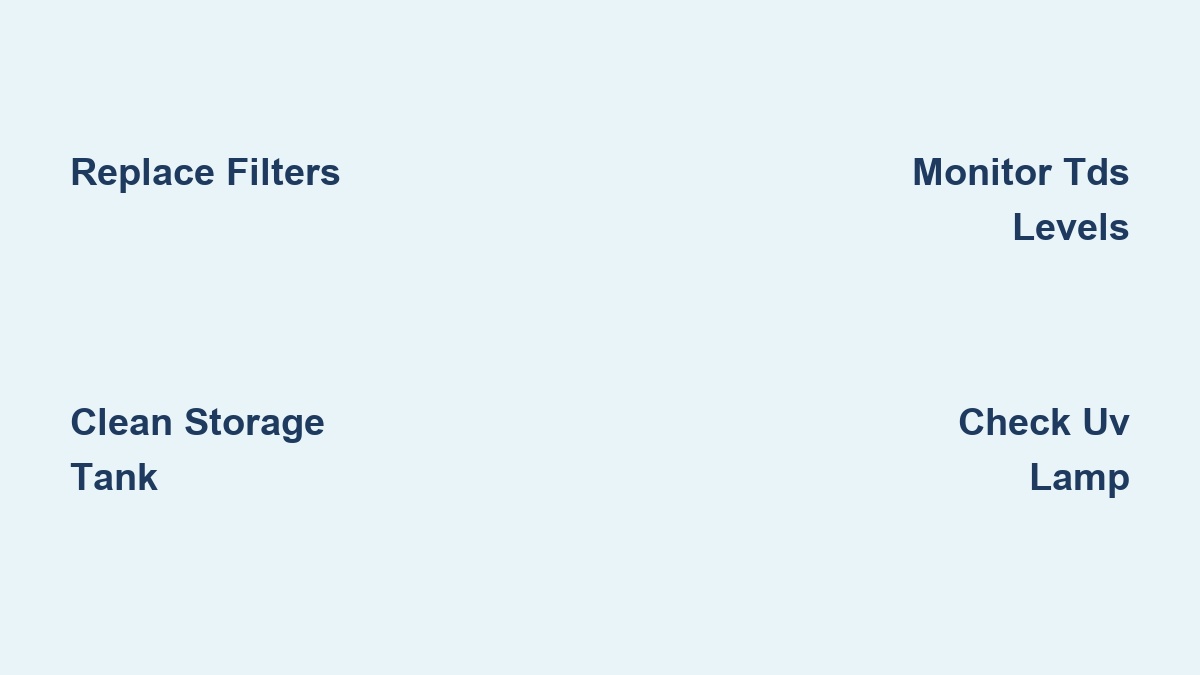
Replace Filters on Time
| Component | Interval | Signs of Failure |
|---|---|---|
| Sediment Filter | 1 to 3 months | Reduced flow, visible dirt |
| Carbon Filter | 6 to 12 months | Chlorine taste, bad odor |
| RO Membrane | 2 years (1 year in high TDS areas) | High TDS, low output |
| UV Lamp | 1 year or 9,000 hours | Age expiry, no disinfection |
| Sealing Rings | Annually | Leaks, mixed water streams |
| Tank Sanitization | Every 6 to 12 months | Foul smell, stale taste |
Set calendar alerts or enroll in an AMC for automatic replacements.
Clean the Storage Tank
- Turn off water and power.
- Drain the tank completely.
- Mix RO sanitizer or mild soap with water.
- Scrub interior with a bottle brush.
- Rinse thoroughly until no residue remains.
- Reconnect and flush the first 2 to 3 liters.
Do this twice a year to prevent bacterial growth.
Recognize Warning Signs Early
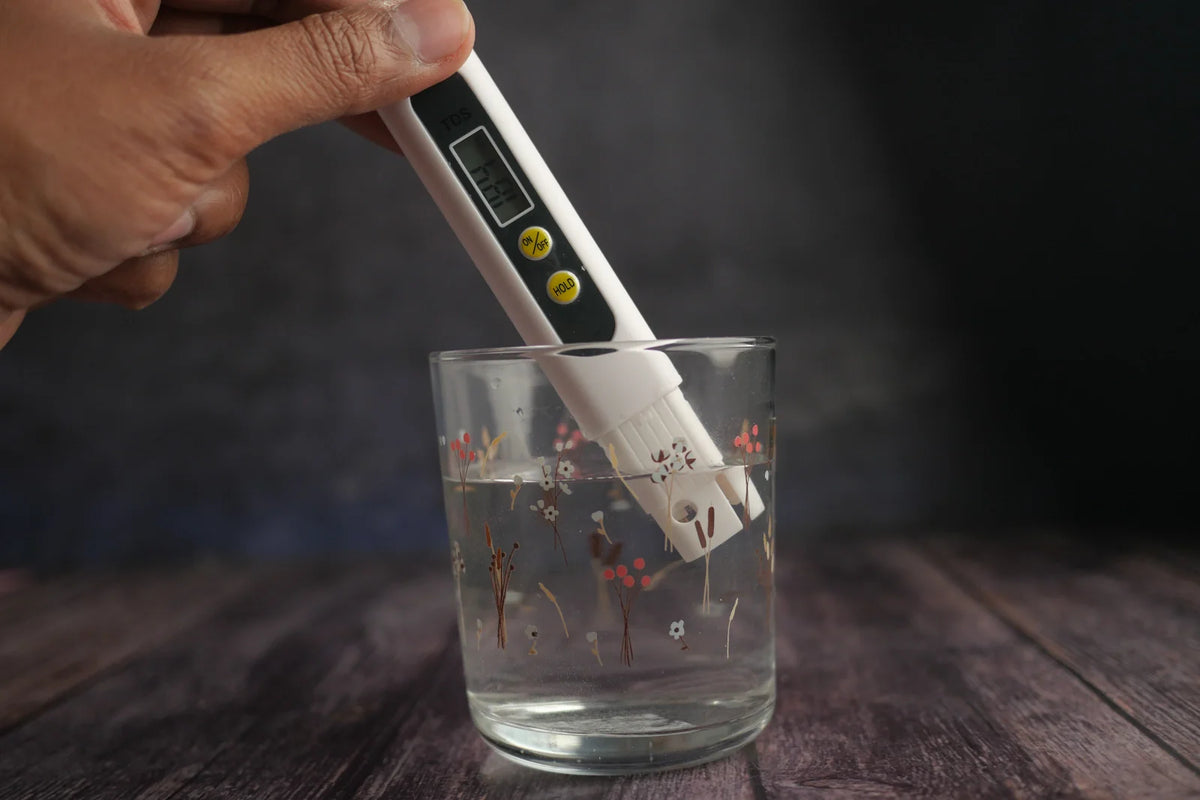
Your purifier tells you when it needs help. Listen closely.
Watch for Flow and Taste Changes
A noticeable drop in water speed or a metallic aftertaste means filters are overdue. Do not wait for complete failure. Replace pre-filters immediately and test TDS to check membrane health.
Monitor TDS Levels Regularly
Use a handheld TDS meter to test purified water monthly. Normal RO output should be under 50 ppm. If it rises above 100 ppm, inspect the membrane and seals. Sudden spikes indicate urgent issues.
Respond to Leaks and Noises
Water pooling under the unit or grinding sounds from the pump mean professional help is needed. Turn off the system and call a technician. Do not risk electrical hazards or water damage.
Know When to Call a Pro
Some tasks are best left to experts.
Handle Complex Repairs Safely
While you can replace pre-filters and clean the tank, membrane replacement, pump calibration, and electrical checks require technical skill. Improper installation can cause leaks or cross-contamination.
Use Professional Cleaning Tools
Ozone sterilizers and pressure-cleaning machines offer deeper sanitation than manual methods. Schedule professional deep cleaning at least once a year to remove biofilm and internal scale.
Maintain Warranty Coverage
Most manufacturers require professional servicing to keep warranties valid. DIY repairs with non-genuine parts often void coverage. Stick to certified technicians and original components.
Optimize for Commercial Use
Businesses face higher stakes and higher rewards with proper maintenance.
Ensure Product Consistency
Restaurants and cafes depend on clean water for flavor stability. A poorly maintained system alters coffee strength, ice clarity, and food taste. Scheduled filter changes prevent customer complaints and protect brand quality.
Prevent Equipment Damage
Hard water and contaminants destroy expensive appliances like espresso machines and ice makers. A well-maintained purifier acts as a protective barrier, reducing repair costs and downtime.
Choose the Right Service Plan
Commercial units benefit from:
– Quarterly technician visits
– Usage-based filter replacement
– 24/7 emergency support
– Compliance documentation
An AMC tailored to your usage ensures uninterrupted operation and peace of mind.
Build a Maintenance Habit
Make upkeep simple and sustainable.
Keep a Service Log
Record every filter change, cleaning, and test result. Use a notebook or app to track dates and performance. This helps predict future needs and proves diligence during inspections.
Install Monitoring Tools
Add a TDS meter or smart filter monitor to your system. These devices alert you when water quality drops or filters need changing, removing all guesswork.
Schedule Annual Professional Service
Even with DIY care, book a full system check every 12 months. Technicians inspect hidden components, clean internal lines, and test for leaks, ensuring everything runs perfectly.
Frequently Asked Questions About Water Purifier Maintenance
How often should I replace the filters in my water purifier?
Sediment filters should be replaced every 1 to 3 months, carbon filters every 6 to 12 months, and RO membranes every 2 years (or 1 year in high-TDS areas). UV lamps need replacement every year or after 9,000 hours of use.
What happens if I do not maintain my water purifier?
Neglect leads to clogged filters, membrane fouling, bacterial growth, and secondary pollution. Water may look clean but contain harmful contaminants, increasing health risks and potentially damaging the system beyond repair.
Can I clean my RO storage tank myself?
Yes. Drain the tank, scrub the interior with RO sanitizer or mild soap and a bottle brush, rinse thoroughly, and flush the first few liters before use. Do this every 6 to 12 months.
How do I know if my RO membrane is failing?
Watch for a rise in TDS levels above 100 ppm in purified water, reduced output flow, or a higher-than-normal ratio of reject water. These signs indicate the membrane needs cleaning or replacement.
Is professional servicing really necessary?
Yes. While basic tasks like filter replacement can be DIY, professional servicing ensures deep sanitization, accurate diagnostics, and warranty compliance. Annual professional checks are strongly recommended.
Does maintenance really save money?
Absolutely. Regular upkeep reduces energy use by up to 20%, prevents costly repairs, and extends equipment lifespan by up to 40%. The cost of maintenance is far less than replacing a failed system or treating waterborne illness.
Key Takeaways for Maintaining Your Water Purifier
The importance of water purifier maintenance cannot be overstated. It protects your health from waterborne diseases, ensures great-tasting water, and keeps your system running efficiently. Routine care saves money on energy bills and repairs while extending the life of your equipment.
Start by following a clear maintenance schedule based on your filter types and water quality. Watch for warning signs like slow flow, strange tastes, or TDS spikes. Combine DIY tasks like filter replacement and tank cleaning with annual professional service for the best results. Your next glass of water depends on the care you give your purifier today.