How to Purify Water Without Boiling

You’re miles from civilization, your water bottle is empty, and there’s no way to start a fire. Whether you’re facing a power outage, stranded in the wilderness, or dealing with a boil-water advisory, knowing how to purify water without boiling is a critical survival skill. While boiling kills nearly all pathogens, it requires fuel, time, and equipment you may not have.
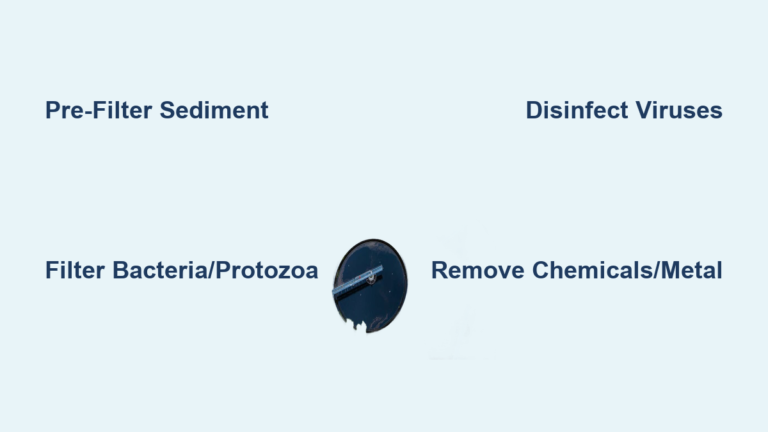
This guide covers 12 science-backed methods to make unsafe water drinkable without heat. You’ll learn chemical treatments, filtration systems, UV light devices, solar techniques, and natural alternatives—plus when to use each one for maximum safety.
Use Chemical Disinfectants for Quick Purification
Chemical disinfection kills microorganisms using active ingredients like chlorine or iodine. These methods are lightweight, require no special equipment, and work well in emergencies or outdoor adventures.
Apply Household Bleach Correctly
Household bleach (sodium hypochlorite) is one of the most accessible water treatments during emergencies. It kills bacteria and viruses effectively when used properly.
Steps:
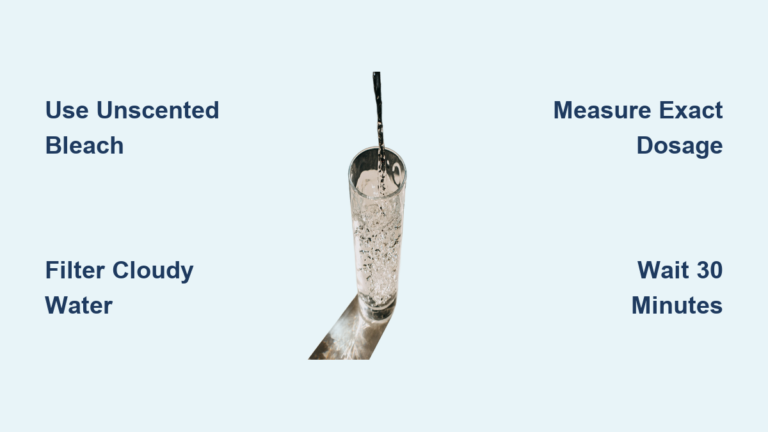
1. Filter cloudy water through a clean cloth or coffee filter first.
2. Use only unscented regular bleach with 5–9% sodium hypochlorite.
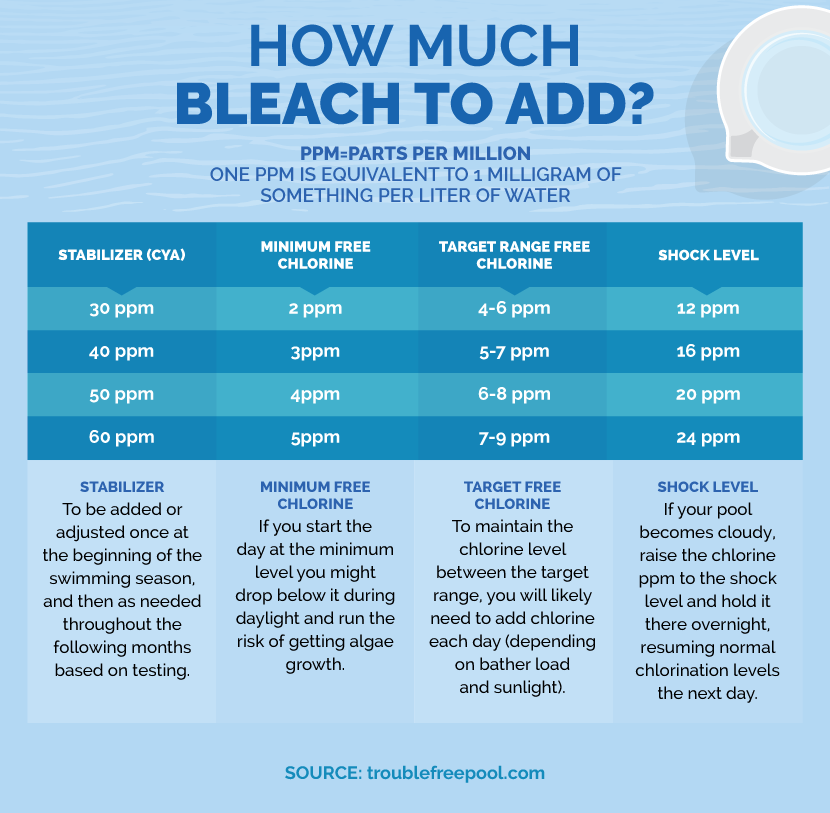
3. Add 8 drops (about 1/8 teaspoon) per gallon of clear water.
4. Double the dose for cold, colored, or murky water.
5. Stir well and wait 30 minutes before drinking.
6. Check for a faint chlorine smell. If none, repeat with half the original dose and wait 15 more minutes.
Critical Warnings:
– Never use scented, color-safe, or concentrated bleach.
– Bleach degrades over time. Replace every 6–12 months.
– Not effective against Cryptosporidium parasites.
Choose the Right Purification Tablets
Iodine and chlorine dioxide tablets offer pre-measured, convenient dosing for backpackers and emergency kits.
Compare Your Options:
– Iodine tablets: Kill bacteria and viruses in 30 minutes to 4 hours, but do not kill Cryptosporidium. Avoid if pregnant or dealing with thyroid issues. Limit use to a few weeks.
– Chlorine dioxide: Takes 30 minutes and kills Cryptosporidium, bacteria, and viruses. Best all-around chemical option.
– Potassium permanganate drops: Effective in small doses; often combined with other agents.
How to Use:
1. Fill a clean container with clear water.
2. Drop in the correct number of tablets (usually 1 per liter).
3. Wait the full contact time. Do not rush.
4. Improve taste by aerating (pour between bottles) or adding flavored drink mix after treatment.
Filter Water Using Mechanical Systems

Filtration removes contaminants by trapping them in a physical barrier. Unlike chemicals, filters provide immediate results, but not all filters remove every type of pathogen.
Select a Sub-Micron Filter
To ensure safety, choose a filter rated at 0.2 microns or smaller. This pore size blocks:
– Bacteria like E. coli and Salmonella
– Protozoan cysts such as Giardia and Cryptosporidium
Common Filter Types:
– Pump filters: Fast and effective; require manual effort.
– Squeeze filters: Lightweight; attach to bottles or hydration bladders.
– Gravity filters: Ideal for groups; hang and let water drip through.
Key Limitation: Most mechanical filters do not remove viruses due to their tiny size (0.004–0.1 microns). In areas with human or animal waste contamination, follow filtration with chemical treatment.
Maintain Your Filter for Long-Term Use
A clogged or damaged filter fails silently. Clean and care for it properly to ensure reliability.
- Ceramic filters: Scrub the surface gently with a soft brush when flow slows.
- Hollow fiber membranes: Backflush regularly. Never freeze these, as ice ruptures the fibers.
- Carbon core filters: Replace every 2–6 months or per the manufacturer’s gallon rating.
Warning: Always pre-filter cloudy water. Sediment clogs filters quickly and shields microbes from removal.
Harness UV Light for Rapid Disinfection
Ultraviolet (UV) light destroys pathogens by damaging their DNA. With no chemicals and minimal wait times, UV devices offer rapid purification when conditions are right.
Operate a UV Pen Properly
Devices like SteriPEN use UV-C light to neutralize bacteria, viruses, and protozoa in under 90 seconds.
Steps:
1. Pre-filter cloudy water through a cloth.
2. Fill a clear bottle (1-liter capacity works best).
3. Submerge the UV pen fully and activate it.
4. Stir slowly for even exposure.
5. Drink immediately after treatment.
Requirements:
– Clear water only. Turbidity blocks UV rays.
– Fully charged batteries. Failure means no purification.
– Avoid submerging below the marked line.
Pro Tip: Pair UV pens with a solar charger for off-grid reliability.
Use Solar Disinfection (SODIS) in Sunlight
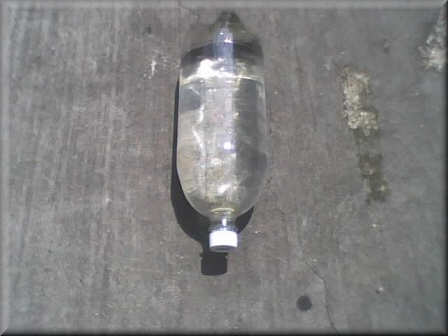
SODIS uses sunlight, specifically UV-A rays and heat, to kill pathogens. It’s free, simple, and requires only plastic bottles and sunshine.
Follow the SODIS Protocol
This method works best in tropical or high-sunlight regions.
Steps:
1. Pre-filter water through cloth to remove debris.
2. Fill clear PET plastic bottles (2L or smaller). No glass or colored plastic.
3. Lay bottles horizontally on a reflective surface like a metal roof or dark fabric.
4. Expose to direct sun:
– 6 hours on fully sunny days
– 48 hours (2 full days) if cloudy
Why It Works:
– UV-A radiation disrupts microbial DNA.
– Heat above 122°F (50°C) accelerates germ death.
Limitations:
– Ineffective in rainy or overcast weather.
– Does not remove chemicals or heavy metals.
– Less reliable against Cryptosporidium.
Build a Solar Still for Extreme Survival
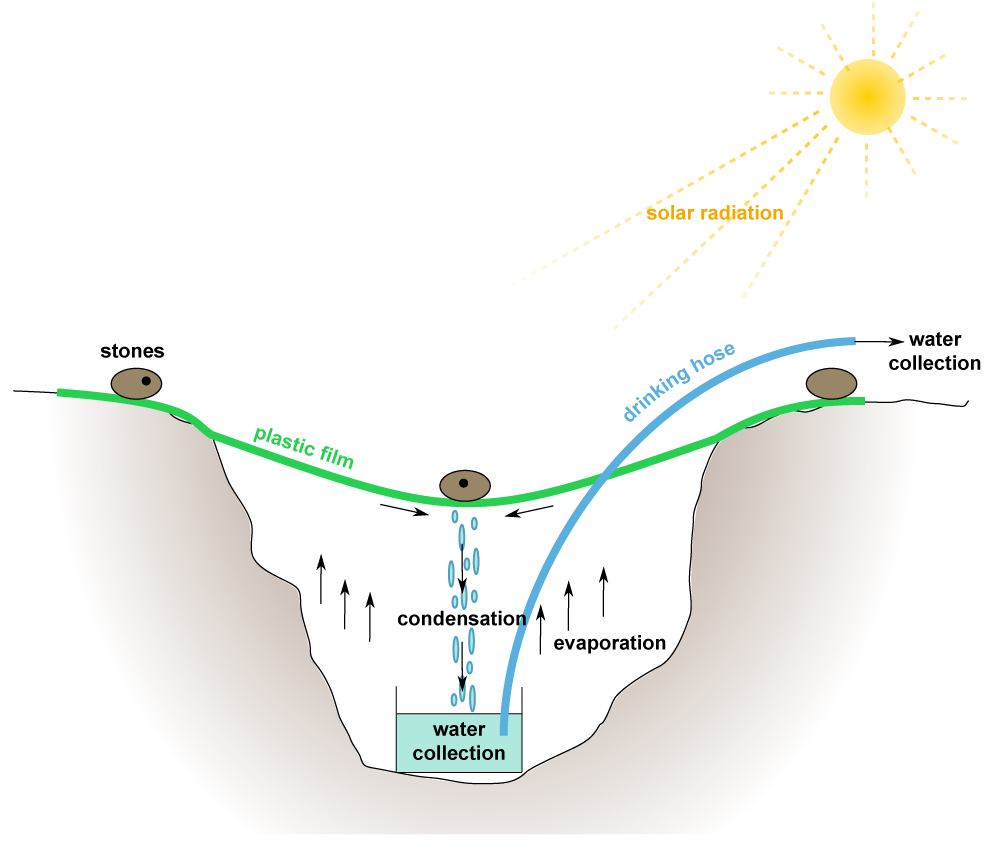
When no fresh water exists, such as in deserts or coastal zones, distillation via a solar still can extract drinkable water from saltwater, urine, or damp soil.
Construct a Ground Solar Still
This survival technique turns moisture into vapor, then condenses it into pure water.
Steps:
1. Dig a hole about 2 feet wide and 18 inches deep.
2. Place a clean cup or container in the center.
3. Add moist vegetation, seawater, or a damp cloth around (not inside) the container.
4. Cover the hole with clear plastic sheeting.
5. Seal edges with rocks or dirt.
6. Place a small rock in the center to create a low point over the container.
7. Wait 6–12 hours. Condensation will drip into the cup.
Output: Yields 1–2 cups per day, which is minimal but life-saving.
Advantage: Removes all impurities, including salt, chemicals, and pathogens.
Pre-Treat Water Before Purification
Many purification methods fail if water is cloudy. Particles shield germs from chemicals and UV light. Always clarify first.
Clarify Using Sedimentation
Let gravity do the work:
1. Pour murky water into a container.
2. Wait 6+ hours for particles to settle.
3. Carefully scoop or pour off the clear top layer.
Speed Hack: Add natural coagulants like crushed moringa seeds (if available) to speed settling.
Filter Through Improvised Materials
In the wild, create a basic filter:
1. Cut the bottom off a plastic bottle.
2. Layer from bottom to top: cloth, sand, crushed charcoal, small stones.
3. Place a moss or cloth liner at the bottom to prevent media washout.
4. Pour water through slowly.
Note: This removes sediment and some metals but does not kill microbes. Always follow with chemical, UV, or solar treatment.
Rely on Natural Materials Wisely
Some plants and natural substances have antimicrobial properties. These should supplement other methods, not replace them.
Use Antimicrobial Plant Compounds
Certain plants contain natural disinfectants:
– Oregon grape root: Contains berberine, which inhibits bacterial growth.
– Citrus peels and seeds: Rich in limonene and flavonoids with mild germ-fighting effects.
– Coconut husk fiber: Acts as a physical filter and may adsorb some contaminants.
Application: Soak clear water with crushed plant material for several hours. Effectiveness varies widely, so combine with another method.
Warning: Misidentification can lead to poisoning. Only use if you’re certain of the plant’s identity and safety.
Collect Rainwater and Dew Safely
Rain and dew are naturally distilled forms of water, but they pick up contaminants during collection.
Harvest Rainwater Correctly
- Use clean tarps, leaves, or gutters to channel rain into storage.
- First flush: Discard the initial runoff, which washes dirt and bird droppings from surfaces.
- Always purify collected rainwater by boiling, filtering, or treating chemically before drinking.
Gather Morning Dew
- Drag a clean cloth or sponge across grass early in the morning.
- Wring the water into a container.
- Treat the same as any other surface water.
Output: Low yield, but useful in emergencies.
Combine Methods for Maximum Safety
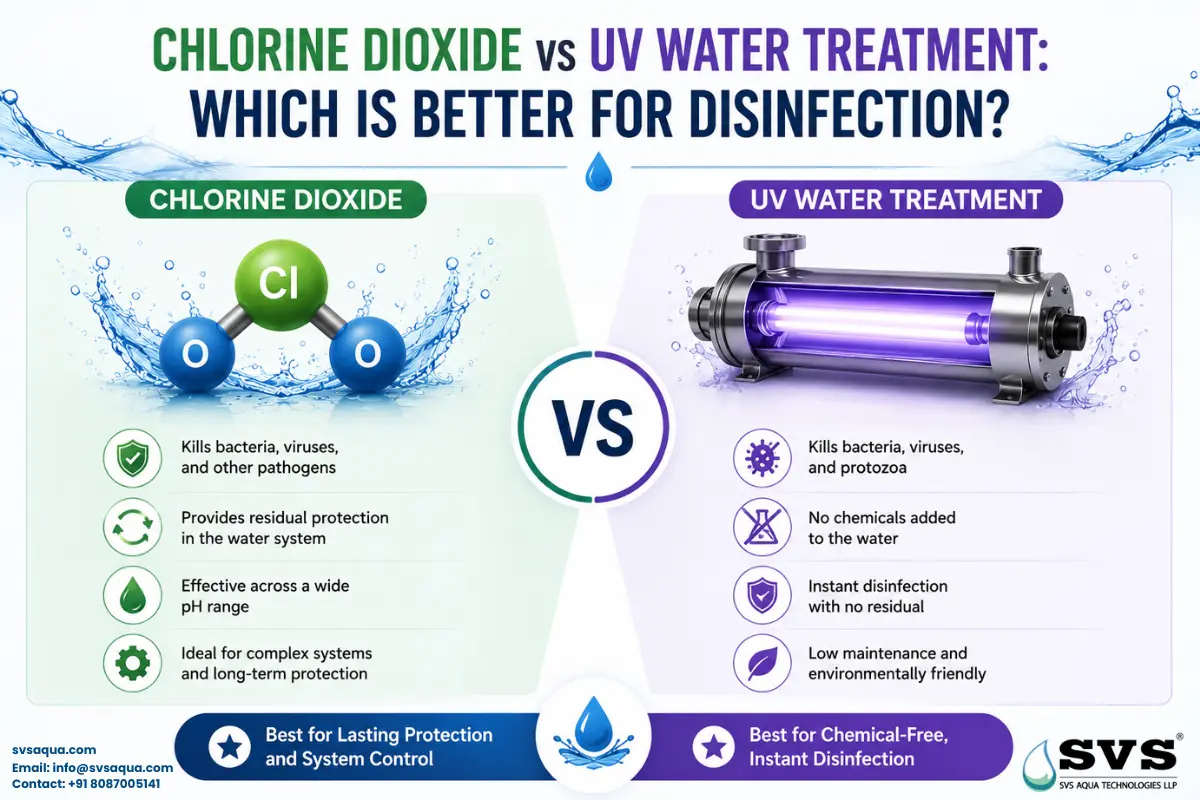
No single non-boiling method is perfect. The safest approach uses multiple barriers to eliminate all threats.
Apply the Multi-Barrier Strategy
Example for backcountry settings with possible human waste contamination:
1. Pre-filter through a bandana.
2. Filter through a 0.2-micron system to remove bacteria and protozoa.
3. Treat with chlorine dioxide to kill viruses.
This layered defense ensures comprehensive protection, even in high-risk environments.
Why It Matters: Relying solely on iodine leaves you vulnerable to Cryptosporidium. A filter alone won’t stop viruses. Only combined methods cover all bases.
Avoid Critical Mistakes and Risks
Even effective techniques fail when misused. User error is the leading cause of waterborne illness in survival situations.
Prevent Common Failures
- Wrong dosage: Too little bleach is ineffective. Too much is toxic. Always measure carefully.
- Insufficient contact time: Don’t drink early. Wait the full 30+ minutes.
- Ignoring turbidity: Cloudy water reduces UV and chemical effectiveness by up to 90%.
- Using expired chemicals: Old tablets or degraded bleach won’t work.
- Recontamination: Never store purified water in a dirty container.
Red Flag: If you feel sick after drinking treated water, suspect improper treatment or contamination after purification.
Know When Not to Purify
Some water sources cannot be made safe with standard methods.
Avoid These Sources Entirely
- Water with fuel, oil, or chemical runoff (near roads or factories)
- Radiators or boiler systems (contain antifreeze and additives)
- Radioactive water (requires specialized equipment)
Rule: If you suspect chemical or fuel contamination, do not use the water. Seek bottled or known-safe sources instead.
Match Method to Your Situation
Different scenarios demand different solutions. Choose wisely based on environment and threat level.
For Home Emergencies
Threat: Broken pipes, flood contamination
Best Option: Household bleach
Why: Always on hand, no special gear needed. Follow the 1/8 tsp per gallon rule.
For Backpacking and Hiking
Threat: Animal or human waste in streams
Best Option: Mechanical filter + chlorine dioxide backup
Why: Fast, reliable, and covers viruses in high-risk areas.
For Desert or Coastal Survival
Threat: Saltwater, no fresh sources
Best Option: Solar still
Why: Only way to desalinate without fuel.
For Daily Tap Water Improvement
Threat: Chlorine taste, VOCs, lead
Best Option: Activated carbon filter
Why: Removes chemicals and improves flavor with no boiling needed.
Frequently Asked Questions About Purifying Water Without Boiling
What is the fastest way to purify water without boiling?
UV light pens are the fastest option, treating 1 liter of clear water in under 90 seconds. Mechanical filters also provide immediate results, though they don’t remove viruses.
Can bleach really make water safe to drink?
Yes, unscented household bleach with 5–9% sodium hypochlorite can kill bacteria and viruses when used at the correct dosage (8 drops per gallon). However, bleach is not effective against Cryptosporidium parasites.
How long does solar disinfection (SODIS) take?
SODIS requires a minimum of 6 hours of direct sunlight on clear days and 48 hours (2 full days) on cloudy days. It works best in tropical or high-sunlight regions.
Do water filters remove viruses?
Most standard mechanical filters with 0.2-micron pores do not remove viruses because viruses are extremely small (0.004–0.1 microns). In areas with potential viral contamination, combine filtration with chemical treatment like chlorine dioxide.
What water sources should you avoid purifying?
Never attempt to purify water contaminated with fuel, oil, toxic chemicals, or radioactive materials. These require specialized treatment or should be avoided entirely. Also avoid water from radiators or boiler systems.
Can I use iodine tablets long-term?
No. Iodine tablets should only be used for a few weeks at a time. Prolonged use can affect thyroid function. Pregnant women and people with thyroid issues should avoid iodine entirely.
Key Takeaways for Purifying Water Without Boiling
Knowing how to purify water without boiling empowers you in emergencies, outdoor adventures, and everyday situations. While boiling remains the gold standard, alternatives like chemical treatment, filtration, UV light, and solar disinfection offer viable, science-backed options when heat isn’t available.
Success depends on preparation, correct execution, and understanding each method’s limits. Always pre-treat cloudy water, follow contact times, and use multi-barrier approaches in uncertain conditions. Humans can survive only 3–4 days without water, so securing a safe supply should always be your top priority in any survival scenario.
Your next step: Build a basic emergency water kit today. Include unscented bleach, chlorine dioxide tablets, a 0.2-micron filter, and clear PET bottles for SODIS. With these tools on hand, you’ll be ready to turn unsafe water into a lifeline anywhere, anytime.