Recommended TDS Level for RO Water
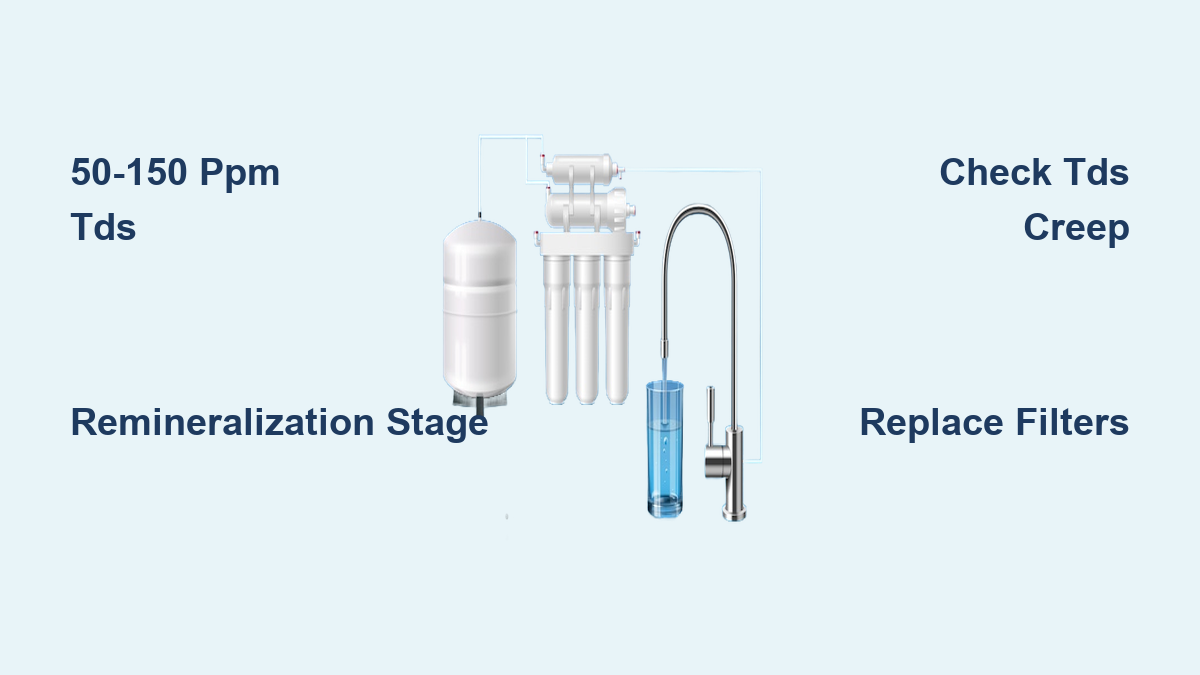
You turn on your RO water purifier, fill a glass, and notice something. Maybe the taste feels flat, or your water testing pen reads “0 ppm.” Is that safe? Is it healthy? With rising concerns about water quality, many households rely on Reverse Osmosis (RO) systems to purify drinking water. But how do you know if your RO system is doing its job right, and what TDS level is ideal after purification?
Total Dissolved Solids (TDS) measures all inorganic and organic substances dissolved in your water, including minerals, metals, salts, and contaminants. While RO systems are designed to drastically reduce TDS, the goal isn’t always “zero.” In fact, water with extremely low TDS may lack essential minerals and even pose long-term health concerns. So, what should your RO-purified water read on the TDS meter? Based on authoritative guidelines from the World Health Organization (WHO) and technical performance data from RO system manufacturers, the ideal TDS range for RO-purified drinking water is between 50 and 150 ppm. In this guide, you’ll learn the science behind TDS, how RO systems affect it, what levels are safe, and how to ensure your purifier delivers clean, healthy, and great-tasting water every time.
Ideal TDS Range for Drinking Water

WHO-Recommended TDS Levels
The World Health Organization identifies 300 ppm as the upper limit for acceptable drinking water, but classifies 50–150 ppm as ideal for daily consumption. Water in this range typically contains balanced levels of calcium, magnesium, and other beneficial minerals that support bone health, nerve function, and hydration.
RO systems often produce water below 50 ppm, especially when functioning at peak efficiency. While this is safe in the short term, long-term consumption of demineralized water may contribute to mineral deficiencies, especially in populations with poor dietary intake.
TDS Classification by Taste and Safety
| TDS (ppm) | Quality Rating | Suitability |
|---|---|---|
| 0–50 | Very Low | Safe but lacks minerals; not ideal for prolonged use |
| 50–150 | Ideal | Optimal taste and health benefits |
| 150–300 | Acceptable | Safe to drink; slight mineral presence |
| 300–500 | Moderate | Noticeable taste; consider re-mineralization |
| >500 | High | Not recommended without treatment |
| >1,000 | Unsafe | Requires RO or advanced purification |
For RO systems, the target output should fall within the 50–150 ppm range. If your purified water reads below 50 ppm, consider a system with a remineralization stage.
Health Risks of Imbalanced TDS
- Too Low (<50 ppm): Long-term consumption may lead to electrolyte imbalance, increased risk of cardiovascular issues, and reduced mineral intake.
- Too High (>500 ppm): May contain harmful contaminants like lead, arsenic, nitrates, or excessive sodium, especially dangerous for infants and those with kidney conditions.
RO purification removes these risks, but only if the system maintains a high rejection rate.
How RO Systems Reduce TDS

RO Membrane Filtration Explained
Reverse Osmosis uses a semi-permeable membrane with pores as small as 0.0001 microns to block dissolved solids, heavy metals, bacteria, and viruses. Water is forced through the membrane under pressure, leaving contaminants behind in the drain stream.
This process typically removes:
– 90–98% of total dissolved solids
– >99% of lead, arsenic, and cadmium
– Nitrates, fluoride, and chlorine
– Microplastics and pathogens
Standard RO Rejection Rates
A well-functioning RO system should achieve:
– 90–95% TDS rejection (standard membranes)
– Up to 98% rejection (premium membranes like Dow Filmtec)
For example, input water at 200 ppm should yield expected output of 4–20 ppm depending on membrane quality and pressure. However, ideal drinking water isn’t 4 ppm; it’s 50–150 ppm. That’s why advanced RO systems include remineralization filters to add back calcium and magnesium after purification.
TDS Creep and Stabilization Period
After periods of inactivity, RO systems may show elevated TDS readings upon startup, a phenomenon known as TDS creep.
- Cause: Stagnant water in the membrane housing or storage tank absorbs residual ions.
- Solution: Run the system continuously for 2–3 hours before measuring final TDS.
- Example: A reading of 10 ppm may drop to 6 ppm after stabilization, indicating proper membrane function.
Always test purified water after a full flush for accurate results.
When to Use RO: Source Water TDS Guidelines
Test Before You Buy
Not all water sources require RO purification. Testing your input water TDS helps determine the right system:
| Source Water TDS | Recommendation |
|---|---|
| < 200 ppm | RO may not be necessary; carbon or UV filtration sufficient |
| 200–500 ppm | RO recommended for improved taste and safety |
| 500–3,000 ppm | RO essential (common in groundwater) |
| > 3,000 ppm | Pre-treatment (softener, sediment filter) advised before RO |
If your tap water reads below 200 ppm and has no detectable contaminants, an RO system could be overkill and may unnecessarily strip beneficial minerals.
Hard Water and Scale Formation
High TDS often correlates with hard water, caused by excess calcium and magnesium. Signs include:
– White scale on faucets and kettles
– Reduced soap lathering
– Spots on dishes
– Dry skin and hair
RO systems effectively reduce hardness, preventing scale buildup in appliances and plumbing. However, if hardness is extreme, pairing RO with a water softener improves system longevity.
Enhancing RO Water: DI and Remineralization
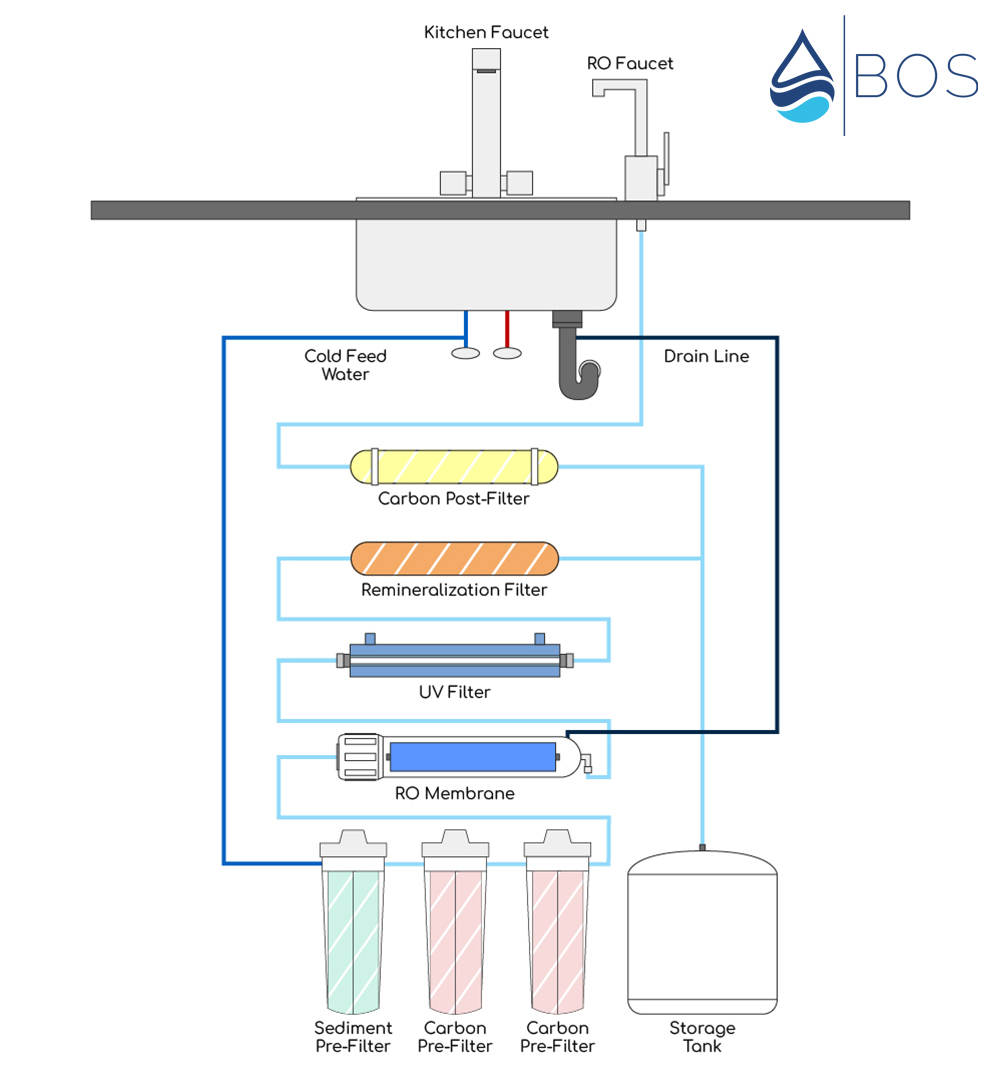
Deionization (DI) for Ultra-Pure Water
For specialized uses like aquariums, laboratories, or automotive cooling systems, 0 ppm TDS is required. This is achieved with a Deionization (DI) stage added after RO.
- How it works: DI resin exchanges hydrogen and hydroxide ions for dissolved cations and anions, producing ultra-pure water.
- Resin lifespan: Depends on RO output. If RO water is 10 ppm, DI resin depletes quickly. If RO output is 3–4 ppm, resin lasts significantly longer.
- Cost tip: Ensure your RO system performs well before adding DI; otherwise, you’ll replace resin too often.
DI is not recommended for daily drinking water due to complete mineral removal.
Remineralization for Healthier RO Water
To balance purity with nutrition, many modern RO systems include a remineralization stage:
- Adds back calcium and magnesium post-RO
- Improves taste and mouthfeel
- Supports dental and bone health
- Targets final TDS of 80–120 ppm
Some systems offer dual-display technology, allowing you to switch between standard RO water (low TDS), mineral-enriched water (50–150 ppm), and copper-infused water with claimed Ayurvedic benefits. This flexibility ensures you get clean, safe, and healthy water tailored to your needs.
Choosing the Right RO System
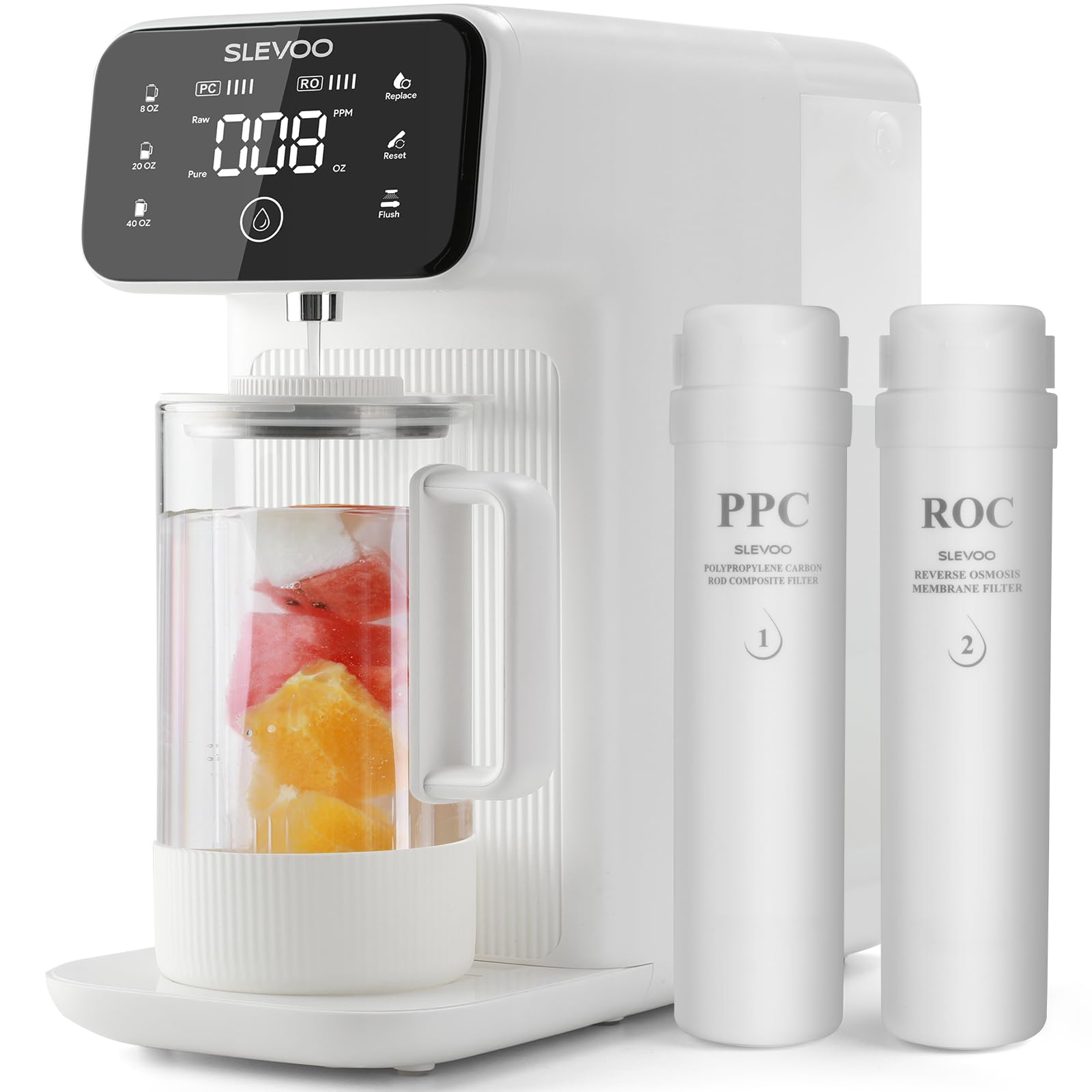
Key Features to Look For
When buying an RO purifier, prioritize these features:
| Feature | Why It Matters |
|---|---|
| 6-Stage Purification | Combines sediment, carbon, RO, UV, UF, and remineralization for comprehensive filtration |
| 98% Rejection Rate | High-performance membranes ensure maximum contaminant removal |
| 7-Liter Storage Tank | Provides water during power cuts or high demand |
| Water Recovery Technology | Reduces wastewater by up to 60% compared to traditional RO systems |
| Dual TDS Display | Monitors input and output TDS in real time |
| Mineral/Copper Cartridge | Enhances taste and nutritional value |
Avoid systems that only promise “zero TDS.” Health-focused systems aim for optimal, not minimal, TDS.
Pre-Installation Checks
Before installing an RO system:
1. Test your water TDS with a calibrated meter.
2. Check water pressure. RO systems need at least 40 psi for effective filtration.
3. Inspect plumbing for corrosion or old pipes that could leach contaminants.
Low pressure or poor pre-filtration can reduce membrane efficiency and shorten lifespan.
Maintenance and Troubleshooting
Monitor Rejection Rate Regularly
Calculate your RO system’s performance with this formula:
Rejection Rate (%) = [(Input TDS – Output TDS) / Input TDS] × 100
Example:
– Input: 160 ppm
– Output: 10 ppm
– Rejection: (150 / 160) × 100 = 93.75%
While 93.75% is acceptable, new membranes should hit 95–98%. If not, check water pressure, membrane installation, and pre-filter condition, since clogged filters reduce pressure.
Replace Filters on Schedule
Neglecting filter changes reduces efficiency and increases TDS output.
| Filter Type | Replacement Interval |
|---|---|
| Sediment filter | Every 6 months |
| Carbon block | Every 6–12 months |
| RO membrane | Every 2–3 years |
| Remineralization cartridge | Every 12–24 months |
| DI resin | As needed (when TDS rises above 0) |
Set reminders or use smart displays to track filter life.
Fixing High TDS in RO Output
If your purified water TDS exceeds 30 ppm (for inputs below 300 ppm), investigate:
– Clogged pre-filters: Reduce pressure, lowering rejection.
– Worn RO membrane: Replace if older than 2 years or damaged.
– Faulty check valve: Allows backflow, increasing TDS.
– Poor water pressure: Install a booster pump if pressure is below 40 psi.
Always retest after maintenance and allow 2–3 hours of continuous flow for accurate readings.
Impact of TDS on Taste and Appliances
Taste Perception and TDS
Taste is a direct indicator of water quality:
– < 50 ppm: Flat, bland, or slightly acidic
– 50–150 ppm: Crisp, clean, refreshing
– > 300 ppm: Salty, metallic, or bitter
RO systems that deliver water in the ideal range improve hydration and encourage more water consumption.
Preventing Scale and Damage
High-TDS water causes:
– Limescale buildup in kettles, coffee makers, and water heaters
– Reduced appliance lifespan
– Increased energy costs
RO purification eliminates these issues by removing scale-forming minerals before they enter your home’s plumbing. Even if your water tastes fine, high TDS can silently damage appliances. Regular testing helps prevent costly repairs.
Frequently Asked Questions About RO Water TDS Levels
What is the best TDS level for drinking water after RO purification?
The ideal TDS range for RO-purified drinking water is 50–150 ppm. This range balances effective contaminant removal with the retention of beneficial minerals like calcium and magnesium, supporting both taste and long-term health.
Is 0 ppm TDS safe to drink from an RO system?
Water at 0 ppm is technically safe but not ideal for daily consumption. It lacks essential minerals and may taste flat. Long-term consumption of fully demineralized water has been linked to mineral deficiencies, so a remineralization stage is recommended.
How often should I check the TDS of my RO-purified water?
Test your RO output TDS at least once a month, and always after replacing filters or the membrane. Also test after periods of inactivity, allowing 2–3 hours of flushing to account for TDS creep before taking a final reading.
What causes high TDS in RO output even after purification?
Common causes include clogged pre-filters, a worn or damaged RO membrane, low water pressure (below 40 psi), or a faulty check valve allowing backflow. Regular maintenance and timely filter replacement usually resolve the issue.
Do I need an RO system if my tap water TDS is below 200 ppm?
Not necessarily. If your source water TDS is below 200 ppm and free of contaminants, a carbon filter or UV purifier may be sufficient. RO is most beneficial when source TDS exceeds 300 ppm, especially in groundwater regions where TDS often ranges from 500 to 3,000 ppm.
Can RO water be remineralized for better health?
Yes. Many modern RO systems include a remineralization cartridge that adds calcium and magnesium back into the purified water, targeting a final TDS of 80–120 ppm. This improves taste and restores the mineral content lost during filtration.
Key Takeaways for Choosing the Right TDS Level
The recommended TDS level for RO-purified water is 50–150 ppm, a balance of safety, taste, and health. While RO systems can reduce TDS to near zero, that doesn’t mean they should. Overly purified water lacks essential minerals and may not be suitable for long-term consumption.
To get the best results:
– Test your source water before buying an RO system.
– Choose a model with remineralization for optimal output.
– Monitor TDS regularly and maintain filters and membranes.
– Allow 2–3 hours of flushing after inactivity for accurate readings.
With the right setup, your RO purifier won’t just make water safe; it’ll make it healthier, better-tasting, and more sustainable for your household. Start by testing your tap water today to determine whether your home needs an RO system with remineralization or a simpler filtration solution.