Whole House Reverse Osmosis Benefits Explained
Picture this: you turn on your shower and step into water that leaves your skin soft instead of itchy, fill a glass from any tap and trust it’s as pure as bottled water, and never worry about lead, chlorine, or PFAS touching your family. That is the promise of a whole house reverse osmosis system, a point-of-entry filtration setup that purifies every drop of water before it reaches your faucets, appliances, and showerheads.
But whole house RO is not a perfect fit for everyone. It comes with real trade-offs: significant water waste, high upfront costs, and the need for remineralization to keep drinking water healthy. In this guide, you’ll learn exactly what whole house reverse osmosis benefits you can expect, who should consider one, and how to decide if it belongs in your home.
Eliminate Up to 99% of Water Contaminants

A whole house RO system delivers the highest level of residential water purification available, removing nearly all dissolved solids and microscopic impurities from your entire water supply.
Remove Heavy Metals From Every Tap
Lead, arsenic, mercury, and chromium-6 are blocked by the RO membrane. These toxins are especially dangerous for children and pregnant women, since lead exposure can impair brain development and arsenic is a known carcinogen. With whole house RO, even your bathtub and washing machine dispense water free from these metals.
Block PFAS and Industrial Pollutants
PFAS (including PFOA and PFOS) are called “forever chemicals” because they resist natural breakdown and build up in the body over time. They have been linked to cancer, thyroid disorders, and immune dysfunction. Standard carbon filters often miss them, but reverse osmosis is one of the few proven methods to reduce PFAS to safe levels across your entire home.
Destroy Microbial Threats
The membrane’s 0.0001-micron pores physically block harmful microorganisms like E. coli, Giardia, and Cryptosporidium, pathogens that can survive chlorine disinfection in municipal supplies. For immunocompromised individuals or households relying on well water, this level of protection is critical, especially during showers when aerosolized pathogens can be inhaled.
Cut Total Water Exposure, Not Just Drinking Water

Most filters only protect what you drink. But your skin and lungs absorb contaminants every time you shower, bathe, or wash dishes, and that accounts for the majority of your daily water exposure.
Stop Inhaling Vaporized Toxins
Hot showers release chlorine, chloroform, and VOCs into the air, which you then breathe deep into your lungs. Research from 1984 found that a 10-minute shower can deliver as much chloroform as drinking two liters of the same water. Whole house RO strips these compounds out before they ever reach your showerhead.
Prevent Dermal Absorption
Chlorine and heavy metals strip natural oils from your skin and can worsen eczema, psoriasis, and acne. Hot water opens your pores, increasing absorption. Filtering all water in your home means your shower, bath, and handwashing routines are free from these irritants.
Cover 80% of Daily Water Exposure
Drinking water makes up only about 20% of your total water contact. The remaining 80% comes from bathing, cleaning, laundry, and other household uses. A point-of-use RO system leaves that majority untreated, while a whole house system closes the gap completely.
Improve Skin, Hair, and Everyday Comfort

Cleaner water does more than protect health; it transforms how your skin, hair, and even your morning coffee feel and taste.
Soothe Dry, Irritated Skin
Chlorine and hard water minerals like calcium and magnesium disrupt your skin’s pH and moisture barrier. Users often report dramatic improvements in hydration and fewer dermatitis flare-ups after switching to RO water. Without chlorine stripping your skin, showers leave you feeling smoother and less tight.
Revitalize Hair Texture
Shampooing with filtered water prevents chlorine buildup that causes hair to become brittle, dull, and discolored. This is especially helpful for swimmers or anyone with color-treated hair. Whole house RO delivers softer, more manageable hair with natural shine, reducing your reliance on heavy conditioners.
Enhance the Taste of Food and Drinks
RO water acts as a neutral solvent, letting true flavors come through. Coffee and tea taste cleaner and more nuanced. Soups, sauces, and rice lack the metallic or chemical aftertaste sometimes found with tap water. Even ice cubes come out clearer and taste purer.
Extend Appliance Life and Lower Long-Term Costs

Hard water and sediment silently damage plumbing and appliances over time. RO water prevents this wear and saves you money in the long run.
Prevent Scale Buildup
Calcium and magnesium are removed by the RO membrane, eliminating limescale in water heaters, dishwashers, washing machines, and faucets. Scale reduces efficiency, raises energy costs, and shortens appliance lifespans. With RO, your water heater runs more efficiently and lasts years longer.
Reduce Maintenance and Repair Bills
Without scale and sediment, plumbing stays clear and fixtures remain clog-free. Dishwasher spray arms don’t get blocked, and washing machines don’t accumulate mineral deposits. The result is fewer repairs, lower energy bills, and longer intervals between service calls.
Cut Bottled Water Spending
Bottled water costs roughly $9 to $10 per gallon when you convert retail prices. RO water costs just a few cents per gallon. A whole house system eliminates the need to buy bottled water for drinking, cooking, pets, and humidifiers, saving hundreds of dollars each year.
Protect Vulnerable Family Members
For certain groups, water purity is not a luxury; it is a medical necessity.
Safeguard Infants and Children
Developing bodies are more sensitive to toxins. Lead, fluoride, and nitrates can affect brain development and hormone function. Whole house RO removes these contaminants from bathwater, formula, and food preparation water, offering critical protection during early life stages.
Support Immunocompromised Households
For individuals with weakened immune systems due to illness, chemotherapy, or organ transplants, even trace pathogens in water can be dangerous. RO’s ability to remove Cryptosporidium and bacteria makes it a vital layer of defense beyond standard municipal treatment.
Aid Low-Sodium Diets
RO strips sodium from water, making it safe for those on strict low-sodium diets. This matters especially in areas where water softeners add salt, raising sodium levels in tap water.
Address the Key Downsides Honestly
Whole house RO delivers unmatched purification, but it comes with serious trade-offs that you must manage.
High Water Waste Ratio
Every gallon of purified water produces 3 to 4 gallons of wastewater. For a family using 300 gallons daily, that’s up to 1,200 gallons of brine sent down the drain each day. This spikes water bills and strains septic systems. High-efficiency membranes and permeate pumps can reduce waste to a 1:1 or 2:1 ratio, but some waste is unavoidable.
Demineralized Water Risks
RO strips all minerals, creating aggressive, flat-tasting water. The World Health Organization warns that long-term consumption of demineralized water may contribute to mineral deficiencies, bone loss, and cardiovascular issues. Aggressive water can also leach calcium and magnesium from food during cooking.
Remineralization Is Essential
To counter these risks, a remineralization stage must be added. This filter reintroduces calcium, magnesium, and potassium, raising pH and TDS to safe levels above 100 mg/L. Without it, your water may do more harm than good over time.
Overcome Pressure and Space Challenges
Whole house RO systems are large and complex, and installation is not a DIY project for most homeowners.
Requires a Booster Pump and Storage Tank
Because RO slows flow, a pressurized storage tank and booster pump are needed to maintain consistent water pressure. Without them, running a shower while the dishwasher is on could result in weak flow. Systems must be sized to handle peak demand, typically 10 to 15 gallons per minute.
Needs Dedicated Installation Space
These systems are bulky. Expect multiple filter housings, membrane vessels, a 100+ gallon tank, and pumps. Most don’t fit in standard utility closets. Garage, basement, or outdoor shed installations are common, but require freeze protection in cold climates.
Demands Professional Setup
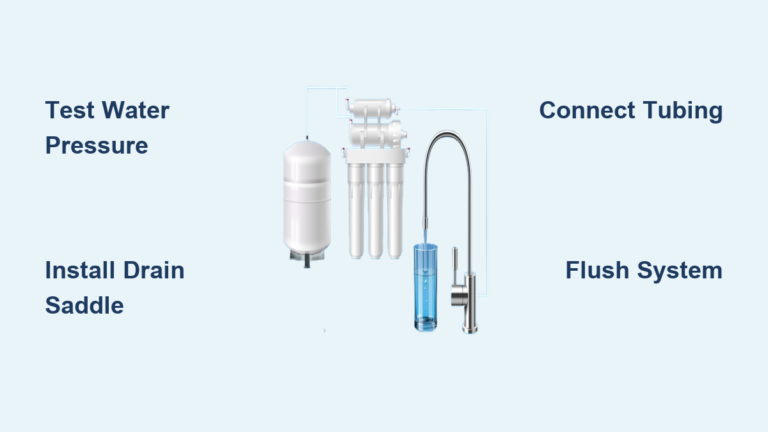
Installation involves cutting into the main water line, electrical work for pumps, and routing a dedicated drain for wastewater. Mistakes can cause leaks, pressure loss, or code violations. Always use a licensed plumber or water treatment specialist.
Compare Costs and Maintenance Needs

Whole house RO is a major investment, both upfront and over time.
Upfront Cost Ranges from $750 to $7,500+
Entry-level systems start around $750 but lack capacity and efficiency. Mid-range systems ($2,500 to $5,000) include booster pumps, storage tanks, and basic remineralization. High-end setups from brands like Culligan or Radiant Life exceed $7,500 and offer smart monitoring, high-efficiency membranes, and longer warranties.
Annual Maintenance Adds Up
Here are the typical replacement intervals and costs:
- Pre-filters (sediment and carbon): Replace every 6 to 12 months ($100 to $200)
- RO membrane: Replace every 2 to 5 years ($300 to $600)
- Remineralization filter: Replace yearly ($150 to $300)
Annual sanitization is also recommended to prevent bacterial growth. Skipping maintenance risks membrane fouling, reduced flow, and contamination.
Consider the Hybrid Alternative
For most homes, a hybrid setup delivers the best balance of safety, efficiency, and cost.
Combine Whole House Filtration With Under-Sink RO
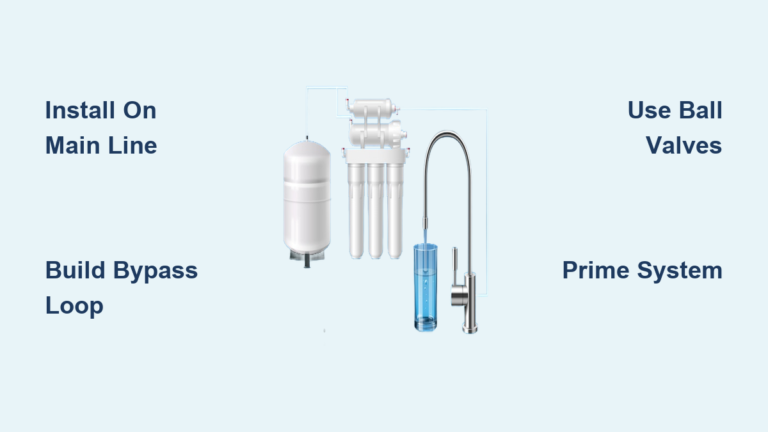
Install a carbon and sediment whole house filter on the main line to remove chlorine, VOCs, and sediment. This protects plumbing and reduces inhalation and dermal exposure. Then add an under-sink RO system for drinking and cooking water. You get ultra-pure water where it matters most without the massive waste of treating 100% of your household supply.
Why the Hybrid Approach Works
Here are the key advantages:
- Lower water waste: No 3:1 brine ratio for showers and laundry
- Retains minerals: Whole house filters don’t strip TDS
- Smaller footprint: No large tanks or pumps
- Easier maintenance: Standard filter changes every 6 to 7 years
- Protects the RO membrane: Pre-filtration extends under-sink RO life
This setup covers 95% of the benefits at a fraction of the cost and complexity.
When Full Whole House RO Makes Sense
Despite the hybrid preference, full RO is justified in specific cases.
Severely Contaminated Water Sources
If your water contains high levels of arsenic, nitrates, uranium, or industrial chemicals that are dangerous through skin contact or inhalation, treating only drinking water isn’t enough. Whole house RO ensures no tap in your home dispenses unsafe water.
High-TDS Well Water
Well water with TDS above 500 ppm causes scale, bad taste, and appliance damage. RO reduces TDS to 10 to 15 ppm, making water pleasant for all uses and protecting plumbing long-term.
Luxury or Health-Driven Homes
Some homeowners prioritize absolute purity and convenience. If budget, space, and water availability aren’t constraints, whole house RO delivers the ultimate water experience with soft showers, crystal-clear ice, and total peace of mind.
Frequently Asked Questions About Whole House Reverse Osmosis
Does a whole house RO system remove fluoride?
Yes. Reverse osmosis is one of the few residential filtration methods proven to remove fluoride from water. If you want to reduce fluoride intake, a whole house RO system will strip it from every tap.
How much water does a whole house RO system waste?
Traditional systems waste 3 to 4 gallons for every gallon of purified water produced. High-efficiency membranes and permeate pumps can reduce this to a 1:1 or 2:1 ratio, but some waste is inherent to the RO process.
Is remineralization really necessary?
Yes. Without remineralization, RO water is aggressive and flat-tasting. The World Health Organization warns that long-term consumption of demineralized water may contribute to mineral deficiencies and bone loss. A remineralization filter adds calcium and magnesium back, raising TDS above 100 mg/L.
Can I install a whole house RO system myself?
Most homeowners should not attempt DIY installation. The process involves cutting into the main water line, electrical work for booster pumps, and routing a drain line for wastewater. Mistakes can cause leaks, pressure loss, or code violations. Professional installation is strongly recommended.
How often do I need to replace the filters?
Sediment and carbon pre-filters should be replaced every 6 to 12 months. The RO membrane lasts 2 to 5 years depending on water quality and usage. Remineralization filters typically need annual replacement.
Is a whole house RO system worth the cost?
For most homeowners, a hybrid system (whole house filter plus under-sink RO) offers better value. Full whole house RO is worth the investment only if you have severely contaminated water, high-TDS well water, or specific health concerns that require purified water at every tap.
Key Takeaways for Choosing Whole House Reverse Osmosis
Whole house reverse osmosis benefits are unmatched when it comes to contaminant removal and total exposure reduction. You get 99% removal of heavy metals, PFAS, and pathogens from every tap, not just your kitchen sink. Your skin, hair, appliances, and lungs all benefit from cleaner water.
But the trade-offs are real: high water waste, demineralization risks, and costs ranging from $750 to over $7,500. For most homeowners, a hybrid system delivers 95% of the benefits at a fraction of the cost and complexity. Reserve full whole house RO for situations with severely contaminated water, high-TDS wells, or specific medical needs.
If you do choose full RO, always include a remineralization stage and test your water regularly to confirm the system is performing as expected. Start by getting a professional water quality test; it’s the only way to know whether whole house RO is the right investment for your home.