Reverse Osmosis: Pros and Cons
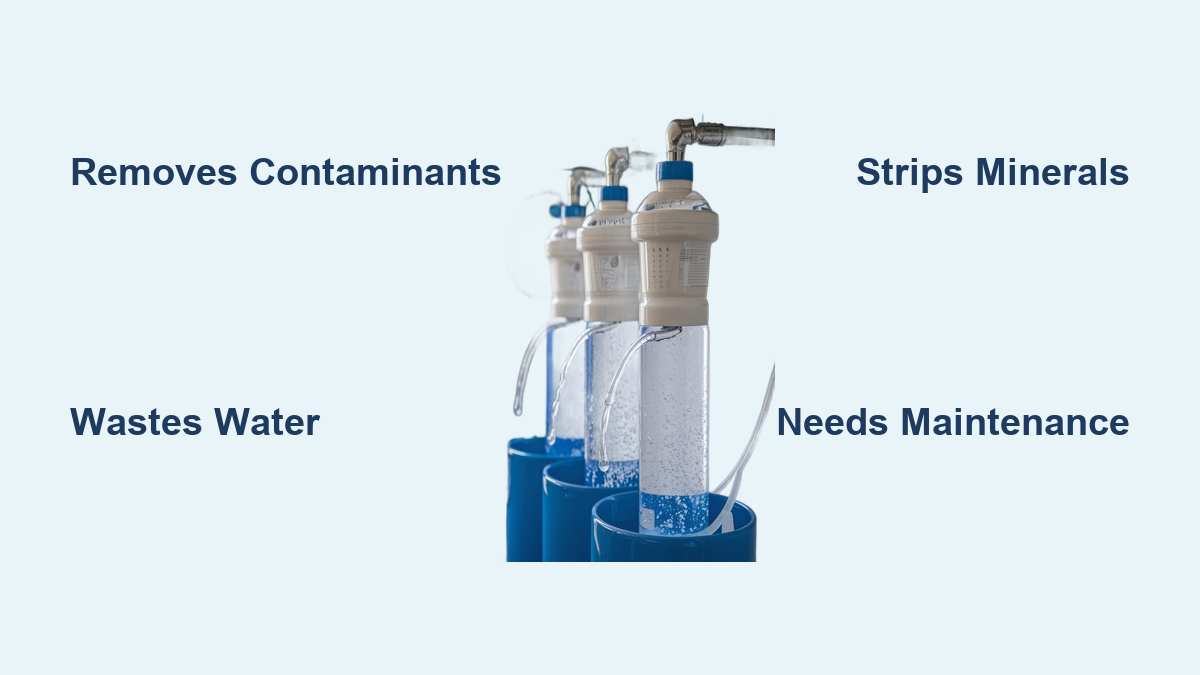
If you’re shopping for a home water filtration system, reverse osmosis (RO) likely tops most expert recommendation lists. This technology removes up to 99% of contaminants, including lead, fluoride, PFAS “forever chemicals,” and microplastics. Yet RO comes with real trade-offs, including significant water waste, removal of beneficial minerals, and ongoing maintenance demands.
For homeowners, parents, and gardeners seeking pure drinking water, understanding both sides matters. This guide breaks down the genuine advantages and limitations of reverse osmosis based on filtration performance, health impact, cost, and environmental footprint. You’ll learn when RO is worth the investment, how to reduce its drawbacks, and which alternatives might fit your situation better.
Superior Contaminant Removal

Reverse osmosis outperforms most residential filters at eliminating harmful substances from tap water. Its multi-stage process targets pollutants that carbon filters and pitcher systems often miss.
Removes Heavy Metals and Toxins
RO systems extract dangerous heavy metals such as lead, arsenic, mercury, and chromium-6, all of which pose serious health risks even at trace levels. Lead exposure is especially concerning for children, linked to developmental delays and cognitive issues. Because the semi-permeable membrane has pores as small as 0.0001 microns, these dissolved metals cannot pass through.
Eliminates Fluoride and Nitrates
Unlike carbon filters, RO removes fluoride entirely. This matters given growing evidence that overexposure may impair children’s brain development. RO also reduces nitrates and nitrites, common in agricultural runoff, which can cause “blue baby syndrome” in infants. Municipal treatment doesn’t always regulate these effectively, making RO a critical safeguard for vulnerable households.
Filters PFAS and Microplastics
RO is one of the few home systems proven effective against PFAS and PFOS, chemicals that persist in the environment and human body and are linked to cancer and hormonal disruption. The membrane also captures microplastics (1–500 microns), which increasingly appear in tap water and may carry toxic additives.
Reduces Disinfection Byproducts
Municipal water treated with chlorine and chloramines creates byproducts like trihalomethanes (THMs) and haloacetic acids (HAAs), both potential carcinogens. While carbon filters reduce chlorine taste, RO removes both the chemical and its harmful byproducts more comprehensively.
✅ Pro Tip: Pair RO with a carbon pre-filter to protect the membrane from chlorine damage and extend its service life.
Health and Safety Benefits
Clean water isn’t just about taste. It’s a foundation for long-term wellness, and RO systems enhance water safety in ways that directly affect daily life.
Lowers Risk of Waterborne Illness
Although not a certified sterilizer, RO membranes block most bacteria and viruses thanks to their ultrafine pore size. This reduces gastrointestinal infection risk, especially in areas with questionable water quality. For maximum protection with well water, pairing RO with a UV sterilizer ensures near-total pathogen elimination (99.99% viruses, 99.9999% bacteria).
Encourages Healthier Hydration Habits
When water tastes clean and fresh, people drink more of it. Households with RO systems tend to increase water consumption and reduce intake of sugary beverages like soda. This shift supports better hydration, weight management, and overall metabolic health.
Protects Vulnerable Populations
Parents can use RO to shield children from neurotoxic contaminants like lead and excessive fluoride. For seniors or immunocompromised individuals, removing bacteria and chemical residues adds a meaningful layer of safety.
⚠️ Note: RO water lacks minerals, so relying on dietary sources (leafy greens, nuts, dairy) becomes more important for meeting daily mineral needs.
Improved Taste and Cooking Quality
One of the most immediate benefits users notice is how RO water transforms the sensory experience of drinking and cooking.
Eliminates Chlorine and Bad Odors
The carbon pre-filter removes chlorine and chloramines, which cause a sharp chemical smell and aftertaste. A final post-carbon polish ensures no residual odors remain, delivering genuinely neutral, clean-tasting water.
Enhances Coffee and Tea Flavor
Baristas and tea enthusiasts prefer RO water because it lets the true flavor of beans and leaves shine. Hard or chlorinated water masks subtle notes and leaves mineral buildup in kettles and machines. RO water prevents scaling and improves extraction.
Clears Up Cloudiness
Sediment and suspended particles that make tap water appear cloudy are removed in the first filtration stage. The result is crystal-clear water that looks and feels purer.
✅ Pro Tip: Use RO water for soups, rice, and pasta. Foods cooked with water absorb its quality, and cleaner water enhances overall flavor.
Cost Savings vs. Bottled Water
While RO requires an upfront investment, it pays off over time, especially for households that drink a lot of water.
Eliminates Recurring Bottled Water Costs
A family spending $20–$50 monthly on bottled water can save $240–$600 per year by switching to RO. High-efficiency systems produce purified water for under 10 cents per gallon, far cheaper than bottled alternatives.
Reduces Plastic Waste
Beyond cost, RO cuts down on single-use plastic bottles, reducing environmental pollution. Even with recycling, plastic production and transportation carry a high carbon footprint. RO offers a sustainable alternative for eco-conscious households.
Fast Return on Investment
For homes with known contamination (lead pipes, PFAS in municipal supply), RO provides peace of mind and health protection. In such cases, the return on investment goes beyond dollar savings. It’s measured in reduced medical risks and improved quality of life.
💡 Consideration: High-end RO systems cost $800–$1,000, but basic models start around $200. Most homeowners recoup costs within 1–3 years.
Water Waste and Environmental Impact
One of the biggest criticisms of RO is how much water it wastes, a key factor for environmentally aware users.
High Wastewater Ratio
Traditional RO systems discard 3 to 5 gallons of water for every 1 gallon of purified water produced. Some older models waste up to 80% of input water. This reject water carries concentrated contaminants and flows directly down the drain.
Why So Much Waste?
The wastewater flushes away rejected impurities, preventing clogging and maintaining membrane efficiency. Without this discharge, contaminants would build up and damage the system.
Mitigation Strategies
- Permeate pumps reduce waste by improving pressure efficiency, cutting the ratio to 2:1 or better.
- High-efficiency RO systems are designed with better recovery rates, minimizing waste without sacrificing performance.
- “Zero-waste” systems recirculate reject water, but this increases mineral concentration and may shorten membrane life.
🌱 Eco-Friendly Option: Reuse RO wastewater for non-potable tasks like watering drought-tolerant plants (avoid salt-sensitive species), mopping floors, or washing cars, provided contaminant levels allow.
Strips Beneficial Minerals

RO doesn’t distinguish between harmful pollutants and healthy minerals. It removes both.
Demineralized Water Output
The filtration process strips out calcium, magnesium, potassium, and iron, producing water with near-zero total dissolved solids (TDS). While safe to drink, long-term consumption of demineralized water raises concerns among some health experts.
Potential Health Implications
The World Health Organization has noted that prolonged intake of low-mineral water may lead to increased leaching of minerals from the body and affect cardiovascular function. However, most minerals come from food, so this is less of an issue for those with balanced diets.
Flat Taste and Lower pH
Many users describe RO water as “flat” or “bland” due to the lack of minerals. It can also become slightly more acidic (lower pH), similar to distilled water, which affects taste perception.
Solutions to Remineralize
- Remineralization cartridges add back calcium and magnesium, improving taste and pH balance.
- Mineral drops or tablets offer a low-cost way to enhance water quality post-filtration.
- Dietary compensation through mineral-rich foods offsets any deficiency from drinking water.
✅ Best Practice: Install a remineralization stage if you use RO as your primary drinking water source.
Slow Flow Rate and Storage Needs
RO systems don’t deliver water instantly. They require time and storage to meet household demand.
Limited Production Capacity
Standard residential units produce 15–50 gallons per day (GPD), filtering slowly due to membrane resistance. Without a booster pump, flow rates may only reach 1–2 cups per minute.
Reliance on Storage Tanks
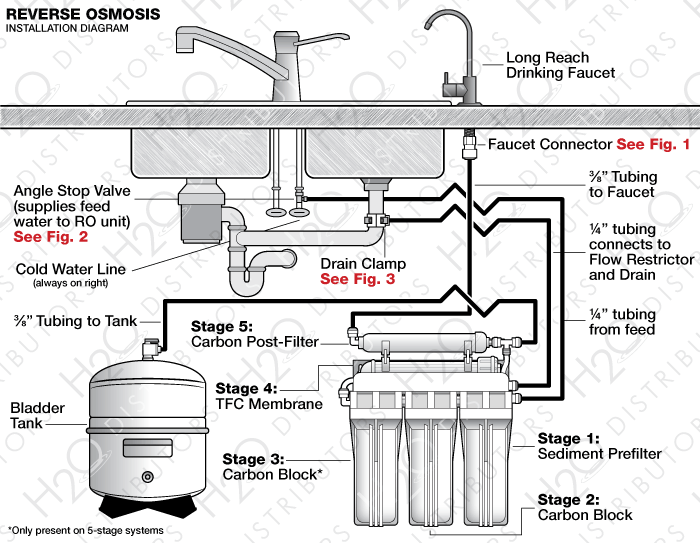
Most RO systems include a pressurized tank (typically 2–4 gallons) that stores purified water. Once the tank empties during heavy use (filling pots, multiple glasses), users must wait 1–2 hours for it to refill.
Performance Drops with Low Pressure
RO systems need 40–50 PSI water pressure to function efficiently. Homes with low pressure will see reduced output and increased wastewater. In such cases, a booster pump is recommended.
✅ Upgrade Option: Choose a tankless RO system with a high-capacity membrane (75–150 GPD) for continuous flow and space savings.
Maintenance and Ongoing Costs
RO systems aren’t “install and forget.” Regular upkeep is essential to maintain performance and prevent contamination.
Filter Replacement Schedule
- Sediment and carbon pre-filters: Every 6–12 months
- Post-carbon filter: Every 12 months
- RO membrane: Every 1–3 years (depends on water quality)
Neglecting replacements leads to clogs, reduced flow, and potential contaminant breakthrough.
Annual Sanitization Required
The storage tank and internal tubing can harbor bacteria over time. During filter changes, the system should be sanitized with a food-safe solution to prevent microbial growth.
Proprietary vs. Generic Filters
Brand-name systems (Culligan, Rainsoft) often use proprietary filters that cost significantly more. Third-party compatible filters can reduce annual maintenance costs by 30–50%.
💡 Pro Tip: Keep spare filters on hand and mark replacement dates on your calendar.
Space and Installation Challenges
RO systems are bulkier than simple pitcher or faucet filters, requiring careful planning.
Under-Sink Footprint
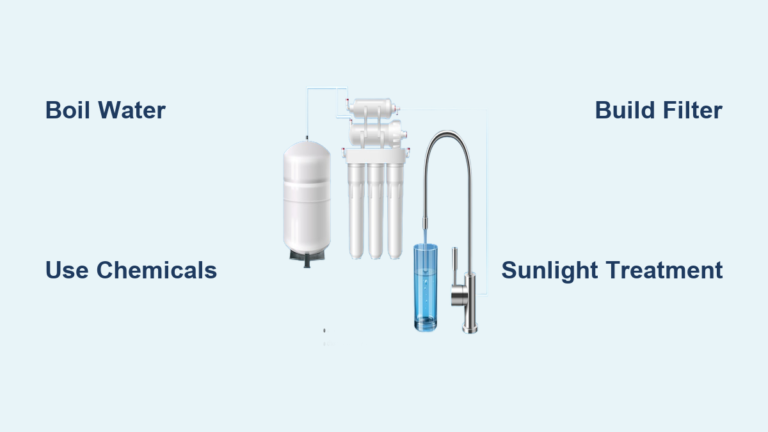
A typical RO unit includes 3–5 filter housings, a storage tank, and drain tubing. This setup demands ample cabinet space, often a challenge in small kitchens or rental units.
Plumbing Modifications Needed
Installation involves connecting to:
- Cold water line (via saddle valve or direct tap)
- Drain line for wastewater
- Dedicated faucet for purified water
DIY installation is possible, but many homeowners opt for professional help to avoid leaks or code violations.
Noise During Operation
Some systems make a hissing or gurgling sound when refilling the tank or discharging wastewater. While not loud, it may be noticeable in quiet kitchens.
✅ Renter-Friendly Alternative: Countertop RO units or advanced pitcher filters (with UF + carbon) offer similar benefits without permanent installation.
Corrosivity and Material Risks
RO water is chemically aggressive because it lacks stabilizing minerals.
Can Damage Metal Pipes
Never route RO water through copper or galvanized steel pipes. The demineralized water will leach metals, causing pipe corrosion and potentially introducing lead or copper into the water stream.
Requires Compatible Components
Use only plastic tubing (PEX, polyethylene) and stainless steel or plastic fittings post-RO. In agriculture or hydroponics, ensure drippers, misters, and sensors are RO-compatible to avoid premature failure.
⚠️ Critical Rule: RO water should never be used for whole-house plumbing. It’s intended only for point-of-use applications like drinking and cooking.
Not a Standalone Sterilizer
While RO removes many pathogens, it’s not certified as a primary disinfection method.
Limited Virus Removal Assurance
Though the membrane blocks most bacteria and viruses, RO units aren’t always tested or rated for complete microbial kill. In areas with well water or frequent boil advisories, additional protection is wise.
Best Paired with UV Light
For guaranteed sterilization, add a UV water purifier after the RO system. UV light destroys 99.99% of viruses and 99.9999% of bacteria, providing a fail-safe against biological contamination.
✅ Ideal Setup: RO + UV + Remineralization for maximum safety and taste.
Pre-Treatment Needs for Optimal Performance
RO membranes are sensitive and require clean feed water to last.
Hard Water Clogs Membranes
High calcium and magnesium levels cause scale buildup on the membrane, reducing efficiency and lifespan. In hard water areas, a whole-house water softener is recommended before the RO unit.
Chlorine Damages TFC Membranes
Most RO systems use Thin Film Composite (TFC) membranes, which are destroyed by chlorine. A carbon pre-filter is mandatory to remove chlorine from municipal water before it reaches the membrane.
Well Water Needs Extra Filtration
Private wells often contain iron, manganese, sediment, or bacteria. These require specialized pre-filters (iron filters, 5-micron sediment filters) to protect the RO system from rapid clogging.
✅ Best Practice: Test your water first. Know your TDS, hardness, and chlorine levels before installing RO.
When to Choose Reverse Osmosis

RO is not always the best choice for every home. Consider it if you:
- Have confirmed contaminants like lead, arsenic, PFAS, or high fluoride
- Want the purest possible drinking water for health or culinary reasons
- Are willing to perform annual maintenance and replace filters
- Have space under the sink and access to a drain
- Prioritize contaminant removal over water conservation
✅ Ideal For: Families with young children, homes with aging plumbing, or areas with industrial pollution.
When to Consider Alternatives
RO might be overkill or impractical if you:
- Live in an area with excellent municipal water quality
- Are eco-conscious and want zero water waste
- Rent and can’t modify plumbing
- Only need to improve taste and remove chlorine
Better Alternatives in These Cases
- Ultrafiltration (UF): Removes pathogens and microplastics, retains minerals, no water waste
- Carbon block filters (Brita, ZeroWater): Affordable, easy to install, good for taste and odor
- Distillation: Removes nearly all contaminants but is energy-intensive and slow
🔄 Hybrid Option: Use a multi-stage UF + carbon filter for eco-friendly, on-demand clean water without mineral loss.
Frequently Asked Questions About Reverse Osmosis
How much water does a reverse osmosis system waste?
Traditional RO systems produce 3 to 5 gallons of wastewater for every 1 gallon of purified water. High-efficiency models with permeate pumps can reduce this ratio to 2:1 or better. The wastewater can sometimes be reused for non-potable tasks like watering plants or mopping floors, depending on the contaminants present.
Does reverse osmosis remove beneficial minerals from water?
Yes. RO strips out calcium, magnesium, potassium, and iron, producing demineralized water. This can give the water a flat taste and slightly lower pH. To restore minerals, you can install a remineralization cartridge, add mineral drops, or rely on mineral-rich foods in your diet.
How often do RO filters need to be replaced?
Filter replacement schedules depend on usage and water quality:
- Sediment and carbon pre-filters: Every 6–12 months
- Post-carbon filter: Every 12 months
- RO membrane: Every 1–3 years
Annual system sanitization is also recommended to prevent bacterial growth in the storage tank and tubing.
Is reverse osmosis water safe to drink long-term?
Yes, RO water is safe to drink. However, because it lacks minerals, some health experts recommend remineralizing the water or ensuring you get enough calcium and magnesium from food. Pairing RO with a UV sterilizer adds extra protection against bacteria and viruses, especially for well water sources.
Can renters install a reverse osmosis system?
Permanent under-sink RO systems require plumbing modifications, which may not be allowed in rentals. However, countertop RO units and advanced pitcher filters with ultrafiltration and carbon stages offer similar benefits without permanent installation, making them renter-friendly options.
Final Verdict: Is Reverse Osmosis Worth It?
Reverse osmosis delivers unmatched contaminant removal, making it the gold standard for water purification in high-risk environments. It’s particularly valuable for protecting children, improving beverage quality, and eliminating toxins like lead and PFAS.
However, it comes with real trade-offs: high water waste, removal of healthy minerals, slow flow rates, and ongoing maintenance. Without proper care, an RO system can become inefficient or even unsafe.
Maximize the Benefits, Minimize the Drawbacks
- ✅ Install a permeate pump to reduce water waste
- ✅ Add a remineralization stage for better taste and health
- ✅ Use pre-filters and softeners to extend membrane life
- ✅ Sanitize annually and replace filters on schedule
- ✅ Reuse wastewater for non-potable tasks when safe
For those who prioritize purity and are ready to manage the system, reverse osmosis is a powerful investment in long-term health. For others, simpler, more sustainable options may be just as effective.
The key is knowing your water and your priorities. Test your tap water, assess your needs, and choose the solution that balances safety, cost, and environmental impact.