Best Water Filters for Nitrate Removal (2026 Guide)
If your tap water contains nitrates, a standard pitcher filter will not protect your family. Nitrates are invisible, odorless, and tasteless, yet they pose serious health risks, especially for infants and pregnant women. The only way to confirm their presence is through certified lab testing, and the only way to remove them is with specific filtration technologies.
This guide breaks down exactly which water filters remove nitrates, how they work, and how to choose the right system based on your water quality, household size, and budget. You will learn which methods are proven effective, which ones are dangerous myths, and how to avoid costly installation mistakes that destroy filter performance.
Confirm Nitrate Levels Before Choosing a Filter
Test Water Through a Certified Laboratory
Never assume your water is safe based on taste or appearance. If you rely on a private well, used by approximately 145 million Americans, you are solely responsible for testing. Even municipal supplies can spike after heavy rains due to agricultural runoff.
Start with a certified laboratory test that measures both nitrate and nitrite levels. The EPA’s Maximum Contaminant Level is 10 mg/L for nitrate and 1 mg/L for nitrite. However, safe does not mean simply “under 10.” For infants and pregnant women, even moderate levels present dangers.
Test for Bacteria Alongside Nitrates
After confirming nitrate levels, also test for coliform bacteria and E. coli. Nitrate contamination often originates from septic systems or animal waste, which carry harmful pathogens. Treating nitrates without addressing bacteria leaves your household vulnerable.
Private well owners in rural or agricultural areas should test at least once per year, especially in spring after snowmelt or heavy rains when nitrate spikes are most common.
Reverse Osmosis: The Gold Standard for Drinking Water
How RO Systems Remove Nitrates
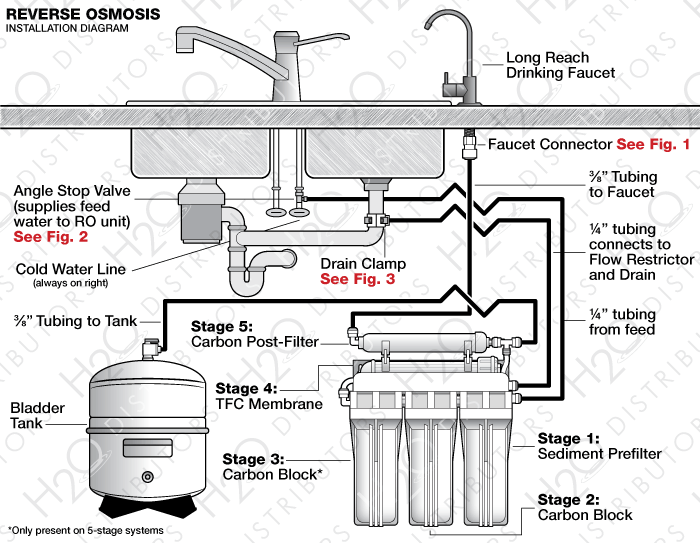
Reverse osmosis uses a high-pressure pump to force water through a semi-permeable membrane with pores as small as 0.0001 microns. Nitrate ions are physically blocked while purified water passes through. This process removes up to 99% of nitrates, reducing levels to below 1 mg/L and effectively eliminating health risks.
RO systems are typically installed under the sink and deliver clean water to a dedicated faucet. They are ideal for point-of-use protection, including drinking, cooking, and preparing baby formula.
What RO Systems Remove
RO technology provides comprehensive filtration beyond just nitrates:
• Nitrates and nitrites
• Heavy metals such as lead and arsenic
• Fluoride, chlorine, and chloramine
• Pesticides, pharmaceuticals, and PFAS compounds
One limitation to note: RO also strips beneficial minerals like calcium and magnesium. Some systems include a remineralization stage to restore pH balance and improve taste.
Understanding Water Waste
RO systems produce 3 to 5 gallons of wastewater for every 1 gallon of purified water. This brine is flushed to keep the membrane clean. High-efficiency models with 1:1 or 2:1 ratios are available but cost more upfront.
To minimize waste:
• Only run the system when needed
• Use drain water for non-potable tasks like watering plants
• Choose a system with a permeate pump for better efficiency
Ion Exchange: Whole-House Nitrate Protection

How Nitrate-Selective Resin Works
Ion exchange systems use a specialized resin that swaps nitrate ions for chloride or sulfate ions in the water. Unlike standard water softeners that target calcium and magnesium, nitrate-selective resin ignores hardness minerals, making it ideal for homes dealing with both hard water and nitrates.
These systems install at the main water line, providing nitrate-free water to every tap, shower, and appliance. This whole-house coverage is critical for households with infants, where incidental ingestion from bathing or cooking water matters.
The Fleck 5600SXT System
The Fleck 5600SXT is cited by water treatment experts as one of the few systems proven to remove up to 100% of nitrates in whole-house applications. It uses nitrate-selective resin and features a digital control valve that automates regeneration cycles.
Industry experts warn against cheap online filters claiming nitrate removal. Many use generic resin that fails under real-world conditions. The Fleck system has earned trust from municipalities and relief organizations for its reliability.
Critical Installation Sequence for Hard Water
If your water is hard (over 7 gpg), install systems in this specific order:
- Water softener (removes calcium and magnesium)
- Nitrate filter (uses selective resin for nitrates)
- Carbon filter (polishes taste and removes chlorine)
Installing the nitrate filter before the softener causes the resin to exhaust rapidly by removing hardness instead of nitrates, destroying both performance and lifespan.
Distillation: Effective but Impractical for Most Homes
The Boil and Condense Process
Distillation works by boiling water into steam, leaving nitrates and other contaminants behind. The steam cools and condenses back into pure water. This method removes over 90% of nitrates and nearly all other inorganic contaminants.
Distillation works well for small-scale or emergency use, such as a single family preparing drinking water during a contamination event.
Why Distillation Falls Short for Daily Use
Despite its effectiveness, distillation has significant drawbacks:
• Slow output of only 1 to 2 gallons per hour
• Energy-intensive operation requiring constant electricity
• High operating costs that make whole-house use impractical
Best use cases include lab settings, emergency preparedness, and off-grid cabins with backup power. For most homes, reverse osmosis or ion exchange offers better practicality.
Filters That Do NOT Remove Nitrates
Activated Carbon: Common but Ineffective
Brita, Pur, and most refrigerator filters use activated carbon. These filters excel at removing chlorine, improving taste, and reducing organic chemicals, but they do not remove nitrates or nitrites.
Carbon works through adsorption, trapping larger molecules. Nitrate ions are too small and soluble to be captured by this process. Using a carbon filter for nitrate protection creates dangerous false security. Always check product specifications: if it does not list nitrate reduction, the filter will not work.
Standard Water Softeners Cannot Remove Nitrates
Traditional water softeners use ion exchange to remove calcium and magnesium (hardness). They do not target nitrates unless equipped with nitrate-selective resin.
Some companies sell “nitrate removal” softeners, but these are specialty systems, not standard models. Installing a regular softener will not reduce nitrate levels in your water.
Boiling Water Makes the Problem Worse
Boiling kills bacteria but concentrates nitrates. As water evaporates, nitrates remain and increase in concentration. Boiling water with 8 mg/L of nitrates can result in 12 mg/L or higher, pushing it into dangerous territory.
Never boil water to remove nitrates. This practice is especially dangerous when preparing baby formula.
Top Nitrate-Removing Products Worth Considering
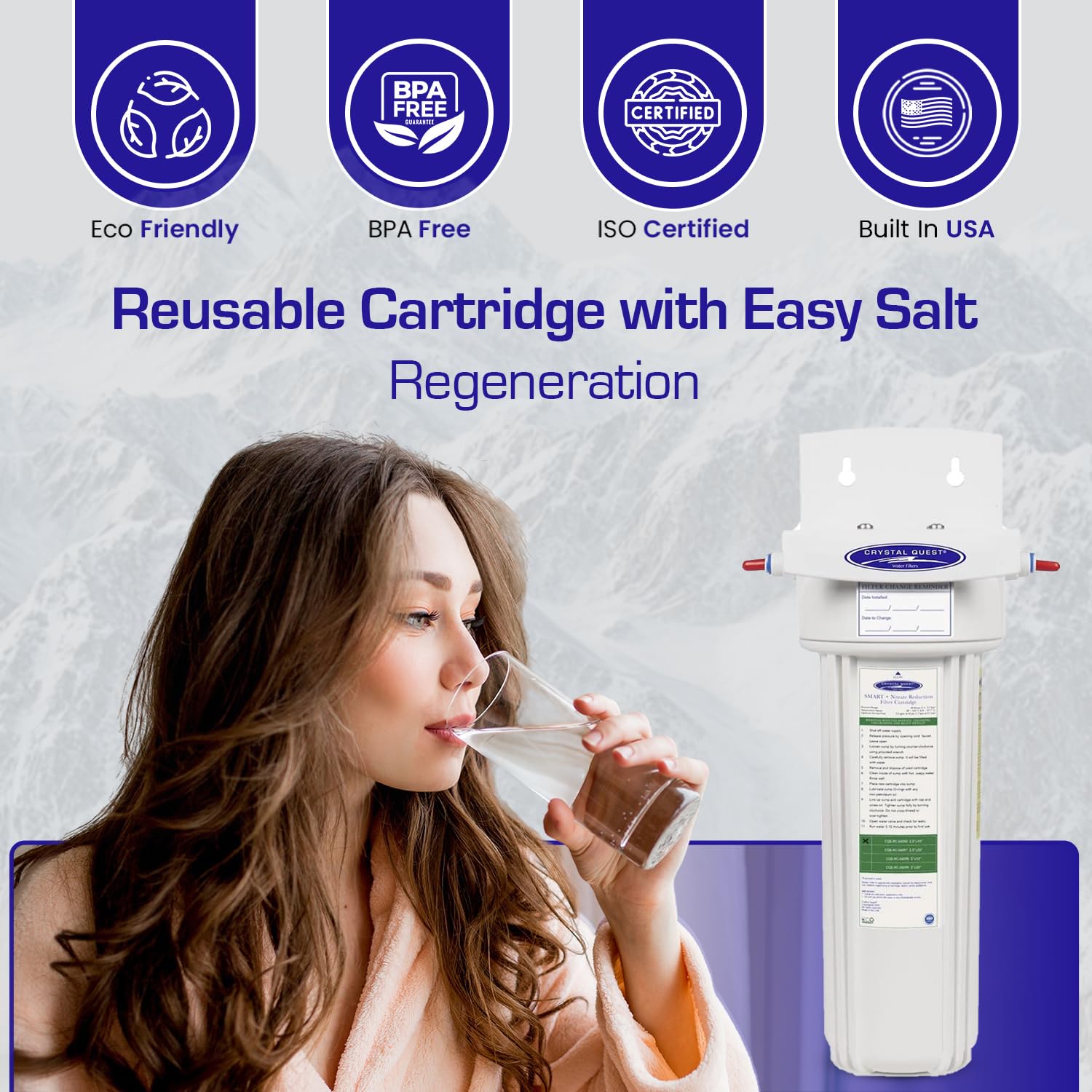
Crystal Quest Refrigerator Nitrate Filter
This in-line filter is designed for refrigerators with ice makers and coffee machines. It uses nitrate-selective resin plus catalytic carbon and redox media.
Performance specifications:
• 90 to 95% nitrate reduction
• Also removes chlorine, heavy metals, and pesticides
• Capacity of 3000 ppm nitrates as CaCO₃
Maintenance requires manual regeneration every 20 to 30 days:
1. Mix 2 to 3 cups salt in 3 to 4 cups water
2. Soak the cartridge for 1 to 2 hours
3. Rinse and reinstall
Priced at $119, this filter works best for homes needing nitrate-free ice and drinking water from fridge dispensers.
Crystal Quest Whole-House RO Systems
For homes with severe contamination, large-scale RO systems offer whole-house protection:
• 500 GPD system with 165-gallon tank: $4,624
• 1,000 GPD system with 550-gallon tank: $6,374
These systems suit areas with chronically high nitrate levels, such as agricultural zones. They include multi-stage pre-filtration, high-output membranes, and storage tanks. Professional installation is recommended for these complex systems.
AMPAC USA Emergency RO Units
Used by FEMA, the military, and NGOs, AMPAC USA mobile units deploy in 30 to 60 minutes to provide clean water during disasters.
Available capacities:
• Portable units: 1,500 GPD
• Trailer-mounted units: 50,000+ GPD
These units treat floodwater, brackish sources, and contaminated groundwater to EPA and WHO standards. They serve as a lifeline when municipal systems fail.
Maintenance Requirements That Keep Systems Working
Replace RO Filters on Schedule
An RO system only works if maintained properly. Key components and replacement intervals:
• Pre-filters (sediment and carbon): Replace every 6 to 12 months
• RO membrane: Lasts 2 to 3 years, replace if flow drops or TDS rises
• Post-carbon filter: Replace annually
Use a TDS meter to monitor performance. A rising TDS reading signals membrane failure.
Regenerate Ion Exchange Resin Monthly
Nitrate-selective cartridges must be regenerated every 20 to 30 days:
- Dissolve 2 to 3 cups salt in 3 to 4 cups water
- Soak the cartridge for 1 to 2 hours
- Soak in fresh tap water for 1 to 2 hours
- Rinse thoroughly and reinstall
Skipping regeneration allows exhausted resin to stop removing nitrates and potentially leach contaminants back into your water.
Cost Comparison Across System Types
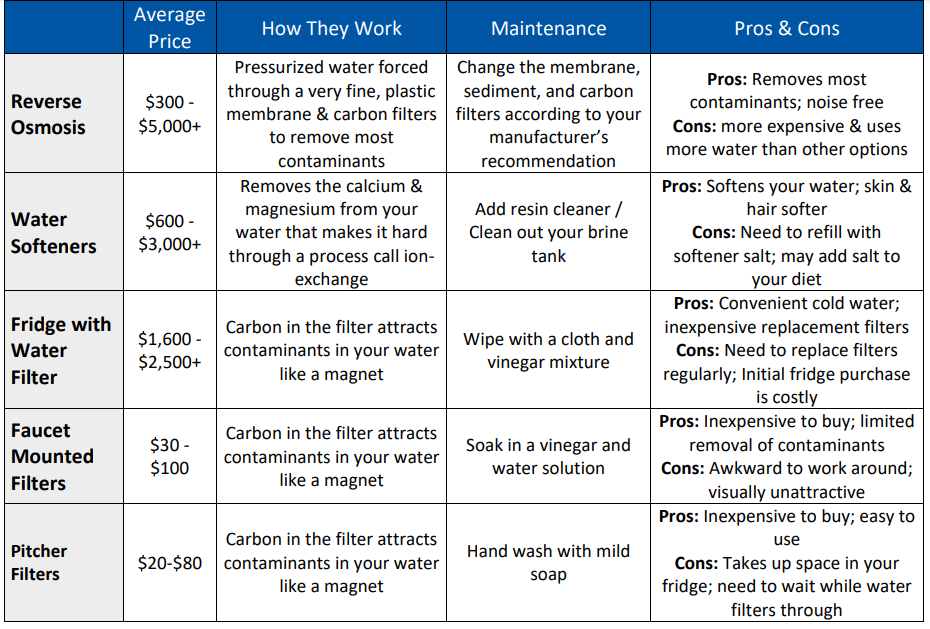
| System Type | Initial Cost | Ongoing Costs | Best For |
|---|---|---|---|
| Under-Sink RO | $200 to $500 | Filters: $100/year, water waste | Drinking water only |
| Countertop RO | $115 to $448 | Filters, electricity | Renters, temporary use |
| Crystal Quest Fridge Filter | $119 | Salt, regeneration labor | Nitrate-free ice and water |
| Fleck 5600SXT Whole House | $1,500 to $3,000+ | Salt, resin replacement | High nitrate areas |
| Large RO (500 to 1000 GPD) | $3,000 to $10,000+ | Filters, energy, water | Whole-house purification |
Whole-house systems carry higher upfront costs but protect all water uses, which is critical for infants and cooking.
Who Needs Nitrate Protection Most?

Households with Infants or Pregnant Women
Risk level: Critical. Infants under 6 months face the threat of Blue Baby Syndrome, a life-threatening condition where nitrates reduce blood oxygen. Symptoms include blue lips and difficulty breathing.
Recommended actions:
• Use certified RO or ion exchange systems
• Never use boiled tap water for formula
• Test water monthly during high-risk seasons
• Consider bottled water until a system is verified
Rural and Agricultural Areas
Farms using nitrogen fertilizers and manure contribute to approximately 80% of nitrate pollution in major river systems. Wells near fields face especially high exposure.
Recommended solutions:
• Install whole-house ion exchange (Fleck 5600SXT)
• Test water twice yearly in spring and fall
• Pair with a carbon filter for chlorine and pesticides
Municipal Water with Occasional Spikes
Even regulated systems can spike after heavy rains. Columbus, Ohio issued boil advisories in 2015 and 2016 due to nitrate surges.
Recommended protection:
• Install under-sink RO as a final barrier
• Monitor local water reports
• Keep a TDS meter on hand for quick checks
Frequently Asked Questions About Nitrate Removal
Do Brita or PUR filters remove nitrates from water?
No. Brita, PUR, and most refrigerator filters use activated carbon, which is designed to remove chlorine, improve taste, and reduce organic compounds. These filters cannot capture nitrate ions because they are too small and soluble for carbon adsorption. Only reverse osmosis or nitrate-selective ion exchange systems effectively remove nitrates.
Can boiling water remove nitrates?
No, boiling water makes nitrate contamination worse. As water evaporates during boiling, nitrates remain and become more concentrated. Water with 8 mg/L of nitrates can reach 12 mg/L or higher after boiling. This practice is especially dangerous when preparing infant formula.
What is the best water filter for removing nitrates?
Reverse osmosis and nitrate-selective ion exchange are the two most effective options. RO systems can reduce nitrates to below 1 mg/L and are ideal for point-of-use drinking water. Nitrate-selective ion exchange systems like the Fleck 5600SXT provide whole-house protection with up to 100% nitrate removal. Your choice depends on whether you need drinking water protection or whole-house coverage.
How often do nitrate filters need maintenance?
Reverse osmosis systems require pre-filter replacement every 6 to 12 months and membrane replacement every 2 to 3 years. Nitrate-selective ion exchange cartridges require manual regeneration every 20 to 30 days using a salt brine solution. Skipping maintenance allows systems to fail and potentially release contaminants back into your water.
How do I know if my water has nitrates?
Nitrates are odorless, colorless, and tasteless, so sensory inspection cannot detect them. The only reliable method is laboratory-certified water testing. Private well owners should test annually, especially in spring after snowmelt or heavy rains. If nitrates are present, also test for coliform bacteria since both often originate from the same contamination sources.
Will a water softener remove nitrates?
Standard water softeners do not remove nitrates. They use ion exchange to target calcium and magnesium (hardness minerals). Only softeners equipped with nitrate-selective resin can address nitrate contamination. If you have hard water and nitrates, install the softener before the nitrate filter to prevent the nitrate resin from exhausting prematurely.
Key Takeaways for Choosing Nitrate Removal Systems
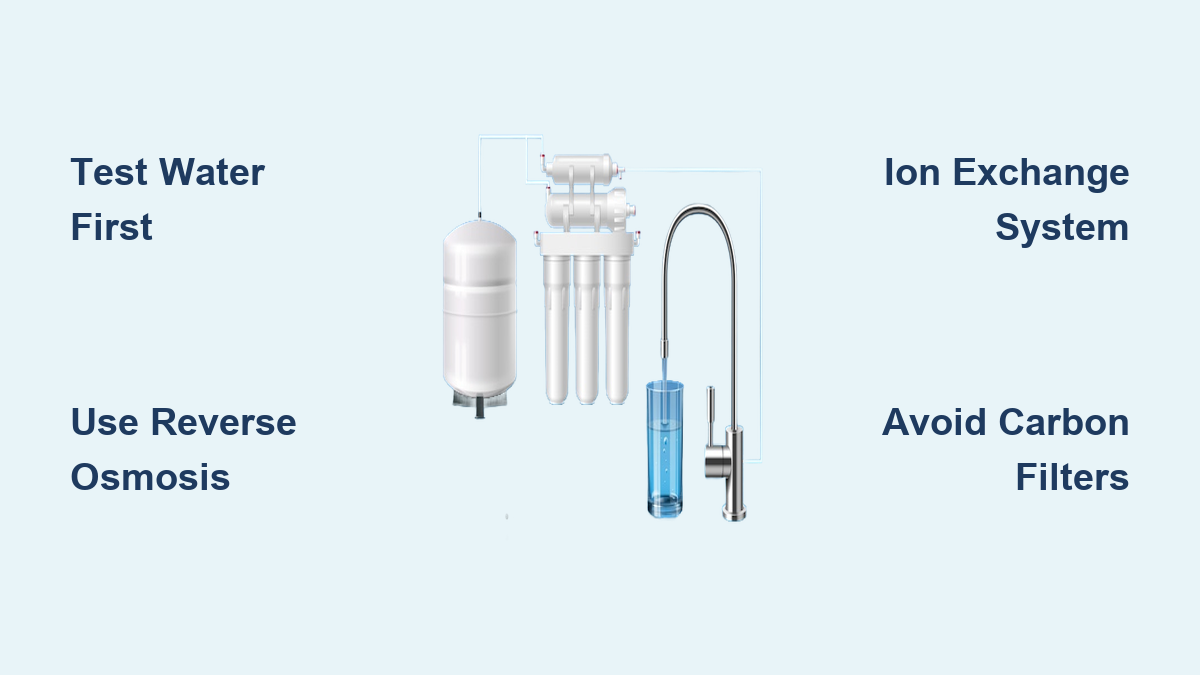
Nitrates present a silent threat with no sensory warning signs, but proven solutions exist. Reverse osmosis delivers point-of-use protection with up to 99% nitrate reduction, while nitrate-selective ion exchange provides whole-house coverage. Avoid activated carbon filters, standard water softeners, and boiling, as these methods either fail or actively worsen contamination.
Test your water first, choose technology matched to your contamination level and household needs, and commit to regular maintenance. For well owners in agricultural areas, the Fleck 5600SXT paired with a water softener offers comprehensive protection. For municipal water concerns, an under-sink RO system provides reliable drinking water safety. Your family’s health depends on selecting proven technology and maintaining it rigorously.