Benefits of Reverse Osmosis Water Explained
If you’ve ever wondered what’s really lurking in your tap water beyond what municipal treatment removes, you’re not alone. Concerns about lead, PFAS, pesticides, and pharmaceutical traces have many families reconsidering their drinking water options. Reverse osmosis (RO) stands out as one of the most thorough filtration technologies available, removing up to 99.99% of contaminants at the molecular level.
Beyond safety, RO water transforms everyday experiences. It tastes noticeably cleaner, brews better coffee, and costs only pennies per gallon compared to bottled alternatives. While older systems had drawbacks like water waste and mineral stripping, modern innovations such as remineralization cartridges and WaterSense-certified models have transformed RO into a practical, eco-friendly solution for health-conscious households.
Superior Contaminant Removal Capabilities

Reverse osmosis works by forcing water through a semi-permeable membrane with pores as small as 0.01 micrometers. This molecular-level filtration catches substances that carbon-only filters simply miss, making it the gold standard for comprehensive water purification.
Eliminates Toxic Heavy Metals
RO systems remove 98–99% of lead, a neurotoxin that causes irreversible cognitive deficits in children. The technology also filters out:
- Arsenic (96–99%), a known carcinogen common in groundwater
- Hexavalent chromium, linked to lung cancer
- Mercury (97%), copper (98%), aluminum (95%), and uranium
These metals enter water supplies through industrial runoff, aging plumbing, or natural mineral deposits. Even at low exposure levels, chronic intake increases risks of kidney damage, developmental delays, and cancer. RO acts as a critical barrier, especially in homes with older pipes or private wells.
Filters “Forever Chemicals” (PFAS)
No municipal water system reliably removes PFAS, a category encompassing over 5,000 synthetic compounds used in non-stick cookware, firefighting foam, and food packaging. These chemicals persist in the environment and human body, earning their nickname “forever chemicals.”
Linked to thyroid disease, cancer, and immune disruption, PFAS are now a top reason families install RO systems. Standard pitcher filters and carbon blocks cannot remove PFAS effectively. Reverse osmosis reduces them by over 95%, making it one of the few residential solutions capable of addressing this growing threat.
Removes Pesticides and Herbicides
Agricultural runoff contaminates many water sources with toxic chemicals. RO filtration eliminates:
- Atrazine (95%), an endocrine disruptor
- 2,4-D (98%), a common weed killer
- Lindane (98%), banned but persistent in soil and water
- Pentachlorophenol (99%), a wood preservative and carcinogen
These substances disrupt hormones and increase cancer risk. RO’s multi-stage filtration ensures they never reach your drinking glass.
Reduces Pharmaceuticals and Microplastics
Conventional water plants aren’t designed to filter out pharmaceuticals like antidepressants, birth control hormones, or antibiotics. These compounds pass through treatment and accumulate in tap water. Reverse osmosis is one of the few home methods that significantly reduces them.
RO also removes microplastics, tiny particles increasingly found in rivers, lakes, and municipal supplies. While research on health impacts continues, reducing exposure is a proactive step many families want to take.
Protects Vulnerable Populations
For children, pregnant women, and the elderly, clean water isn’t a luxury. It’s a necessity. RO provides an extra layer of protection where standard treatment falls short.
Safeguards Children’s Brain Development
Lead exposure, even at low levels, causes irreversible cognitive deficits in children. Kids drink more water per pound of body weight, and their developing brains are especially vulnerable to neurotoxins.
RO systems installed at the kitchen tap ensure that baby formula, cooking water, and drinks are free from lead and other harmful substances. This protection is critical in older homes with lead service lines or plumbing solder.
Supports Low-Sodium Diets
People with high blood pressure, heart disease, or kidney conditions often need to limit sodium intake. Water softeners replace calcium and magnesium with salt, which can increase sodium levels in drinking water.
An RO system removes both hardness minerals and sodium, making it ideal for those on strict low-sodium diets. It effectively “de-salts” softened water, giving you soft water benefits without the salt in your drinking supply.
Enhances Immune System Safety
RO removes 99% of bacteria like E. coli and Salmonella, plus 95–99% of viruses including Hepatitis A and Norovirus. For immunocompromised individuals, this added protection is invaluable.
For maximum microbial safety, pair RO with a UV sterilizer, which destroys 99.9999% of bacteria and 99.99% of viruses. This combination represents the gold standard for high-risk households.
Improves Taste and Cooking Quality
RO water tastes noticeably cleaner because it removes chlorine, sulfur, and metallic flavors. But the benefits extend well beyond drinking. Your food and appliances benefit too.
Enhances Coffee and Tea Flavor
Chlorine and hard water minerals mask the subtle notes in coffee and tea. RO water, free from these impurities, allows the true flavor profile to shine through.
Baristas and tea enthusiasts often use RO systems to achieve consistent, high-quality brews. The result is smoother coffee, clearer tea, and no unpleasant aftertaste.
Boosts Culinary Performance
Chef Steve Schimoler calls RO water a “clean canvas”, ideal for letting ingredients speak for themselves.
- Broths and soups become clearer and more flavorful
- Rice and pasta cook evenly without mineral interference
- Baking yields better texture with neutral pH water
Many high-end restaurants use RO systems for these exact reasons. At home, it elevates everyday cooking.
Prevents Appliance Scaling
Hard water leaves calcium and magnesium deposits in kettles, coffee makers, and steam irons. RO water prevents scale buildup, extending appliance life and reducing maintenance headaches.
Humidifiers and CPAP machines also benefit. Using RO water reduces mineral dust and keeps internal components clean.
Saves Money Compared to Bottled Water
Switching to reverse osmosis pays for itself quickly. The cost difference between RO and bottled water is dramatic.
Cuts Daily Water Costs
The numbers tell a clear story:
- Bottled water: $1.50 for a 20-oz bottle equals $9.60+ per gallon
- RO water: $0.02–$0.05 per gallon, including filter replacements
For a household drinking one gallon daily, that’s over $3,000 saved in five years. Even heavy users see substantial savings.
Eliminates Hidden Expenses
Beyond the price per bottle, consider the hidden costs:
- Gas and time spent driving to stores
- Delivery fees for water jugs
- Storage space required for cases of water
RO delivers unlimited clean water on demand, with no hauling, stacking, or recurring deliveries needed.
No Electricity Required
Unlike distillers or UV systems, RO uses only household water pressure. That means zero energy cost, just pure water flowing quietly under your sink.
Reduces Plastic Waste and Carbon Footprint
Every year, over 8 million tons of plastic enter the oceans. A significant portion comes from single-use water bottles.
Stops Plastic Bottle Use
One RO system can eliminate hundreds of plastic bottles annually per household. Over a 10-year lifespan, that’s thousands of bottles kept out of landfills and oceans.
Even “recycled” bottles often end up incinerated or shipped overseas. Home filtration breaks this cycle entirely.
Lowers Transportation Emissions
Bottled water travels an average of 1,300 miles from source to store. That translates to fuel consumption, emissions, and pollution for every bottle purchased.
RO water is produced locally, requiring no trucks, no fuel, and no carbon footprint beyond your tap.
WaterSense Models Save Thousands of Gallons
Older RO systems waste 2–3 gallons for every 1 gallon purified. New WaterSense-labeled models reduce that to 2.3 gallons or less of wastewater per gallon produced.
Switching to a high-efficiency model saves:
– 3,100+ gallons per year
– 47,000 gallons over the system’s life
That’s enough water to fill a backyard pool, saved simply by upgrading technology.
Addresses Mineral Loss with Remineralization
One common concern about RO is that it removes beneficial minerals like calcium, magnesium, potassium, and iron. While this doesn’t make the water unsafe, it can affect taste and nutrition.
Why Remineralization Matters
Mineral-free water tastes “flat” and may leach trace minerals from pipes or cookware. More importantly, tap water contributes to daily mineral intake, especially in areas with hard water.
Without remineralization, you miss out on this dietary source of magnesium and calcium.
Add Minerals Back with a Filter Stage
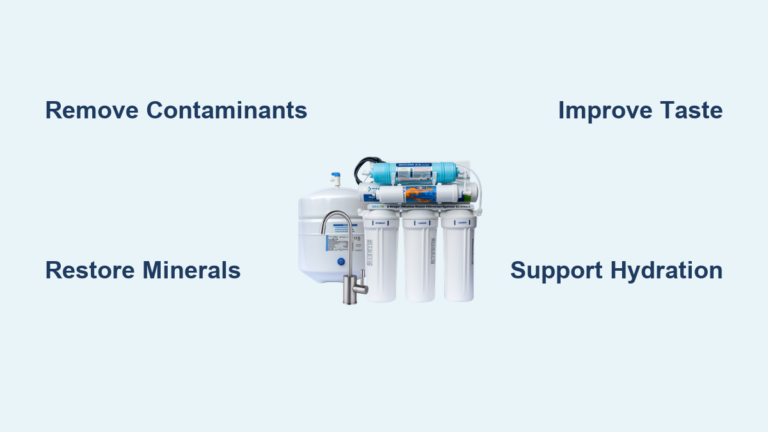
Modern RO systems often include a remineralization cartridge that adds:
– Calcium
– Magnesium
– Potassium
This restores a balanced pH (around 7–8) and improves flavor. The result is water that tastes like premium bottled spring water, without the plastic bottle.
Dietary Sources Remain Primary
Experts agree that food is the main source of essential minerals. RO water users with a balanced diet face no deficiency risk.
For those who rely on water for mineral intake, or who dislike the flat taste, remineralization offers a simple, effective fix.
Supports Long-Term Health Habits
Clean, great-tasting water changes behavior. People drink more, and that’s good for overall health.
Encourages Hydration
Studies show households with under-sink filters drink more water and consume fewer sugary drinks. RO’s crisp taste makes it easy to reach daily hydration goals.
Better hydration supports:
– Digestion
– Kidney function
– Skin health
– Energy levels
Replaces Sugary Beverages
When clean water is convenient and tasty, people reach for it instead of soda or juice. Over time, this reduces sugar intake, lowering risks of obesity, diabetes, and heart disease.
Promotes Dental Health (With a Caveat)
RO removes fluoride, which helps prevent tooth decay. While some worry about this, excessive fluoride has been linked to developmental issues and thyroid problems.
The solution is straightforward: use fluoride toothpaste and maintain regular dental care. This gives you the dental benefits without systemic fluoride exposure through drinking water.
Outperforms Other Filtration Methods
Not all filters deliver equal results. RO consistently outperforms pitchers, carbon blocks, and even whole-house systems in contaminant removal.
RO vs. Pitcher Filters
Pitcher filters are convenient but limited:
- Lead removal: 0–30% versus RO’s 98–99%
- PFAS removal: Minimal versus RO’s 95%+
- Fluoride removal: None versus RO’s 90%
- Cost per gallon: $0.20+ versus RO’s $0.03
Pitchers improve taste but miss heavy metals, chemicals, and dissolved solids.
RO vs. Whole-House Filters
Whole-house systems remove sediment and chlorine for all taps, but rarely eliminate lead, arsenic, nitrates, or PFAS.
Additionally, removing chlorine from all plumbing can allow bacteria to grow in pipes. RO avoids this issue by treating only drinking water at the point of use.
RO vs. Distillation
Both methods remove similar contaminants, but distillation:
– Uses boiling and condensation (high energy)
– Takes hours to produce one batch
– Requires electricity
RO works at room temperature, uses no electricity, and stores water in a tank for immediate use.
Installs Easily and Lasts for Years
RO systems are designed for long-term use with minimal hassle.
Fits Under Most Sinks
Most units require:
– A dedicated faucet
– 3–5 feet of under-sink space
– Connection to the cold water line
Compact models fit in tight cabinets. No counter space is needed, unlike pitchers or countertop filters.
Low Maintenance, High Reward
Follow a simple maintenance schedule:
– Pre- and post-filters: Replace every 6–12 months
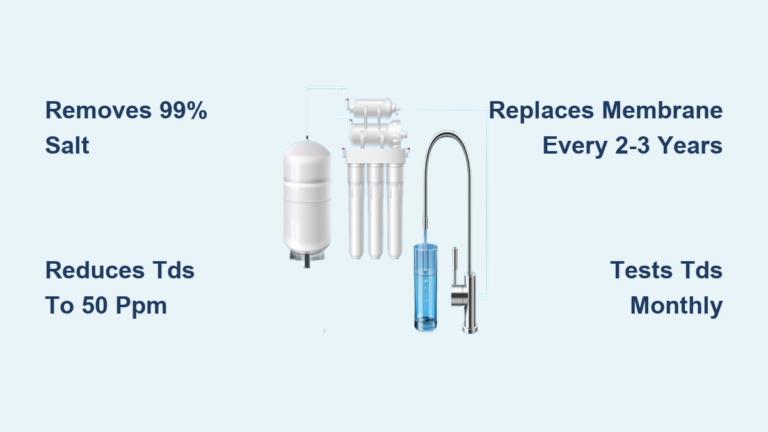
– RO membrane: Replace every 2 years
– Sanitize system: Once per year
With proper care, the tank and housing last 10+ years. Only consumables need replacing.
Look for Key Certifications
Ensure your system is certified to:
– NSF/ANSI 58 (RO performance)
– NSF/ANSI 53 (health contaminants)
– NSF/ANSI 401 (emerging pollutants like pharmaceuticals)
– EPA WaterSense (efficiency)
These third-party tests verify the manufacturer’s claims.
Frequently Asked Questions About Reverse Osmosis Water
Does reverse osmosis remove beneficial minerals from water?
Yes, RO removes calcium, magnesium, potassium, and iron along with contaminants. This removal doesn’t make the water unsafe, but it can result in a “flat” taste. Many modern systems include a remineralization cartridge that adds healthy minerals back, restoring both flavor and nutritional value.
How much does reverse osmosis water cost per gallon?
RO water costs approximately $0.02–$0.05 per gallon when you factor in filter replacements. This compares to bottled water at $9.60+ per gallon. A household drinking one gallon daily can save over $3,000 over five years by switching to RO.
Can reverse osmosis remove PFAS from drinking water?
Yes, RO removes over 95% of PFAS compounds, making it one of the few residential filtration methods effective against these “forever chemicals.” Standard pitcher filters and carbon blocks cannot remove PFAS reliably, which is why RO has become the preferred choice for families concerned about these persistent pollutants.
Do “zero waste” RO systems actually work?
Expert consensus indicates that “zero waste” systems are practically flawed. These systems recirculate concentrated brine back into feed water, which causes contaminant buildup that damages the membrane and filter components over time. Traditional waste flushing is necessary to maintain system integrity and water quality.
Is reverse osmosis water safe for long-term drinking?
Yes, RO water is safe for long-term consumption. The removal of minerals doesn’t make it dangerous, especially for people with balanced diets. For those concerned about mineral intake, remineralization filters effectively restore calcium and magnesium to the water.
How often do RO filters need to be replaced?
Pre-filters and post-filters typically need replacement every 6–12 months. The RO membrane lasts approximately 2 years, depending on water quality and usage volume. Annual system sanitization is also recommended to prevent bacterial buildup in the storage tank.
Key Takeaways for Choosing Reverse Osmosis Water
Reverse osmosis delivers the cleanest, safest drinking water available for home use, removing up to 99.99% of contaminants including lead, PFAS, pesticides, and pharmaceutical traces. For families with children, health-conscious individuals, and anyone concerned about emerging water pollutants, RO provides unmatched protection.
The financial argument is equally compelling. At pennies per gallon, RO water costs a fraction of bottled alternatives while eliminating plastic waste and transportation emissions. Modern WaterSense-certified models address historical concerns about water waste, saving over 3,100 gallons annually compared to older systems.
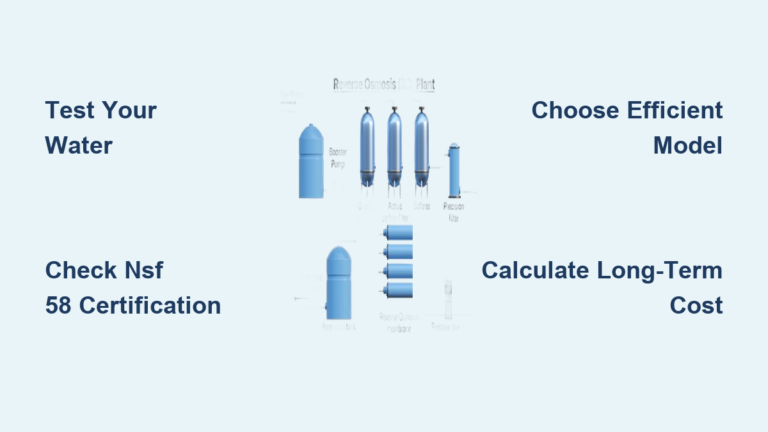
Your next step: Check your local water quality report through the EWG’s Tap Water Database or your municipality’s website. Identify the specific contaminants in your supply, then select a certified RO system with remineralization and WaterSense labeling to maximize both health benefits and efficiency.