Does Reverse Osmosis Remove Glyphosate?
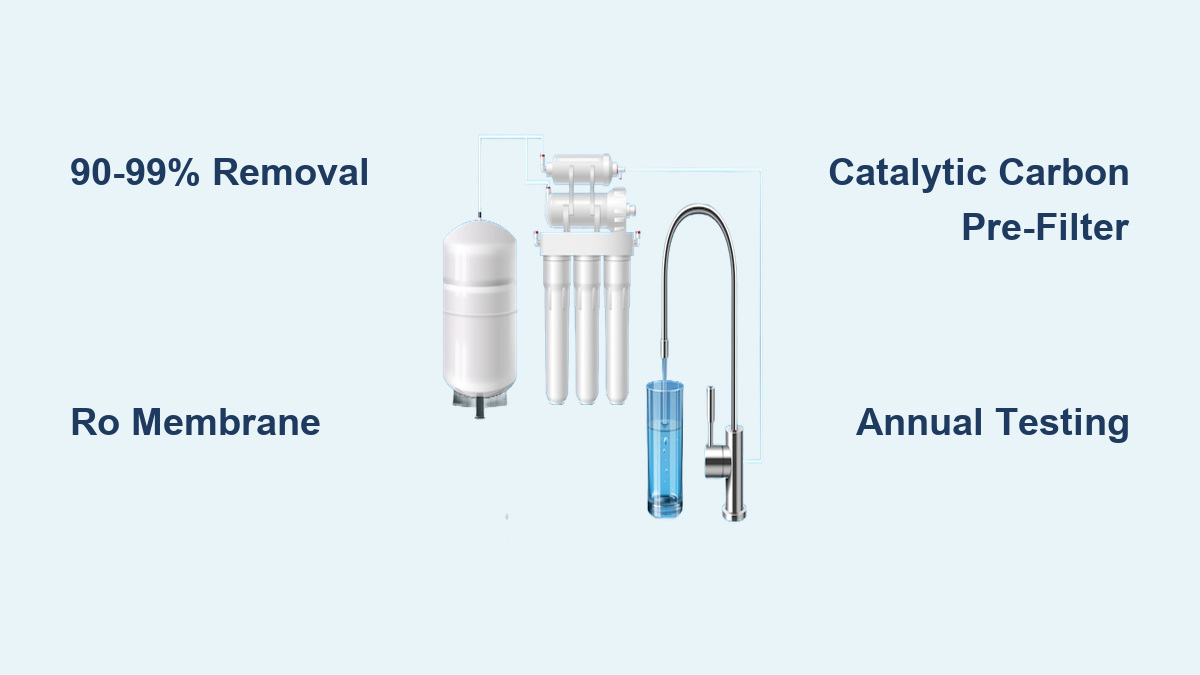
Glyphosate in drinking water is no longer a distant concern—it is a reality for millions. Detected in water systems across the U.S., especially in agricultural states like Iowa and Florida, this widely used herbicide has sparked growing health concerns. With average levels already exceeding health-based guidelines and evidence linking it to cancer, reproductive issues, and developmental harm, many are asking: does reverse osmosis remove glyphosate from water? The answer is a resounding yes. Reverse osmosis (RO) is one of the most effective residential methods available, consistently removing 90% to 99% of glyphosate and its toxic breakdown product, AMPA.
Unlike standard carbon filters, which struggle with glyphosate’s water-soluble nature, RO systems use a semi-permeable membrane to physically block contaminants, delivering clean, safe drinking water. In this guide, you’ll learn how RO works, how it compares to other filters, and what you need to know to protect your household—especially if you live in a high-risk area or rely on well water.
How RO Removes Glyphosate at the Molecular Level

Reverse osmosis does not just trap glyphosate—it blocks it through size exclusion. The process relies on pressure to force water through a dense, semi-permeable membrane with pores as small as 0.0001 microns. Glyphosate molecules, along with other dissolved solids like heavy metals, pesticides, and nitrates, are too large to pass through and are flushed away in a reject stream.
This physical filtration method is critical because glyphosate is highly water-soluble and polar, making it difficult for standard activated carbon filters to adsorb effectively. RO, however, doesn’t depend on chemical attraction—it uses physical barriers, ensuring consistent performance regardless of the contaminant’s polarity.
Key Factors That Affect RO Performance
- Membrane Integrity: A fully functional, unclogged RO membrane is essential. Damaged or aged membranes reduce removal efficiency.
- Pre-filtration: Sediment and carbon pre-filters protect the membrane and improve overall system performance.
- Water Pressure: Systems with booster pumps maintain optimal pressure, especially in low-pressure homes, ensuring maximum contaminant rejection.
- Contaminant Concentration: RO remains effective even at higher glyphosate levels (up to 6 ppb and beyond), making it suitable for areas with seasonal agricultural runoff.
When properly maintained, RO systems deliver water with glyphosate levels below 0.1 ppb, far under the Environmental Working Group’s (EWG) health guideline of 1 ppb.
RO vs. Other Filtration Methods for Glyphosate

Not all water filters are created equal—especially when it comes to glyphosate. Many common household filters, like pitcher or fridge models, offer little protection. Here’s how RO stacks up against alternatives.
Standard Activated Carbon: Limited Effectiveness
Most refrigerator and pitcher filters use granular activated carbon (GAC). While effective for chlorine and some organic compounds, GAC removes less than 20% of glyphosate due to its poor adsorption affinity.
- Why it fails: Glyphosate’s high solubility and polarity prevent strong binding to carbon surfaces.
- Saturation risk: Once the carbon is saturated, contaminants can break through.
- Replacement frequency: Every 3 to 6 months—more often in high-use or contaminated water.
Catalytic Carbon: Better, But Not Enough Alone
Catalytic carbon is a step up. It chemically alters contaminants rather than just trapping them, achieving over 90% glyphosate removal when used correctly.
- Best in hybrid systems: Most effective as a pre-filter before RO.
- Longer lifespan: Resists fouling and lasts longer than standard GAC.
- Higher cost: More expensive than basic carbon filters.
Still, catalytic carbon alone can’t match the comprehensive removal of a full RO system.
Distillation, Ozone, and UV: Specialized Alternatives
- Distillation boils water and condenses the steam, removing nearly 100% of glyphosate. However, it is energy-intensive, slow, and removes beneficial minerals.
- UV light kills microbes but does not remove glyphosate.
- Ozone can break down some organics but is unstable, risky to handle, and ineffective as a standalone solution.
| Method | Glyphosate Removal | Best For |
|---|---|---|
| Reverse Osmosis | 90–99% | Reliable, whole-home protection |
| Catalytic Carbon | >90% | Pre-filtration; high-end carbon systems |
| Standard Carbon | <20% | Basic taste/odor improvement |
| Distillation | ~100% | Lab settings; small batches |
| UV/Ozone | 0% | Microbial control only |
Where Glyphosate Contamination Is Highest

Your location matters. Glyphosate levels in water are closely tied to agricultural activity. If you live near corn, soy, or sugar cane fields, your risk is significantly higher.
High-Risk States and Cities
- Iowa: 17 water systems affected. Corn Belt runoff leads to frequent detection.
- Florida: 10 systems impacted. Citrus and sugar cane farming contribute to contamination.
- Peak Levels:
- Hobe Sound, FL: 6.0 ppb
- Okeechobee, FL: 6.0 ppb
- Zephyrhills, FL: 5.9 ppb
- Huxley, IA: 3.26 ppb
Even at 1.9 ppb (the national average), glyphosate exceeds the EWG’s 1 ppb safety guideline, making filtration essential—even in areas not considered “high risk.”
Private Well Owners Should Test First
Municipal systems are required to report contaminants, but private wells are not tested for glyphosate unless the owner requests it. If you rely on a well, especially in agricultural regions:
- Test your water for glyphosate and AMPA.
- Use certified labs with LC-MS/MS testing (detection limit: 0.1 ppb).
- Re-test annually or after heavy rains, which can flush herbicides into groundwater.
Health Risks of Glyphosate Exposure
You are not just filtering a chemical—you are protecting against documented health threats.
Cancer and Hormonal Disruption
- The IARC (WHO) classifies glyphosate as Group 2A: probably carcinogenic to humans.
- California’s Prop 65 lists it as a known carcinogen.
- A University of Washington study found a 41% increased risk of Non-Hodgkin Lymphoma in exposed individuals.
- Evidence suggests it may stimulate hormone-dependent cancers like breast and prostate.
Impact on Children and Pregnancy
- Children consume more water per pound of body weight and are more vulnerable to toxins.
- Studies link glyphosate exposure during pregnancy to shorter gestation periods, lower birth weight, and altered fetal development.
- It may disrupt gut microbiome, affecting immunity and digestion.
Why the 700 ppb EPA Limit Is Outdated
The EPA’s legal limit is 700 ppb, but this standard was set in 1992 based on outdated animal studies and does not account for cancer risk or children’s health.
- California’s limit: 5 ppb (cancer-based)
- EWG guideline: 1 ppb (precautionary)
- Detected average: 1.9 ppb—nearly twice the EWG limit
RO brings levels down to undetectable or near-zero, offering peace of mind far beyond what regulatory limits suggest.
How to Choose the Right RO System for Glyphosate
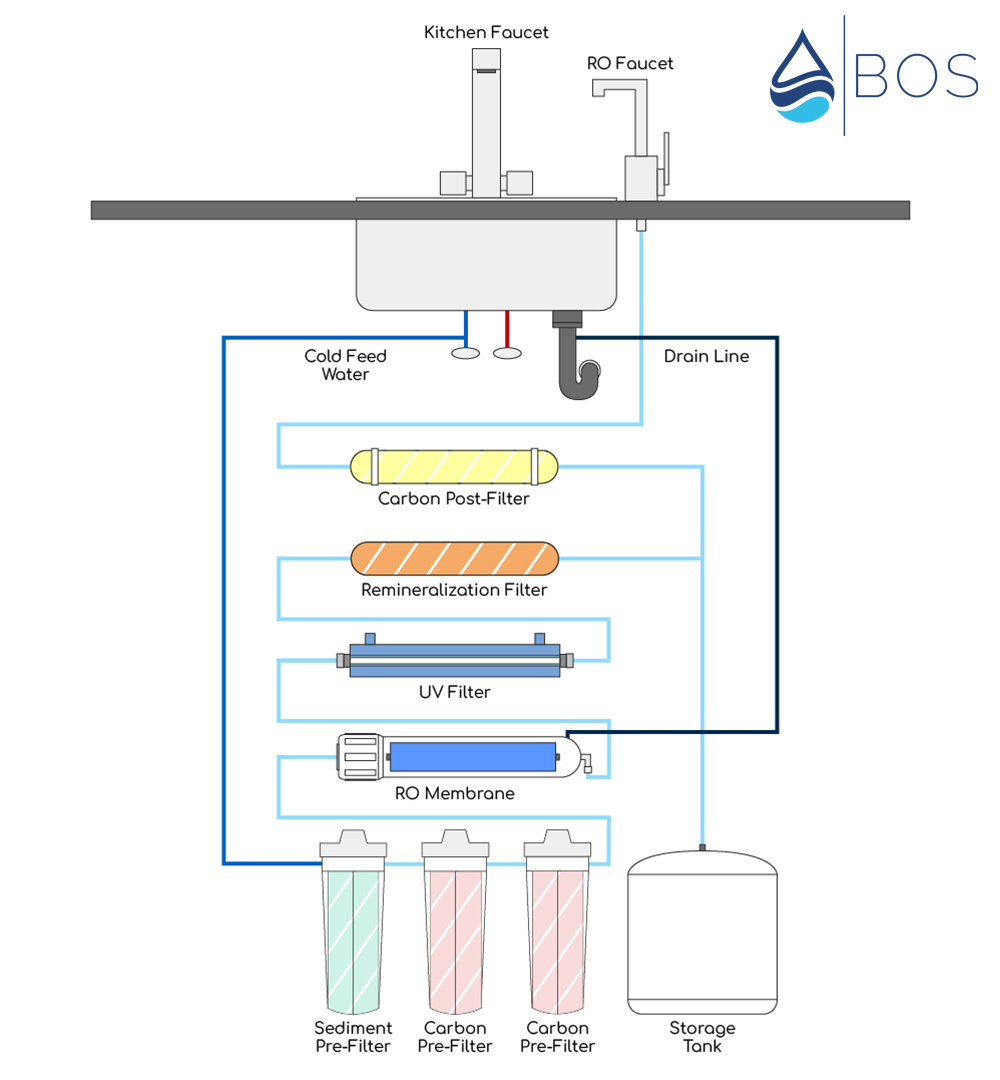
Not all RO systems are equal. To ensure maximum glyphosate removal, choose wisely.
Look for These Certifications
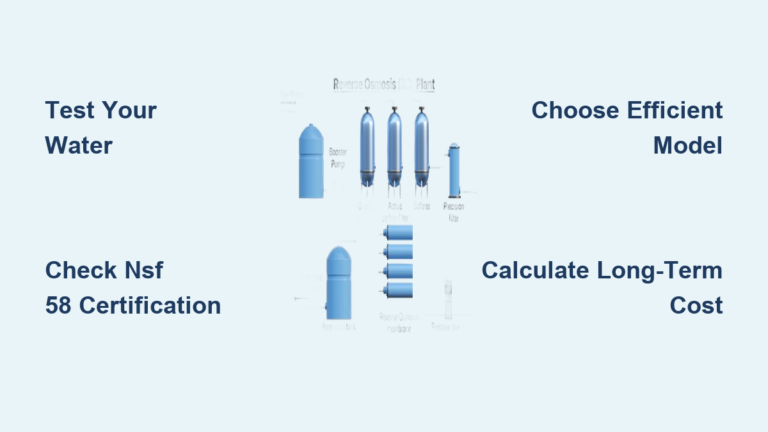
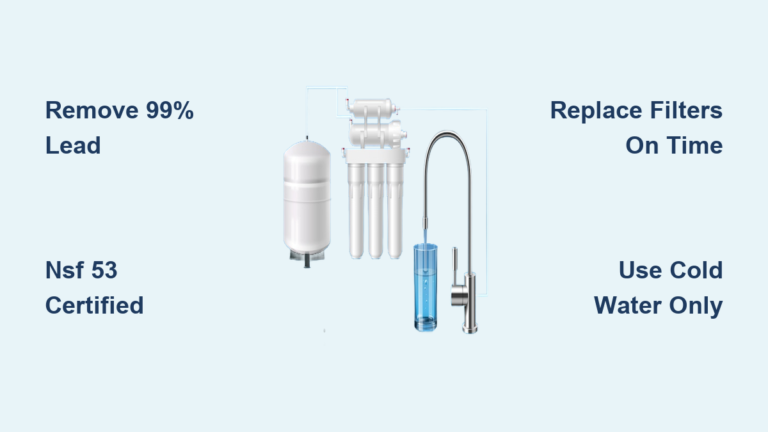
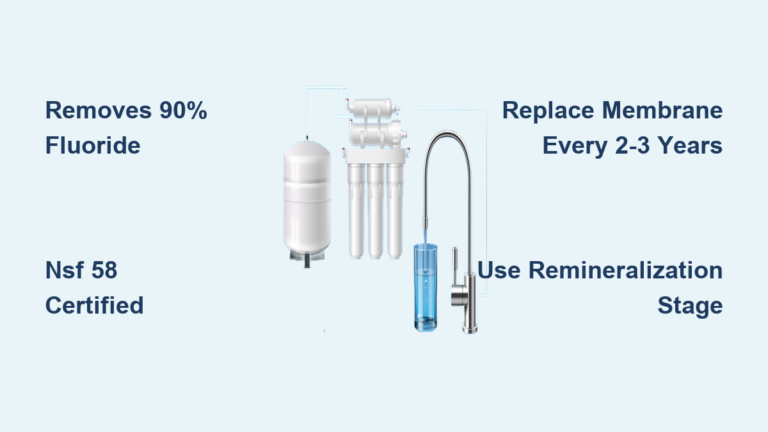
- NSF/ANSI Standard 58: Certifies RO systems for contaminant reduction, including pesticides.
- NSF/ANSI Standard 53: Covers health-related contaminants like glyphosate and lead.
- Check the label: Confirm the system is tested and certified for organic chemical reduction.
Optimal System Configuration
For best results, use a multi-stage hybrid system:
- Sediment pre-filter (5-micron): Removes dirt and silt.
- Catalytic carbon block: Adsorbs chlorine, VOCs, and some glyphosate; protects the RO membrane.
- RO membrane: Removes 90 to 99% of glyphosate, PFAS, arsenic, and nitrates.
- Post-carbon filter: Polishes taste and removes any residual odors.
- (Optional) UV light: Kills bacteria and viruses—ideal for well water.
Point-of-Use vs. Whole-Home
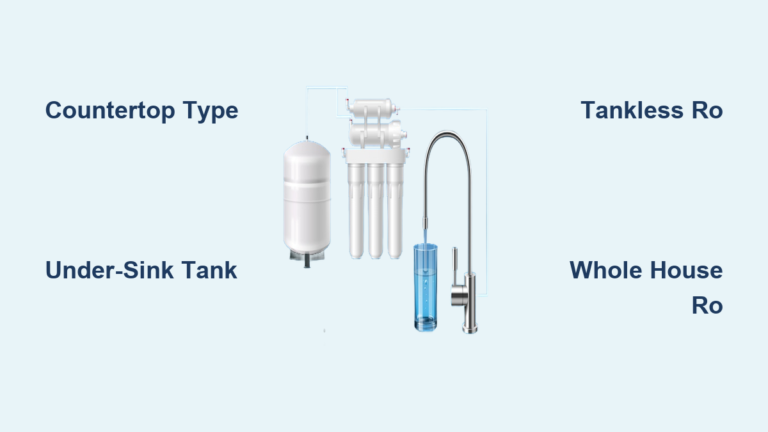
- Under-sink RO: Most common. Filters water at one tap (kitchen). Affordable, easy to install. Perfect for drinking and cooking.
- Whole-home RO or nanofiltration: Filters all household water. Higher cost and water waste, but ideal for high-risk areas or homes with well water.
RO System Maintenance Best Practices
Even the best system fails without maintenance. A clogged filter or worn membrane can let glyphosate slip through.
Replacement Schedule
- Pre-filters (sediment and carbon): Every 6 months (every 3 months in high-contamination areas).
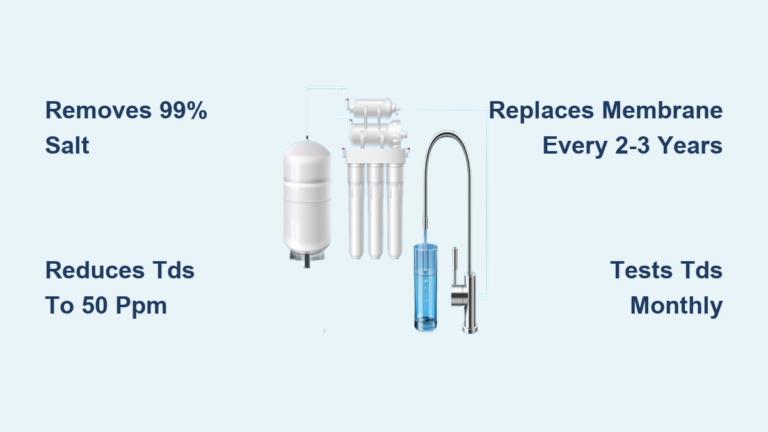
- RO membrane: Every 2 to 3 years, or if water flow drops significantly.
- Post-filter: Every 12 months.
- Check for leaks: Inspect connections and storage tank regularly.
Signs Your System Is Failing
- Slow flow rate: Indicates clogged filters or membrane.
- Bad taste or odor: Suggests exhausted carbon filters.
- Increased TDS (Total Dissolved Solids): Use a TDS meter to test output water. A rising number means the membrane is failing.
Test Your Filtered Water Annually
- Annual testing: Confirm glyphosate and AMPA are below detection limits.
- Use certified labs: Look for labs specializing in pesticide analysis.
- Home test strips: Not reliable for glyphosate—use only lab testing.
Special Cases and Recommendations

Your filtration needs depend on your household and water source.
Families with Children or Pregnant Women
Given the heightened risks during development, RO is strongly recommended. Even low levels (1 to 2 ppb) may pose risks. Pair RO with a refrigerator filter for ice and water, and filtered water bottles for school and outings.
Agricultural and Rural Areas
- Seasonal spikes: Glyphosate levels rise after spring planting and heavy rains.
- Use high-capacity pre-filters to handle increased contaminant load.
- Consider whole-home nanofiltration for comprehensive protection.
Well Water Users
- Test first: Never assume your well is safe.
- Install RO at point-of-use: Kitchen tap for drinking and cooking.
- Add UV if microbial risk exists: Protects against bacteria and viruses.
Frequently Asked Questions About Glyphosate and Reverse Osmosis
Does reverse osmosis remove glyphosate completely?
RO systems remove 90% to 99% of glyphosate, typically bringing levels below 0.1 ppb—well under the EWG’s 1 ppb health guideline. While no residential filter guarantees 100% removal, RO comes closest among consumer options.
Can a standard carbon filter remove glyphosate?
Standard activated carbon filters (pitcher or fridge models) remove less than 20% of glyphosate because the herbicide’s polar, water-soluble nature prevents strong binding to carbon. Catalytic carbon performs better at over 90%, but RO remains more reliable.
How often should I replace my RO membrane?
RO membranes typically last 2 to 3 years, depending on water quality and usage. Replace pre-filters every 3 to 6 months and post-filters every 12 months to maintain peak performance.
Is RO water safe to drink long-term?
Yes. While RO removes beneficial minerals along with contaminants, most people obtain minerals from food. If concerned, consider a remineralization filter or a diet rich in minerals.
Do I need RO if my municipal water tests negative for glyphosate?
Glyphosate is not consistently tested in municipal supplies, and levels fluctuate with agricultural runoff. If you live in or near agricultural areas, proactive RO filtration is a prudent safeguard.
How much wastewater does an RO system produce?
Standard RO systems produce roughly 3 to 4 gallons of wastewater per gallon of filtered water. Modern high-efficiency models reduce this ratio. The wastewater is safe for non-drinking uses like irrigation or cleaning.
What is AMPA, and does RO remove it too?
AMPA (aminomethylphosphonic acid) is glyphosate’s primary breakdown product and exhibits similar toxicity. RO membranes effectively block AMPA due to its molecular size, making RO a comprehensive solution for both compounds.
Key Takeaways for Removing Glyphosate with Reverse Osmosis
Reverse osmosis stands as the gold standard for residential glyphosate removal, delivering 90% to 99% reduction and outperforming all other consumer filtration methods. To maximize protection, choose an NSF-certified system with catalytic carbon pre-filtration, follow a strict maintenance schedule, and test your water annually—especially if you rely on well water or live in an agricultural region.
Your next step: Check your local Consumer Confidence Report or the EWG Tap Water Database to assess your risk. If glyphosate is detected—or if you live in Iowa, Florida, or another high-use state—investing in a quality RO system is one of the most effective ways to safeguard your family’s long-term health.