Reverse Osmosis Alkaline Water Benefits Explained
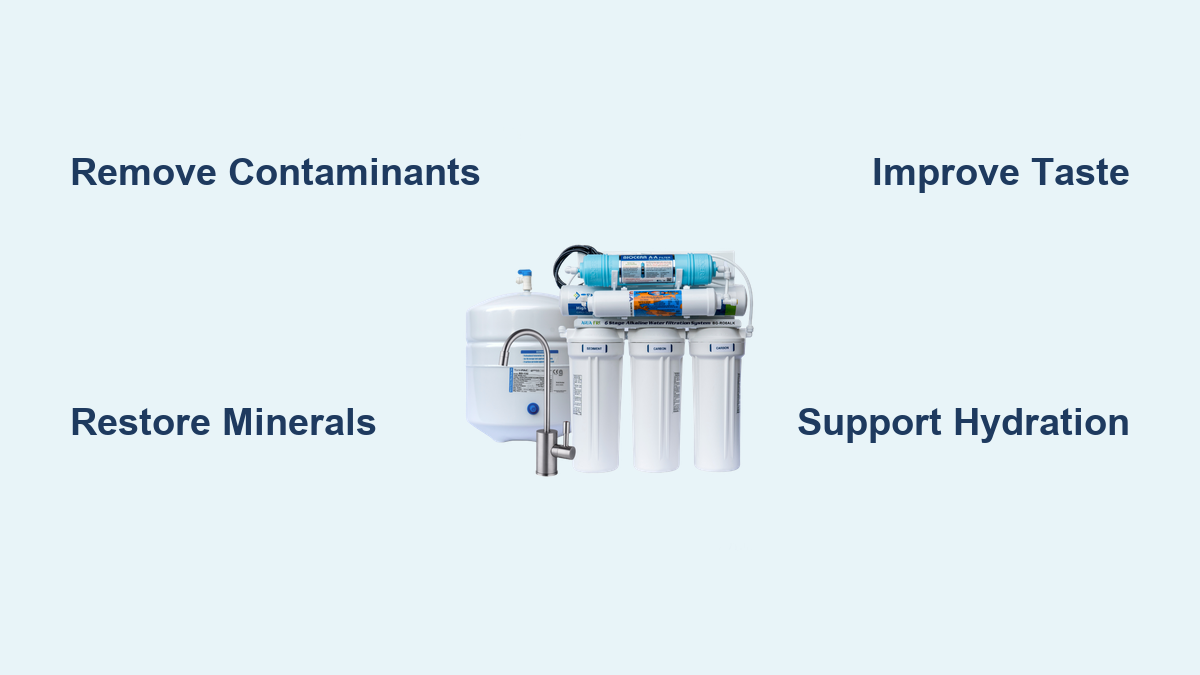
You fill your glass from the tap, hoping it’s safe, but a faint chlorine smell makes you hesitate. Millions of households share this concern, especially when local water reports mention lead, fluoride, or aging pipes. Reverse osmosis alkaline water offers a practical solution by combining deep filtration with mineral restoration in a single glass.
This guide breaks down how alkaline RO systems work, the real reverse osmosis alkaline water benefits supported by research, and how to decide if this technology fits your home. You’ll learn about health effects, safety considerations, maintenance tips, and how alkaline RO compares to other filtration methods.
How Alkaline RO Systems Work

Reverse osmosis alkaline water is engineered through a layered process that purifies first and rebalances second. Understanding each stage helps you evaluate the quality and value of any system you consider.
The Multi-Stage Filtration Process
A standard 6-stage alkaline RO system follows a precise sequence designed to remove contaminants and then restore beneficial minerals:
- Sediment Pre-Filter – Captures rust, dust, sand, and large particles before they reach the membrane.
- Carbon Block Filter – Reduces chlorine, chloramines, and volatile organic compounds that can damage the RO membrane.
- RO Membrane (0.0001 microns) – Forces water through a semi-permeable barrier, removing up to 99% of dissolved solids, heavy metals, fluoride, and nitrates.
- Post-Carbon Filter – Polishes the water by removing any residual tastes or odors.
- Alkaline Remineralization Filter – Adds calcium, magnesium, and potassium in controlled amounts, raising pH to a slightly alkaline range (typically 7.5–8.5).
- Final Output – Delivers clean, mineral-balanced water with improved mouthfeel and stability.
This integration ensures you’re drinking both safe and sensorially pleasing water, not just purified liquid that tastes empty.
Why Remineralization Matters
After RO filtration, water lacks buffering minerals and becomes prone to absorbing carbon dioxide from the air. This causes pH to drop below 7, creating a slightly acidic profile that tastes flat to many people.
The alkaline stage counteracts this by raising pH to a stable level, improving smoothness, and supporting hydration through added electrolytes. Without this final step, many users abandon their RO systems because the water simply doesn’t taste appealing enough to drink consistently.
Health Benefits of Alkaline RO Water
While the body tightly regulates blood pH between 7.35 and 7.45, drinking reverse osmosis alkaline water may still offer targeted wellness advantages related to digestion, hydration, and mineral intake.
May Help Reduce Acid Reflux Symptoms
Research published in the Annals of Otology, Rhinology & Laryngology found that alkaline water at pH 8.8 can irreversibly deactivate pepsin, the enzyme responsible for acid reflux. For individuals with laryngopharyngeal reflux (LPR) or frequent heartburn, switching to alkaline RO water may reduce symptom frequency, especially when paired with dietary adjustments.
Pro Tip: Look for systems that consistently deliver water at or above pH 8.5 if acid reflux is a primary concern.
Encourages Better Hydration
The smooth, crisp taste of mineralized water often leads people to drink more throughout the day. Because alkaline RO water contains electrolytes like magnesium and potassium, it may support cellular hydration more effectively than demineralized water.
While food remains the primary mineral source, the small amounts in alkaline water can supplement daily intake, particularly for those with diets low in dairy or leafy greens.
Supports Bone and Antioxidant Health (Emerging Evidence)
Some studies suggest alkaline water may help reduce bone resorption markers, potentially benefiting long-term bone density. The theory centers on offsetting the metabolic acid load from processed foods, which the body otherwise buffers using bone calcium.
Additionally, alkaline water often carries a negative oxidation-reduction potential (ORP), suggesting antioxidant properties. Early data indicates it may reduce oxidative stress in certain tissues, though more human trials are needed to confirm these effects.
Safety Considerations and Who Should Avoid It
For most healthy adults, reverse osmosis alkaline water is safe and beneficial. However, specific groups should exercise caution.
Risks for Kidney Disease Patients
Individuals with impaired kidney function should consult a doctor before consuming alkaline water regularly. The added minerals, especially potassium, can accumulate in the bloodstream if the kidneys cannot excrete them efficiently. This may lead to hyperkalemia, a condition that affects heart rhythm and can be dangerous.
Potential Digestive Interference
The stomach relies on high acidity (pH 1.5–3.5) to break down food and neutralize pathogens. Drinking large amounts of highly alkaline water (pH above 9.5) with meals could theoretically neutralize stomach acid and impair digestion. To minimize this risk:
- Avoid drinking alkaline water 30 minutes before and after meals
- Stick to pH 8–9 for daily consumption
- Use it primarily between meals for hydration purposes
Acidic RO Water Is Not Harmful
A common myth suggests that slightly acidic RO water (pH 6–6.5) is dangerous. In reality, this mild acidity comes from dissolved carbon dioxide forming carbonic acid. It does not affect body pH and poses no health risk, though it may taste less refreshing than mineralized water.
Reverse Osmosis vs. Alkaline-Only Filters
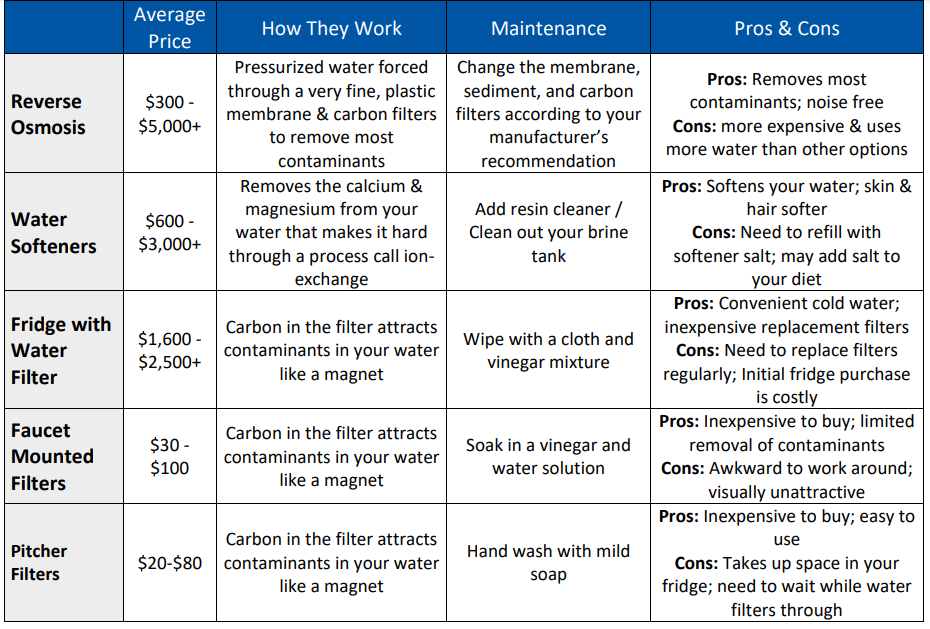
Choosing between filtration systems depends on your water source and priorities. Here’s how they compare across key factors.
Contaminant Removal Capabilities
| Contaminant | RO Removal Rate | Alkalone Filter Removal |
|---|---|---|
| Lead | 95–99% | Minimal |
| Arsenic | 90–98% | None |
| Fluoride | 85–95% | Minimal |
| Nitrates | 80–95% | None |
| Microplastics | Yes | Partial (if carbon included) |
| Total Dissolved Solids | Reduces to < 50 ppm | May increase TDS |
Alkaline filters do not remove heavy metals, fluoride, or high levels of dissolved solids. If your tap water has contamination risks, an alkaline-only system is not sufficient for safety.
Taste and Drinking Experience
Taste plays a major role in how much water people actually consume:
- Alkaline water offers a smooth, crisp, slightly sweet profile
- Pure RO water often tastes flat or empty due to missing minerals
- Alkaline RO water combines purity with pleasant taste, encouraging consistent hydration
Remineralization closes the sensory gap, making RO water more enjoyable and helping households drink enough water daily.
Environmental and Practical Considerations
Beyond health benefits, real-world factors like water waste, cost, and maintenance influence the decision.
Water Waste in RO Systems
Traditional RO systems waste 3 to 5 gallons for every gallon produced, a significant drawback in drought-prone regions. To reduce this impact:
- Choose zero-waste or permeate pump RO systems
- Use drain water for plants or household cleaning
- Consider high-efficiency models with 2:1 or 1:1 waste ratios
Alkaline pitchers and faucet filters produce no wastewater, making them more eco-friendly options for households with safe municipal water.
Maintenance Requirements
| System Type | Filter Replacement | Key Components |
|---|---|---|
| Alkaline Pitcher | Every 2–3 months | Single cartridge |
| Alkaline Faucet | Every 4–6 months | Cartridge |
| RO with Alkaline Stage | Every 6–12 months (pre/post), 2–3 years (membrane) | 5–6 filters plus tank |
Neglecting membrane replacement reduces contaminant removal over time. Old alkaline cartridges lose their mineral content and pH-boosting ability, diminishing the core reverse osmosis alkaline water benefits.
Ideal User Profiles

Not every household needs an alkaline RO system. Here’s who gains the most from this technology.
Urban Homes with Aging Infrastructure
If you live in a city with old pipes, RO removes lead and copper that can leach from corroded plumbing. Adding alkaline remineralization ensures safe, tasty water without relying on bottled alternatives.
Private Well Water Users
Wells often contain high total dissolved solids, nitrates, or naturally occurring arsenic. RO is essential for safety in these situations, and alkaline post-filtration improves palatability, making it easier to stay hydrated.
Health-Optimized Households
For families focused on wellness, acid reflux relief, or maximizing hydration, alkaline RO water offers a premium upgrade. It delivers bottled-water quality at home while eliminating plastic waste from single-use bottles.
Renters and Space-Limited Kitchens
If under-sink installation isn’t possible, consider countertop RO units with remineralization or high-quality alkaline pitchers. Testing your water first helps determine which approach addresses your actual needs.
Debunking Common Myths

Misinformation surrounds alkaline water, making it harder to separate fact from marketing hype.
“Alkaline Water Cures Cancer”
No credible evidence supports this claim. The body maintains blood pH regardless of what you drink, and claims about “alkalizing the body” to prevent disease are not scientifically backed.
“RO Water Leaches Minerals from Your Body”
This is a myth. While RO water lacks minerals, it doesn’t pull them from bones or tissues. Most minerals come from food, and remineralized RO water provides a small supplemental source while improving taste.
“All Alkaline Water Is the Same”
There are three distinct types:
- Natural alkaline water from mineral springs (rare and often expensive)
- Electrolyzed water from electric ionizers (high cost and maintenance)
- Remineralized RO water from combined filtration systems (most practical for home use)
Only the third option guarantees both purity and consistent alkalinity.
How to Test and Maintain Your System
Regular testing ensures your system delivers the reverse osmosis alkaline water benefits you’re paying for.
Key Parameters to Monitor
| Parameter | Testing Tool | Recommended Frequency |
|---|---|---|
| pH Level | Digital meter or strips | Monthly |
| TDS Level | TDS meter | Monthly |
| Contaminants (lead, nitrates) | Professional lab kit | Annually or after filter changes |
Test water before and after the alkaline stage. Pure RO water should read below 50 ppm TDS. After remineralization, expect a slight increase to 20–80 ppm, which confirms mineral addition.
Warning Signs Your System Needs Service
- Water tastes flat or metallic
- Flow rate slows significantly
- pH drops below 7.0
- Visible scale buildup or leaks
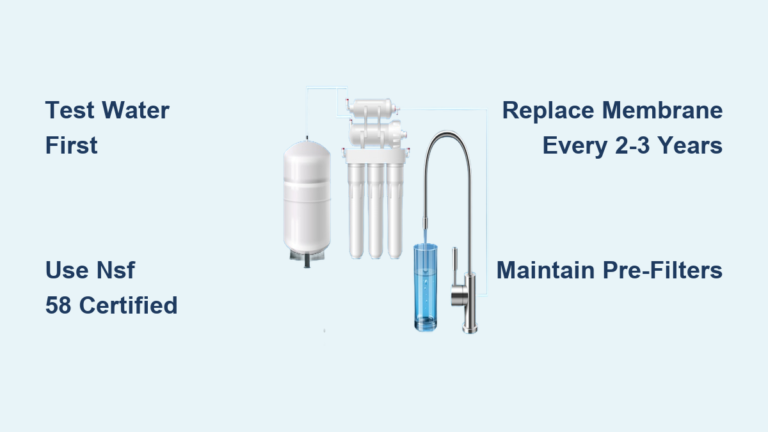
Replace pre-filters every 6–12 months, the RO membrane every 2–3 years, and the alkaline cartridge every 6–12 months to maintain peak performance.
Frequently Asked Questions About Reverse Osmosis Alkaline Water
What makes reverse osmosis alkaline water different from regular alkaline water?
Regular alkaline water from pitchers or ionizers may add minerals but does not remove contaminants like lead, fluoride, or nitrates. Reverse osmosis alkaline water combines deep purification with remineralization, delivering water that is both clean and mineral-balanced.
Is alkaline RO water safe to drink every day?
For most healthy adults, daily consumption is safe and beneficial. However, individuals with kidney disease should consult a doctor first, as added potassium and minerals may accumulate if kidney function is impaired.
Can alkaline RO water help with acid reflux?
Research suggests alkaline water at pH 8.8 can deactivate pepsin, the enzyme involved in acid reflux. Many people with LPR or frequent heartburn report reduced symptoms after switching to alkaline RO water, especially when combined with dietary changes.
How much water does an RO system waste?
Traditional systems waste 3 to 5 gallons per gallon produced. High-efficiency models with permeate pumps or zero-waste designs can reduce this ratio to 1:1 or 2:1, significantly cutting water waste.
Does alkaline RO water taste different from regular RO water?
Yes. Pure RO water often tastes flat because it lacks minerals. The alkaline remineralization stage adds calcium, magnesium, and potassium, producing a smoother, slightly sweeter taste that encourages more consistent drinking.
How often should I replace the alkaline filter?
The alkaline remineralization cartridge should be replaced every 6–12 months. Over time, the mineral media depletes, reducing both pH elevation and taste improvement. Regular replacement maintains the system’s effectiveness.
Key Takeaways for Choosing Reverse Osmosis Alkaline Water
Reverse osmosis alkaline water offers a powerful combination of safety and wellness. It removes dangerous contaminants while restoring taste, pH balance, and essential minerals that pure RO water lacks. For households with questionable water quality, aging pipes, or specific health concerns like acid reflux, this technology delivers measurable benefits.
Before investing, test your tap water to understand your actual needs. If contaminants are present, an alkaline RO system provides comprehensive protection. If your water is already safe but tastes flat, a standalone alkaline filter may suffice. Either way, understanding the science behind reverse osmosis alkaline water benefits helps you make a confident, informed decision for your household’s health and hydration goals.