Does Reverse Osmosis Remove Calcium?
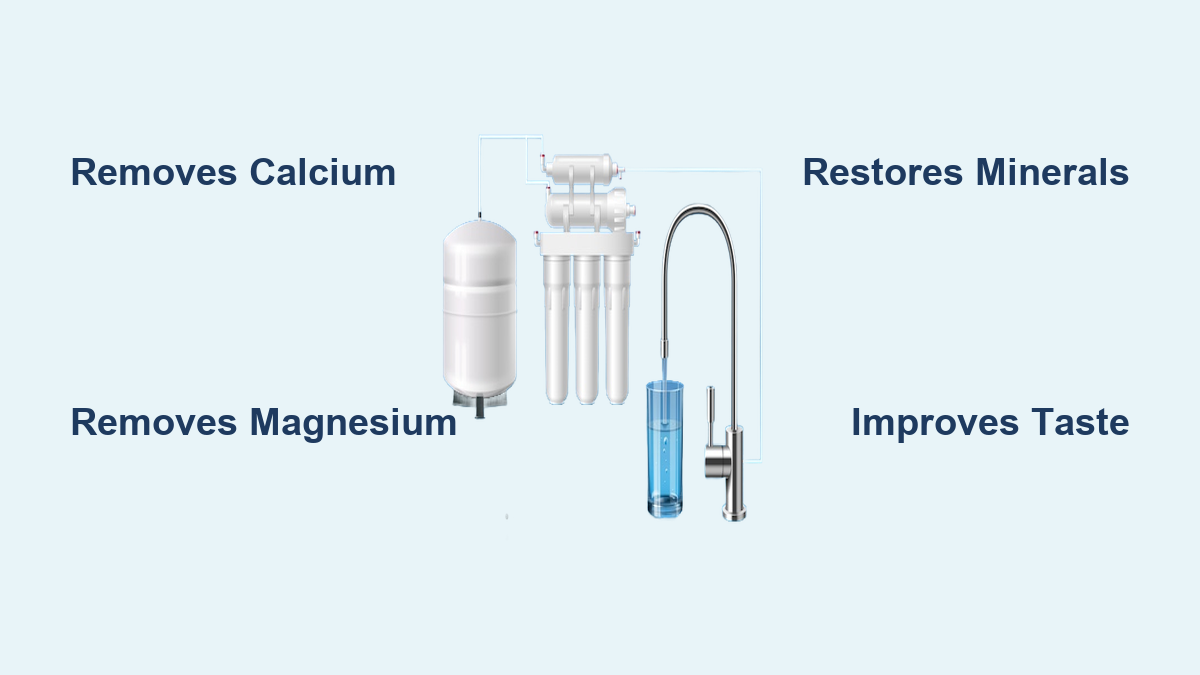
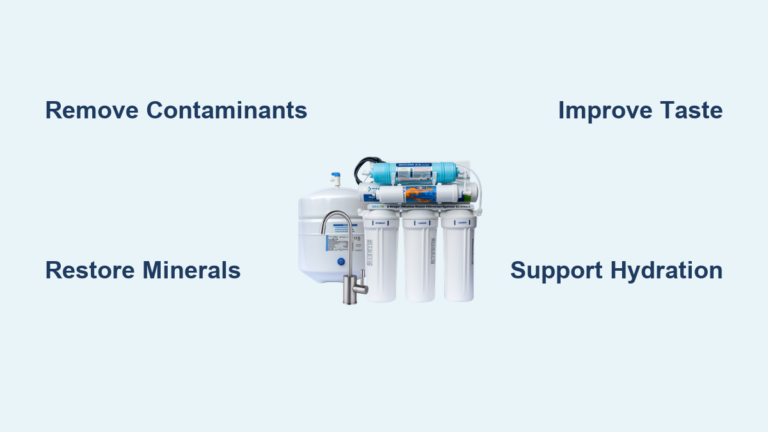
Yes, reverse osmosis removes calcium and magnesium from your water, and it does so almost completely. The semi-permeable membrane blocks dissolved ions larger than water molecules, stripping hardness minerals along with contaminants like lead, fluoride, and microplastics. The result is exceptionally pure water with very low total dissolved solids.
If you have ever wondered whether this mineral loss matters for your health or taste, you are not alone. This guide explains exactly how RO removes calcium and magnesium, what it means for your drinking water, and the most effective ways to restore minerals if you want better flavor and pH balance.
How Reverse Osmosis Strips Calcium and Magnesium

The Semi-Permeable Membrane Explained
RO systems force water through a dense membrane with pores around 0.0001 microns. Only water molecules are small enough to pass through. Calcium and magnesium exist in water as charged ions, so they cannot cross the membrane and get flushed away as wastewater.
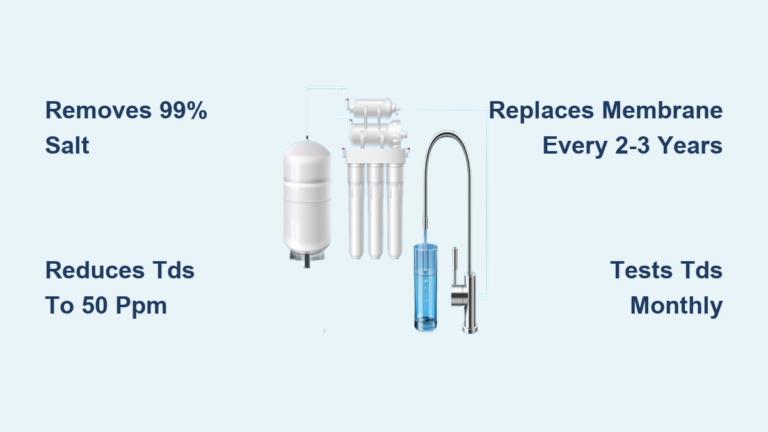
The process does not distinguish between harmful contaminants and beneficial minerals. It reduces 95–99% of total dissolved solids, leaving you with some of the purest drinking water available.
Which Minerals Get Removed
RO strips nearly all dissolved minerals from your water:
– Calcium: Adds crispness and supports bone health
– Magnesium: Contributes smoothness and aids muscle function
– Sodium: Often elevated in softened water
– Potassium: An essential electrolyte
– Bicarbonates: Help stabilize pH
– Trace elements: Iron, zinc, copper, and others
After filtration, the remaining water typically has a TDS under 10 ppm, which is why it tastes and feels different from tap or spring water.
What Mineral Removal Does to Your Water
Taste Becomes Flat and Bland
Without calcium and magnesium, RO water loses its character. Many people describe it as flat, bland, or slightly metallic. Calcium provides crispness while magnesium adds smoothness, and removing both leaves water tasting hollow.
pH Drops Toward Acidic
Natural water sources tend to be slightly alkaline thanks to calcium and magnesium carbonates. RO water usually lands between pH 5.5 and 6.5 because it lacks these buffering minerals. While not dangerous, acidic water can taste sharper and may leach trace metals from unlined plumbing over time.
Health Impact of Drinking Demineralized Water
Your Diet Already Covers Mineral Needs
Here is the reassuring part: drinking water provides only about 1% of your daily calcium and magnesium intake. The World Health Organization confirms that food, not water, is your primary mineral source. You would need to drink over 30 liters of hard water daily to meet calcium requirements, which is physically impossible.
So losing minerals from your water has minimal nutritional impact if you eat a balanced diet with dairy, leafy greens, nuts, and whole grains.
Sodium Risk in Softened Water Demands RO
If your home uses a water softener, the situation flips. Softeners swap calcium and magnesium for sodium, sometimes pushing levels to 200–400 ppm. That far exceeds the EPA’s 30 ppm guideline and the American Heart Association’s 20 ppm recommendation.
For anyone on a sodium-restricted diet, drinking softened water poses real risks. RO becomes essential here because it removes the excess sodium along with other contaminants, leaving pure but demineralized water that benefits from remineralization.
Best Ways to Reintroduce Calcium and Magnesium

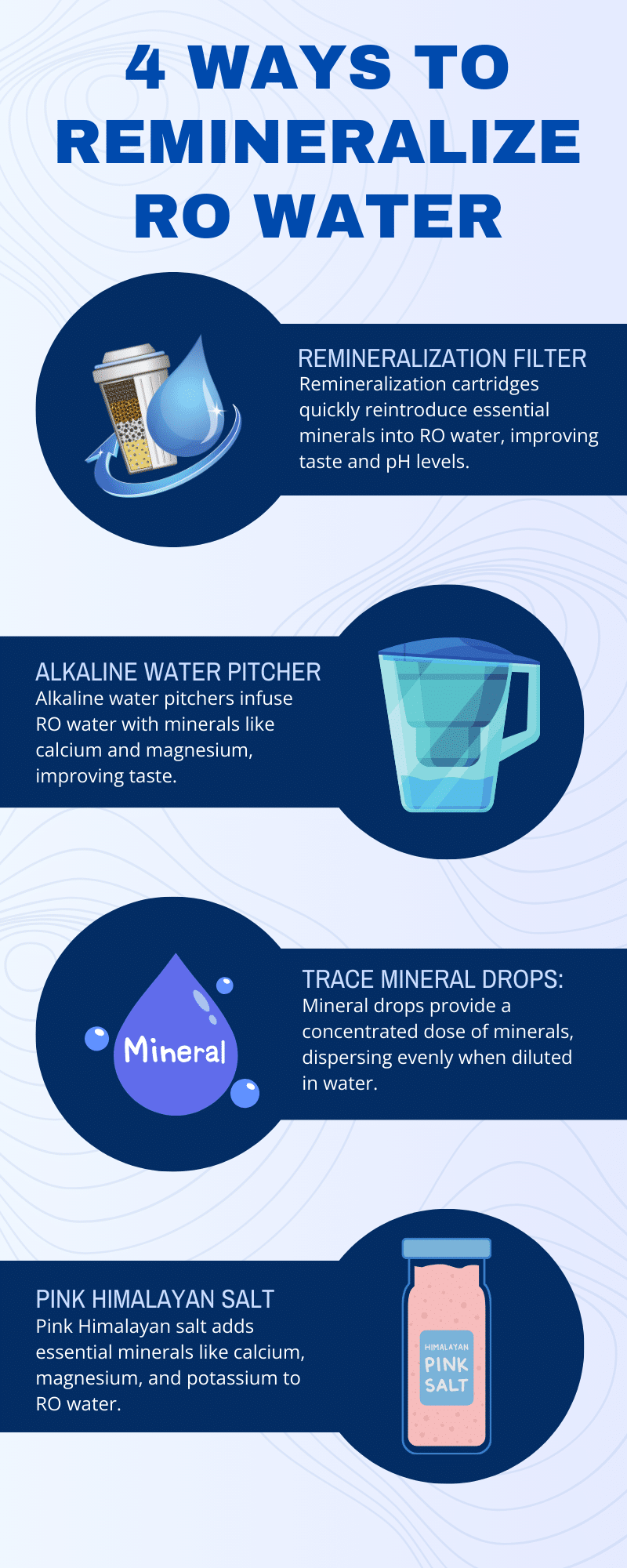
Remineralization Cartridges (Top Recommendation)
These are the most convenient and consistent solution for restoring minerals after RO filtration.
How they work:
Installed as the final stage of your RO system, these cartridges contain calcium carbonate, magnesium oxide, potassium chloride, and trace minerals. As purified water flows through, it absorbs these minerals automatically.
Key benefits:
– Zero effort once installed
– Consistent mineral levels every time
– Lower long-term cost than manual methods
– No counter space required
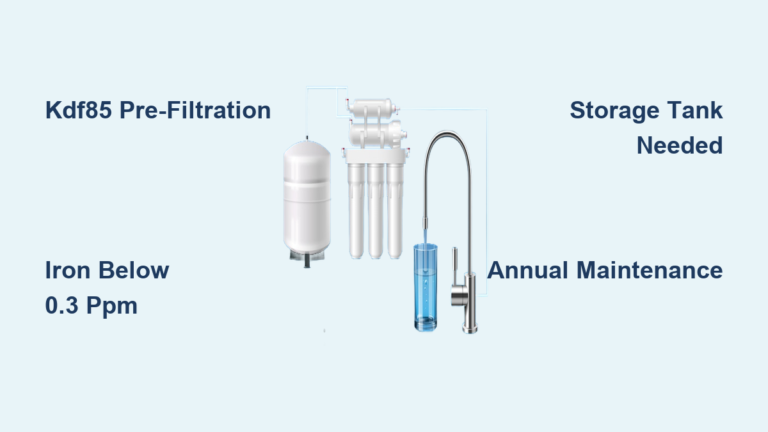
Many modern RO units include built-in remineralizers. For older systems, add-on cartridges are widely available and easy to install under the sink.
Liquid Mineral Drops (Flexible but Manual)
A bottle of concentrated minerals costs $20–$50 and treats up to 200 gallons. You add drops to each glass or pitcher.
Pros:
– Adjustable dosage for personal taste or health goals
Cons:
– Requires daily attention
– Risk of inconsistent dosing
– Costs add up over time
This option works best for people who want control and can stick to a routine.
Alkaline Water Pitchers (Portable Option)
Pitchers with built-in mineral filters raise pH and improve taste as you pour. They suit renters, small households, or office use.
Limitations:
– Small capacity requires frequent refills
– Filters need regular replacement
– Performance varies by brand
– Takes up fridge space
Convenient for low-volume needs but impractical for families.
Mineral Salts (Not Recommended)
Adding Himalayan or sea salt might seem like a natural fix, but the WHO warns that achieving meaningful mineral intake this way would require excessive sodium, potentially exceeding the 2-gram daily limit. This method raises blood pressure risks and offers poor dosage control.
Comparing Remineralization Methods
| Factor | Cartridge | Drops | Pitcher | Salts |
|---|---|---|---|---|
| Ease of Use | High | Low | Medium | Low |
| Taste Improvement | Excellent | Good | Good | Poor |
| Mineral Consistency | High | Variable | Variable | Low |
| Long-Term Cost | Low | High | Medium | Low (risky) |
| Best For | Whole-house use | Custom dosing | Renters | Avoid |
Remineralization cartridges win on convenience, consistency, and cost-effectiveness for most households.
Matching Solutions to Your Situation

Homes with Water Softeners
Your water already lacks calcium and magnesium and contains high sodium. RO removes the excess sodium, and a remineralization cartridge restores taste and pH without adding sodium back. This combination is ideal.
Health-Focused Households
If your priority is removing toxins like lead, arsenic, and microplastics, RO delivers. The mineral loss is nutritionally insignificant, so use remineralization for taste rather than as a supplement.
Taste-Sensitive Drinkers
If flat RO water bothers you, adding calcium and magnesium back makes a dramatic difference. A cartridge or alkaline pitcher can mimic the sensory profile of premium bottled spring water.
Renters or Limited Spaces
No room for under-sink installation? An alkaline pitcher is your best option. It is portable, affordable, and effective for daily drinking needs, though you must replace filters regularly.
Frequently Asked Questions About Reverse Osmosis and Mineral Removal
Does reverse osmosis remove 100% of calcium and magnesium?
RO removes 95–99% of total dissolved solids, including nearly all calcium and magnesium ions. Trace amounts may remain, but the water is effectively demineralized.
Is drinking RO water without minerals bad for your health?
No. Drinking water contributes only about 1% of your daily mineral intake. Food is your primary source of calcium and magnesium, so removing them from water has negligible nutritional impact for most people with balanced diets.
Why does RO water taste flat?
Calcium adds crispness and magnesium adds smoothness to water. Without these minerals, RO water lacks structure and tastes bland or slightly metallic to many people.
Should I remineralize my RO water?
Remineralization is recommended for taste and pH balance, not for health necessity. If you dislike the flat taste or want alkaline water, a remineralization cartridge is the easiest solution.
Can I add Himalayan salt to remineralize RO water?
This is not recommended. The amount of salt needed to meaningfully restore minerals would introduce excessive sodium, potentially exceeding the 2-gram daily limit and raising blood pressure risks.
Do I need RO if I already have a water softener?
Yes, especially if you are on a sodium-restricted diet. Softeners replace calcium and magnesium with sodium, sometimes exceeding safe drinking levels. RO removes this excess sodium along with other contaminants.
Key Takeaways for Understanding RO Mineral Removal
Reverse osmosis definitively removes calcium and magnesium, along with most other dissolved minerals. This is not a flaw but a feature of its high-purity filtration. The health impact of mineral loss is minimal because food supplies the vast majority of your nutritional needs.
The real value of RO lies in removing harmful contaminants like lead, arsenic, fluoride, and microplastics. For taste and pH balance, remineralization is the standard solution. A remineralization cartridge offers the best combination of convenience, consistency, and value for most households.
If you are setting up or upgrading your RO system, add a remineralization cartridge as the final stage. This simple addition transforms flat, acidic water into crisp, balanced drinking water that rivals premium bottled brands, without sacrificing the contaminant removal that makes RO worth the investment.