How Water Filtration Purifies Water: Simple Guide
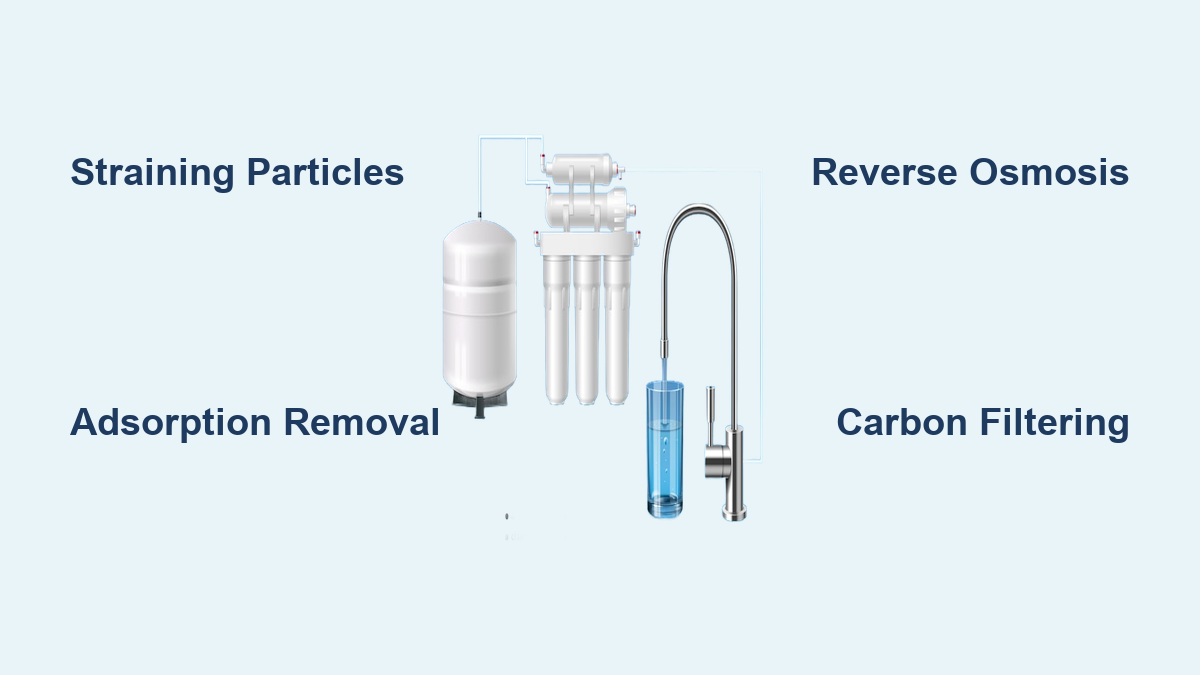
Turning on your tap and trusting the water that flows out is a luxury many take for granted. Yet behind every clear glass of drinking water lies a sophisticated process of purification. Filtration purifies water by removing harmful particles, chemicals, and microorganisms through physical barriers, chemical reactions, and advanced membrane technologies. From ancient sand beds used over 6,000 years ago to modern smart filtration systems, the goal has always been the same: delivering safe, clean water.
This guide explains exactly how filtration purifies water, breaking down the core mechanisms, comparing major technologies, walking through municipal treatment steps, and helping you choose the right system for your home or business.
Core Mechanisms That Make Filtration Work
Straining: The Physical Barrier Method
The simplest way filtration works is by straining, using a physical barrier to block particles larger than the filter’s pore size. Think of it like a kitchen sieve: sand, rust, silt, and other suspended solids get trapped while clean water passes through. Effectiveness is measured in microns, with lower ratings capturing finer particles. A 5-micron filter stops visible dirt, while a 0.5-micron filter can catch parasites like Giardia. However, straining alone cannot remove dissolved chemicals or viruses, which slip through even the finest physical barriers.
Adsorption: Chemical Attraction at the Surface
Many filters use surface capture to attract and hold contaminants that physical straining misses. Activated carbon is the most common example, featuring millions of microscopic pores that trap chlorine, pesticides, and volatile organic compounds (VOCs) through adsorption, where contaminants stick to the carbon surface via weak molecular forces called Van der Waals forces. The larger the surface area, the more contaminants it can hold. Carbon block filters, made by compressing granular carbon, offer higher efficiency than loose granules.
Flocculation and Sedimentation: Clumping Fine Particles
In large-scale systems, flocculation helps remove fine particles that resist straining. Chemicals like alum (aluminum sulfate) neutralize the negative charge on tiny particles like clay, allowing them to clump together into heavier masses called floc. These flocs then sink during sedimentation, where water sits in calm tanks so gravity pulls the sludge to the bottom. This two-step process clarifies turbid water before it reaches finer filters.
Reverse Osmosis: Molecular-Level Purification
Reverse osmosis (RO) takes filtration to a molecular level. Instead of just trapping particles, RO uses high pressure to push water through a semipermeable membrane so tight that only H₂O molecules can pass. Dissolved salts, heavy metals, fluoride, and most microorganisms are rejected and flushed away as wastewater. This method removes up to 99.9% of contaminants, making it one of the most effective purification technologies available.
Major Types of Filtration Technologies
Mechanical Filtration: The First Line of Defense
How It Works
Mechanical filters act as physical sieves, stopping particles based on size. They serve as the first stage in multi-step systems, protecting more sensitive components like carbon blocks or RO membranes.
Common Filter Media
- Pleated polyester for high surface area and extended life
- Ceramic for durability and bacteria removal
- Sand and gravel beds for gradual particle capture in municipal systems
Key Limitations
While excellent for sediment, mechanical filters do not remove chemicals, dissolved metals, or microorganisms unless pore sizes reach sub-micron levels.
Activated Carbon: Removing Chemicals and Odors
Granular vs. Carbon Block
- Granular Activated Carbon (GAC) uses loose carbon granules; effective for chlorine and VOCs but can channel water through gaps, reducing contact time.
- Carbon Block uses compressed carbon powder; denser, with better flow control and sub-micron filtration capability.
What Activated Carbon Removes
- Chlorine and chloramines
- Pesticides, herbicides, and pharmaceuticals
- Gasoline, solvents, and industrial chemicals
- Bad tastes and odors
What It Cannot Remove
- Dissolved minerals like calcium and magnesium
- Heavy metals (unless specially treated)
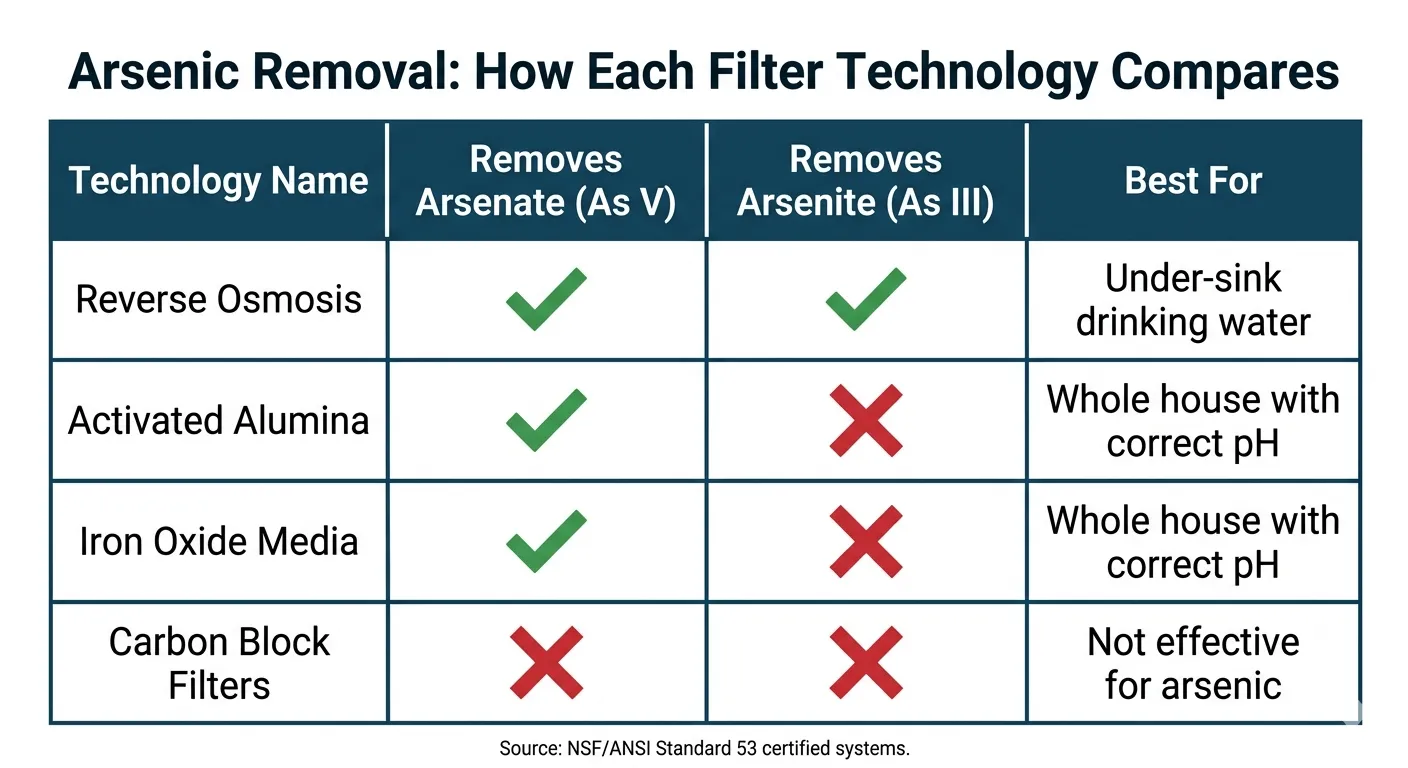
- Fluoride, arsenic, or sodium
- Microorganisms
Ion Exchange: Softening Water and Removing Metals
How Water Softening Works
Ion exchange removes hardness minerals (calcium and magnesium) by swapping them for sodium or hydrogen ions. Resin beads in the filter attract hard minerals and release softening ions in return. This process prevents scale buildup in pipes and appliances.
Sodium vs. Hydrogen Resins
- Sodium-based resins are common in whole-house softeners but add sodium to water, making them unsuitable for low-sodium diets.
- Hydrogen-based resins are used in drinking water filters and do not increase sodium levels.
Additional Applications
Special resins can also remove heavy metals like lead and cadmium, making ion exchange valuable in targeted filtration systems.
Sequestration: Preventing Scale Without True Softening
How It Works
Unlike ion exchange, sequestration does not remove hardness minerals. Instead, it uses food-grade polyphosphate to bind calcium and magnesium, keeping them suspended in water so they cannot form scale on heating elements.
Best Applications
- Coffee machines
- Steam ovens
- Dishwashers
Important Limitations
Sequestration is not effective for very hard water (over 180 ppm). Minerals remain in the water, so this is not true softening, but it prevents equipment damage.
Reverse Osmosis: High-Purity Drinking Water
Multi-Stage Process
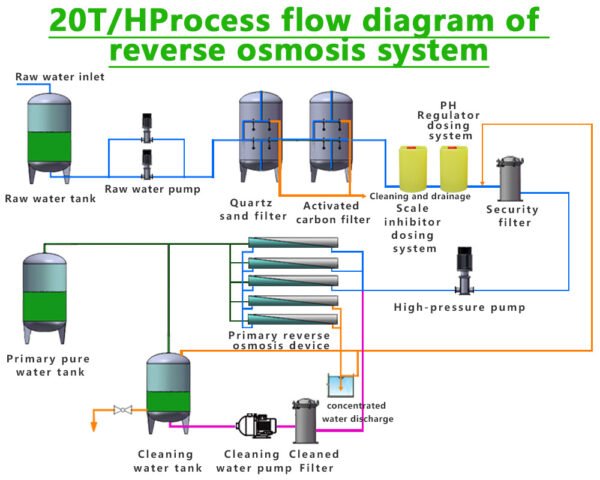
A typical RO system includes:
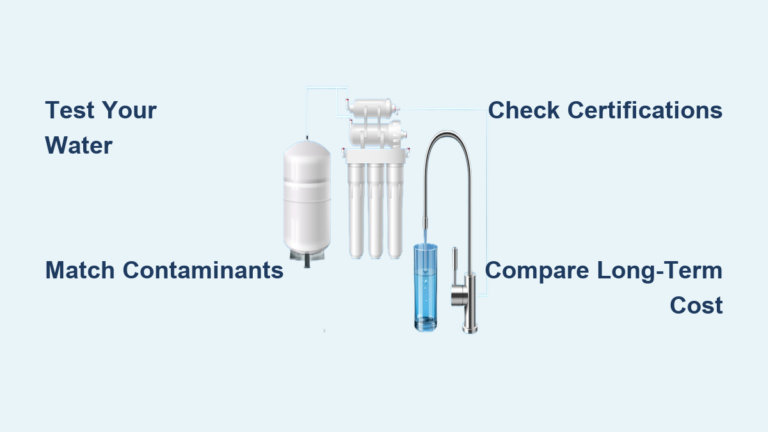
1. Sediment pre-filter to remove sand and rust
2. Carbon pre-filter to reduce chlorine and protect the membrane
3. RO membrane to remove dissolved solids, metals, and fluoride
4. Carbon post-filter to polish taste
5. Optional remineralization to add back beneficial minerals
Efficiency and Output
- Removes 95–99% of TDS (Total Dissolved Solids)
- Produces purified water comparable to distilled
- Generates wastewater at a typical 3:1 or 4:1 ratio
Ideal Use Cases
- Homes with well water or high TDS
- Areas with lead, arsenic, or fluoride concerns
- Drinking and cooking water
Activated Alumina: Targeting Fluoride and Arsenic
Specific Contaminant Removal
Activated alumina, a porous form of aluminum oxide, is one of the few media effective at removing fluoride and arsenic from water through adsorption, especially in slightly acidic conditions (pH 5–6).
Critical Considerations
- Performance drops at higher pH levels
- Risk of aluminum leaching if not properly maintained
- Requires regular monitoring and replacement
How Municipal Water Treatment Works

Step 1: Intake and Screening
Water enters treatment from rivers, lakes, or wells. Coarse screens remove large debris like leaves, sticks, and trash. Pumps then move water into the treatment facility at a steady rate, regardless of source elevation.
Step 2: Coagulation and Flocculation
Tiny particles in raw water repel each other due to negative charges. Coagulants like alum or ferric chloride neutralize these charges, allowing particles to clump. Polymers and micro-sand are added to form heavier, faster-settling floc.
Step 3: Sedimentation
Water flows slowly through large basins where baffles reduce turbulence, allowing floc to settle. Rotating scraper blades continuously remove sludge from the bottom. The clarified water rises to collection troughs.
Step 4: Ozonation and Advanced Oxidation
Ozone (O₃) is injected to:
– Oxidize iron and sulfur for easier filtration
– Destroy bacteria and viruses
– Break down organic pollutants
Ozone reverts to oxygen, leaving no harmful residues, a major advantage over chlorine.
Step 5: Dual-Layer Filtration
Water passes through a bed of activated carbon and micro-sand:
– Carbon adsorbs organic chemicals and taste/odor compounds
– Sand captures inorganic particles and oxidized metals
Step 6: Final Disinfection
Two common methods ensure water safety:
– Chlorination adds residual protection in pipes but can form disinfection byproducts (DBPs)
– UV light at 254 nm wavelength damages microbial DNA without chemicals or taste changes, but provides no residual effect
Many plants use both methods for maximum protection.
Step 7: Storage and Distribution
Treated water enters clearwells for storage before being pumped into the municipal network. Water towers maintain pressure, ensuring consistent delivery to homes and businesses.
Choosing the Right Filter for Your Water Source

For City Water
Common Contaminants
- Chlorine and chloramines
- Lead from old pipes
- PFAS (emerging “forever chemicals”)
- Microplastics
Recommended Solutions
- Carbon block filter (under-sink or pitcher) for taste and chlorine removal
- RO system for lead, fluoride, and PFAS
- Combination filter with sequestration for appliance protection
For Well Water
Typical Issues
- High iron and manganese
- Hydrogen sulfide (rotten egg smell)
- Nitrates from agricultural runoff
- Bacteria and parasites
Recommended Solutions
- Iron filter with aeration or chemical oxidation
- UV system for bacteria
- RO or anion exchange for nitrates
- Activated alumina for arsenic or fluoride
For Appliances and Commercial Use
Coffee Machines and Steam Ovens
- Use sequestration filters to prevent scale
- Maintain balanced mineral content for flavor
- Brands like Everpure Claris combine filtration with scale inhibition
Whole-House Systems
- POE (Point-of-Entry) filters treat all incoming water
- Include sediment, carbon, and softening stages
- Protect plumbing, water heaters, and appliances throughout the home
Maintenance and Performance Essentials
Filter Lifespan and Replacement Schedules
All filters degrade over time and require regular replacement:
– Carbon filters: 3–6 months before saturation
– Sediment filters: 2–6 months before clogging
– RO membranes: 2–5 years with proper pre-filtration
– Ion exchange resins: 6–12 months or until exhausted
Warning: A saturated carbon filter can release trapped contaminants, making water worse than untreated.
Backwashing for Extended Media Life
Some systems, like sand filters or whole-house units, use backwashing (reversing flow to flush out trapped particles). This extends media life and maintains consistent flow rate.
Testing Your Water Quality
Never guess about water safety. Use these testing methods:
– TDS meter to measure dissolved solids (ideal RO output: under 50 ppm)
– Test strips to check chlorine, hardness, and pH
– Lab analysis for lead, arsenic, nitrates, and PFAS
Clear water does not equal safe water. Microorganisms and chemicals are invisible to the naked eye.
Environmental and Health Considerations
Wastewater from Reverse Osmosis
RO produces 3–4 gallons of wastewater per 1 gallon of purified water. Some modern systems feature zero-waste technology or permeate pumps to reduce this ratio. Consider recycling RO wastewater for irrigation or toilet flushing.
Mineral Loss and Remineralization
RO removes beneficial minerals like calcium and magnesium. Long-term consumption of demineralized water may affect electrolyte balance. Remineralization cartridges add these minerals back for better taste and health.
Disinfection Byproducts
Chlorine can react with organic matter to form trihalomethanes (THMs) and haloacetic acids (HAAs), compounds linked to cancer risks. Ozonation and UV treatment avoid this issue entirely.
The Future of Water Filtration
Water Reuse and Reclamation
Cities are adopting indirect potable reuse, treating wastewater to near-purity using RO, UV, and advanced oxidation, then blending it into reservoirs. This closes the water loop and addresses growing scarcity.
Smart Filtration Systems
New filters include:
– Wi-Fi sensors that alert when cartridges need changing
– Real-time TDS and flow monitoring
– Leak detection with automatic shutoff
Targeting Emerging Contaminants
Filters are evolving to remove:
– PFAS (forever chemicals)
– Microplastics
– Pharmaceutical residues
Specialized media like anion exchange resins and high-efficiency RO membranes are leading this advancement.
Frequently Asked Questions About Water Filtration
What Is the Difference Between Filtration and Purification?
Filtration removes specific contaminants through physical or chemical processes, while purification is a broader term referring to the removal of nearly all impurities. High-performance systems like reverse osmosis approach true purification by removing up to 99.9% of contaminants.
How Often Should I Replace My Water Filter?
Replacement schedules vary by filter type. Carbon filters typically need replacement every 3–6 months, sediment filters every 2–6 months, and RO membranes every 2–5 years. Always follow manufacturer guidelines for your specific system.
Does Filtration Remove Beneficial Minerals?
Standard carbon and mechanical filters preserve most beneficial minerals. However, reverse osmosis removes calcium, magnesium, and other minerals along with contaminants. Remineralization cartridges can restore these minerals if desired.
Is Filtered Water Better Than Bottled Water?
Filtered water from a home system is typically more cost-effective and environmentally friendly than bottled water. Quality depends on the filter type, with RO systems providing the highest level of purification comparable to bottled alternatives.
Can Filtration Remove Bacteria and Viruses?
Standard carbon filters cannot remove microorganisms. However, ceramic filters with fine pores, UV treatment systems, and reverse osmosis membranes effectively eliminate bacteria and viruses. For microbiological safety, choose a system specifically designed for this purpose.
Why Does My Reverse Osmosis System Produce Wastewater?
RO systems generate wastewater because they flush rejected contaminants away from the membrane to prevent clogging. This brine contains concentrated salts, heavy metals, and other impurities that did not pass through the membrane.
Key Takeaways for Understanding Water Filtration
Filtration purifies water through a combination of physical straining, chemical adsorption, and advanced membrane technologies. Understanding the core mechanisms (straining, adsorption, flocculation, and reverse osmosis) helps you make informed decisions about water treatment.
The right system depends on your water source, specific contaminants, and intended use. City water dwellers often benefit from carbon block filters for taste and chlorine removal, while well water users may need iron filters, UV systems, or RO for comprehensive treatment. Regular maintenance, proper testing, and awareness of emerging contaminants like PFAS ensure long-term protection.
As water challenges grow globally, filtration technology continues evolving toward smarter, more efficient, and more sustainable solutions. Start by testing your water, identifying your specific concerns, and choosing a system that matches both your needs and your commitment to ongoing maintenance.