How to Purify Water at Home
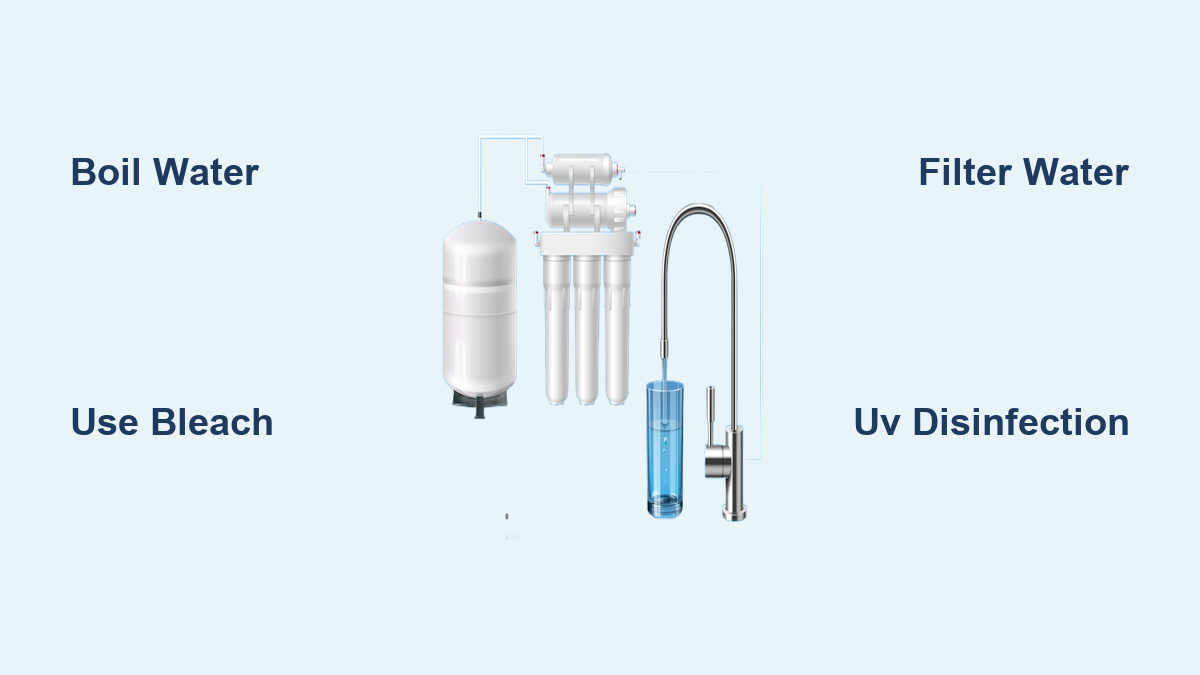
Clean water is essential for survival. When your tap water is unsafe due to contamination, natural disaster, or unreliable sources, knowing how to purify water at home becomes critical. Whether you’re preparing for emergencies or improving daily drinking water quality, this guide covers proven methods from boiling and chemical disinfection to advanced filtration systems.
You’ll learn which techniques kill bacteria, remove heavy metals, and eliminate chemicals, and which ones fall short. By the end, you’ll be equipped to make any water safe using tools you likely already have or can easily acquire.
Boil Water for Maximum Safety
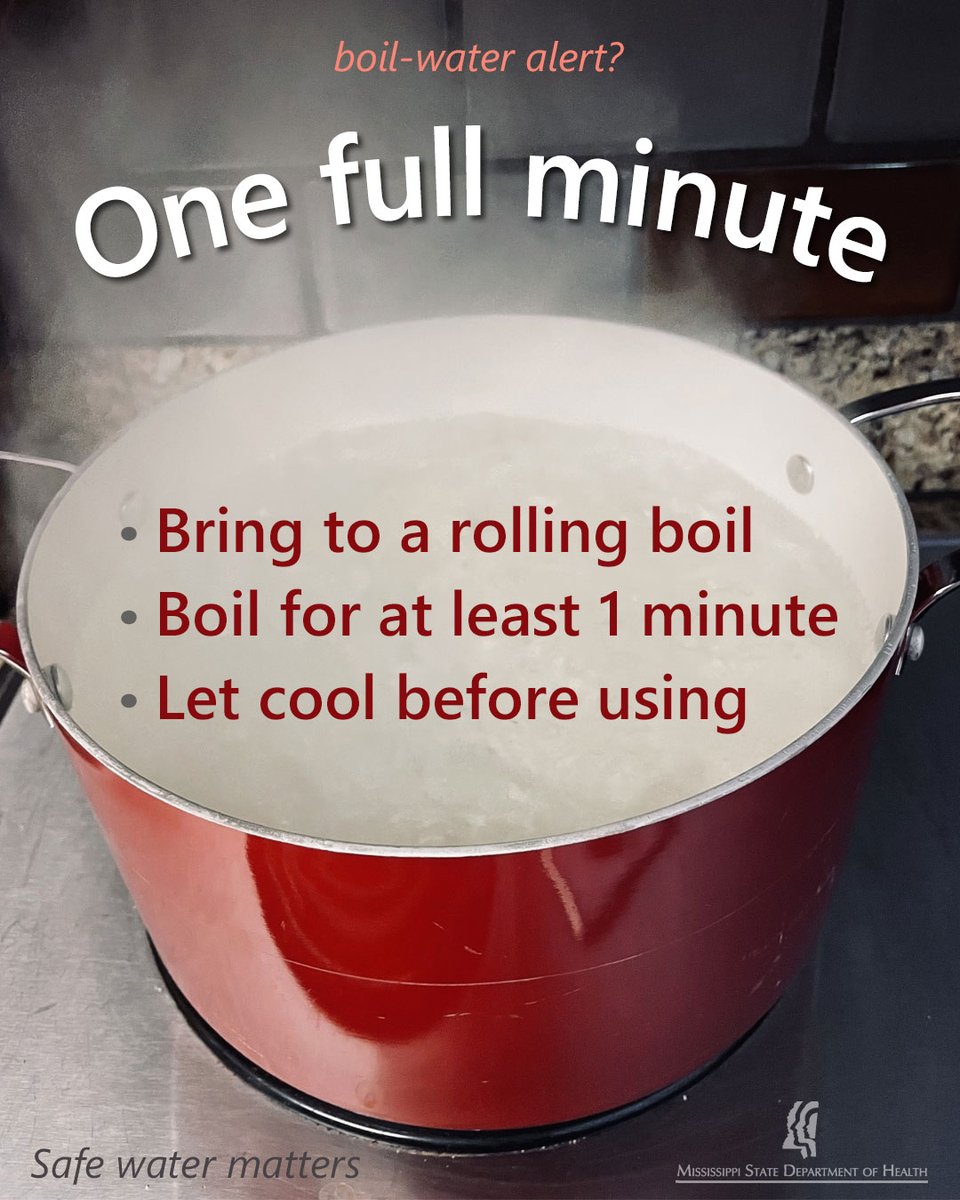
Boiling is the most reliable way to kill harmful microorganisms in water. It’s simple, requires no special equipment, and works against bacteria, viruses, and parasites, even in emergency situations.
Boil at Correct Altitudes
At sea level to 6,500 feet, bring water to a full rolling boil for 1 minute. This kills all common pathogens. If you’re above 6,500 feet (2,000 meters), extend boiling time to 3 minutes because water boils at lower temperatures at higher elevations, reducing effectiveness.
After boiling, let the water cool naturally. Store it in clean, covered containers to prevent recontamination. Never pour purified water into dirty bottles or jugs, as this can reintroduce germs.
Improve Taste of Boiled Water
Boiled water often tastes flat due to lost oxygen. To restore freshness:
– Pour water between two clean containers 3 to 5 times
– Add a pinch of salt per quart (liter) to enhance flavor
– Let it sit uncovered for a few hours to re-aerate
Pro Tip: Always filter cloudy water before boiling. Particles can shield microbes from heat, reducing effectiveness.
Use Bleach to Disinfect Water

When you can’t boil water, liquid chlorine bleach is a powerful alternative. It’s effective against most bacteria and viruses, but only if used correctly.
Choose the Right Bleach
Use unscented household bleach with 5% to 9% sodium hypochlorite. Avoid scented, color-safe, or bleaches with added cleaners. Check the expiration date, as bleach degrades over time and loses potency after one year.
Apply Correct Dosage
For clear water:
– 1 quart/liter: 8 drops (0.5 mL)
– 1 gallon: 8 drops (6% bleach) or 6 drops (8.25% bleach)
– 5 gallons: 40 drops (2.5 mL or ½ tsp)
If water is cloudy, cold, or colored, double the dose.
After adding bleach, stir well and let stand for 30 minutes. The water should have a faint chlorine smell. If not, repeat the dosage and wait another 15 minutes.
Warning: Never use bleach with unknown additives. Only pure sodium hypochlorite is safe for water disinfection.
Try Iodine and Water Tablets
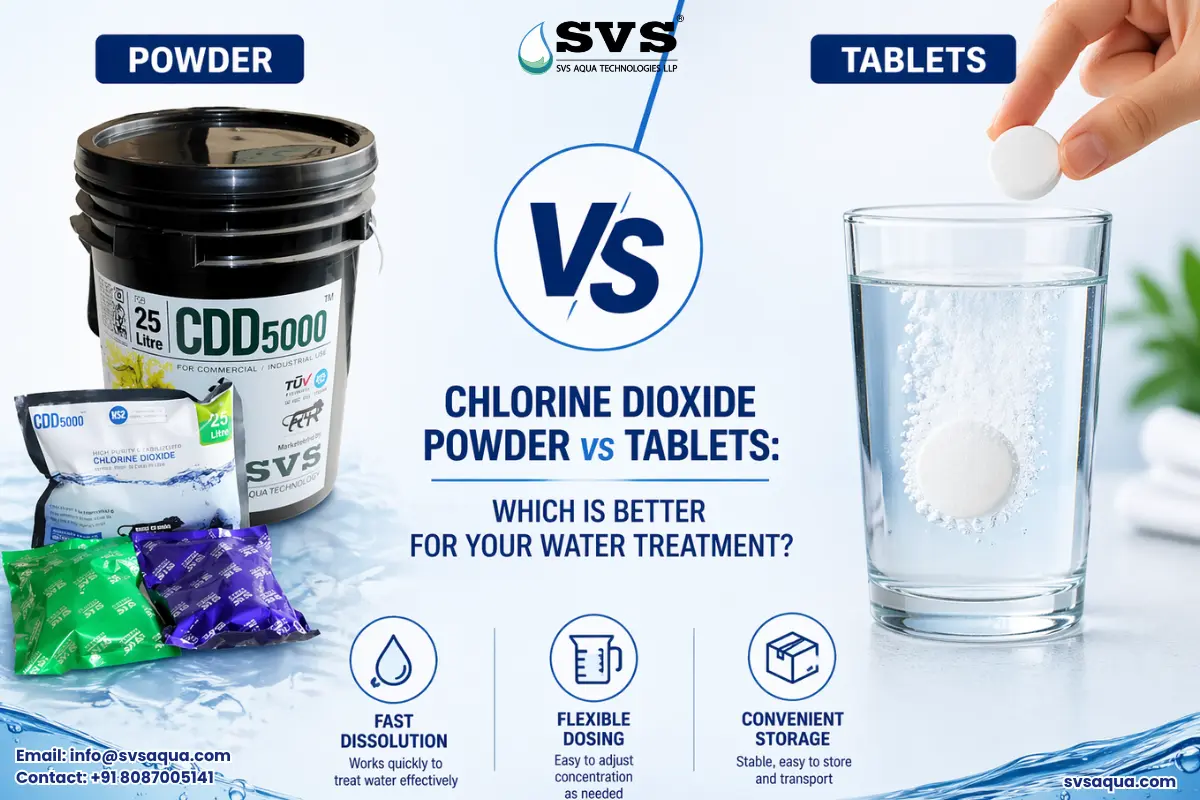
Iodine and commercial tablets offer portable, no-heat options for water disinfection, ideal for camping or emergencies.
Use Iodine Safely
Add 5 drops of 2% tincture of iodine per quart/liter of clear water. Double to 10 drops if cloudy. Wait at least 30 minutes before drinking.
Limitations:
– Does not kill Cryptosporidium
– Not safe for pregnant women, people with thyroid issues, or long-term use (more than a few weeks)
Pick the Right Water Tablets
Tablets come in three types:
– Chlorine dioxide: Most effective, kills Cryptosporidium with 4-hour contact time
– Iodine-based: Fast (30 min), but same limitations as liquid iodine
– Tetraglycine hydroperiodide: Moderate efficacy; follow package instructions
Always read labels. Contact times vary, and some require up to 4 hours for full protection.
Filter Water with Natural Materials
Filtration removes dirt, sediment, and some impurities. While it doesn’t fully purify, combining filtration with disinfection greatly improves safety.
Make a DIY Cloth Filter
For quick turbidity reduction:
– Use clean cotton T-shirts, coffee filters, or cheesecloth
– Pour cloudy water through the fabric into a clean container
– Repeat if needed until water runs clear
This removes particles that could shield microbes during chemical treatment.
Build a Sand and Charcoal Filter
Layer materials in a bucket or bottle with a hole at the bottom:
1. Top layer: Coarse gravel (traps large debris)
2. Middle layer: Fine sand (captures smaller particles)
3. Bottom layer: Crushed activated charcoal (removes chlorine, odors, some chemicals)
Pass water through slowly. Replace layers regularly to avoid bacterial growth.
Note: This filter does not kill bacteria or viruses. Always follow with boiling or chemical disinfection.
Harness Sunlight with SODIS
Solar disinfection (SODIS) uses UV-A rays and heat to destroy pathogens, requiring no fuel or chemicals.
Prepare Bottles Properly
Use clear PET plastic bottles (like soda bottles). Remove labels. Do not use glass (risk of breakage) or colored/tinted bottles, as they block UV light.
Water must be clear. If cloudy, pre-filter through cloth first.
Expose to Full Sunlight
Place bottles on a reflective surface like corrugated metal or concrete. Lay them flat to maximize sun exposure.
- Sunny day: 6 hours minimum
- Cloudy day: 2 full days (48 hours)
Pro Tip: Water heats up faster on dark surfaces, boosting effectiveness.
Limitation: Ineffective in shaded areas or heavily polluted water.
Install Home Filtration Systems
For daily use, engineered systems provide consistent, high-quality water purification.
Choose Carbon Filters for Taste
Activated carbon filters remove:
– Chlorine and bad tastes
– Pesticides, VOCs, and pharmaceuticals
– Some heavy metals
Available as:
– Pitcher filters (low cost, easy)
– Faucet-mounted (faster flow)
– Under-sink models (higher capacity)
Replace filters every 2 to 6 months. Clogged filters can harbor bacteria.
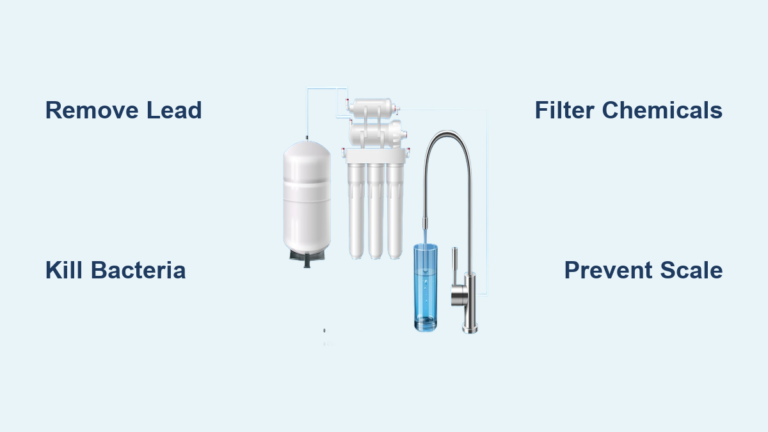
Upgrade to Reverse Osmosis
Reverse osmosis (RO) removes the widest range of contaminants:
– Lead, arsenic, mercury
– Nitrates, fluoride, perchlorate
– Viruses and bacteria
RO systems typically include:
1. Sediment pre-filter
2. Carbon block
3. RO membrane
4. Post-carbon filter
Drawbacks:
– Wastes 2 to 3 gallons for every 1 gallon purified
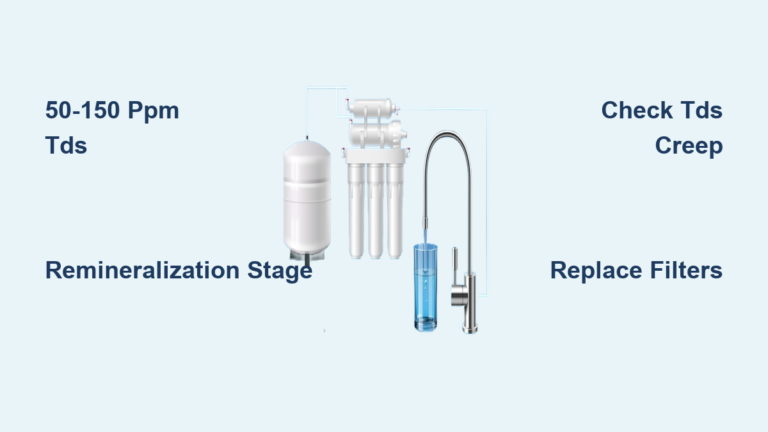
– Removes beneficial minerals
– Requires under-sink space and plumbing
Look for NSF/ANSI certification (e.g., NSF 58) to verify performance.
Use UV for Microbial Protection
UV filters use germicidal UV-C light to destroy DNA in pathogens. They’re highly effective against:
– Bacteria
– Viruses
– Protozoa
Requirements:
– Electricity
– Pre-filtered water (cloudy water blocks UV light)
UV does not remove chemicals or heavy metals, so pair it with carbon or RO for full protection.
Match Methods to Contaminants
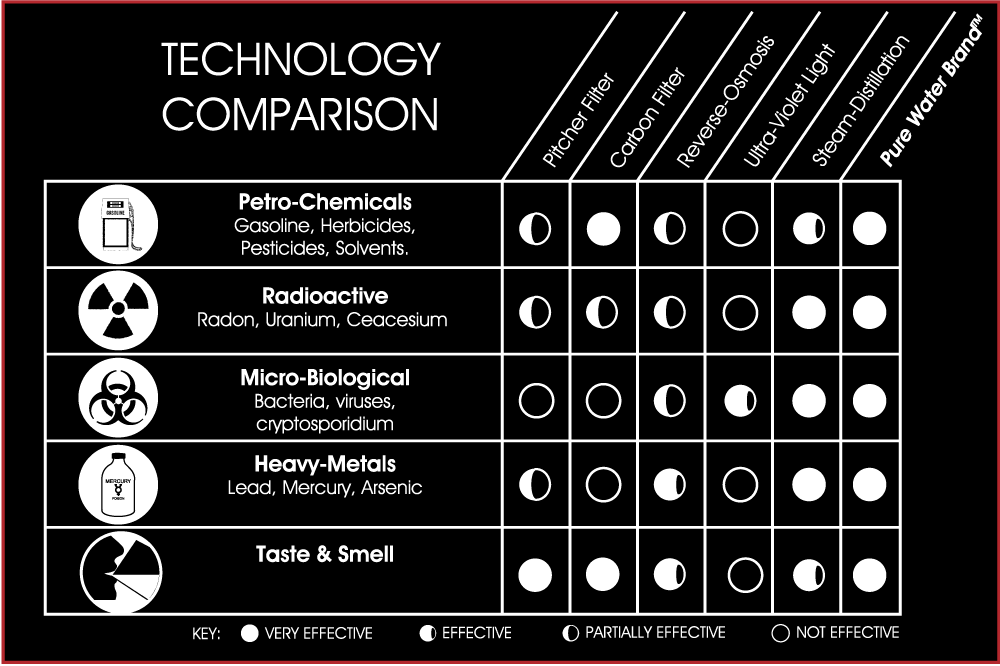
Not all purification methods work on all pollutants. Use this guide to select the right approach.
Kill Bacteria and Viruses
Effective:
– Boiling (1+ minute)
– UV light
– Chlorine bleach
– Chlorine dioxide
– Reverse osmosis
Ineffective:
– Activated carbon alone
– Cloth or sand filters
Remove Heavy Metals
Best options:
– Reverse osmosis
– Distillation
– Specialty carbon blocks (NSF-certified for lead)
Avoid:
– Boiling (concentrates metals)
– Iodine or standard bleach
Eliminate Chemicals and Pesticides
Use:
– Activated carbon (especially carbon block)
– RO systems
Avoid:
– Boiling (increases concentration)
– UV (does nothing to chemicals)
Neutralize Parasites Like Cryptosporidium
Only these methods work:
– Boiling (1+ minute)
– Chlorine dioxide tablets
– Filtration with 1-micron or smaller pores (ceramic, RO)
Iodine and standard chlorine bleach do NOT kill Cryptosporidium.
Store Purified Water Safely
Even perfectly treated water can become unsafe if stored improperly.
Use Food-Grade Containers
Choose:
– BPA-free plastic jugs labeled “food grade”
– Glass bottles (protect from light)
– Stainless steel (avoid reactive metals)
Sanitize containers with a bleach solution (1 tsp bleach per gallon of water) before filling.
Store in Cool, Dark Places
Keep water away from:
– Sunlight (promotes algae growth)
– Heat sources (accelerates chemical leaching)
– Gasoline, pesticides, or cleaning supplies (vapors can seep in)
Ideal temperature: below 70°F (21°C).
Rotate Every 6 Months
Replace stored water every 6 months to maintain freshness. If treating for long-term storage:
– Add 8 drops of bleach per gallon
– Seal tightly
– Label with date
Test Your Water First
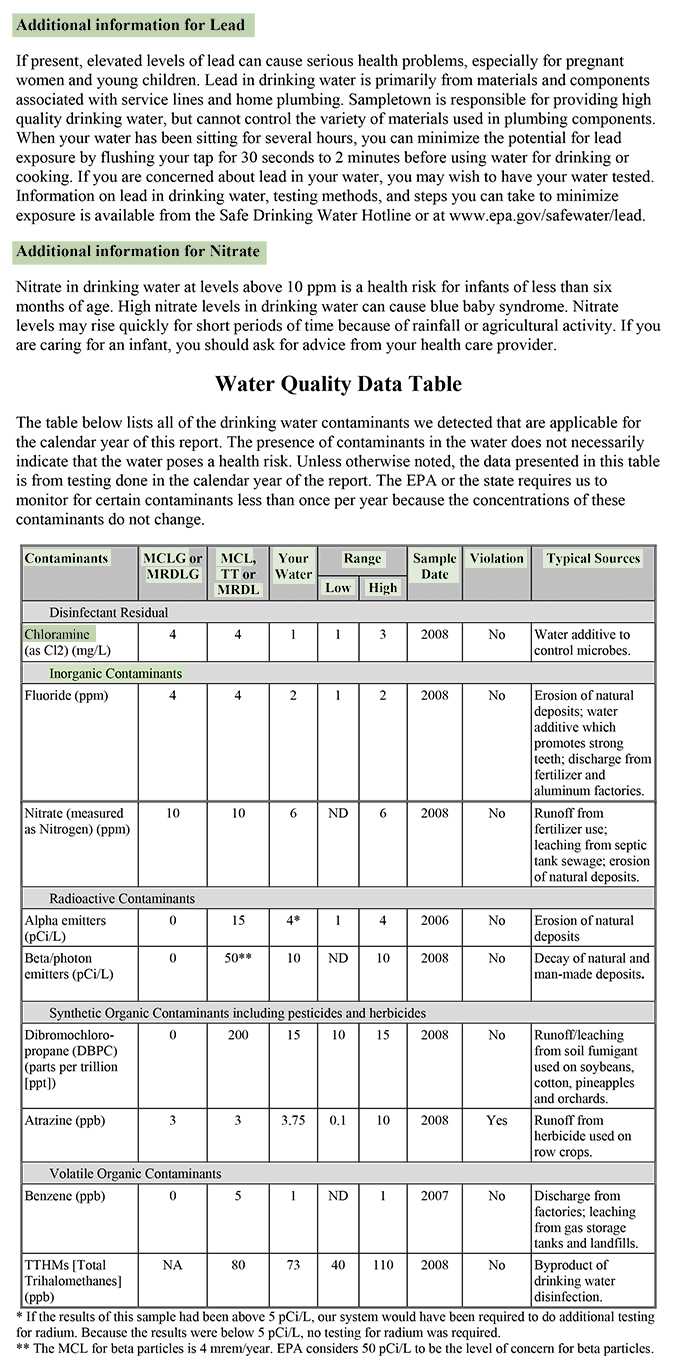
Before choosing a purification method, know what’s in your water.
Check Public Water Reports
All municipal suppliers must provide an annual Consumer Confidence Report (CCR). Search by ZIP code on the EPA or Environmental Working Group (EWG) website.
Look for:
– Lead levels
– PFAS (“forever chemicals”)
– Nitrates
– Coliform bacteria
Test Private Wells Annually
Well owners must test their own water. Use certified labs like:
– Tap Score
– WaterCheck
– Eurofins
Test for:
– Bacteria
– Nitrates
– Heavy metals
– Arsenic
– PFAS (if near industrial areas)
Recognize Warning Signs
Don’t ignore:
– Cloudy or discolored water
– Rotten egg smell (hydrogen sulfide)
– Metallic taste (possible lead)
– Floating particles
These indicate contamination that needs immediate action.
Maintain Systems Regularly
A poorly maintained filter can become more dangerous than no filter at all.
Replace Filters on Schedule
- Pitcher filters: Every 2 months or 40 gallons
- Faucet filters: Every 3 months or 100 gallons
- RO membranes: Every 2 to 3 years
- UV bulbs: Annually (they degrade even if still glowing)
Follow manufacturer guidelines based on your water usage and local contamination levels.
Sanitize Storage Tanks
Once a year:
1. Drain the system
2. Clean with vinegar or NSF-approved sanitizer
3. Flush thoroughly
4. Reassemble
This prevents biofilm and bacterial growth inside housings.
Avoid Critical Mistakes
Even small errors can compromise water safety.
Never Boil Chemically Contaminated Water
Boiling concentrates pollutants like:
– Heavy metals
– Nitrates
– Fuel or industrial chemicals
– Radioactive materials
If you suspect chemical contamination, do not boil. Use bottled water or distillation only.
Don’t Skip Pre-Filtration
Cloudy water reduces effectiveness of:
– UV light
– Chemical disinfectants
– RO membranes
Always filter sediment first with cloth, coffee filters, or sediment cartridges.
Avoid Recontamination
Using a dirty cup or pouring purified water into a grimy bottle reintroduces pathogens. Keep all storage and handling tools clean.
Frequently Asked Questions About Purifying Water at Home
What is the safest way to purify water at home?
Boiling is the safest method for killing pathogens. Bring water to a full rolling boil for 1 minute (3 minutes above 6,500 feet). For chemical removal, use a certified reverse osmosis system with NSF/ANSI certification.
Can you purify water with household bleach?
Yes, but only unscented household bleach with 5% to 9% sodium hypochlorite. Use 8 drops per gallon of clear water, let stand 30 minutes, and double the dose for cloudy water. Never use scented or color-safe bleach.
How long does it take to purify water by boiling?
At sea level to 6,500 feet, boil for 1 minute. Above 6,500 feet, boil for 3 minutes due to lower boiling temperatures. Always filter cloudy water first to remove particles that shield pathogens.
Does boiling water remove heavy metals or chemicals?
No. Boiling kills microorganisms but concentrates heavy metals, nitrates, and chemical pollutants. For chemical contamination, use reverse osmosis, distillation, or a new water source entirely.
How much water should I store for emergencies?
Store at least 1 gallon per person per day for drinking and basic hygiene. A two-week supply is recommended for comprehensive preparedness. Replace stored water every 6 months.
What kills Cryptosporidium in water?
Only boiling (1+ minute), chlorine dioxide tablets (4-hour contact time), or filtration with 1-micron or smaller pores. Standard chlorine bleach and iodine do not kill Cryptosporidium.
Final Thoughts on Purifying Water at Home Safely
Knowing how to purify water at home gives you control over your health and safety in any situation. The best method depends on your specific needs: boil or use bleach for emergencies, install a certified RO or carbon system for daily use, and try SODIS or tablets when you have no power.
Combine methods when needed. Filter first, then disinfect. Prioritize NSF-certified systems for long-term safety, and always have a backup plan with stored water. Test your water regularly to understand what contaminants you’re dealing with, and maintain your systems on schedule to prevent bacterial growth in clogged filters.
Clean water isn’t a luxury; it’s a necessity. Start by testing your water today, then choose the purification method that matches your contamination profile and lifestyle.