What Is the pH of Purified Water
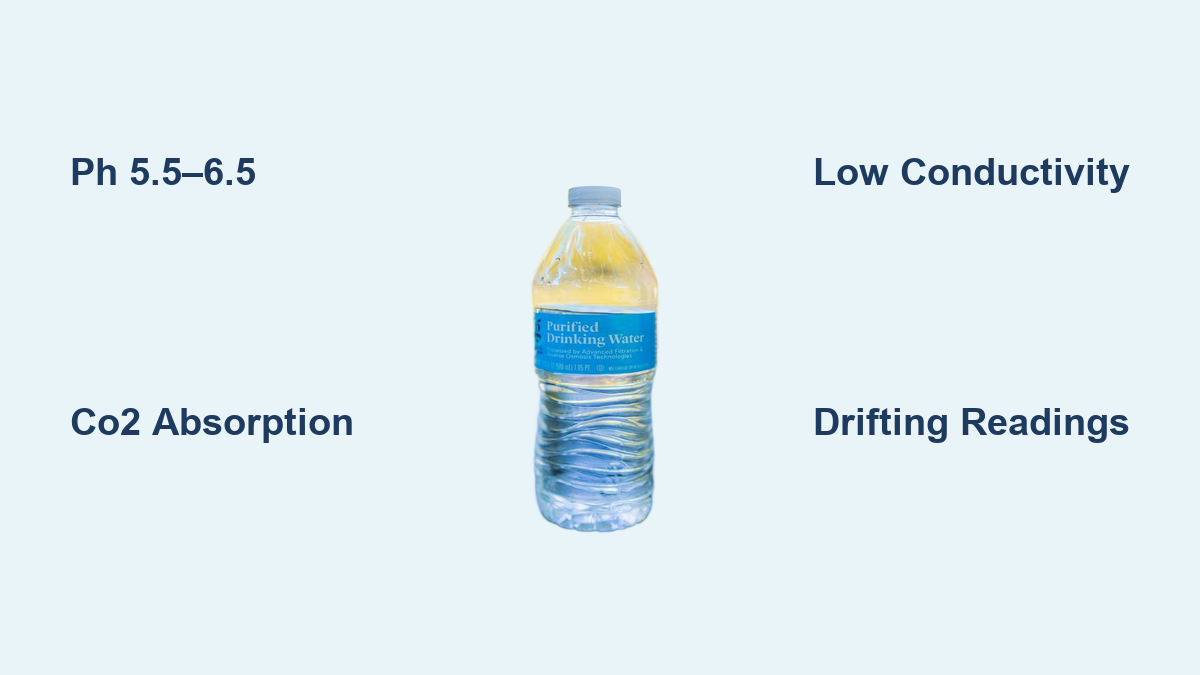
You pour a glass of purified water expecting perfect neutrality, and your test strip reads 5.8. Is the water contaminated or unsafe? Not at all. The pH of purified water behaves very differently from tap or spring water, and the numbers can surprise you. While many people assume pure water always sits at pH 7, the theoretical pH of ultrapure water at 25°C is actually 6.998. In everyday use, purified water typically tests between 5.5 and 6.5 once exposed to air. This article breaks down the science behind these readings, explains why your purified water tests acidic, and shows you how to measure and manage pH with confidence.
The Science Behind pH in Pure Water

What pH Actually Measures
pH measures the concentration of hydrogen ions (H⁺) in a solution on a logarithmic scale from 0 to 14. A reading below 7 means the water is acidic, above 7 means alkaline, and 7 represents neutrality. Because the scale is logarithmic, a drop from pH 7 to 6 makes water 10 times more acidic, and a drop to 5 makes it 100 times more acidic. In pure water, neutrality occurs when hydrogen ions and hydroxide ions exist in equal amounts. This balance happens naturally through a process called autoionization, where water molecules split into hydronium and hydroxide ions.
Why Pure Water Is Not Exactly pH 7
At 25°C, the theoretical pH of ultrapure water is 6.998, not 7.000. The commonly cited “7” is simply a rounded figure used for simplicity. Temperature also changes what counts as neutral. As water heats up, it self-ionizes more, shifting the neutral point lower on the scale:
- 0°C: Neutral pH ≈ 7.47
- 25°C: Neutral pH = 6.998
- 50°C: Neutral pH ≈ 6.63
- 100°C: Neutral pH ≈ 6.14
So if you test warm purified water and see 6.1, the water is still neutral for that temperature.
The Role of Conductivity
Ultrapure water has extremely low ionic content, with conductivity around 0.055 μS/cm and resistivity near 18.18 MΩ·cm. This lack of ions is what defines its purity, but it also explains why pH measurement becomes so tricky. Standard meters depend on stable ion flow to generate readings, and purified water simply does not provide enough.
Real-World pH of Purified Water
Why Distilled and RO Water Test Acidic
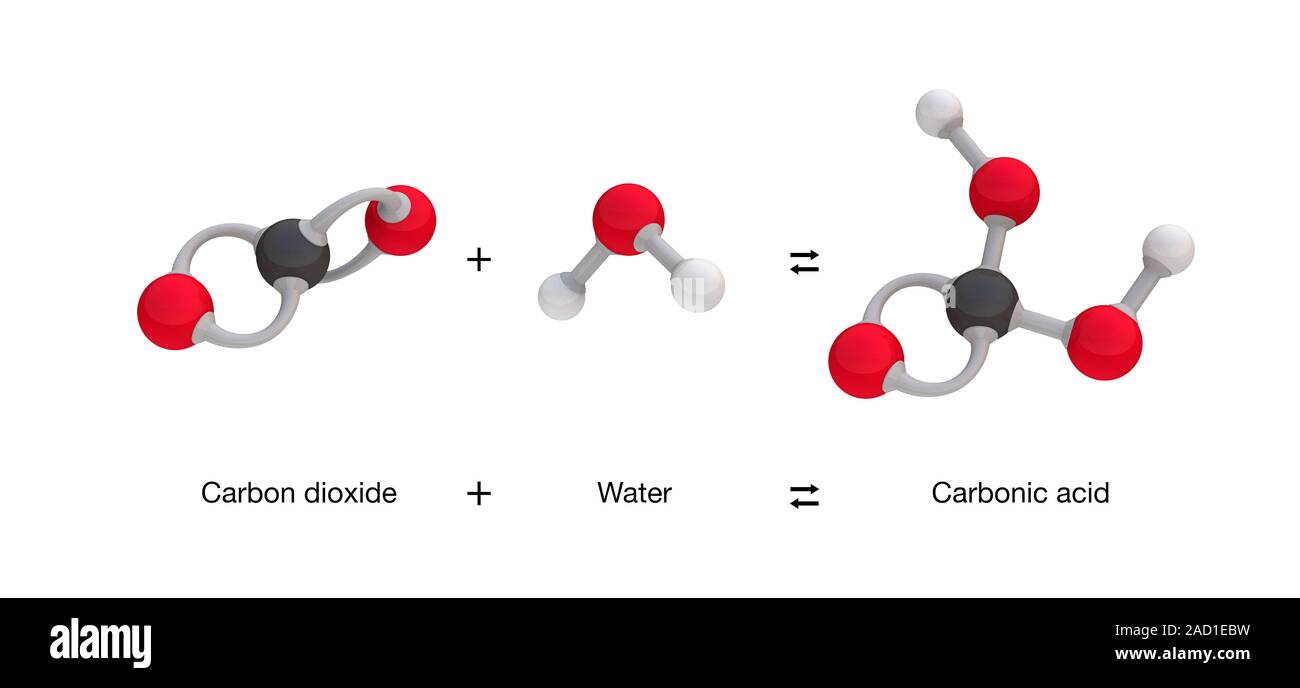
Freshly distilled or reverse osmosis (RO) water in a sealed container typically tests between pH 6.8 and 7.0. Once exposed to air, the water absorbs carbon dioxide (CO₂), which forms carbonic acid and releases hydrogen ions. This reaction lowers the pH quickly. Within minutes of exposure, readings can drop to 5.8, and in open containers, purified water often stabilizes between 5.5 and 6.5.
How Exposure Time Changes the Reading
The longer purified water sits in open air, the more CO₂ it absorbs and the lower the pH falls. In a typical open glass, equilibrium with atmospheric CO₂ can occur in under an hour. This is not contamination. It is a natural chemical process, and the water remains pure and safe.
pH of Popular Bottled Brands
Commercial purified water brands show a range of pH values depending on processing and packaging:
- Smartwater (distilled): pH 6.5–7.0
- Aquafina (purified): pH 5.5–7.0
- Dasani (purified): pH ~5.5
These values are normal. Once you open any bottle, gradual acidification begins.
Why Measuring Purified Water pH Is So Difficult
Problems with Standard pH Meters
Standard pH meters struggle with purified water because of its low ionic strength. Without enough ions, electrodes cannot maintain a stable electrical signal. Common issues include:
- Drifting readings that never stabilize
- Slow response times
- False results from static electricity or temperature shifts
A wandering reading usually means the sample is hard to measure, not that your meter is broken.
Best Practices for Accurate Results
To get reliable pH data from purified water, follow these steps:
- Calibrate first: Use fresh pH 4.0, 7.0, and 10.0 buffers, then verify with a control solution.
- Rinse with the sample: Never rinse the probe with tap water before testing purified water.
- Measure immediately: Pour the sample and test within seconds to minimize CO₂ uptake.
- Use sealed containers: Test directly from a freshly opened source when possible.
- Record temperature: pH shifts with heat, so always note the water temperature.
- Choose the right probe: Specialized electrodes with double junctions work better in low-conductivity water.
Alternative Testing Options
- pH strips: Convenient but often too imprecise for low-mineral water. Color changes can be hard to read.
- Digital pen testers: Affordable and portable, but most use standard electrodes that struggle with purified water.
- Lab potentiometry: The gold standard for accuracy, using high-precision equipment and strict CO₂ control.
For home users, a digital meter with calibration verification offers the best balance of cost and reliability.
How Purified Water Compares to Other Types
pH Ranges Across Common Sources
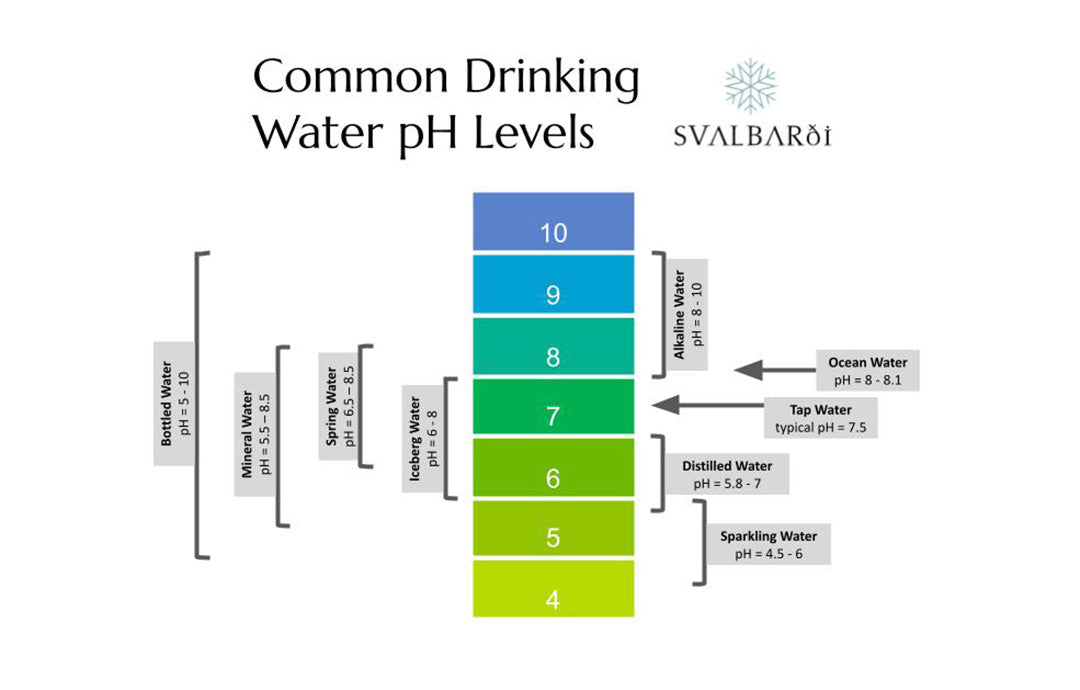
| Water Type | Typical pH Range | Key Factor |
|---|---|---|
| Ultrapure (theoretical) | 6.998 | No CO₂ at 25°C |
| Distilled/RO (open) | 5.5–6.5 | CO₂ absorption |
| Tap Water | 6.5–8.5 | Mineral buffering |
| Spring Water | 6.5–8.5 | Source geology |
| Alkaline Water | 8.0–10.0 | Added minerals or electrolysis |
| Sparkling Water | 4.5–6.0 | Dissolved CO₂ |
| Ocean Water | 7.5–8.4 | Carbonate buffering |
Purified water stands out for its lack of buffering, making it the most pH-sensitive type.
Why Tap Water Stays Stable
Municipal tap water contains dissolved minerals like bicarbonates and carbonates that act as buffers, resisting pH changes. Even when CO₂ dissolves, these minerals neutralize the acid and keep pH stable. This buffering also protects plumbing by reducing corrosion, which is why utilities maintain pH between 6.5 and 8.5.
Health, Safety, and Practical Implications
Is Slightly Acidic Purified Water Safe to Drink
Yes. A pH between 5.5 and 6.5 in purified water poses no health risk. The mild acidity comes from carbonic acid, not harmful contaminants. Your stomach acid (pH 1.5–3.5) is far stronger, so the body handles this easily. Claims that acidic water is dangerous often confuse purified water with corrosive industrial acids.
EPA and WHO Guidelines
- EPA Secondary Standard: Recommends pH 6.5–8.5 for aesthetic reasons and corrosion control, not health.
- WHO Position: States no health-based guideline is needed because the acids and bases in drinking water are weak and dilute.
Corrosion Risks in Low-pH Tap Water
While purified water at pH 5.8 is safe, tap water below pH 6.5 raises concerns. Acidic tap water can leach metals from pipes, including lead, copper, and zinc. Warning signs include blue-green stains, metallic taste, or frequent pipe leaks. If your tap water tests below 6.5, consider testing for heavy metals.
How to Manage and Adjust Purified Water pH
Raising pH for Better Stability
To reduce acidity and add buffering capacity, consider these methods:
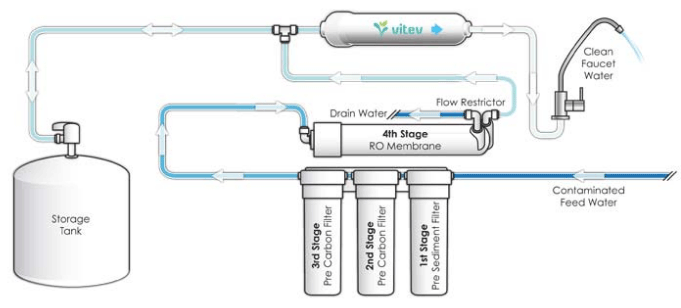
- Remineralization filters: Add calcium and magnesium to RO systems.
- Calcite filters: Use calcium carbonate to neutralize acidity.
- Water ionizers: Produce alkaline output through electrolysis.
- Mineral drops: Commercially available additives restore pH and improve taste.
Lowering pH When Needed
For applications requiring acidic water:
- Citric acid: Add a small pinch to lower pH temporarily, such as for brewing tea.
- Acid injection systems: Common in industrial settings.
- Ion exchange resins: Remove alkaline minerals.
Adding lemon juice changes the water’s composition, not just its pH.
Storage Tips to Minimize pH Drift
Keep purified water closer to neutral with these practices:
- Use airtight containers: Glass or food-grade plastic with tight seals works best.
- Minimize headspace: Less air means less CO₂ absorption.
- Store cool: Lower temperatures reduce CO₂ solubility.
- Use quickly: Consume within hours of opening for the most stable pH.
Avoid storing purified water in metal containers or leaving it in open pitchers overnight.
Special Considerations for Sensitive Users
Infants and Formula Preparation
Many parents use purified water for baby formula. While slightly acidic water (pH 5.8) is safe, some pediatricians recommend neutral pH and low mineral content to avoid stressing immature kidneys. Using freshly produced RO or distilled water, before significant CO₂ absorption, is ideal.
Kidney Disease Patients
People with impaired kidney function should consult a doctor before drinking alkaline water. Added minerals like calcium and potassium can accumulate and disrupt electrolyte balance.
Taste and Beverage Quality
Purified water’s low pH and lack of minerals can make coffee or tea taste flat. Remineralized water often brews better because minerals enhance flavor extraction. For culinary use, try blending purified water with a small amount of mineral-rich water.
Frequently Asked Questions About Purified Water pH
What is the actual pH of purified water?
The theoretical pH of ultrapure water at 25°C is 6.998. In real-world conditions, purified water typically tests between 5.5 and 6.5 once exposed to air, due to CO₂ absorption.
Why does my purified water test acidic?
Purified water absorbs carbon dioxide from the atmosphere, forming carbonic acid. This releases hydrogen ions and lowers the pH. Because purified water lacks buffering minerals, even small amounts of CO₂ cause a noticeable drop.
Is purified water with pH 5.8 safe to drink?
Yes. A pH of 5.8 in purified water is normal and safe. The acidity comes from dissolved carbon dioxide, not harmful contaminants. Your stomach acid is much stronger.
How can I accurately measure the pH of purified water?
Calibrate your meter with fresh buffers, rinse the probe with the sample, measure immediately after pouring, and use a sealed container. Specialized low-conductivity probes give the most reliable results.
Does the pH of purified water change over time?
Yes. Once opened, purified water gradually absorbs more CO₂ and the pH drops further. Storing it in airtight containers with minimal headspace slows this process.
Can I raise the pH of purified water at home?
Yes. You can use remineralization filters, calcite filters, or mineral drops to add buffering capacity and raise the pH closer to neutral.
Key Takeaways for Understanding Purified Water pH
The pH of purified water is not a fixed number. It is a dynamic value shaped by temperature, CO₂ exposure, and measurement method. Theoretically, it sits at 6.998 at 25°C, but in practice, it often reads between 5.5 and 6.5 because purified water readily absorbs carbon dioxide from the air. This shift is normal and does not indicate contamination. Measuring it accurately requires care, since standard tools struggle with low-ion water. While pH outside 6.5–8.5 in tap water can signal corrosion risks, purified water in the 5.5–6.5 range is safe and expected. If you want more stable readings, store purified water in sealed containers, use it quickly after opening, or add a remineralization filter to restore buffering capacity.