How to Make Alkaline Water at Home: Quick Steps
You’ve seen alkaline water lining grocery shelves and heard wellness experts praise its potential benefits. But paying premium prices for bottled versions isn’t your only option. You can make alkaline water at home using simple kitchen ingredients, affordable filtration systems, or advanced ionization technology. Whether your goal is improved hydration, digestive comfort, or exploring the alkaline diet lifestyle, this guide walks you through every effective method so you can pick the right approach for your needs and budget.
Alkaline water has a pH above 7, typically between 8 and 9.5. This elevated pH comes from added alkaline minerals like calcium, magnesium, and potassium, or from ionization processes. While your body tightly regulates its internal pH, drinking alkaline water may help neutralize excess acidity, support hydration, and provide antioxidant benefits through negative ORP (oxidation-reduction potential). One critical rule applies to every method: always start with filtered water. Tap water often contains chlorine, heavy metals, and other contaminants that interfere with alkalization and undermine your health goals.
Below, you’ll find step-by-step instructions for eight methods, honest pros and cons, safety guidelines, and a comparison table to help you decide.
Baking Soda Method: The Fastest pH Boost

Sodium bicarbonate is a pantry staple that raises water pH within seconds, making it the quickest and cheapest DIY option.
How to Prepare Baking Soda Water
- Pour 1 liter (about 4 cups) of filtered water into a clean glass or pitcher.
- Add 1/8 teaspoon of baking soda.
- Stir or shake vigorously until fully dissolved.
This ratio typically produces water with a pH of 8 to 9. For stronger alkalinity, increase to 1/4 teaspoon per liter, though higher amounts boost sodium intake significantly.
Advantages and Risks to Consider
Benefits:
– Ready in seconds
– Costs pennies per serving
– Requires no special equipment
Drawbacks:
– High sodium content, which is problematic for people with hypertension or heart conditions
– May cause bloating or gas from CO₂ release in the stomach
– Leaves a slightly salty or soapy aftertaste
– Does not provide antioxidant benefits
Use this method sparingly and avoid daily long-term consumption if you monitor sodium intake.
Lemon Water: Acidic in the Glass, Alkaline After Metabolism

Lemons are famous in alkaline diet circles despite their sour taste. Here’s the science behind the claim.
How to Prepare Lemon-Infused Water
- Squeeze the juice of half a lemon into 1 liter of filtered water.
- Add the squeezed lemon slices for extra mineral infusion.
- Let the mixture sit for 8 to 12 hours at room temperature or overnight in the refrigerator.
For enhanced mineral content, add ½ teaspoon of Himalayan pink salt per quart. This addition provides trace minerals and supports alkalinity.
Why Lemon Water Doesn’t Test Alkaline
Lemons have a pH of about 2. When added to water, they lower the pH, turning test strips yellow or red. However, after digestion, citric acid breaks down into bicarbonate, producing an alkaline ash effect in the body. This metabolic conversion is the foundation of the alkaline diet theory.
Benefits:
– High in vitamin C and antioxidants
– Supports liver detox and immune function
– Encourages higher water intake with refreshing flavor
Cautions:
– Can erode tooth enamel, so drink through a straw or rinse afterward
– May worsen acid reflux initially before providing relief
– Not true alkaline water in the glass
This method suits people seeking metabolic alkalinity rather than immediate pH elevation.
Cucumber Infusion: A Gentle Mineral Boost
Cucumber water offers a milder alternative to citrus, adding alkaline minerals without acidity.
How to Infuse Cucumber Water
- Thinly slice one fresh cucumber to maximize surface area.
- Add the slices to 1 to 2 liters of filtered water.
- Refrigerate for 2 to 12 hours before drinking.
Cucumbers naturally contain calcium, potassium, and magnesium, which slowly leach into the water during steeping.
Why Cucumber Works for Sensitive Stomachs
- No risk of enamel erosion
- Mild, refreshing flavor
- Adds trace minerals naturally
The pH change is subtle, but this method complements an alkaline-forming diet beautifully.
Boiling Water: A Chemical-Free Approach
Heat alone can alter water chemistry without any additives.
How to Boil and Cool Water for Higher pH
- Bring filtered water to a rolling boil.
- Turn off the heat and let it cool to room temperature.
- Store in a clean glass container.
Boiling drives off dissolved carbon dioxide, which forms carbonic acid in water. Removing this CO₂ naturally raises the pH.
What Boiling Actually Achieves
- Increases pH slightly, usually to around 7.5 to 8
- Reduces reactive oxygen species (ROS), lowering oxidative stress
- Adds no minerals or taste changes
The pH boost is modest compared to other methods, but boiling is a clean, additive-free option worth trying.
Alkaline Water Drops: Portable and Precise
Liquid pH drops offer convenience for travelers or anyone wanting fast, adjustable results.
How to Use pH Drops
- Add 2 to 4 drops to an 8-ounce glass of water (follow your brand’s instructions).
- Stir or shake well.
- Test with pH strips if you want to verify the result.
Most drops contain potassium, magnesium, and sodium hydroxide to raise pH quickly, with some brands achieving pH 9 or higher.
When Drops Make Sense
Advantages:
– Highly portable for travel
– Fast-acting and consistent
– Can significantly boost pH
Disadvantages:
– Ongoing cost from repeat purchases
– Some brands include artificial ingredients
– Single-use plastic bottles create waste
This method works best for occasional use or on-the-go hydration.
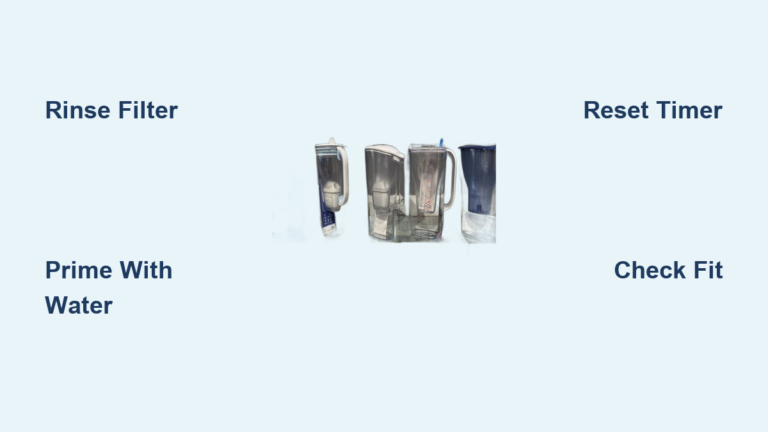
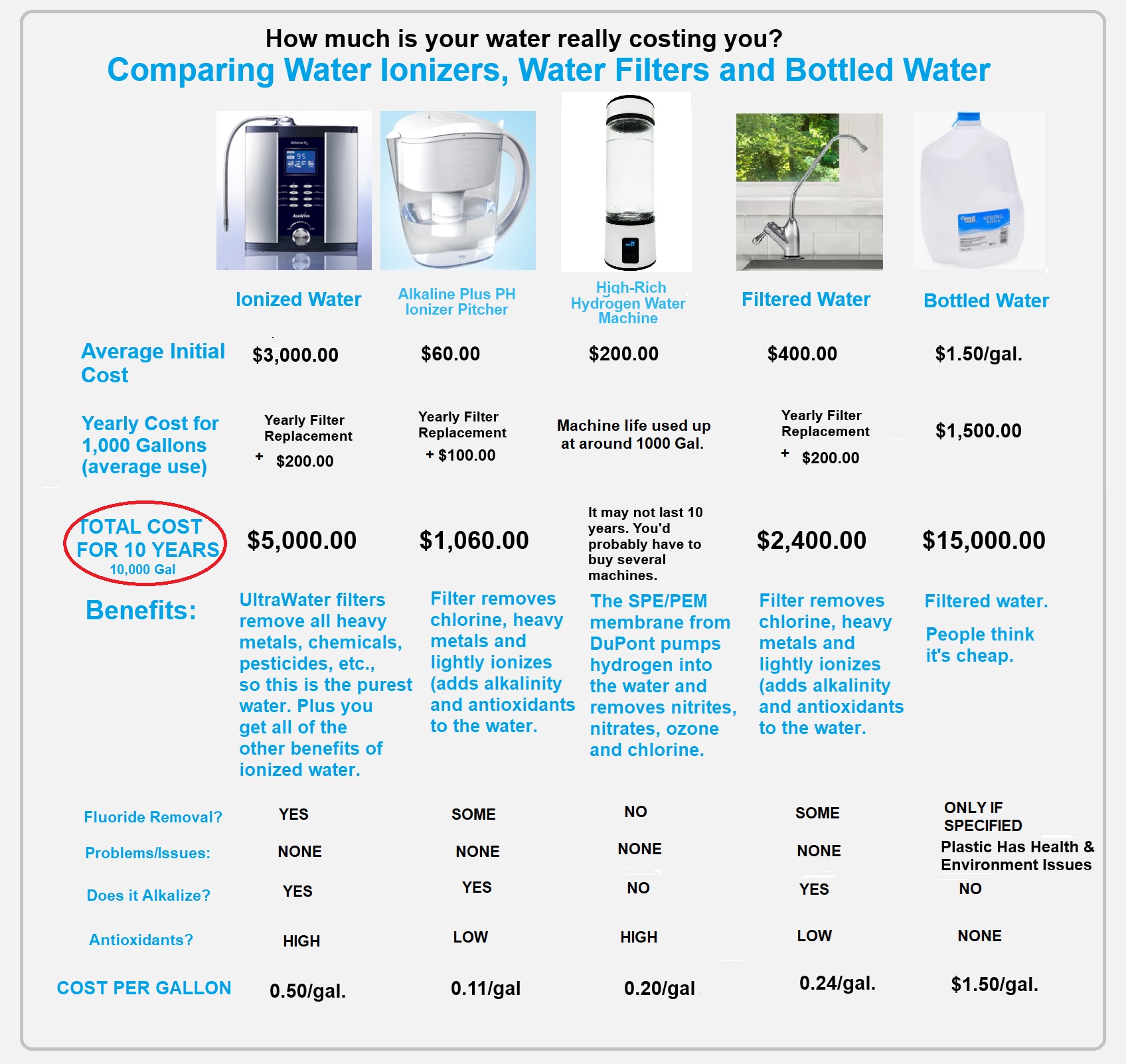
Alkaline Water Pitchers: The Best Balance for Daily Use

For consistent, clean alkaline water at home, filtered pitchers deliver the best mix of convenience, cost, and health benefits.
How Alkaline Pitchers Work
- Fill the pitcher with tap water.
- Water passes through a multi-stage filter containing:
– Activated carbon (removes chlorine, lead, and copper)
– Alkaline mineral blend (adds calcium, magnesium, and potassium) - Output pH typically reaches 8.5 to 9.5.
Popular models like pHox, AlkaWay, and Seychelle last 40 to 200 liters before requiring filter replacement.
Why Pitchers Outperform DIY Methods
- Remove contaminants while raising pH
- Provide negative ORP for antioxidant effects
- Improve taste and odor
- Cost roughly $1 to $2 per week over time
- Reduce plastic bottle waste
Maintenance tip: Replace filters every 2 to 3 months or per the gallon limit to keep performance consistent.
Water Ionizers: Advanced pH Customization
Electric ionizers use electrolysis to split water into alkaline and acidic streams, offering maximum control.
How Ionization Works
- Connect the unit to your faucet or under-sink water line.
- Water passes over electrically charged plates.
- Alkaline water (high pH) dispenses for drinking; acidic water drains away.
Users can select pH levels from 8 to 10 or higher and enjoy strong antioxidant properties.
Who Should Consider an Ionizer
Pros:
– Adjustable pH settings
– High ORP reduction for strong antioxidant effect
– Long-term cost savings
Cons:
– High upfront cost ($800 to $2,000)
– Requires installation and electricity
– Needs regular cleaning and maintenance
Ionizers suit serious users committed to long-term alkaline water consumption.
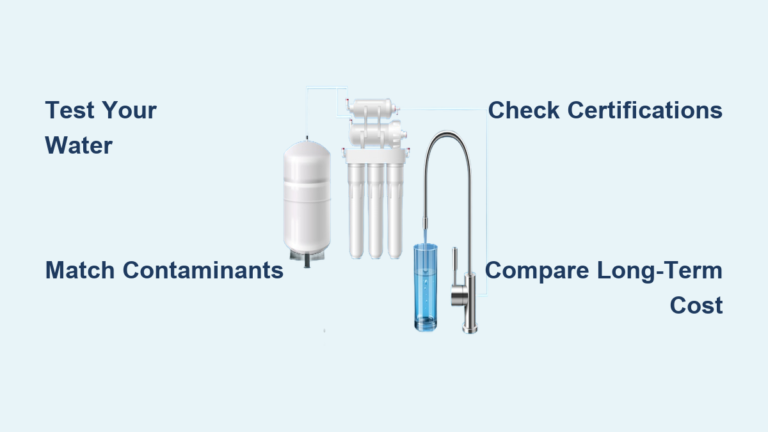
Reverse Osmosis with Remineralization: The Purest Option

RO systems strip nearly all impurities, then a remineralization filter adds healthy minerals back in.
The Two-Stage RO Process
- Purify: The RO membrane removes fluoride, heavy metals, bacteria, and viruses.
- Re-mineralize: A post-filter injects calcium and magnesium to raise pH to 7.5 to 9 or higher.
These systems install under the sink and provide continuous high-quality water.
Who Benefits Most from RO + Remineralization
- People with poor tap water quality
- Those with chemical sensitivities
- Anyone wanting maximum purity and consistent alkalinity
Note: RO systems produce wastewater (3:1 to 1:1 ratio), though newer models are more efficient.
Comparison Table: All Methods at a Glance
| Method | pH Result | Cost | Time | Best For |
|---|---|---|---|---|
| Baking Soda | 8 to 9 | $ | Instant | Quick fix, tight budget |
| Lemon Water | Acidic (glass), Alkaline (body) | $ | 8 to 12 hours | Vitamin C and detox |
| Cucumber Infusion | Slight increase | $ | 2 to 12 hours | Gentle flavor |
| Boiling | 7.5 to 8 | $ | 15 to 20 minutes | No additives |
| pH Drops | 8.5 to 10 | $$ | Instant | Travelers |
| Filter Pitcher | 8.5 to 9.5 | $ to $$ | 5 to 30 minutes | Daily home use |
| Water Ionizer | 8 to 10+ | $$$$ | Instant | Custom pH, high ORP |
| RO + Remineral | 7.5 to 9+ | $$$ | Continuous | Purest water |
| Bottled Alkaline | 8 to 9.5 | $$$$$ | None | Convenience only |
Top pick for most people: Alkaline water pitchers offer the best balance of cost, safety, consistency, and measurable health benefits.
Pair Alkaline Water with an Alkaline-Forming Diet
Alkaline water works best alongside a diet rich in alkaline-forming foods.
Foods That Support Alkalinity
- Fruits: Lemons, limes, melons, bananas
- Vegetables: Spinach, kale, broccoli, celery, cucumbers
- Grains: Quinoa, millet, oats
Foods to Limit
- Processed meats
- Refined sugar
- Excessive dairy
- Alcohol and caffeine
This combination may help reduce your body’s overall acid load, even though blood pH remains tightly regulated by your body’s natural systems.
Safety Guidelines and Who Should Avoid Alkaline Water
Not everyone benefits from drinking alkaline water daily.
Safe pH Range for Drinking
- Ideal: pH 8 to 9
- Avoid: pH above 10, which can irritate skin and the digestive tract
Who Should Exercise Caution
- High blood pressure: Skip baking soda due to sodium content
- Kidney disease: Consult a doctor about mineral buildup risks
- On medication: Take pills with neutral water, since alkaline water may alter absorption
- Sensitive teeth: Avoid lemon water or use a straw
General Usage Tips
- Start with 1 to 2 glasses per day
- Don’t replace all water intake immediately
- Reduce intake if you experience nausea or discomfort
Frequently Asked Questions About Alkaline Water
Does baking soda really make water alkaline?
Yes, baking soda (sodium bicarbonate) raises water pH to around 8 to 9 when added at 1/8 teaspoon per liter. However, it adds sodium, which can be problematic for people with hypertension or heart conditions.
Is lemon water actually alkaline?
Lemon water is acidic in the glass (pH around 2 to 3), but after digestion, citric acid converts to alkaline byproducts. So while it doesn’t raise the pH of the water you drink, it may have an alkalizing effect on your body’s metabolism.
What is the healthiest way to make alkaline water at home?
For most people, an alkaline water pitcher is the healthiest option. It removes contaminants like chlorine and heavy metals while adding beneficial minerals and consistently raising pH to 8.5 to 9.5.
Can I drink alkaline water every day?
Yes, as long as the pH stays between 8 and 9. Start with 1 to 2 glasses daily and increase gradually. People with kidney disease, hypertension, or those on certain medications should consult a doctor first.
Does boiling water make it alkaline?
Boiling removes dissolved carbon dioxide, which slightly raises pH to around 7.5 to 8. The effect is modest compared to adding minerals or using a filtration system.
Is alkaline water better than regular water?
Scientific evidence is mixed. Some studies suggest benefits for hydration, acid reflux, and bone health, but your body already regulates pH tightly. Alkaline water may offer marginal advantages for some people, especially when paired with an alkaline-forming diet.
Final Thoughts on Making Alkaline Water at Home
Choosing the right method depends on your priorities. If you need an instant boost on a budget, baking soda works in a pinch. If you want vitamins and flavor, lemon or cucumber infusions deliver. For consistent, measurable alkalinity combined with contaminant removal, an alkaline water pitcher strikes the best balance of cost, safety, and health benefits.
DIY methods are accessible and affordable, but only filtration and ionization systems provide measurable alkalinity, contaminant removal, and antioxidant properties. For most readers, investing in a quality alkaline pitcher offers the most practical path to daily alkaline hydration.
Start with filtered water, choose a method that fits your lifestyle, and pay attention to how your body responds. Your hydration routine could be the simplest upgrade you make this year.