
Does Purified Water Conduct Electricity?
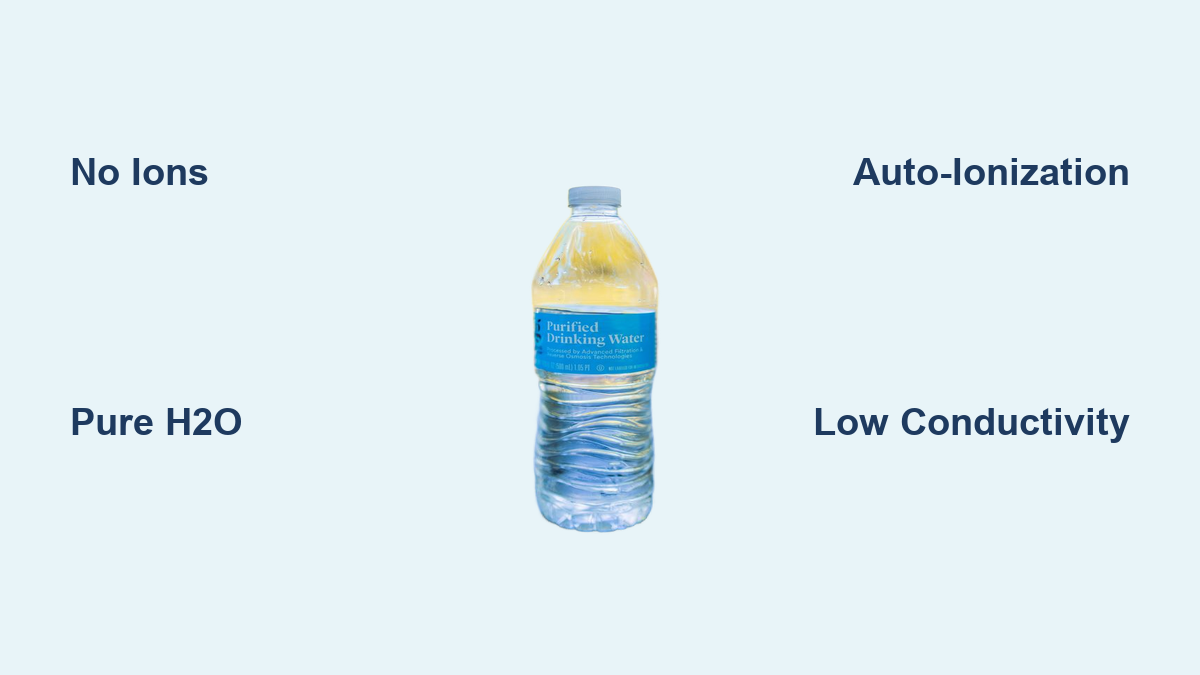
You drop a toaster in a bathtub and the whole room goes dark. You see a warning label on your hair dryer: do not use near water. Everywhere you look, electricity and water seem like a deadly pair. So what happens when the water is truly pure? Does purified water conduct electricity, or is that just another myth?
The answer turns common sense on its head. Pure water is an excellent insulator, not a conductor. The danger we associate with water and electricity comes from dissolved ions in everyday water, like sodium, calcium, chloride, and magnesium. Strip those away, and water loses almost all ability to carry current. In this guide, you’ll learn the science behind conductivity, see real numbers comparing water types, and discover why you should still treat all water as dangerous around electricity.
What Makes Water Conductive?
Ions Are the Real Conductors
Electricity flows through liquids via charged particles called ions, not water molecules. In metals, free electrons carry the current. In water, cations and anions move toward opposite electrodes when voltage is applied, creating the flow of charge.
Pure H₂O has very few ions. But when salt dissolves, it splits into Na⁺ and Cl⁻ ions. These mobile charge carriers allow current to travel through the solution. That is why saltwater conducts well, tap water conducts moderately, and distilled water barely conducts at all. The water itself is not the conductor. The impurities are.
Auto-Ionization: Why Pure Water Still Carries a Trace Charge
Even in a perfectly pure sample, water molecules naturally dissociate through a process called auto-ionization:
$$2H_2O \rightleftharpoons H_3O^+ + OH^-$$
At 25°C, only about 1 in 555 million water molecules is ionized at any moment. The resulting ion concentration is just 1 × 10⁻⁷ M, so low that conductivity is essentially negligible. This tiny ion level means pure water has high electrical resistance, behaves as a dielectric, and cannot sustain significant current. Technically, ultra-pure water conducts electricity, but only in the most extreme, measurable sense.
How Pure Is “Purified” Water?
Not all purified water is equally pure. The differences matter for science, industry, and safety.
Distilled Water Conductivity
Distilled water is made by boiling water into steam and recondensing it, leaving most impurities behind.
- Conductivity: 0.5 to 3 µS/cm
- Resistivity: roughly 18 MΩ·cm
- Ions present: only from auto-ionization and absorbed CO₂
Because CO₂ dissolves to form carbonic acid, even freshly distilled water gains slight conductivity over time. Distilled water is not a perfect insulator, but it is close enough for most practical purposes.
Deionized Water Performance
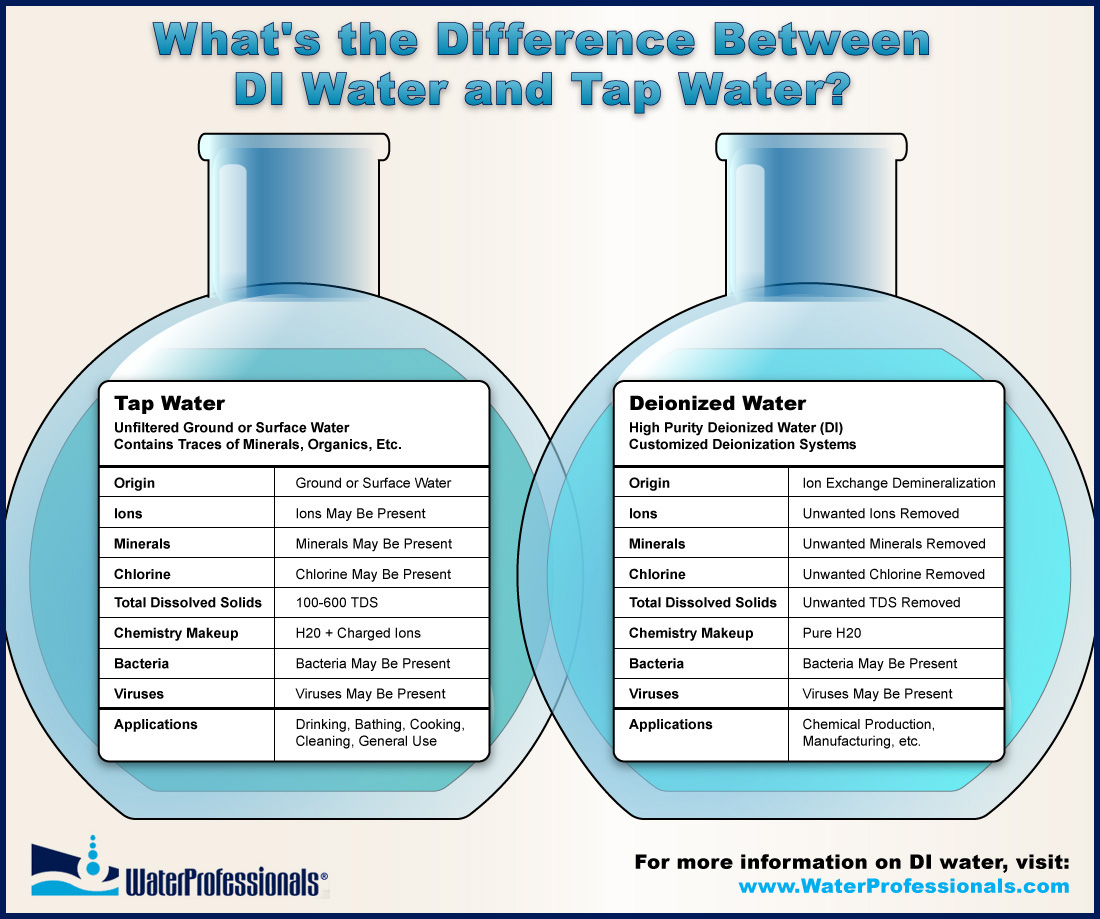
Deionized (DI) water passes through ion-exchange resins that remove mineral ions.
- Conductivity: similar to distilled water (0.5 to 3 µS/cm)
- Limitation: may still contain organic molecules or silica not removed by resin
Often, DI water is further purified with reverse osmosis or distillation for ultra-sensitive applications.
Comparison: Tap vs. Sea vs. Purified
| Water Type | Conductivity (µS/cm) | Conduction Level |
|---|---|---|
| Distilled | 0.5 to 3 | Non-conductive (insulator) |
| Deionized | 0.5 to 3 | Non-conductive |
| Tap Water | 50 to 800 | Conductive |
| Freshwater River | 100 to 200 | Conductive |
| Seawater | ~55,000 | Highly conductive |
Seawater conducts over 18,000 times better than distilled water due to its high salt content.
How to Test Water Conductivity
Use a Conductivity Meter
To verify conductivity, you need a conductivity meter with a probe.
How it works:
1. Two electrodes in the probe apply a voltage.
2. The meter measures how much current flows.
3. Based on resistance, it calculates conductivity in µS/cm or mS/cm.
Key tips:
– Calibrate regularly
– Clean the probe after each use
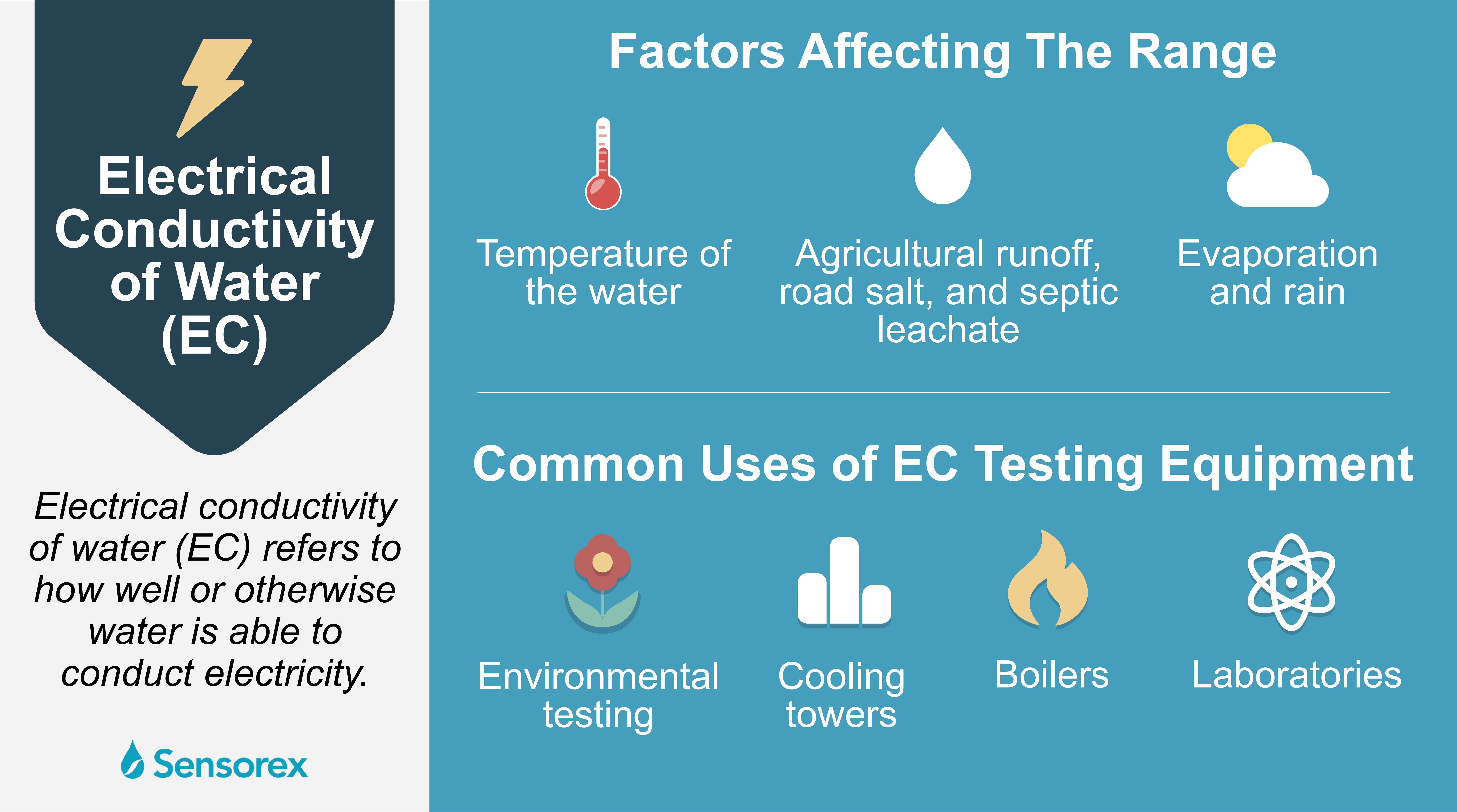
– Temperature correct: conductivity rises about 2% per °C
DIY LED Test (Classroom Experiment)
You can build a simple circuit to test conduction at home or in a classroom.
Materials:
– 9V battery
– LED
– Two metal electrodes (stainless steel rods work well)
– Wires with alligator clips
Steps:
1. Connect the battery to the LED via the electrodes.
2. Place the electrodes in water without letting them touch.
3. Observe the LED brightness.
Results:
– Distilled water: LED stays off (no current)
– Tap water: LED glows dimly
– Salt water: LED shines brightly
This visual test proves that ions enable conduction, not H₂O.
Why Tap Water Is Dangerous with Electricity
Sweat, Dirt, and Minerals Enable Shocks
When someone gets shocked by a hairdryer in the bathtub, it is not the water alone. It is the dissolved ions from body salts, soap residues, pipe minerals, and chlorine. Even a small amount of salt drastically increases conductivity. A pinch of salt in a liter of distilled water can raise conductivity 100-fold.
Lightning and Water: A Deadly Mix
Lightning striking a lake or ocean spreads through the water, but not because water itself is conductive. The dissolved salts and minerals allow the current to radiate outward. In seawater, the high ion concentration means electricity may prefer the water over a human body, not because it is safer, but because seawater offers a lower-resistance path. The danger is still extreme.
Real-World Applications of Non-Conductive Water
Battery Maintenance with Distilled Water
Lead-acid batteries in cars and UPS systems lose water over time due to electrolysis.
Why use distilled water?
– Prevents mineral buildup on plates
– Avoids self-discharge from ionic contamination
– Maintains optimal electrolyte concentration
Using tap water introduces ions that corrode internal components, reduce battery life, and waste energy through unwanted internal conduction.
Pro tip: Only add water when the battery is fully charged, and never overfill.
Cooling in High-Voltage Equipment
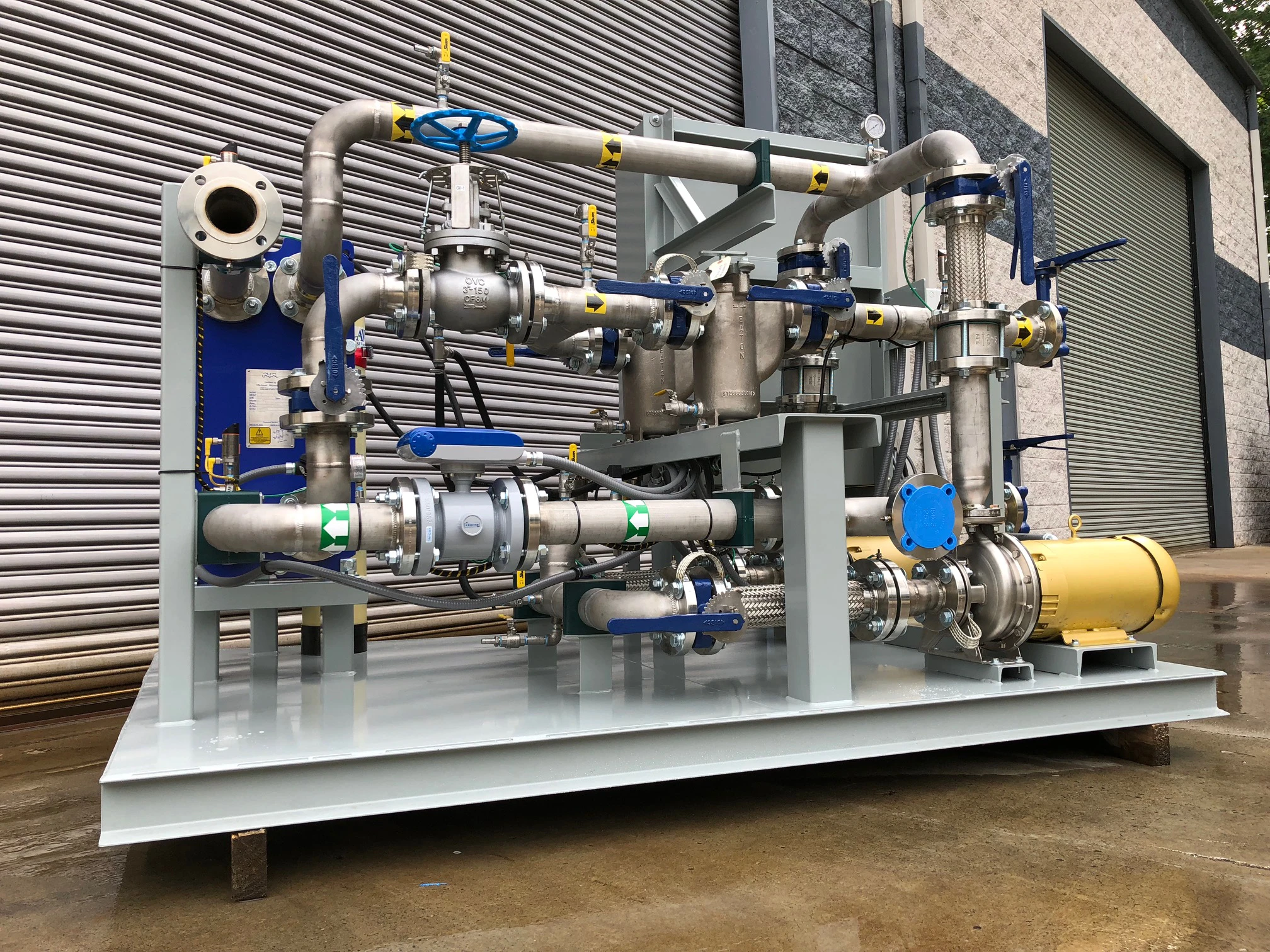
In power plants, nuclear reactors, and high-voltage labs, deionized water cools equipment because it will not short-circuit. If impurities leak in, the water becomes conductive, raising the risk of arc flashes or equipment failure. Conductivity sensors monitor cooling loops in real time to catch problems early.
Environmental Monitoring
Hydrologists measure water conductivity to assess pollution.
Normal vs. warning levels:
– Below 50 µS/cm: pristine stream with low ions
– Above 1,000 µS/cm: likely contamination
Common causes of spikes:
– Road salt runoff in winter
– Fertilizer leaching from agriculture
– Industrial discharge
– Sewage leaks
A sudden jump in conductivity can signal an environmental emergency.
Common Myths and Misconceptions
Myth: “Water Conducts Electricity”
This is misleading at best. The correct statement is that impure water conducts electricity. Pure H₂O does not. This misconception persists because most water we encounter is impure, safety warnings simplify the message, and people conflate “water” with “any liquid water.”
Myth: “Drinking Distilled Water Is Dangerous”
No evidence supports this. Distilled water is safe to drink. It lacks minerals, so it tastes flat, but it does not “leach” minerals from your body. Long-term exclusive consumption is not ideal, since your body needs minerals from food, not water.
Myth: “Rainwater Is Pure”
Rain starts relatively pure, but as it falls it absorbs CO₂, dust, sulfur and nitrogen oxides, and other pollutants. By the time it hits the ground, rainwater is conductive enough to be dangerous during thunderstorms.
Factors That Increase Water Conductivity
Dissolved Salts and Minerals
The more ions, the better the conduction.
| Substance | Ions Released | Conductivity Boost |
|---|---|---|
| NaCl (table salt) | Na⁺, Cl⁻ | High |
| CaCO₃ (limestone) | Ca²⁺, CO₃²⁻ | Moderate |
| MgSO₄ (Epsom salt) | Mg²⁺, SO₄²⁻ | High |
| HCl (acid) | H⁺, Cl⁻ | Very high |
Even 10 ppm of salt can make water noticeably conductive.
Temperature Effects
Higher temperature means higher ion mobility and higher conductivity. For every 1°C increase, conductivity rises by about 2%. That is why conductivity meters auto-correct to 25°C for standardization.
Atmospheric Exposure
Leaving distilled water open to air allows it to absorb CO₂, forming carbonic acid. Within hours, conductivity can rise from 0.5 to 5 µS/cm, still low, but measurable.
Safety Implications: What You Need to Know
Never Assume Water Is Safe
Even “clean” water on a floor or in a puddle likely contains dust, dirt, dissolved CO₂, and traces of salts. These are enough to conduct lethal current. Treat all water as conductive unless proven otherwise in a lab setting.
Wet Skin Lowers Body Resistance
Dry skin has a resistance of about 100,000 Ω. Wet skin drops to around 1,000 Ω. That 100x drop makes shocks far more severe. Water on the skin dissolves salts and creates a conductive film.
Equipment Safety in Labs
When working with high voltage:
– Use deionized water for cleaning or cooling
– Monitor for contamination
– Store purified water in sealed containers to limit CO₂ absorption
A single drop of tap water can compromise an experiment.
Frequently Asked Questions About Purified Water and Electricity
Does purified water conduct electricity at all?
Technically yes, but only through auto-ionization. At 25°C, only about 1 in 555 million molecules is ionized, producing a conductivity of just 0.5 to 3 µS/cm. For all practical purposes, purified water is an insulator.
Why does tap water conduct electricity but distilled water does not?
Tap water contains dissolved ions like calcium, magnesium, chloride, and sodium from pipes, soil, and treatment chemicals. These ions act as charge carriers. Distillation removes them, leaving water with almost no free ions.
Can you be electrocuted in purified water?
In a controlled lab setting with verified purity, the risk is extremely low. In any real-world environment, purified water quickly absorbs CO₂ and contaminants, regaining enough conductivity to be dangerous. Never rely on water purity for electrical safety.
Is rainwater conductive enough to be dangerous?
Yes. Rain absorbs CO₂ and atmospheric pollutants as it falls, giving it enough conductivity to carry current. Swimming or boating during a lightning storm is extremely hazardous for this reason.
Why is distilled water used in car batteries?
Tap water introduces minerals that corrode battery plates and cause self-discharge. Distilled water keeps the electrolyte chemistry stable, extending battery life and performance.
How do scientists measure water conductivity?
They use a conductivity meter with a probe containing two electrodes. The meter applies a voltage, measures the current, and calculates conductivity in µS/cm. Readings are temperature-corrected for accuracy.
Key Takeaways on Whether Purified Water Conducts Electricity
- Purified water (distilled or deionized) does not conduct electricity well. It acts as an insulator.
- Natural water conducts electricity due to dissolved ions, not H₂O molecules.
- Conductivity ranges from 0.5 µS/cm (distilled) to 55,000 µS/cm (seawater), a massive spread.
- Auto-ionization creates minimal conduction in pure water, but the effect is negligible.
- Testing with a conductivity meter or LED circuit proves the role of ions in conduction.
- Never rely on water as an insulator in real-world electrical safety. Assume all water conducts.
- Conductivity monitoring helps detect pollution in rivers, lakes, and drinking water sources.
- Use distilled water in batteries and lab equipment to avoid ionic contamination.
Final note: While purified water is technically a poor conductor, always assume all water conducts electricity in practice. The risks of misjudging are too high. Whether you are changing a car battery, using electronics near water, or studying electrochemistry, understanding the role of ions, not water itself, keeps you safe and informed.