How Iodine Purifies Water: A Quick Guide

You’re 10 miles into a backcountry trail when your filter cracks and your fuel runs out. The creek ahead looks crystal clear, but you know clear water can still hide Giardia, E. coli, and hepatitis A. You pull out a small bottle of iodine tablets and wonder: how does iodine purify water, and can it really keep you safe?
Iodine is a chemical disinfectant that kills waterborne pathogens by oxidizing their cells. When added to water, elemental iodine penetrates microbial membranes and destroys the proteins and enzymes those organisms need to survive. Within 30 minutes, it neutralizes most bacteria, viruses, and protozoan cysts. Because it’s lightweight, shelf-stable, and requires no equipment, iodine has been a trusted emergency water treatment since the 1940s.
In this guide, you’ll learn the exact science behind iodine’s disinfection power, proper dosing for clear and cloudy water, who should avoid it entirely, and why chlorine dioxide is replacing it in modern survival kits.
The Science Behind Iodine Water Purification

Oxidative Destruction of Microbial Cells
Iodine purifies water by acting as a powerful oxidizing agent. Once dissolved, elemental iodine (I₂) penetrates the cell walls of bacteria, viruses, and cysts. Inside the cells, it attacks amino acids like tyrosine and histidine, denaturing the proteins and enzymes that keep microorganisms alive. This process shuts down cellular metabolism and causes rapid microbial death.
The oxidative action is broad-spectrum. Iodine reliably kills disease-causing bacteria such as Salmonella and Shigella, inactivates viruses including norovirus and rotavirus, and neutralizes cysts like Giardia lamblia. However, its effectiveness against Cryptosporidium is limited compared to treatments like chlorine dioxide.
Why Iodine-Treated Water Is Safe to Drink
A key biochemical transformation protects humans from iodine’s disinfectant power. Once ingested, elemental iodine is rapidly converted in the stomach into iodide ions (I⁻). Iodide cannot oxidize human tissues the way elemental iodine destroys microbes. Instead, the thyroid gland absorbs it to produce essential hormones.
This conversion prevents internal damage but doesn’t eliminate all risk. Excessive iodine intake over time can still disrupt thyroid function, potentially causing hyperthyroidism or hypothyroidism. That’s why health authorities limit iodine water treatment to short-term use only, typically no more than a few weeks.
Iodine Dosage and Application Instructions
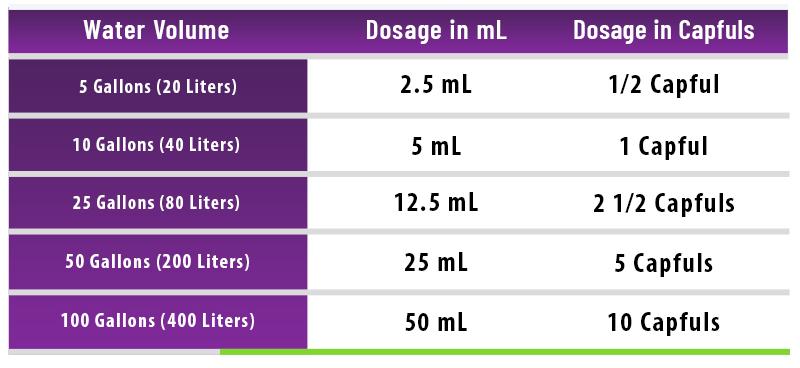
Correct Drops Per Liter
Using the right amount of iodine is critical. Too little won’t kill all pathogens; too much increases health risks and worsens taste.
- Clear water: Add 5 drops of 2% tincture of iodine per liter or quart
- Cloudy or turbid water: Double the dose to 10 drops per liter
Turbid water contains organic matter and suspended particles that absorb iodine, reducing the amount available to kill microbes. Doubling the dosage compensates for this loss and ensures enough free iodine remains to complete disinfection.
Step-by-Step Treatment Process
- Pre-filter if necessary: Strain visibly dirty water through a cloth or coffee filter before adding iodine
- Add iodine drops or tablet: Use a dropper or pre-measured tablet for accurate dosing
- Mix thoroughly: Shake or stir the container for 1–2 minutes to distribute iodine evenly
- Wait 30 minutes: Let the water sit undisturbed; the pathogen kill rate drops significantly if consumed earlier
- Check appearance: Treated water may have a slight yellow or amber tint, confirming iodine presence
After 30 minutes, the water should be microbiologically safe, assuming proper dosage and initial water clarity.
When Iodine Water Treatment Makes Sense
Emergency and Short-Term Scenarios
Iodine is best reserved for temporary use when boiling, filtration, or UV treatment isn’t possible. Its shelf-stable form, especially in tablets, makes it ideal for disaster preparedness kits, bug-out bags, and remote expeditions.
Common deployment situations include:
- Natural disasters that disrupt clean water supplies
- Power outages that prevent boiling
- Backpacking trips where weight and reliability matter
- International travel to regions with unsafe tap water
Because iodine has no moving parts or maintenance needs, it outperforms mechanical filters in freezing temperatures or rugged conditions where pumps might fail.
Why Long-Term Use Is Discouraged
Health authorities do not recommend iodine for regular use beyond 2–3 weeks. Prolonged exposure increases the risk of thyroid dysfunction, particularly in sensitive individuals. The European Union banned iodine-based water treatment products in 2009 due to concerns about uncontrolled long-term consumption.
View iodine as a stopgap measure: effective in crisis, but replaceable by safer alternatives once stable conditions return.
Who Should Avoid Iodine-Treated Water
High-Risk Groups
Certain individuals must avoid iodine-treated water entirely due to serious health implications:
- Pregnant individuals: Excess iodine can interfere with fetal thyroid development, potentially causing developmental issues
- People with thyroid disorders: Those with hypothyroidism or hyperthyroidism are especially vulnerable; even moderate iodine intake can worsen symptoms
- Individuals over 50: Approximately 5–10% of adults in this age group have subclinical hypothyroidism, making them more susceptible to iodine-induced complications
- People allergic to iodine: Though rare, true iodine allergy can cause severe reactions, including anaphylaxis
If you fall into any of these categories, choose alternative purification methods like chlorine dioxide or physical filtration.
Recognizing Adverse Reactions
Symptoms of iodine overexposure or sensitivity include:
- Metallic taste in the mouth
- Swollen salivary glands
- Skin rashes or irritation, especially with hand contact
- Gastrointestinal discomfort
- Changes in heart rate or energy levels, which may signal thyroid disruption
If you experience these after drinking treated water, discontinue use and consult a healthcare provider.
Advantages of Iodine Over Other Methods
Lightweight and Equipment-Free
One of iodine’s biggest strengths is simplicity. Unlike pumps, UV pens, or gravity filters, iodine requires no batteries, moving parts, or technical skill. A small bottle of tincture or a blister pack of tablets weighs ounces and fits in any pocket, making it ideal for ultralight backpackers and emergency responders.
It also performs reliably in extreme conditions:
- Freezing temperatures: No risk of clogging or cracking
- Remote locations: No need for spare parts or replacement membranes
- High-altitude treks: Consistent performance regardless of air pressure
This reliability made iodine a U.S. military standard in the 1940s, and it remains a go-to option in survival situations today.
Long Shelf Life and Storage Stability
Iodine tablets and tinctures are shelf-stable for years when stored in a cool, dark place. Unlike filters that degrade or UV devices with failing bulbs, iodine doesn’t require maintenance. This makes it perfect for emergency kits stored for months or years, boating supplies kept in damp environments, and travel first-aid packs.
Just keep the container sealed and away from sunlight to preserve potency.
Why Chlorine Dioxide Is a Better Alternative
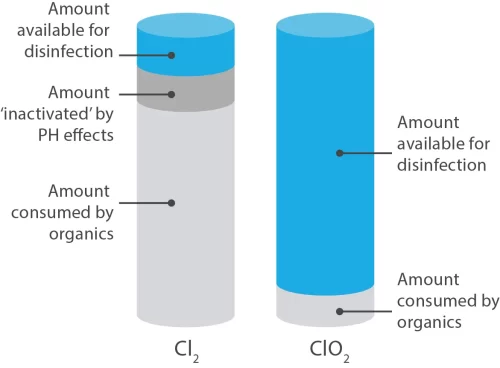
Superior Safety and Taste Profile
While iodine is effective, chlorine dioxide (ClO₂) has emerged as the preferred chemical treatment for most applications. Unlike iodine, chlorine dioxide does not affect thyroid function, leaves no chemical aftertaste, and works effectively against Cryptosporidium, which iodine struggles with.
Global organizations like Doctors Without Borders, the International Red Cross, UNICEF, and NATO rely on chlorine dioxide tablets for field operations due to their safety and palatability.
Proven Performance in Humanitarian Use
Chlorine dioxide tablets, such as Aquatabs, are widely used in disaster relief and refugee camps:
- A single 397 mg tablet purifies 4 gallons (15 liters) of water
- Kills 99.99% of bacteria, viruses, and protozoa
- Requires only 30 minutes of contact time, the same as iodine
One 100-tablet pack can provide safe drinking water for one person for up to 470 days, making it cost-effective for long-term deployments.
Managing Taste and Sensory Issues
Improving the Chemical Aftertaste
The distinct medicinal flavor of iodine-treated water is one of its biggest drawbacks. Many users find it unpalatable, which can lead to inadequate hydration.
Ways to improve taste:
- Add powdered drink mix, such as sports drinks or flavor packets
- Use vitamin C (ascorbic acid) tablets after the 30-minute wait; this neutralizes iodine and removes both taste and color
- Store treated water in a sealed bottle for a few hours; some off-gassing occurs naturally
Never add vitamin C before the 30-minute disinfection period, as it will deactivate iodine prematurely.
Visual and Olfactory Cues
After treatment, look for:
- A faint yellow to light brown tint, which confirms iodine is present
- A slight medicinal odor, which is normal but not overwhelming
If the water remains cloudy or shows no color change, re-treat with another full dose, especially if the original source was murky.
Frequently Asked Questions About Iodine Water Purification
How long does iodine take to purify water?
Iodine requires a minimum contact time of 30 minutes to effectively kill bacteria, viruses, and most cysts. Consuming the water earlier significantly reduces the kill rate and may leave harmful pathogens active.
Can you drink iodine-treated water every day?
No. Health authorities including the CDC and WHO recommend iodine water treatment only for short-term or emergency use, typically no more than 2–3 weeks. Prolonged daily consumption increases the risk of thyroid dysfunction.
Does iodine kill Cryptosporidium?
Iodine’s effectiveness against Cryptosporidium is limited compared to other treatments. Chlorine dioxide is a more reliable option if Crypto contamination is a concern in your water source.
Why does iodine-treated water taste bad?
Iodine leaves a distinct medicinal or chemical aftertaste because residual elemental iodine remains in the water after disinfection. Adding flavoring or vitamin C after the 30-minute waiting period can neutralize this taste.
Is iodine water treatment safe during pregnancy?
No. Pregnant individuals should avoid iodine-treated water because excess iodine can interfere with fetal thyroid development. Safer alternatives include chlorine dioxide tablets or mechanical filtration.
What happens if you use too much iodine?
Excess iodine increases the risk of thyroid problems, including both hyperthyroidism and hypothyroidism. It also intensifies the chemical taste, which may discourage adequate hydration. Always measure doses precisely.
Final Recommendations for Safe Iodine Water Treatment
Use Iodine Only When Necessary
Stick to this rule: iodine is for short-term emergencies only. Use it when you’re stranded without other options, your filter breaks mid-trip, or you’re in a region with known bacterial or viral contamination (but not Crypto-heavy sources).
Always switch back to safer methods like filtration, boiling, or chlorine dioxide as soon as possible.
Follow Strict Dosing and Timing Rules
To stay safe and effective:
- Measure precisely using droppers or calibrated tablets
- Double the dose for dirty water
- Wait at least 30 minutes before drinking
- Do not exceed 3 weeks of continuous use
Keep a printed dosage chart in your kit to avoid mistakes under stress.
Consider Safer Alternatives for Routine Use
For regular outdoor adventures or travel, chlorine dioxide tablets (such as Aquamira or Aquatabs) offer the best balance of safety, taste, and efficacy. Portable filters with UV backup provide the broadest protection, and boiling remains the most reliable method when fuel is available.
Iodine served a vital role in field medicine and survival for decades, but modern alternatives now offer equal speed with far fewer risks. Before any trip, check your kit, confirm expiration dates, and choose the purification method that best matches your destination and duration.