How Wetlands Purify Water: A Simple Guide

Stormwater surges across pavement, farmland, and rooftops, picking up dirt, chemicals, and waste before rushing toward rivers and oceans. Without intervention, that contaminated water flows unchecked into drinking supplies and sensitive ecosystems. This is exactly what happens when wetlands vanish. But where these ecosystems remain, something remarkable occurs: polluted water enters, and cleaner water flows out. How do wetlands purify water? Through a seamless blend of physical, biological, and chemical processes refined over millennia.
Wetlands function as the kidneys of watersheds, naturally filtering pollutants, trapping sediments, and removing excess nutrients like nitrogen and phosphorus. These systems slow fast-moving runoff, giving particles time to settle while plants and microbes absorb or transform contaminants. Research shows wetlands can remove up to 90% of sediments from incoming water, delivering results that rival expensive engineered treatment plants. Understanding this natural process reveals why protecting wetlands is one of the smartest investments for clean water and climate resilience.
From city storm drains to agricultural runoff, wetlands silently protect drinking water, prevent algal blooms, reduce flooding, and recharge groundwater supplies. This guide breaks down each purification step, explains the science behind it, and shows why restoring wetlands matters more than ever in an era of water scarcity and climate uncertainty.
Slow Water and Trap Sediment
The first stage of wetland purification relies on simple physics: slow the water down, and suspended particles drop out of the flow.
How Vegetation Creates Natural Resistance
When rain runs off roads, parking lots, or farmland, it carries soil, debris, and attached pollutants at high speed. Without intervention, this runoff rushes into streams, clouding water and smothering aquatic habitats. When it enters a wetland, dense vegetation like cattails, reeds, and marsh grasses acts as a natural brake.
Emergent plants create physical resistance that reduces water velocity, giving suspended particles time to settle. The slower the flow, the more effective the filtration. Without this speed reduction, sediments remain suspended and travel far downstream.
What Settles Out of the Water Column
As water slows, these materials drop to the wetland floor:
– Silt and clay particles
– Organic debris
– Pollutants bound to soil (such as pesticides and heavy metals)
Wetlands can remove up to 90% of sediments in stormwater before it reaches sensitive ecosystems. The result is clearer water, healthier fish habitats, and less dredging required in reservoirs and harbors.
Why Sediment Capture Matters
Sediment is more than just dirt. It carries nitrogen, phosphorus, and toxins that fuel algal blooms and degrade water quality. By trapping these particles early, wetlands stop pollution at its source, functioning as nature’s pre-filter in the water treatment process.
Filter Heavy Pollutants and Toxins

Beyond silt and debris, wetlands capture dangerous contaminants that threaten wildlife and human health.
Heavy Metal Uptake by Wetland Plants
Cattails, bulrushes, and other wetland species actively absorb pollutants through their roots. They take up heavy metals like lead, mercury, cadmium, and zinc from contaminated runoff and store these toxins in plant tissues, effectively removing them from circulation.
This process, called phytoextraction, turns plants into living cleanup crews. In constructed wetlands, contaminated biomass can be harvested and safely disposed of, preventing re-release into the environment.
Breaking Down Synthetic Chemicals
Wetland soils neutralize synthetic compounds through chemical transformation. Pesticides, herbicides, and industrial toxins react with organic matter and undergo microbial breakdown. Some compounds convert into harmless byproducts, while others bind tightly to soil particles, reducing their mobility and toxicity.
Examples include:
– Atrazine (a common herbicide) degrades faster in wetland environments than in open water
– Polycyclic aromatic hydrocarbons (PAHs) from vehicle exhaust bind to organic-rich soils and are slowly broken down by bacteria
These transformations reduce the environmental impact of urban and agricultural runoff before it reaches drinking water sources.
Remove Nitrogen Through Denitrification
Nitrogen pollution from fertilizers, sewage, and animal waste is one of the biggest threats to water quality. Excess nitrogen causes algal blooms, dead zones, and unsafe drinking water. Wetlands tackle this problem through a powerful microbial process.
How Denitrification Converts Nitrates to Gas
When water percolates through saturated wetland soils, oxygen levels drop dramatically. In these low-oxygen conditions, specialized bacteria thrive. These microbes use nitrate (a harmful form of nitrogen) as an alternative energy source.
Through denitrification, they convert nitrate into nitrogen gas, which makes up 78% of our atmosphere and poses no ecological risk.
The transformation follows these steps:
1. Nitrates enter the wetland via runoff
2. Water saturates the soil, depleting oxygen
3. Anaerobic bacteria metabolize nitrates
4. Nitrates convert to nitrogen gas
5. Harmless gas releases into the atmosphere
This process permanently removes nitrogen from the water system, unlike physical trapping, which can sometimes release pollutants under changing conditions.
Maximizing Denitrification Efficiency
The most effective wetlands for nitrogen removal share these characteristics:
– Prolonged water retention (slow flow gives microbes more time)
– Abundant organic matter (food source for bacteria)
– Saturated, oxygen-poor soils
Constructed wetlands designed for wastewater treatment often optimize these conditions to maximize nitrogen removal, mimicking nature’s blueprint.
Capture Phosphorus in Soil

While nitrogen exits as gas, phosphorus, the other major nutrient pollutant, is locked away in wetland soils.
How Phosphorus Adsorption Works
Phosphorus doesn’t volatilize like nitrogen. Instead, it binds chemically to soil particles through adsorption. In wetland soils rich in iron, aluminum, and calcium, phosphorus forms strong chemical bonds that prevent it from washing away.
Key factors enabling this binding include:
– High organic content in peat and muck soils
– Presence of iron and aluminum oxides
– Stable, saturated conditions that minimize disturbance
Once bound, phosphorus remains trapped unless the soil is disturbed or dried out, making long-term storage possible.
Why Phosphorus Control Prevents Algal Disasters
Excess phosphorus triggers explosive algae growth in lakes and coastal areas. Even small amounts can cause massive blooms that deplete oxygen, kill fish, and produce toxins. By immobilizing phosphorus, wetlands prevent these chain reactions downstream.
However, wetland soils can become saturated with phosphorus over time. Proper design and maintenance, especially in constructed systems, are crucial to avoid eventual re-release.
Use Plants to Absorb Nutrients
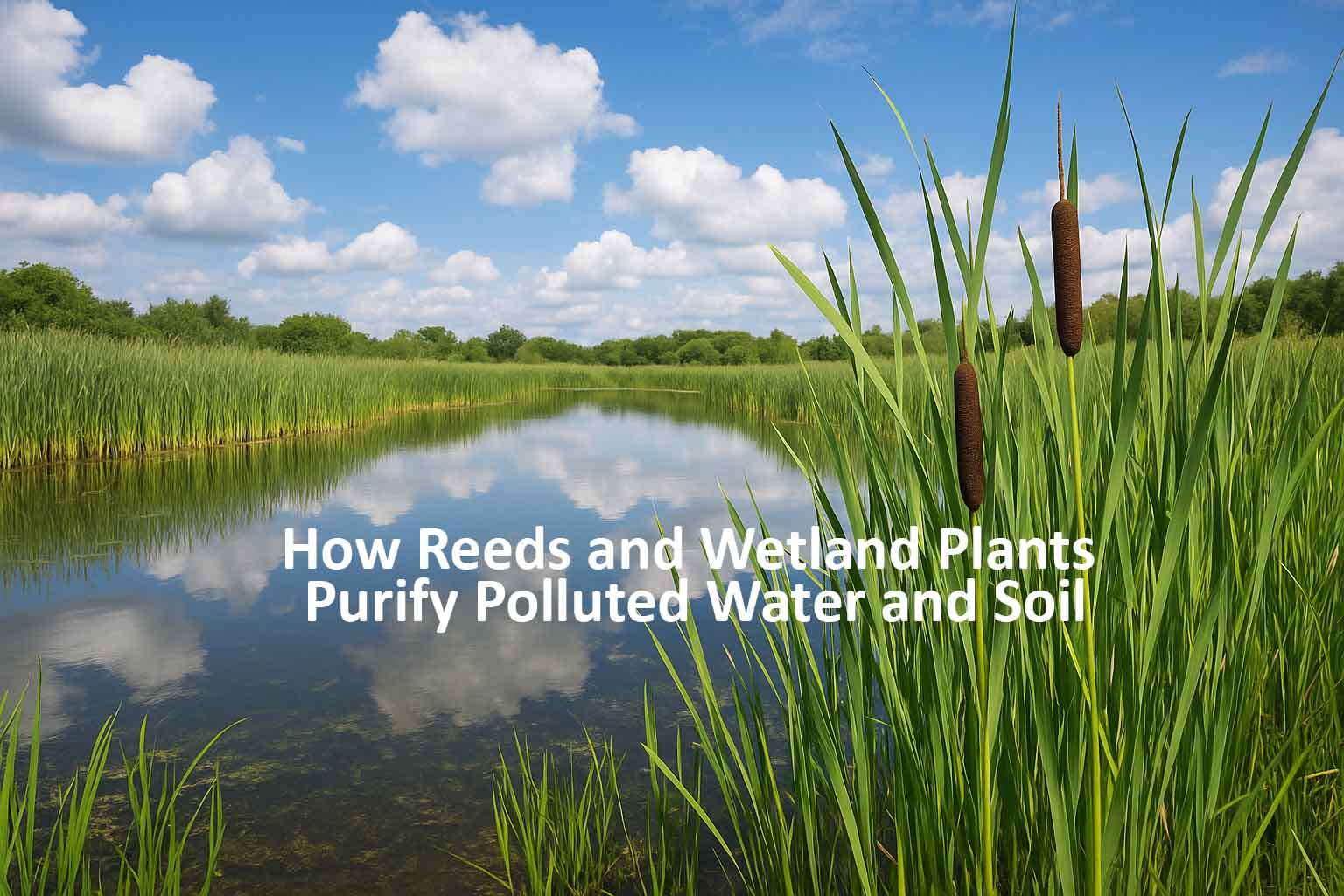
While microbes and soils handle much of the hidden work, plants are the visible heroes of wetland purification.
Nutrient Uptake Through Root Systems
Emergent and submerged aquatic plants absorb nitrogen and phosphorus directly from water and sediment. These nutrients become incorporated into plant tissue as part of the growth cycle.
Common nutrient-absorbing species include:
– Cattails
– Bulrushes
– Water hyacinth (effective but invasive in some regions)
– Pickerelweed
During peak growing season, uptake rates are highest, making timing important for treatment efficiency.
Why Biomass Removal Locks In Purification Gains
To ensure nutrients don’t return to the system, plant biomass must be harvested and removed. If plants die and decompose in place, nitrogen and phosphorus release back into the water.
In managed wetlands treating wastewater, regular harvesting locks in purification gains. In natural systems, some recycling occurs, but overall plant uptake still results in net nutrient reduction.
Recharge Groundwater and Prevent Flooding
Wetlands don’t just clean water; they regulate it, playing a vital role in water security.
Slow Release Recharges Underground Aquifers
After filtering and storing water, wetlands allow it to percolate downward into the ground. This recharges aquifers, the underground reservoirs that supply wells and springs. During dry seasons, this stored water maintains base flow in rivers and keeps community taps running.
Without wetlands, rain runs off too quickly, leaving less water to replenish groundwater supplies.
Natural Flood Buffers Absorb Stormwater
Wetlands act like sponges during storms, absorbing excess rainwater and reducing flood peaks downstream. A single acre of wetland can store over a million gallons of floodwater.
This service saves billions in flood damage annually. Replacing this function with concrete retention basins costs far more and delivers less effective results.
Drought Resilience Through Water Storage
By holding water and releasing it slowly, wetlands buffer against drought. Peatlands and marshes store vast quantities, acting as natural reserves during dry spells. This sustained flow supports agriculture, drinking water, and hydropower when surface sources dwindle.
Protect Coasts and Prevent Saltwater Intrusion
Coastal wetlands, especially mangroves and salt marshes, provide unique purification and protection services.
Dissipating Storm Surge Energy
These ecosystems form dense root mats that absorb wave energy. They reduce storm surge height and velocity, protecting inland communities from hurricanes and flooding.
For every 2.7 miles of mangrove forest, storm surge can be reduced by up to 66%.
Filtering Coastal Runoff
Like inland wetlands, coastal systems trap sediments and pollutants from land-based runoff before they reach coral reefs, seagrass beds, and estuaries.
Blocking Saltwater Intrusion Into Freshwater Supplies
Healthy coastal wetlands stabilize shorelines and maintain freshwater pressure, preventing saltwater intrusion into aquifers. As sea levels rise, this function becomes even more critical for protecting drinking water sources used by millions.
Cost Less Than Treatment Plants
One of the most compelling reasons to protect wetlands is economic: they deliver what expensive infrastructure does, but better and cheaper.
Nitrogen Removal: Nature vs. Engineering
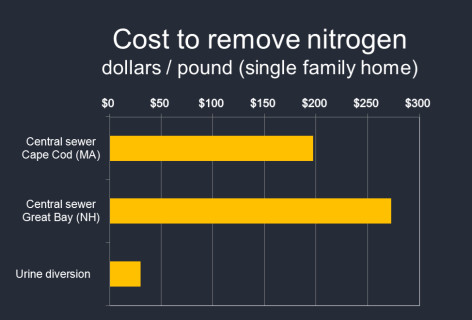
Consider the cost of removing nitrogen from water entering the Chesapeake Bay:
– Wastewater treatment plant upgrade: $8.56 per pound of nitrogen
– Restored forested wetland buffer: $3.10 per pound of nitrogen
That’s less than half the cost for the same environmental benefit.
Billions Saved in Infrastructure Investment
The U.S. Environmental Protection Agency estimates that upgrading wastewater facilities to meet demand between 2007 and 2026 would cost $298 billion to $335 billion. Investing in wetland restoration could offset a significant portion of this burden.
Communities that protect existing wetlands and restore degraded ones gain:
– Lower water treatment costs
– Reduced flood damage
– Enhanced biodiversity
– Carbon sequestration benefits
It’s a multi-benefit solution that pays for itself.
Fight the Global Water Crisis
Despite their value, wetlands are disappearing at alarming rates.
35% of Wetlands Lost Since 1970
Globally, 35% of wetlands vanished between 1970 and 2015, and the rate of loss is accelerating, especially in Asia. Urban development, agriculture, and drainage projects continue to destroy these ecosystems.
Consequences include:
– Poorer water quality
– Increased flooding
– Drier aquifers
– More frequent algal blooms
The Freshwater Challenge Initiative
To reverse this trend, the Freshwater Challenge was launched as the largest restoration effort of its kind. Goals by 2030 include:
– Restoring 350 million hectares of wetlands
– Reviving 300,000 kilometers of rivers
Achieving this requires integrating wetlands into national climate and water policies, including Nationally Determined Contributions and National Action Plans.
Protecting wetlands isn’t just environmentalism; it’s water security for future generations.
Restore What Has Been Lost
The encouraging news is that wetlands can be brought back with proven results.
Successful Restoration Projects Worldwide
- Florida Everglades: A $10.5 billion project aims to restore natural flow and improve water quality across 18,000 square miles
- China’s Yellow River Delta: Constructed wetlands now treat agricultural runoff while supporting bird populations
- Urban green infrastructure: Cities like Portland and Philadelphia use constructed wetlands to manage stormwater naturally
Keys to Effective Restoration
- Reconnect hydrology to restore natural water flow patterns
- Replant native vegetation adapted to local conditions
- Control invasive species before they dominate
- Monitor performance by tracking water quality improvements over time
Even small-scale projects like backyard rain gardens or farm buffer strips contribute to the larger goal.
Frequently Asked Questions About Wetland Water Purification
What percentage of sediments can wetlands remove from water?
Wetlands can remove up to 90% of sediments from stormwater runoff. This high efficiency comes from dense vegetation that slows water flow, allowing suspended particles like silt, clay, and attached pollutants to settle out before water continues downstream.
How do wetlands remove nitrogen from water?
Wetlands remove nitrogen through denitrification, a microbial process in saturated, oxygen-poor soils. Specialized bacteria convert harmful nitrates into nitrogen gas, which harmlessly releases into the atmosphere. This permanently removes nitrogen from the water system.
Can wetlands filter heavy metals and toxins?
Yes, wetland plants like cattails and bulrushes absorb heavy metals such as lead, mercury, cadmium, and zinc through their roots. These contaminants become stored in plant tissue. Additionally, wetland soils break down herbicides and industrial toxins through chemical reactions and microbial activity.
Are wetlands cheaper than wastewater treatment plants?
Restored forested wetland buffers cost $3.10 per pound of nitrogen removed, compared to $8.56 per pound for wastewater treatment plant upgrades. That’s less than half the cost for the same environmental benefit, making wetland protection highly cost-effective.
How much wetland has been lost globally?
Approximately 35% of the world’s wetlands were lost between 1970 and 2015. The rate of loss has accelerated since 2000, with Asia experiencing particularly high destruction. This loss undermines water purification, flood control, and climate resilience worldwide.
Can destroyed wetlands be restored?
Yes, wetlands can be successfully restored through projects like the Florida Everglades restoration ($10.5 billion initiative) and China’s Yellow River Delta constructed wetlands. Effective restoration requires reconnecting hydrology, replanting native species, controlling invasives, and monitoring water quality over time.
Key Takeaways for Understanding How Wetlands Purify Water
Wetlands purify water through an integrated system of physical, biological, and chemical processes. They slow runoff to trap sediments (removing up to 90% of particles), host microbes that convert harmful nitrates into harmless nitrogen gas, and use iron- and aluminum-rich soils to bind phosphorus permanently. Plants absorb nutrients and heavy metals, while soil chemistry breaks down synthetic toxins from agricultural and urban runoff.
Beyond filtration, wetlands recharge groundwater, prevent flooding, buffer coastal communities from storm surge, and block saltwater intrusion. They deliver all these services at a fraction of the cost of engineered treatment plants, saving billions in infrastructure expenses while providing superior results.
The urgency is clear: with 35% of wetlands already lost since 1970, protecting and restoring these ecosystems is essential for water security. Support wetland conservation efforts in your region, advocate for policies that integrate wetlands into climate and water planning, or consider installing a rain garden on your property. Every action that protects wetlands protects the clean water we all depend on.