Does Reverse Osmosis Remove Rust From Water?
You’ve noticed reddish-brown stains on your sinks and a metallic taste in your morning coffee. The culprit is almost certainly iron in your water, and you’re wondering if a reverse osmosis system can solve the problem. The short answer is yes, but only under specific conditions that most homeowners overlook.
Understanding how RO handles rust can save you hundreds of dollars in premature filter replacements and membrane damage. In this guide, you’ll learn exactly when reverse osmosis works for rust removal, when it fails, and how to protect your system from costly breakdowns.
How Reverse Osmosis Filters Out Iron and Rust

Reverse osmosis pushes water through a semi-permeable membrane with microscopic pores around 0.0001 microns wide. Since iron particles and dissolved iron ions are far larger than water molecules, the membrane physically blocks them from passing into your drinking glass.
Iron Removal Efficiency Rates
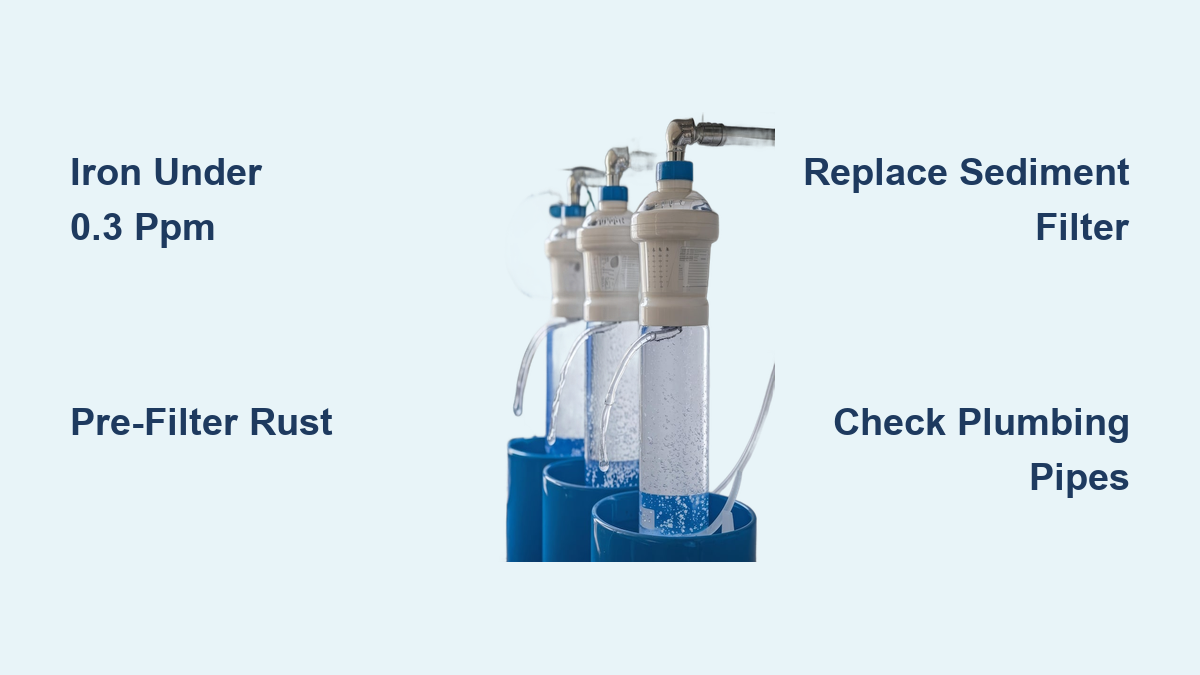
An RO system can remove up to 98% of dissolved iron when concentrations stay below 0.3 ppm. This includes both ferrous iron (clear-water form) and ferric iron (the visible reddish-brown rust) that has been caught by your sediment pre-filter.
Once iron levels climb above that 0.3 ppm threshold, efficiency plummets:
– Iron accumulates on the membrane surface
– A coating forms that blocks water flow
– The membrane becomes permanently scaled and must be replaced
Why Pre-Filtration Protects Your System
Before water ever touches the RO membrane, it passes through two critical pre-filters:
- Sediment filter (5–10 microns): Catches visible rust particles and debris
- Carbon filter: Removes chlorine and organic compounds that degrade the membrane
When iron levels run high, these pre-filters clog rapidly. A saturated sediment filter cannot protect the membrane, which leads to early system failure.
Pro Tip: Inspect your sediment filter every 3–6 months if you suspect iron. A reddish-brown sludge coating means rust is entering your system from aging pipes or well water.
When Reverse Osmosis Should Not Handle Rust
Just because RO can remove iron doesn’t mean it should be your primary defense. Using it on high-iron water creates expensive maintenance headaches.
The 0.3 ppm Iron Threshold

This is a hard technical limit, not a suggestion. Exceeding it causes:
– Rapid clogging of all filters
– Increased replacement frequency
– Permanent membrane scaling
– Reduced water production
For context, municipal water typically contains less than 0.3 ppm iron. Well water often runs between 1–5 ppm, making RO alone completely unsuitable for that application.
Warning Signs of High Iron Levels
Watch for these red flags in your home:
– Reddish-brown stains on sinks, toilets, or laundry
– Metallic taste in tap water
– Cloudy or discolored ice cubes
– Pre-filter discoloration within weeks of replacement
If you notice any of these, test your water before relying on an RO system.
Pre-Treatment Solutions for High-Iron Water
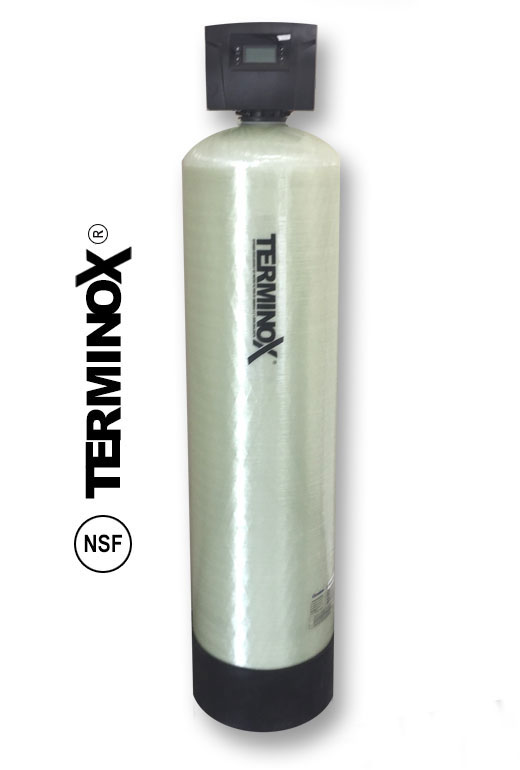
To use reverse osmosis safely with rust-prone water, you need point-of-entry pre-treatment that removes iron before it reaches your RO unit.
Install a Dedicated Iron Filter
Specialized iron filters use oxidation and filtration media to strip iron at the source. Popular options include:
– Terminox™ ISM filters: Use catalytic media to oxidize and trap iron without chemicals
– Aeration systems: Inject air to convert soluble iron into filterable particles
– Manganese greensand filters: Effective but require periodic regeneration with potassium permanganate
These systems reduce iron to safe levels below 0.3 ppm, protecting your membrane and extending system life.
Pair With a Water Softener for Hard Water
If your water is both hard and high in iron, you need both solutions:
– Hardness above 10 grains per gallon also damages RO membranes
– A water softener removes calcium, magnesium, and some iron via ion exchange
– Combining a softener with an iron filter ensures optimal feed water quality
Warning: Never install RO directly after a salt-based softener without a carbon block filter. Residual sodium and softener leakage can degrade the membrane.
Is Rust Inside Your RO Unit Normal?
No. Seeing rust in the filter housing, tubing, or on the membrane after just three months of use signals a real problem.
Common Causes of Internal Rust
Corroded upstream plumbing is the top culprit in city water homes. Old galvanized steel pipes release rust particles as they deteriorate. Even small amounts accumulate in the RO pre-filter housing over time.
The fix? Replace galvanized lines with PEX or copper piping from the main supply to your RO feed line.
Saturated pre-filters are another common cause. If sediment filters aren’t replaced every 6–12 months, they lose effectiveness and let rust bypass into the system.
Faulty components are rare but possible. Low-quality fittings or metal housings may corrode internally. Most modern units use non-corrosive plastic, so internal rust usually points to external contamination.
Diagnosing Rust in Your RO System
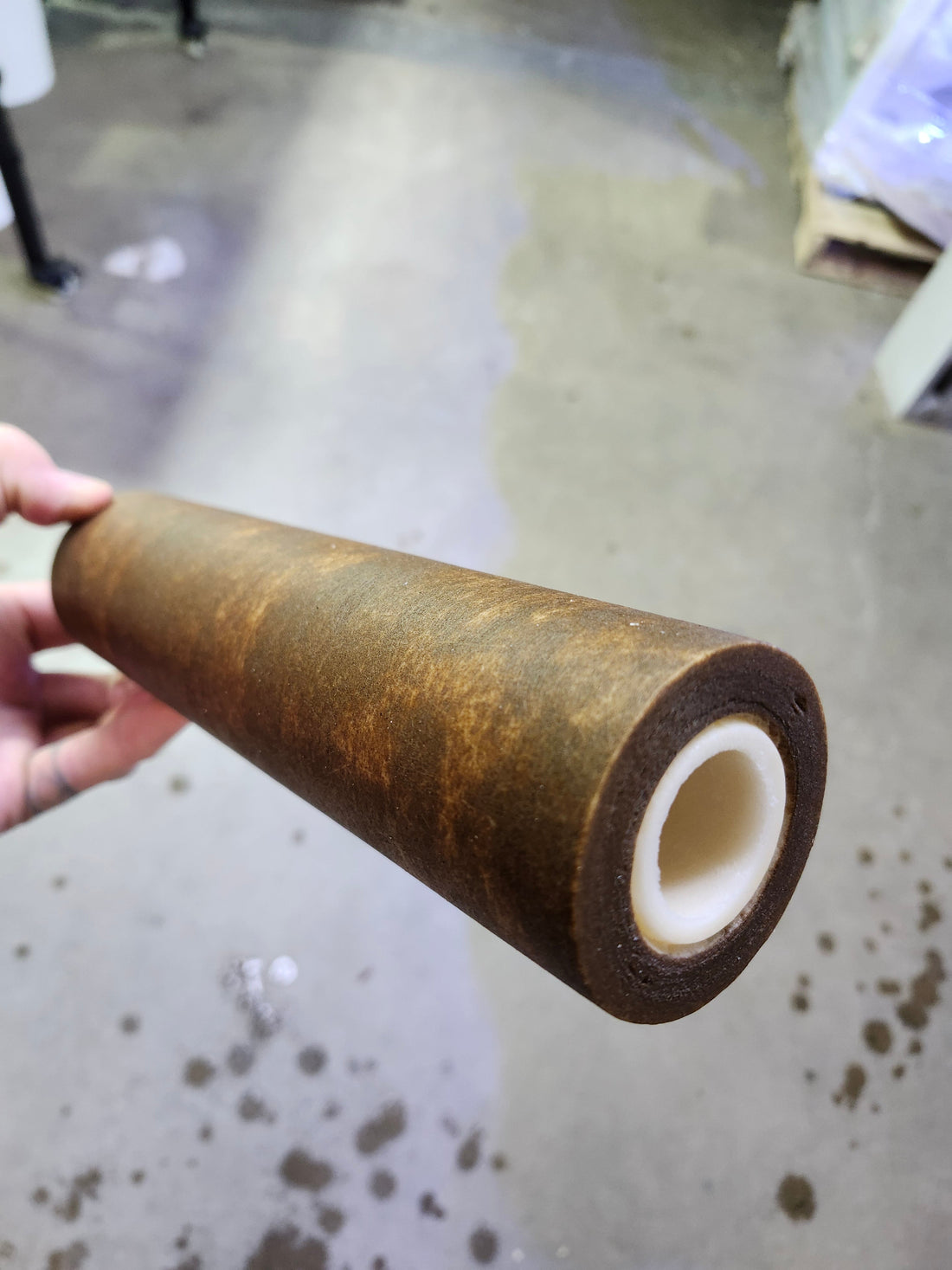
Follow this step-by-step process if you spot rust:
Check the Sediment Filter First
Remove and inspect the first filter in your system:
– Heavily stained with red or brown sludge? Source is upstream rust from plumbing or well water.
– Clean? Rust may be coming from inside the unit itself, which is uncommon.
Test Inlet vs. Outlet Water
Use a basic iron test kit to compare samples:
– Test water before the RO system from the under-sink line
– Test water after the RO system from the dedicated faucet
If inlet water shows iron but outlet doesn’t, your RO is working but under stress.
Evaluate Your Home Plumbing
Ask yourself these questions:
– Is your home built before 1980?
– Are pipes made of galvanized steel?
– Do other fixtures show rust stains?
If you answered yes to any of these, pipe replacement may be necessary.
Can RO Remove Iron Bacteria?
Iron bacteria thrive in iron-rich environments and produce slimy, rust-colored biofilms. While RO membranes can reduce bacteria, they are not reliable for eliminating iron bacteria specifically.
Risks of Iron Bacteria in RO Systems
- Forms sticky sludge that clogs pre-filters faster than iron alone
- Can colonize inside tubing and storage tanks
- May survive and grow in stagnant water
Recommended Treatment for Iron Bacteria
For confirmed iron bacteria contamination:
1. Shock chlorinate the well or plumbing system
2. Install a UV sterilizer at the point of entry
3. Use a backwashing iron filter to remove both iron and dead bacteria
An RO system can then serve as a final polishing step for your drinking water.
What Else Does Reverse Osmosis Remove?
Beyond rust and iron, RO provides broad-spectrum purification for your household.
Contaminants Removed at High Rates
- Sodium: up to 98%
- Nitrates: 95%
- Lead: 98%
- Chlorine: 99%
- Pharmaceuticals: 90–98%
- Total dissolved solids: 95–98%
RO also strips beneficial minerals like calcium and magnesium. Some homeowners add a remineralization filter to restore pH balance and improve taste.
Optimizing Your RO System for Longevity
Protect your investment with proper sizing, maintenance, and operating conditions.
Choose the Right Membrane Size
The 50 GPD (gallons per day) membrane offers the best balance for most households. Membranes rated below 50 GPD refill too slowly, while higher ratings sacrifice contaminant rejection for faster flow.
Maintain Proper Water Pressure
RO systems need 40–60 psi feed pressure to function efficiently. Low pressure from well systems may require a booster pump to operate properly.
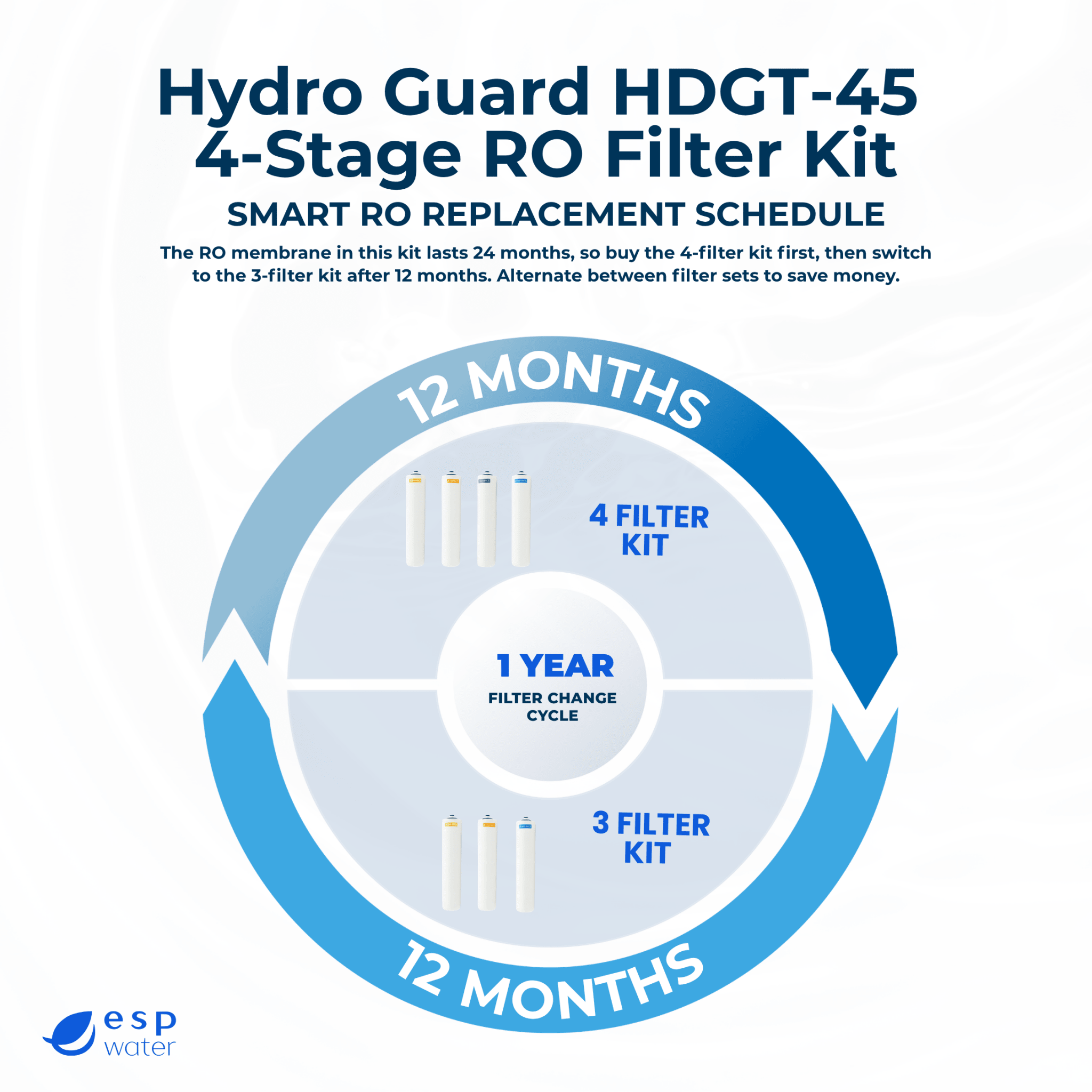
Replace Filters on Schedule
- Sediment filter: every 6 months
- Carbon block filter: every 6–12 months
- RO membrane: every 2–3 years
- Remineralization filter: every 12 months (if used)
Set calendar reminders to avoid missing these critical intervals.
How Much Waste Water Does RO Produce?
Modern RO systems produce about 1 gallon of wastewater for every 1 gallon of purified water. This waste only occurs when filling the storage tank or dispensing water from the faucet.
For a family using 3 gallons per day, that’s just 3 gallons of wastewater, which is less than a single 5-minute shower uses.
Newer systems with permeate pumps or zero-waste designs can reduce this further, though they may sacrifice flow rate.
Should You Install Whole-House Reverse Osmosis?
Generally, no. Reverse osmosis works best as a point-of-use system for drinking and cooking water at specific taps.
Why Whole-House RO Is Not Recommended
- Requires massive commercial-grade equipment
- Needs large storage tanks and re-pressurization pumps
- Extremely expensive to install and maintain
- Produces acidic water that can corrode plumbing if distributed throughout the house
Instead, use point-of-entry iron and hardness filters for whole-house protection, then install RO under the kitchen sink for purified drinking water.
Connecting RO to Your Refrigerator or Ice Maker
Most RO systems can supply purified water to kitchen appliances with a dedicated connection kit.
What You’ll Need
A standard RO-to-refrigerator kit includes 30 feet of food-grade tubing and a saddle valve. This connects from the RO storage tank to your fridge water line.
Benefits of Connection
- Crystal-clear ice cubes with no cloudiness
- Better-tasting water from the dispenser
- Prevents mineral buildup in the ice maker
Warning: Never connect RO water to hot water lines. Temperatures above 100°F destroy the membrane.
Frequently Asked Questions About Reverse Osmosis and Rust
Does reverse osmosis remove rust from well water?
Yes, but only if iron levels stay below 0.3 ppm. Most well water exceeds this threshold, so you’ll need an iron filter installed before the RO unit to prevent membrane damage.
How much iron can reverse osmosis handle?
RO systems can safely process water with iron concentrations up to 0.3 ppm. Above this level, iron fouls the membrane, clogs pre-filters, and shortens system lifespan significantly.
Why is there rust in my RO filter after only three months?
Rust appearing this quickly indicates upstream plumbing corrosion or saturated pre-filters. Check galvanized steel pipes in older homes and replace sediment filters on schedule.
Can iron bacteria survive reverse osmosis filtration?
Iron bacteria can survive RO treatment and may even colonize inside the system. Shock chlorination and UV sterilization are recommended before relying on RO for bacterial control.
Should I use RO if my water has high iron?
Not without pre-treatment. Install a dedicated iron filter at the point of entry to reduce iron below 0.3 ppm before water reaches your RO membrane.
Does reverse osmosis remove beneficial minerals along with iron?
Yes, RO strips up to 98% of all minerals, including calcium and magnesium. A remineralization cartridge can restore these if desired, though most health experts consider diet the primary mineral source.
Key Takeaways for Removing Rust With Reverse Osmosis
Reverse osmosis effectively removes rust and dissolved iron when source water contains less than 0.3 ppm iron. The membrane blocks iron particles and ions, delivering up to 98% removal in ideal conditions.
However, RO should never serve as your primary defense against high-iron water. Levels above 0.3 ppm damage membranes, clog filters, and create costly maintenance problems. For well water or homes with corroded galvanized pipes, install a dedicated iron filter upstream of your RO unit.
Rust appearing inside your RO system after a few months always signals a problem, whether it’s aging plumbing, neglected filter changes, or component failure. Address these issues promptly to protect your investment.
Start with a water test to determine your actual iron levels. Then pair your RO system with the right pre-filtration to enjoy clean, safe drinking water and a long-lasting system.