How Silver Coins Purify Water: Quick Steps

You’ve probably heard the old survival tip: drop a silver coin in your water to keep it clean. But how does a silver coin purify water? It’s not magic. It’s science. The answer lies in the oligodynamic effect, a powerful natural process where tiny amounts of metal ions, especially silver (Ag+), destroy harmful microbes. When a pure silver coin is placed in water, it slowly releases silver ions that attack bacteria, viruses, and fungi at the cellular level, making the water safer to drink over time.
This method isn’t new. It’s ancient. Civilizations from the Greeks to American pioneers used silver vessels or coins to preserve water and prevent spoilage, long before germ theory existed. Today, we understand the mechanism: silver ions disrupt pathogens by puncturing cell walls, blocking metabolism, and damaging DNA. While modern filters and chemicals act faster, silver offers a low-tech, long-term solution ideal for water storage and emergency preparedness.
How Silver Ions Destroy Pathogens
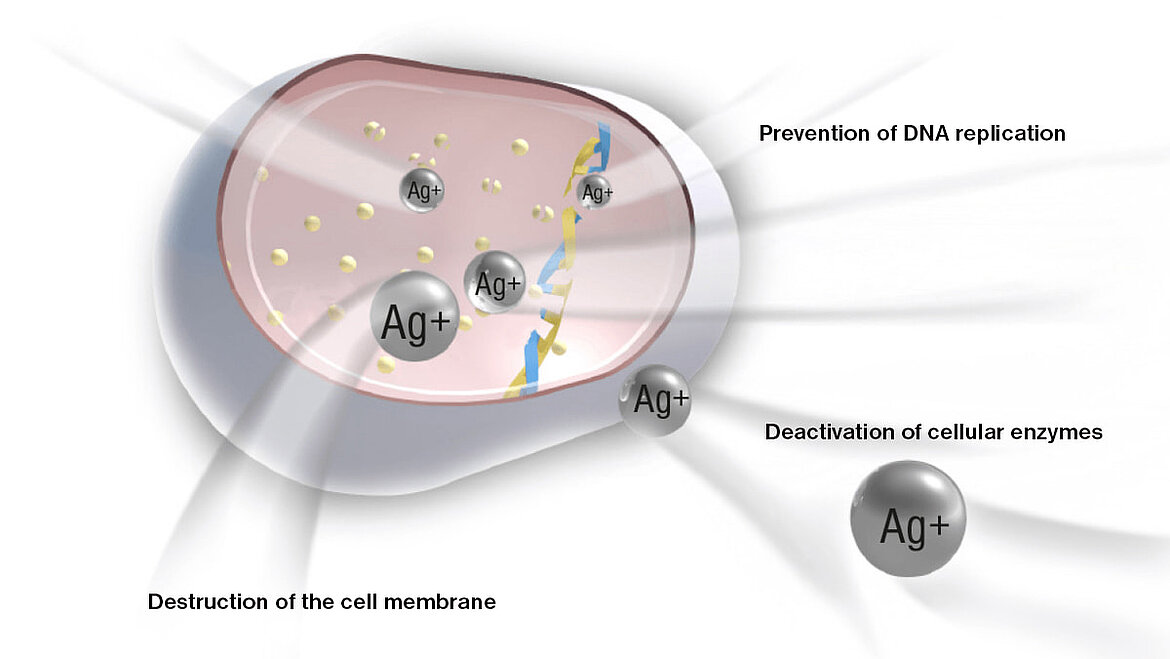
Breaks Down Bacterial Cell Walls
When a silver coin sits in water, it releases positively charged silver ions (Ag+). These ions are drawn to the negatively charged surfaces of bacteria like E. coli and Salmonella. Upon contact, they bind to the outer membrane, weakening its structure. This causes the cell wall to become porous, allowing vital fluids and proteins to leak out. Without structural integrity, the microbe collapses and dies through a process called lysis.
Disables Microbial Metabolism
Even if the cell wall isn’t fully breached, silver ions can penetrate inside. Once inside, they latch onto essential enzymes responsible for energy production and nutrient processing. By deactivating these enzymes, silver cuts off the pathogen’s ability to feed itself. This metabolic shutdown halts the organism’s activity within minutes to hours, depending on concentration and temperature.
Blocks DNA Replication
Silver ions also bind directly to microbial DNA and RNA. This prevents the pathogen from replicating, even if it isn’t killed outright. Without reproduction, an infection cannot spread. This is particularly effective against viruses, which rely entirely on host cells to multiply. By locking up their genetic material, silver stops viruses from hijacking human cells, reducing the risk of illness.
Suffocates Microorganisms
Beyond structural and genetic attacks, silver ions interrupt the oxygen exchange process in microorganisms. This effectively suffocates them, adding another layer of antimicrobial action. This mechanism makes silver a potent natural preservative, capable of inhibiting bacterial and fungal growth over extended periods.
Ancient Use, Modern Science
Pioneers, Romans, and Silver Water Storage
Long before labs confirmed silver’s germ-killing power, people noticed water stayed fresher in silver containers. The Romans and Greeks stored wine and water in silver vessels during travel. American pioneers dropped silver dollars into water barrels to prevent souring in the hot sun. Nomadic tribes placed silver coins in canteens during desert crossings, knowing it delayed spoilage. These weren’t superstitions. They were practical observations of antimicrobial action in real time.
NASA and Hospitals Use Silver Today
Modern science hasn’t replaced silver. It’s upgraded it. NASA uses silver-based systems to purify water on spacecraft, where resupply isn’t an option. Hospitals and cruise ships use silver in cooling towers and water lines to prevent Legionella outbreaks. Commercial airliners rely on silver-treated water systems to keep drinking water safe mid-flight. These high-stakes environments trust silver because it prevents microbial regrowth over time.
What Silver Can and Can’t Kill

Kills Bacteria and Viruses Effectively
Silver is highly effective against bacteria like E. coli, Salmonella, and Vibrio cholerae. It also neutralizes many viruses, including norovirus and hepatitis, by disrupting their outer proteins and genetic code. In clear water with sufficient contact time, silver ions achieve significant pathogen reduction, making water much safer for drinking.
Fails Against Giardia and Cryptosporidium
Silver does not reliably kill protozoan cysts like Giardia lamblia and Cryptosporidium. These parasites have tough outer shells that resist silver ion penetration. Even after extended contact, many cysts remain viable. Relying on silver alone in backcountry streams or lakes risks severe gastrointestinal illness. A mechanical filter (0.1 to 1 micron) or boiling is required to remove these threats.
Does Nothing for Chemicals or Sediment
Silver is not a filter. It won’t remove pesticides, heavy metals, chlorine, or sediment. If water is cloudy, foul-smelling, or comes from industrial runoff, silver won’t make it safe. Always pre-filter murky water through cloth or a ceramic filter before using silver treatment. Otherwise, organic matter will bind the ions, reducing their effectiveness.
How to Use a Silver Coin Safely
Choose Only Pure Silver Coins
Not all silver coins work. Silver-plated coins are dangerous because the plating can flake, releasing toxic metals like copper or nickel. Only solid .999 fine silver coins (like American Silver Eagles or 1 oz bullion) are safe. Use these tests to verify:
- Magnet test: Real silver isn’t magnetic. If the coin sticks, it’s fake.
- Nitric acid test: A drop on a scratch mark won’t discolor pure silver but will turn plated coins green or cloudy.
- Ring test: Gently tap the coin. It should produce a high-pitched ring, not a dull thud.
Clean and Prepare the Coin
Before first use, wash the coin with mild soap and water or soak it in white vinegar for 5 minutes to remove oils, tarnish, or residues. Rinse thoroughly with clean water. This ensures maximum ion release and prevents contamination.
Dosage and Contact Time

Use 2–6 Grams Per Liter
A general rule: use 2 grams of silver per gallon (3.8 liters) of water. For a 1-liter bottle, a 3 to 6 gram piece of silver is ideal. A standard 1 oz (28.35 g) silver coin can treat up to 14 liters. Smaller coins or silver wire can be cut to size for precise dosing.
Wait at Least 4–12 Hours
Silver works slowly. For basic disinfection:
- Minimum: 2 to 4 hours in warm water (70°F/21°C+)
- Recommended: 8 to 12 hours (overnight) for full pathogen reduction
- Cold water (<50°F/10°C): Extend to 24 hours due to slower ion release
Never drink water immediately after adding the coin. Patience is critical. Rushing defeats the purpose.
Best Uses and Limitations
Ideal for Long-Term Water Storage
Silver shines in long-term storage. Place a clean silver coin in a 55-gallon drum of treated water, seal it, and store in a cool, dark place. The silver prevents biofilm, algae, and bacterial growth for 12 to 24 months. This makes it perfect for emergency preparedness, off-grid living, or backup water supplies.
Not for Real-Time Backcountry Purification
Don’t rely on a silver coin as your primary backcountry filter. It’s too slow and ineffective against protozoa. Instead, use it as a secondary treatment after filtering or boiling. Once water is mechanically cleaned, adding silver prevents recontamination during storage in camp or transport.
Avoid in Hydration Packs
Never drop a silver coin into a camelback or hydration bladder. It’s hard to retrieve, can damage the liner, and may not circulate properly. Use silver-impregnated filters or ionic drops instead for on-the-go protection.
Safety: Argyria and Toxicity Risks
Argyria Is Rare But Real
The biggest fear with silver is argyria, a permanent blue-gray skin discoloration caused by silver buildup. However, this only happens with long-term, high-dose exposure, like drinking homemade colloidal silver daily for years. The tiny amount released by a coin in water is far below dangerous levels. Short-term or occasional use poses extremely low risk.
Safer Than Copper, But Not Risk-Free
Unlike copper, which can cause nausea and liver damage at low levels, silver has low acute toxicity. The EPA allows up to 100 micrograms of silver per liter in drinking water. A silver coin typically releases 5 to 50 µg/L, well within safe limits. Still, avoid daily lifelong consumption without monitoring.
Modern Alternatives to Coins
Silver-Impregnated Ceramic Filters
Many high-end portable filters use ceramic elements infused with silver. As water passes through, the silver prevents bacteria from growing on the filter itself, extending its life and preventing mold. This combines mechanical filtration with microbial protection, ideal for humid environments.
Ionic Silver Drops and Tablets
Silver ion drops deliver a precise dose of Ag+ ions. Just a few drops per liter can purify water in 4 hours. Some tablets combine silver with chlorine dioxide for broader protection. These are faster and more reliable than coins, especially for travel.
Nanotech: The Future of Silver Purification
Stanford researchers have created a silver nanowire and carbon nanotube filter that uses a 9-volt battery to electrify the silver. This boosts ion release, killing 98% of E. coli in one pass. This tech could revolutionize water treatment in remote areas and emergency zones.
Strategic Use in Survival

Tiered Water Treatment Plan
For maximum safety, follow this three-step approach:
- Filter first: Use a 0.1-micron filter to remove Giardia, sediment, and bacteria.
- Treat with silver: Add silver ions (coin, wire, or drops) to kill viruses and prevent regrowth.
- Store safely: Keep in opaque, food-grade containers away from light and heat.
This combo leverages silver’s strengths while covering its weaknesses.
Common Mistakes to Avoid
- Using plated coins increases risk of heavy metal poisoning.
- Skipping pre-filtration means silver fails in cloudy water.
- Drinking too soon means insufficient contact time.
- Assuming it kills everything leaves you unprotected from protozoa.
Avoid these errors, and silver becomes a powerful tool.
Frequently Asked Questions About Silver Coin Water Purification
Does a silver coin actually purify water?
Yes, but slowly. A pure silver coin releases antimicrobial silver ions (Ag+) into water through the oligodynamic effect. These ions kill bacteria and viruses by damaging cell walls, disrupting metabolism, and blocking DNA replication. However, the process takes hours and won’t eliminate all pathogens, especially protozoa.
How long does it take for a silver coin to purify water?
For basic bacterial reduction, allow at least 2 to 4 hours in warm water. For full pathogen reduction and safer drinking, 8 to 12 hours (overnight) is recommended. In cold water below 50°F (10°C), extend the contact time to 24 hours because ion release slows significantly.
Can a silver coin kill Giardia or Cryptosporidium?
No. Silver ions cannot penetrate the hard outer shells of protozoan cysts like Giardia and Cryptosporidium. Even after 24 hours, many cysts remain viable. You must use a mechanical filter (0.1 to 1 micron) or boiling to remove these parasites. Silver alone is not sufficient.
Is it safe to drink water purified with a silver coin?
Yes, when done correctly. The silver concentration released by a pure silver coin (5 to 50 µg/L) falls well below the EPA’s safety limit of 100 µg/L. However, only use solid .999 fine silver. Silver-plated coins can release toxic metals like copper or nickel, which are harmful.
Can I use a silver coin in my hydration pack or water bottle?
You can place a silver coin in a standard water bottle, but avoid using one in hydration bladders. The coin is hard to retrieve and may damage the bladder’s internal lining. For hydration packs, use silver-impregnated filters or ionic drops designed for portable use.
Will a silver coin remove chemicals or heavy metals from water?
No. Silver is a biological disinfectant, not a filter. It does not remove pesticides, chlorine, heavy metals, or sediment. For chemically contaminated or turbid water, you must pre-filter through activated carbon or ceramic, or use a specialized purification system.
Key Takeaways for Using Silver Coins to Purify Water
A silver coin purifies water by slowly releasing antimicrobial silver ions that destroy bacteria and viruses through cell wall damage, metabolic shutdown, and DNA disruption. It’s a time-tested method rooted in ancient practice and confirmed by modern science. While not fast or broad-spectrum enough for standalone wilderness use, it excels as a long-term water preservative and secondary disinfectant.
When used with proper filtration and adequate contact time, silver becomes a safe, reliable addition to any emergency or off-grid water strategy. Just remember: silver is a supplement, not a shortcut. Pair it with mechanical filtration, respect its limits regarding protozoa and chemicals, and you’ll have a resilient system for clean water anywhere. Start by verifying your coin’s purity today and testing it on stored water to build confidence in this ancient survival technique.