Fix Reverse Osmosis Water Filter Noise
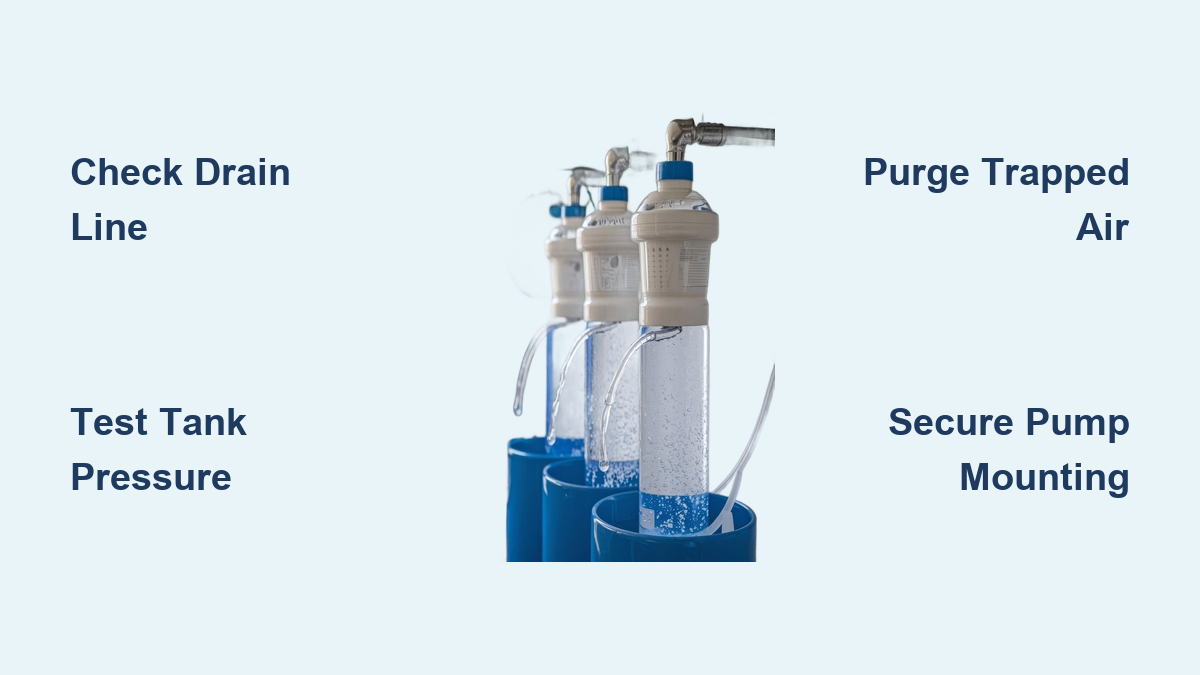
If your reverse osmosis water filter making noise has started disturbing your kitchen peace, you’re not alone. Many homeowners are surprised to hear humming, gurgling, chirping, or even banging from their RO system, especially when it used to run silently. While some soft operational sound is normal, abnormal noise usually signals a fixable issue. The good news is that over 90% of noisy RO problems can be resolved with simple checks and inexpensive parts, often without calling a plumber.
This guide breaks down exactly why RO systems make noise, how to diagnose the sound by type, and step-by-step fixes for each cause. From a loose flow restrictor to an over-pressurized tank, you’ll learn how to silence your system fast, often for under $5. You’ll also discover how to prevent future issues and what to do if you own a newer silent model that has suddenly become loud.
Identify the Noise Type First
Match Sound to Source
Before disassembling anything, listen carefully to what your system is telling you:
- Loud vibrating or banging? → Likely drain line issue
- Chirping or croaking? → Tank pressure or flow restrictor problem
- Gurgling or bubbling? → Trapped air or leak
- Humming or roaring? → Pump vibration or resonance
- Knocking after shutdown? → Water hammer or shutoff valve failure
Pinpointing the sound type steers you to the right fix fast.
Loud Vibrating or Banging: Check the Drain Line Reducer

Missing Flow Restrictor Causes Chaos
A violent vibrating or banging noise typically stems from the drain line flow restrictor, a small red plastic piece inside the bright red drain tube. If it is missing, loose, or not seated properly, high-pressure wastewater surges uncontrolled, making the tube whip and bang against the cabinet.
How to Diagnose:
- Locate the red drain line exiting your RO system.
- Disconnect it and pull it out fully.
- Shine a light inside. Is there a solid plastic reducer?
– If empty or rattling loose, this is your culprit.
How to Fix:
- Remove the old or loose reducer.
- Insert a new one firmly into the white fitting at the end of the drain line.
- Reconnect the red tube securely.
Pro Tip: Replacement restrictors cost under $5 and often come with Stage 2 filter kits. Use OEM or compatible brand-specific models such as iSpring, APEC, or Home Master.
This 5-minute fix stops 80% of loud RO noises.
Chirping or Croaking: Test Tank Pressure and Flow

High Tank Pressure Blocks Water Flow
If your system makes bird-like chirping or frog-like croaking sounds and the storage tank isn’t filling, the cause is likely an over-pressurized tank or a clogged flow restrictor.
Why It Happens:
The storage tank needs 5–7 PSI of air pressure when empty. If pressure exceeds 15 PSI, the internal bladder pushes back too hard, preventing incoming water from entering. The system runs but can’t fill the tank, causing erratic cycling and chirping.
How to Diagnose:
- After 2–3 hours of operation, lift the tank. If it is still light, it is not filling.
- Check the drain line. Is water flowing constantly? That means water is bypassing the tank.
- Use a tire pressure gauge on the tank’s air valve (under the cap).
- Over 15 PSI confirms over-pressurization.
How to Fix:
- Turn off water and open faucet to depressurize.
- Remove tank cap and attach gauge.
- If above 15 PSI, release air slowly using a bike pump nozzle or air compressor until it reads 5–7 PSI.
Warning: Never adjust tank pressure while the system is pressurized. Doing so risks injury or tank rupture.
Also Check:
- Replace the flow restrictor if clogged or damaged.
- Ensure the automatic shutoff (ASO) valve is closing properly.
Gurgling or Bubbling: Purge Air or Find Leaks
Air Trapped? Leak Present?
Gurgling or bubbling sounds usually mean air in the system or a hidden leak causing the RO to cycle repeatedly.
After Filter Change: Air Is Normal
If you recently replaced filters or the membrane, trapped air causes temporary gurgling.
Fix:
1. Turn off the system.
2. Open the RO faucet to release pressure.
3. Turn water back on and let the system run for 5–10 minutes to purge air.
Persistent Gurgling? Check for Leaks
If gurgling continues for hours, stops, then restarts without water use, a leak is dropping pressure and triggering the ASO valve.
How to Test:
1. Turn off the water supply.
2. Wait 30 minutes.
3. If gurgling resumes when turned back on, a leak exists, likely in tubing, fittings, or the membrane housing.
Fix:
– Inspect all connections for dampness.
– Tighten fittings or replace cracked tubing.
– Replace faulty ASO valve if it fails to shut off.
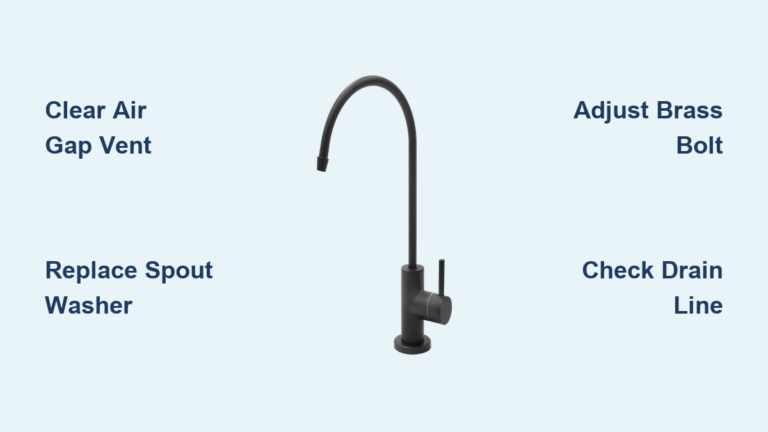
Air Gap Faucet Gurgling?
A faint crackle during use is normal. Loud or constant gurgling may mean:
– The small air gap drain tube is split.
– The flow restrictor is missing, increasing flow.
Fix: Replace damaged tubing sections or install the correct restrictor.
Pump Humming or Roaring: Stop Vibration
Pump Noise Amplified by Resonance
All RO pumps hum, but a loud roar means vibration is being amplified by your cabinet or plumbing.
Causes:
- Loose pump mounting
- Thin cabinet floor acting like a drum
- Tubing touching walls or pipes
- Failing booster pump (in tankless models)
How to Fix:
- Secure the Pump: Ensure it is tightly mounted. Tighten screws.
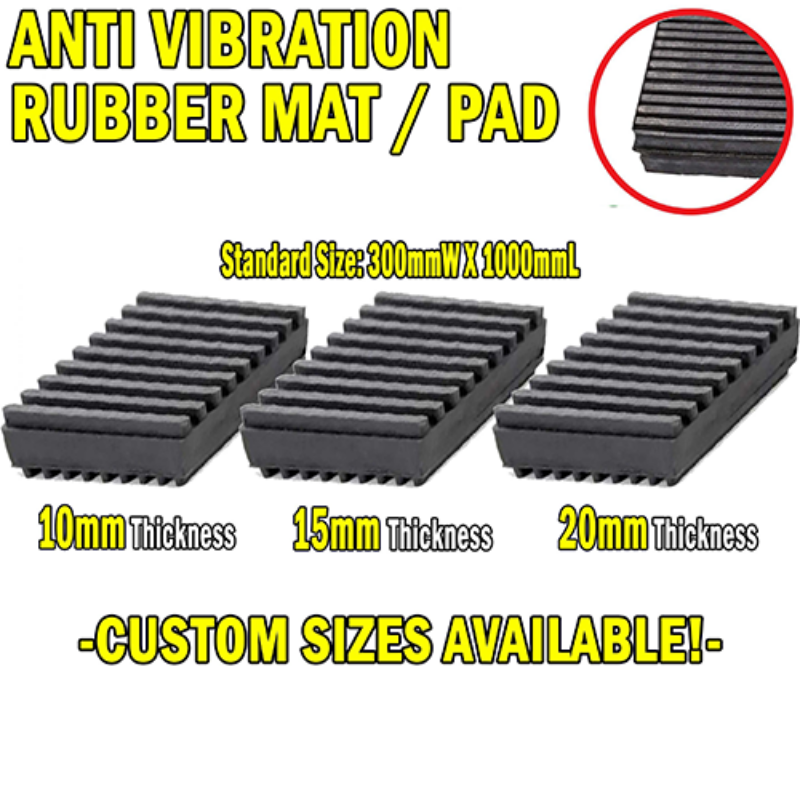
- Add Vibration Pads: Place rubber washers or anti-vibration mats under the pump and unit.
- Level the Unit: Make sure all rubber feet are touching the floor.
- Isolate Tubing: Use foam sleeves or rubber clamps to stop tubes from touching metal or wood.
- Avoid Sharp Bends: Route tubing smoothly with no kinks.
Pro Tip: Upgrade to an inverter pump model for quieter operation. These adjust speed to demand, reducing noise and wear.
Knocking or Banging After Shutdown: Water Hammer
Sudden Pressure Drop Causes Shock
A knocking sound when the system stops is water hammer, a pressure surge from sudden valve closure.
How to Fix:
- Install a water hammer arrestor near the RO feed line.
- Add a check valve to prevent backflow.
- Ensure household water pressure is under 80 PSI.
Test Incoming Pressure: Use a gauge on an outdoor spigot. If over 80 PSI, install a pressure reducing valve (PRV).
Turbulence Hissing?
Sharp whooshing or hissing comes from high-pressure water forcing through narrow paths.
Fix:
– Replace clogged pre-filters (sediment and carbon) every 6–12 months.
– Use properly sized tubing (1/4″ standard).
– Avoid sharp elbows in tubing runs.
Air Gap Faucet: Normal vs. Noisy
Gurgling Is OK, Hissing Isn’t
The air gap faucet prevents drain water from backing into your RO system. A faint gurgle during use is normal and safe.
When It’s a Problem:
- Loud, continuous gurgling
- Hissing or spitting
- Water pooling under sink
Causes:
– Split in the small air gap drain tube
– Missing flow restrictor
– Clogged air gap
Fix:
1. Turn off water.
2. Disconnect the small tube from the air gap body.
3. Inspect for cracks. Trim or replace.
4. Clean the air gap with a pipe cleaner.
5. Reconnect and test.
Never bypass the air gap. It is a critical safety feature. Disabling it risks sewer gas or bacteria entering your drinking water.
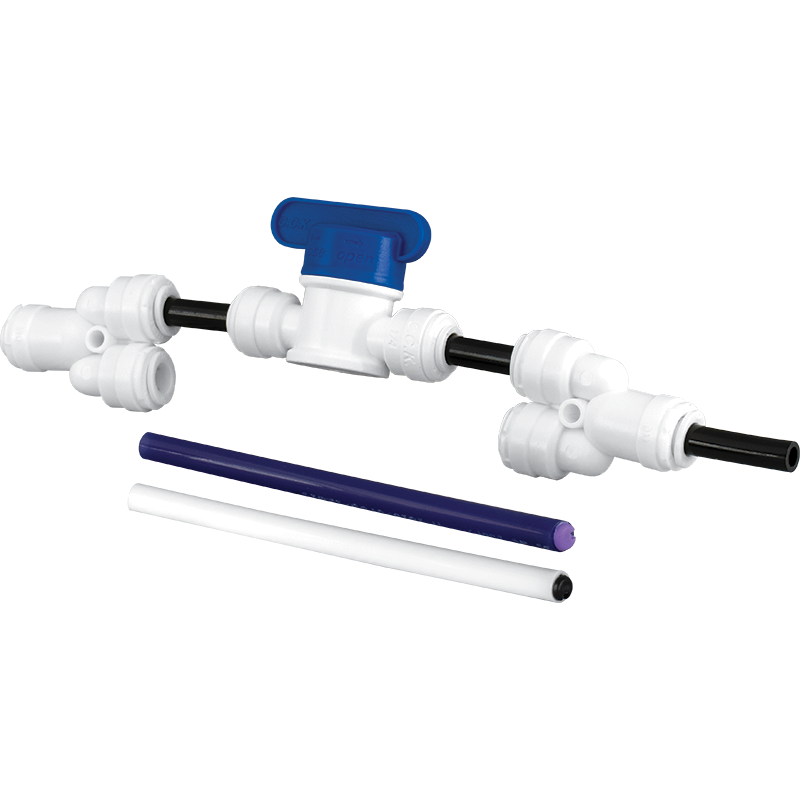
Flow Restrictor: The $5 Noise Killer
Why It Matters
The flow restrictor (or reducer) controls:
– Waste water volume
– Back-pressure on the membrane
– System efficiency
– Noise level
Failure Modes:
| Issue | Symptom | Fix |
|---|---|---|
| Missing | Violent vibration, loud hum | Insert new restrictor |
| Clogged | Tank won’t fill, chirping | Replace restrictor |
| Broken | Increased flow, louder noise | Replace immediately |
Replacement Steps:
1. Turn off water and power.
2. Disconnect drain line.
3. Remove old restrictor from white fitting.
4. Push new one in firmly.
5. Reconnect.
Note: Restrictors are model-specific (e.g., 300 GPD, 500 GPD). Match your system’s specs.
Storage Tank Pressure: 5–7 PSI Is Key
Too Much Air = No Water
An over-pressurized tank is a top cause of chirping and failed fills.
Ideal Pressure:
- Empty tank: 5–7 PSI
- Over 15 PSI: Tank won’t fill
- Too low: Reduced capacity, possible waterlogging
How to Check:
- Drain the tank completely (open faucet until stream stops).
- Remove cap from air valve on top.
- Attach tire pressure gauge.
- Adjust with bike pump or air compressor.
Maintenance Tip:
Check tank pressure once a year, especially if noise returns.
Silence Technology: What Modern Systems Do Differently
Why New RO Units Are Quieter
Premium RO systems use silence technology to reduce noise at the source.
Key Features:
- Inverter Pumps: Adjust speed, run quieter than fixed-speed models.
- Acoustic Foam Lining: Absorbs sound inside cabinet.
- Rubber Isolation Mounts: Prevent vibration transfer.
- Smooth Flow Paths: Wider tubing, fewer bends reduce turbulence.
- Smart Cycling: Avoids running at night.
Noise Levels:
– Standard RO pump: ~50 dB (like a quiet dishwasher)
– Silent models: As low as 35–40 dB (library-level quiet)
Upgrading may be worth it if noise is a dealbreaker, especially in open kitchens or home offices.
Maintenance Prevents Noise
A Clean System Is a Quiet System
Noise often starts when components age or clog. Prevent it with routine care.
Maintenance Schedule:
| Task | Frequency |
|---|---|
| Replace pre-filters (sediment and carbon) | Every 6–12 months |
| Replace RO membrane | Every 2–3 years |
| Sanitize system | Every 6–12 months |
| Check tank pressure | Annually |
| Flush system | Monthly (run faucet 10–15 min) |
Consequence of Neglect: Clogged filters force the pump to work harder, increasing strain, pressure, and noise.
When to Call a Pro
DIY Isn’t Always Enough
Try the fixes above first, but call a technician if:
– Pump makes grinding or screeching noises
– Membrane housing leaks
– ASO valve fails repeatedly
– Noise persists after all checks
Document First: Take clear photos of your system, labels, and components before calling. It speeds up diagnosis.
Frequently Asked Questions About RO System Noise
Why is my RO system suddenly so loud?
Sudden loud noise usually means a component shifted or failed. The most common causes are a dislodged drain line flow restrictor, an over-pressurized storage tank (above 15 PSI), or trapped air after a filter change. Start by checking the red drain tube for the restrictor and testing tank pressure with a gauge.
Is some noise normal for a reverse osmosis system?
Yes, a soft hum during filtration and faint gurgling from the air gap faucet are normal. Standard pumps operate around 50 dB, similar to a quiet dishwasher. Loud banging, chirping, or roaring indicates a problem that needs attention.
How do I fix a chirping sound from my RO tank?
Chirping typically means the tank is over-pressurized or the flow restrictor is clogged. Drain the tank, remove the air valve cap, and check pressure with a tire gauge. If above 15 PSI, release air until it reads 5–7 PSI. Also inspect the red drain line for a clogged or missing restrictor.
Can a clogged filter cause my RO system to make noise?
Absolutely. Clogged sediment or carbon pre-filters restrict water flow, forcing the pump to work harder and creating turbulence and humming. Replace pre-filters every 6–12 months to maintain quiet operation and protect the membrane.
What does it mean when my RO system gurgles constantly?
Constant gurgling usually signals trapped air or a leak. After filter changes, run the faucet for 5–10 minutes to purge air. If gurgling persists or restarts without water use, inspect all tubing and fittings for moisture and tighten or replace as needed.
How much does it cost to fix a noisy RO system?
Most noise fixes cost under $5. A replacement flow restrictor runs about $3–$5, and basic tools like a tire pressure gauge are inexpensive. Anti-vibration pads and replacement tubing are also low-cost. Professional service is only needed for pump or valve replacements.
Final Takeaways for a Silent RO System
Quick Recap
- No chirping? Check tank pressure (5–7 PSI when empty).
- No banging? Ensure flow restrictor is seated in drain line.
- No gurgling? Purge air after maintenance.
- No humming? Use vibration pads and secure tubing.
- No leaks? Inspect connections monthly.
Prevention Wins
- Replace filters on schedule.
- Never skip sanitizing.
- Keep tank pressure balanced.
- Upgrade to inverter pump if noise-sensitive.
Remember:
A reverse osmosis water filter making noise isn’t just part of the job. Most sounds mean something is wrong, and most are easy to fix. With the right steps, you can restore quiet, efficient filtration and enjoy clean water without the disturbance.
Final Note: Always prioritize safety. Never disable the air gap or modify pressurized components without shutting off water and power. When in doubt, consult a certified water treatment professional.