Chlorine Attack on RO Membranes Solved
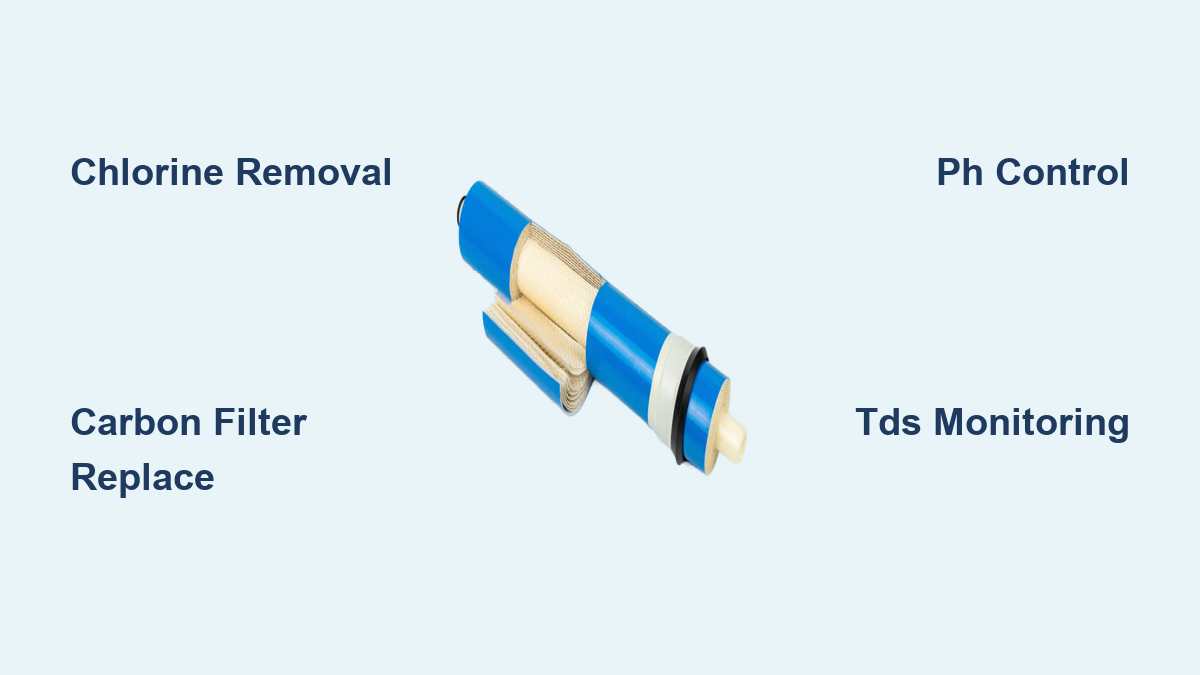
Reverse osmosis (RO) systems are essential for delivering high-purity water in homes and industries, but their performance hinges on a fragile component: the polyamide thin-film composite (TFC) membrane. While highly efficient at removing dissolved solids, these membranes are extremely vulnerable to chlorine attack, a common yet preventable cause of premature failure. Even trace amounts of free chlorine in feed water can initiate irreversible oxidative degradation, leading to poor water quality, increased operating costs, and frequent replacements.
This guide breaks down the science behind chlorine-induced membrane damage, identifies key risk factors, and provides actionable steps to protect your RO system. You will learn how chlorine destroys membrane integrity at a molecular level, what conditions accelerate failure, and the most effective pretreatment methods to ensure long-term reliability.
How Chlorine Damages RO Membranes
Oxidative Degradation of Polyamide Layer
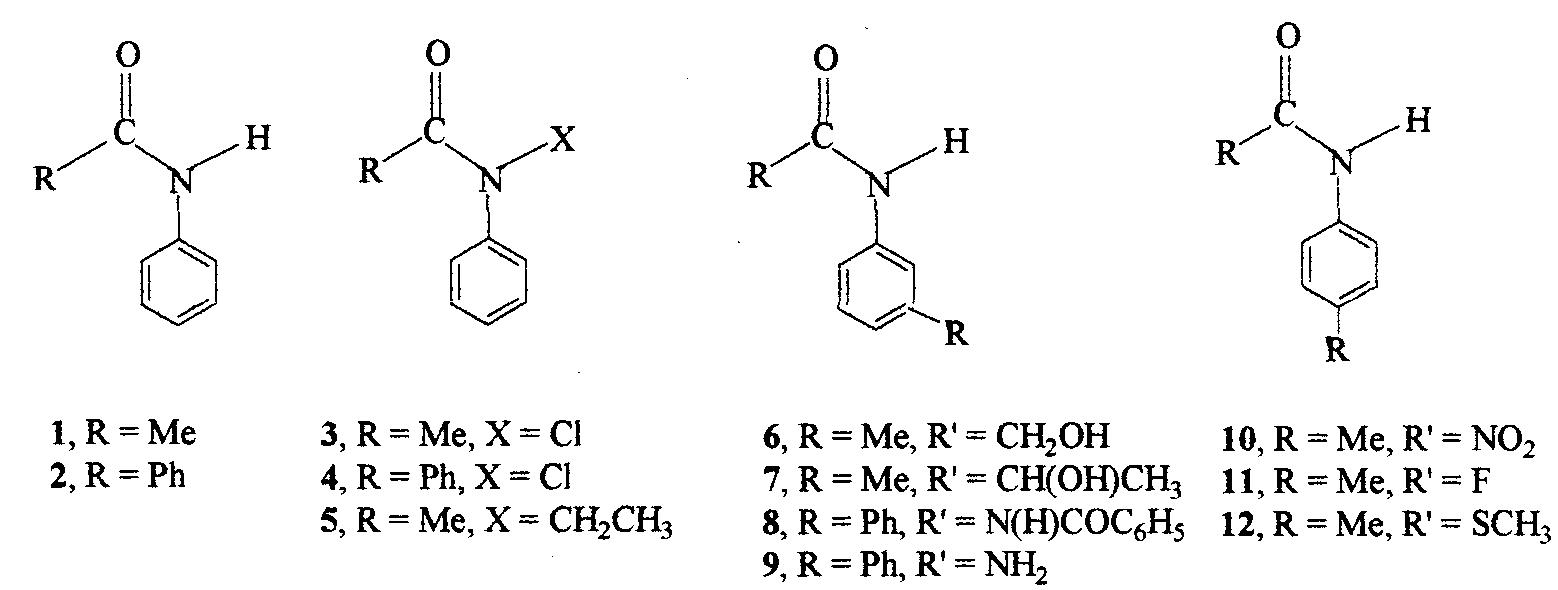
Chlorine attack begins when free chlorine in the feed water comes into contact with the polyamide active layer of a TFC membrane. This layer, responsible for rejecting salts and contaminants, contains nitrogen-rich amide groups that are highly reactive with oxidants. Chlorine molecules initiate a chain reaction known as oxidative degradation, breaking critical chemical bonds and altering the membrane’s selective barrier. Once this damage starts, it progresses continuously, and even low-level exposure causes cumulative harm. The result is a membrane that no longer effectively blocks dissolved ions, leading to higher permeate conductivity and compromised water purity.
Orton Rearrangement: The Chemical Pathway
The destruction of polyamide membranes follows a specific chemical process called the Orton rearrangement. It occurs in three stages:
- N-Chlorination: Chlorine binds to the nitrogen atom in the amide group, forming an unstable N-chloroamide.
- Chlorine Migration: The chlorine atom shifts from the nitrogen to the adjacent aromatic benzene ring.
- Ring Chlorination: Chlorine attaches to the ring at ortho or para positions, disrupting hydrogen bonding and structural stability.
This ring chlorination permanently alters the membrane’s molecular architecture, increasing pore size and reducing salt rejection. Because the reaction is irreversible, any measurable chlorine exposure shortens membrane life. Research shows membranes with tertiary amide structures resist this process better, and future designs may leverage this chemistry for improved durability.
Why Polyamide Fails vs. Cellulose Acetate
Not all RO membranes react the same way to chlorine. Polyamide TFC membranes, used in nearly all modern systems, offer superior salt rejection and flux but are highly sensitive due to their aromatic ring and N–H bond structure. In contrast, cellulose acetate membranes lack these vulnerable sites and can tolerate chlorine levels up to 1.0 mg/L without immediate failure. However, they suffer from lower permeability, higher compaction rates, and susceptibility to biological degradation. For most applications, the performance benefits of polyamide outweigh its weaknesses, provided chlorine is rigorously removed before the feed water reaches the membrane.
Identify Chlorine Exposure Risks

Free vs. Combined Chlorine in Feed Water
Two main forms of chlorine threaten RO membranes: free available chlorine (FAC) and combined chlorine (chloramines). FAC includes hypochlorous acid (HOCl) and hypochlorite ion (OCl⁻), both formed when chlorine gas, sodium hypochlorite, or calcium hypochlorite dissolve in water. HOCl is the most aggressive oxidant, especially at neutral to acidic pH. Chloramines form when chlorine reacts with ammonia in municipal supplies and are often used to maintain residual disinfection. Though less reactive than free chlorine, chloramines still cause slow but steady membrane oxidation over time. Both must be removed to protect polyamide membranes, and pretreatment cannot assume chloramines are safe.
pH and Temperature Accelerate Damage
Environmental conditions dramatically influence how quickly chlorine degrades membranes:
- High pH (>8.0): Increases the proportion of OCl⁻, which enhances the reactivity of polyamide nitrogen and speeds up the Orton rearrangement.
- Low pH (<6.0): Favors HOCl, which is more oxidizing but reacts slower with polyamide. Damage still occurs, just at a reduced rate.
- Elevated Temperature: Every 10°C rise in water temperature approximately doubles the reaction rate. Systems in warm climates or processing heated water require stricter chlorine control.
For example, a membrane exposed to 0.5 mg/L chlorine at pH 9 and 35°C may fail within weeks, while the same dose at pH 6 and 15°C might allow months of service. Always adjust pretreatment based on actual operating conditions.
Exposure Time and Stagnation Hazards
The longer chlorinated water sits in contact with the membrane, the greater the damage, even during system downtime. A common failure mode occurs when an RO unit is shut down with chlorinated water trapped inside the housing. Without flow, there is no dilution or flushing, allowing chlorine to continuously attack the membrane surface. This stagnation effect can destroy a membrane in days. To prevent this, always ensure the system drains completely after shutdown or install automated flush cycles. Never store membranes in chlorinated solutions, even for short periods.
Recognize Early Signs of Membrane Failure
Declining Salt Rejection and Rising TDS
The first visible symptom of chlorine attack is a gradual increase in permeate TDS (Total Dissolved Solids). As the polyamide layer degrades, salt ions pass more easily through the membrane, reducing rejection rates from 98% to below 90%. Use a handheld TDS meter to track output quality weekly. A steady upward trend, even within “acceptable” TDS ranges, indicates ongoing oxidation. Unlike fouling, which typically increases differential pressure, chlorine damage often occurs with stable or even reduced pressure, making TDS monitoring critical for early detection.
Abnormal Flux and Pressure Behavior
While initial oxidation may slightly increase water flux due to pore enlargement, this is misleading. Over time, the membrane becomes inconsistent. Some areas may leak high-salinity water while others restrict flow. This leads to:
- Increased operating pressure to maintain target production
- Uneven flux distribution across elements
- Premature fouling as damaged surfaces attract organic and colloidal matter
If you notice rising pressure alongside poor water quality, suspect combined chlorine damage and fouling. Logging daily performance data helps distinguish between mechanical issues and chemical degradation.
Visual and Diagnostic Clues
Although internal membrane damage is not externally visible, certain diagnostic patterns point to chlorine attack:
- No improvement after cleaning: Standard CIP (clean-in-place) procedures will not restore salt rejection lost to oxidation.
- Brittle membrane sheets: During autopsy, degraded polyamide feels stiff or cracked compared to flexible, healthy material.
- Chlorine smell upstream: Detectable chlorine at the RO inlet indicates pretreatment failure.
Pair symptom tracking with regular feed water testing to confirm the root cause before replacing membranes unnecessarily.
Prevent Chlorine Damage with Pretreatment
Activated Carbon Filtration: First Defense
Activated carbon is the most reliable method for removing free chlorine from RO feed water. It works through catalytic reduction, converting HOCl into harmless chloride ions (Cl⁻). High-quality granular activated carbon (GAC), especially coconut-shell-based or specialty types like AK carbon, offers superior chlorine removal capacity and longevity. Ensure proper design:
- Minimum Empty Bed Contact Time (EBCT): 3–5 minutes for effective adsorption.
- Flow rate limits: Avoid exceeding manufacturer specifications to prevent channeling.
- Pre-filtration: Install a 5-micron sediment filter upstream to protect carbon from fouling.
Replace carbon every 6–12 months depending on chlorine load and usage. A sudden drop in chlorine removal efficiency signals exhaustion. Test effluent regularly to avoid breakthrough.
Chemical Dechlorination with Sodium Bisulfite
For commercial systems or high-chlorine applications, chemical injection using sodium bisulfite (NaHSO₃) provides precise control. This reducing agent neutralizes both free chlorine and chloramines:
$$NaHSO_3 + HOCl \rightarrow HCl + NaHSO_4$$
Key dosing guidelines:
- Use 1.8 to 3.0 times the measured chlorine concentration to ensure complete reaction.
- Employ food-grade sodium bisulfite for potable water systems.
- Use metering pumps with adjustable stroke control for accuracy.
Always verify residual chlorine downstream of injection with test kits or sensors. Automated systems should include interlocks that shut down the RO if chlorine is detected.
Critical Injection Sequence: Acid Before Bisulfite
A crucial safety rule governs chemical pretreatment: acid must be dosed before sodium bisulfite when adjusting pH. Adding bisulfite first can lead to the formation of sulfur dioxide (SO₂) gas in the presence of acid, which is corrosive and hazardous. Additionally, low pH converts bisulfite to ineffective forms, reducing dechlorination efficiency. Follow this sequence:
- Inject acid (if needed) to lower pH.
- Allow mixing and stabilization.
- Inject sodium bisulfite downstream.
This prevents dangerous gas formation and ensures optimal reactivity.
Monitor and Verify Chlorine Levels
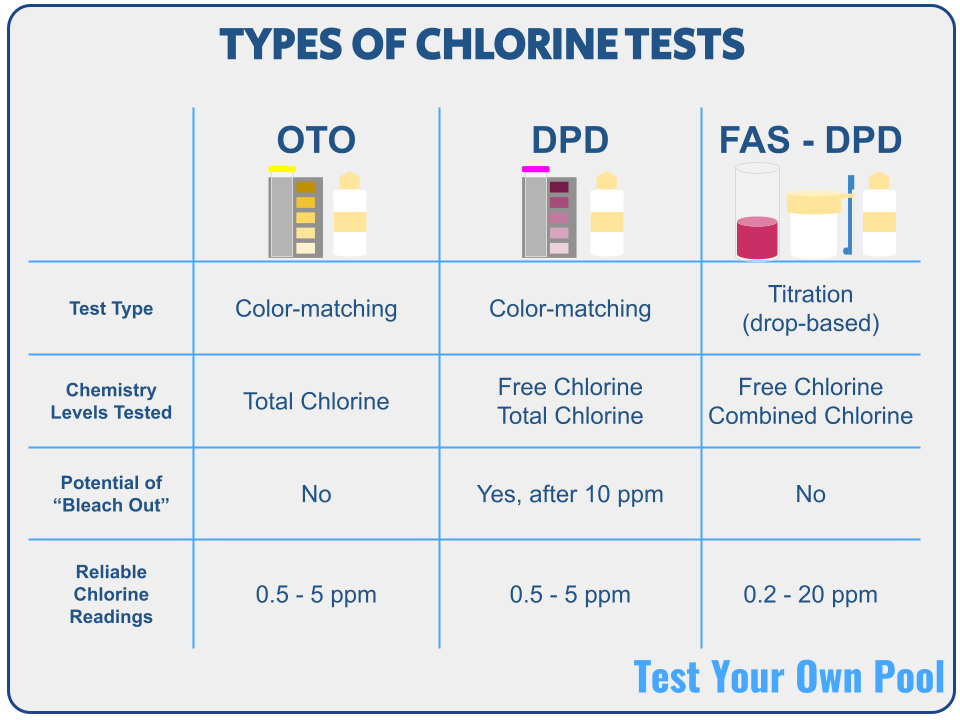
Use DPD Test Kits for Routine Checks
Regular manual testing is essential for residential and small commercial systems. DPD (N,N-diethyl-p-phenylenediamine) colorimetric test kits provide fast, accurate readings of free chlorine:
- Add DPD reagent to a water sample.
- Compare color change to a chart (typically 0–5 mg/L range).
- Detect levels as low as 0.1 mg/L.
Test daily if relying on municipal water with variable chlorine levels. Perform checks at the outlet of the carbon filter or after chemical injection, not at the tap, to confirm pretreatment effectiveness.
Install Online Chlorine Sensors
For industrial-scale RO systems, real-time online chlorine analyzers are indispensable. These sensors continuously monitor free chlorine in the feed stream and can trigger alarms or automatic shutdowns if levels exceed 0.1 mg/L. Benefits include:
- Immediate detection of carbon exhaustion or dosing pump failure.
- Data logging for compliance and troubleshooting.
- Integration with PLCs for system automation.
Pair online monitoring with redundant pretreatment (e.g., dual carbon tanks or backup injection) for mission-critical applications.
Track Performance Trends Over Time
Maintain a log of:
- Feed water chlorine levels
- Permeate TDS
- Operating pressure
- Flow rates
Plotting this data monthly reveals early signs of degradation. A steady rise in TDS with stable pressure strongly suggests chlorine attack rather than scaling or fouling. Use trend analysis to schedule proactive maintenance and avoid unexpected failures.
Choose Safer Disinfection Alternatives
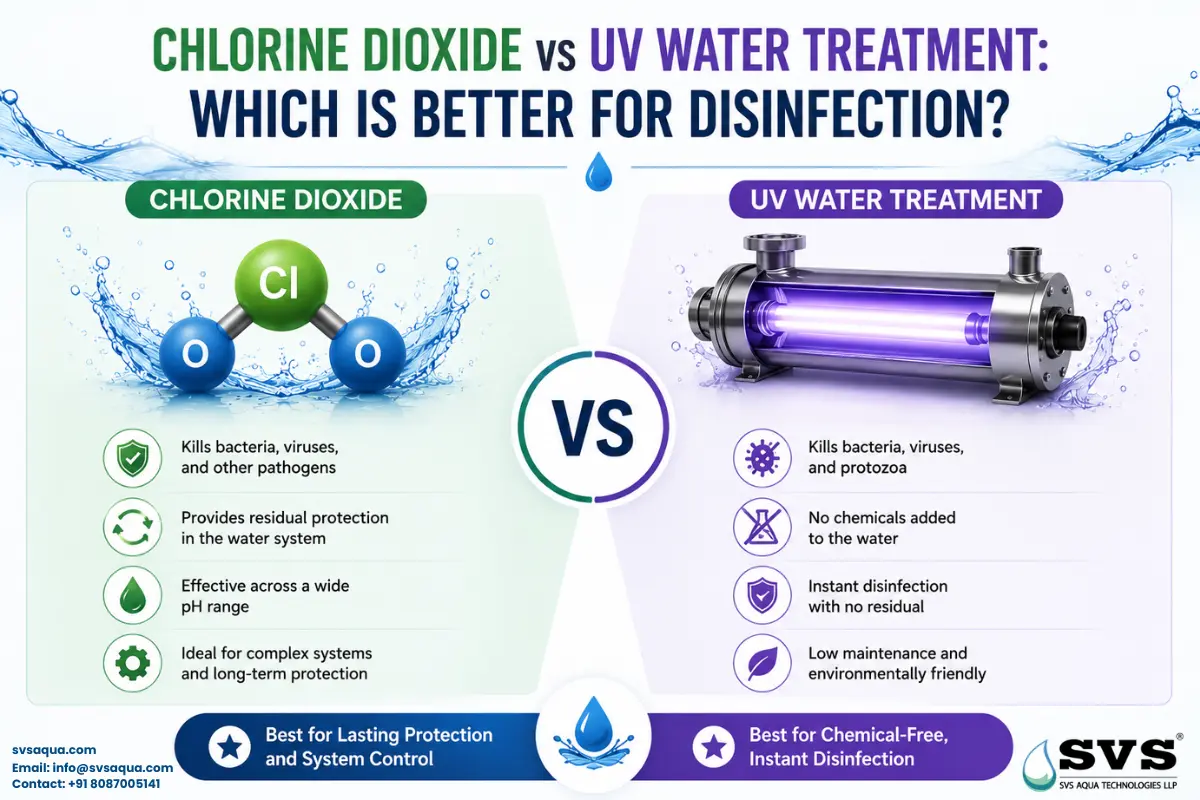
Use Chlorine Dioxide Instead of Free Chlorine
To eliminate chlorine-related risks, consider chlorine dioxide (ClO₂) as a pretreatment disinfectant. It effectively controls microbes without attacking polyamide membranes at typical dosing levels. ClO₂ works by oxidizing cellular components but does not initiate the Orton rearrangement. It also minimizes biofilm formation in piping and is effective over a wide pH range. However, it must be generated on-site and handled with care due to its gaseous nature.
Apply UV Disinfection Pre-RO
Ultraviolet (UV) radiation is a non-chemical alternative that inactivates bacteria, viruses, and cysts without leaving residuals. UV systems installed upstream of the RO unit provide continuous disinfection without introducing oxidants. They are ideal for protecting against microbiological contamination while preserving membrane integrity. Ensure proper UV transmittance (UVT >85%) and sleeve cleaning to maintain effectiveness.
Use Hydrogen Peroxide with Caution
Hydrogen peroxide (H₂O₂) can be used for periodic sanitization of RO housings and piping. While it is an oxidant, it breaks down into water and oxygen and can be fully removed by carbon filtration before reaching the membrane. Use only low concentrations (15–30 ppm) and follow with thorough flushing. Never allow undiluted or high-concentration peroxide to contact the membrane, as this can cause rapid degradation similar to chlorine.
Extend Membrane Life with Best Practices
Replace Carbon Filters on Schedule
Never wait for chlorine breakthrough to occur. Replace activated carbon filters based on:
- Manufacturer’s recommended lifespan
- Measured chlorine removal performance
- System runtime and water usage
For residential units, change carbon every 6 months. For high-use commercial systems, monitor effluent weekly and rotate dual tanks when one shows >0.05 mg/L chlorine. Record replacement dates and test results to maintain a maintenance history.
Avoid Chlorine During System Shutdown
When shutting down an RO system for more than 24 hours:
- Flush the membrane with chlorine-free water.
- Drain all housings to prevent stagnant chlorinated water from sitting on the surface.
- Store membranes in a preservation solution if offline for extended periods.
If feed water contains chlorine, close the inlet valve and bypass the system until operation resumes.
Train Staff on Chemical Safety Protocols
In commercial settings, ensure operators understand:
- The correct order of chemical injection (acid before bisulfite)
- Proper handling of sodium bisulfite (wear gloves, avoid inhalation)
- Emergency procedures for chemical spills
- Lockout/tagout during maintenance
Missteps in chemical dosing can lead to both equipment damage and safety hazards.
Frequently Asked Questions About Chlorine Attack on RO Membranes
What concentration of chlorine damages RO membranes?
The maximum acceptable limit for free chlorine in feed water for polyamide TFC membranes is 0.1 mg/L (0.1 PPM). Concentrations above this level accelerate oxidation. At 1.0 PPM, measurable membrane degradation can initiate within 200 to 1,000 operating hours depending on pH, temperature, and water composition.
How does chlorine damage reverse osmosis membranes?
Chlorine attacks the nitrogen functional groups and aromatic rings in the polyamide active layer through a process called the Orton rearrangement. This three-step chemical pathway (N-chlorination, chlorine migration, and ring chlorination) permanently disrupts the membrane’s molecular structure, increasing pore size and reducing salt rejection.
Can chloramines also harm RO membranes?
Yes. Although chloramines are less reactive than free chlorine, they still cause slow but steady membrane oxidation over time. Pretreatment strategies must address both free chlorine and combined chlorine to ensure full protection.
What is the best way to remove chlorine before RO filtration?
Activated carbon filtration is the most common and effective method for chlorine removal. It works through catalytic reduction, converting free chlorine into harmless chloride ions. For commercial systems, chemical dosing with sodium bisulfite at 1.8 to 3.0 times the measured chlorine concentration provides precise control.
Why must acid be injected before sodium bisulfite?
Injecting acid after or simultaneously with sodium bisulfite can lead to the formation of sulfur dioxide (SO₂) gas, which is corrosive and hazardous. Additionally, low pH converts bisulfite to ineffective forms, reducing dechlorination efficiency. Acid must always be dosed first to ensure safety and optimal reactivity.
How can I tell if my RO membrane is failing due to chlorine?
The primary indicator is a steady rise in permeate TDS alongside stable or reduced operating pressure. Unlike fouling, which typically increases differential pressure, chlorine damage often occurs without pressure changes. Standard CIP cleaning procedures will not restore salt rejection lost to oxidation.
Key Takeaways for Preventing Chlorine Attack on RO Membranes

Chlorine attack on reverse osmosis membranes is entirely preventable with proper pretreatment and monitoring. Understanding the chemical mechanisms, recognizing early warning signs, and implementing robust dechlorination strategies can protect your investment and ensure consistent water quality. Always maintain chlorine levels below 0.1 mg/L, monitor performance trends, and follow strict operational protocols to extend membrane life to its full 3–5 year potential. Start by auditing your current pretreatment setup, testing feed water chlorine levels at the RO inlet, and replacing any exhausted carbon filters to safeguard your system today.