How Reverse Osmosis Removes Pesticides
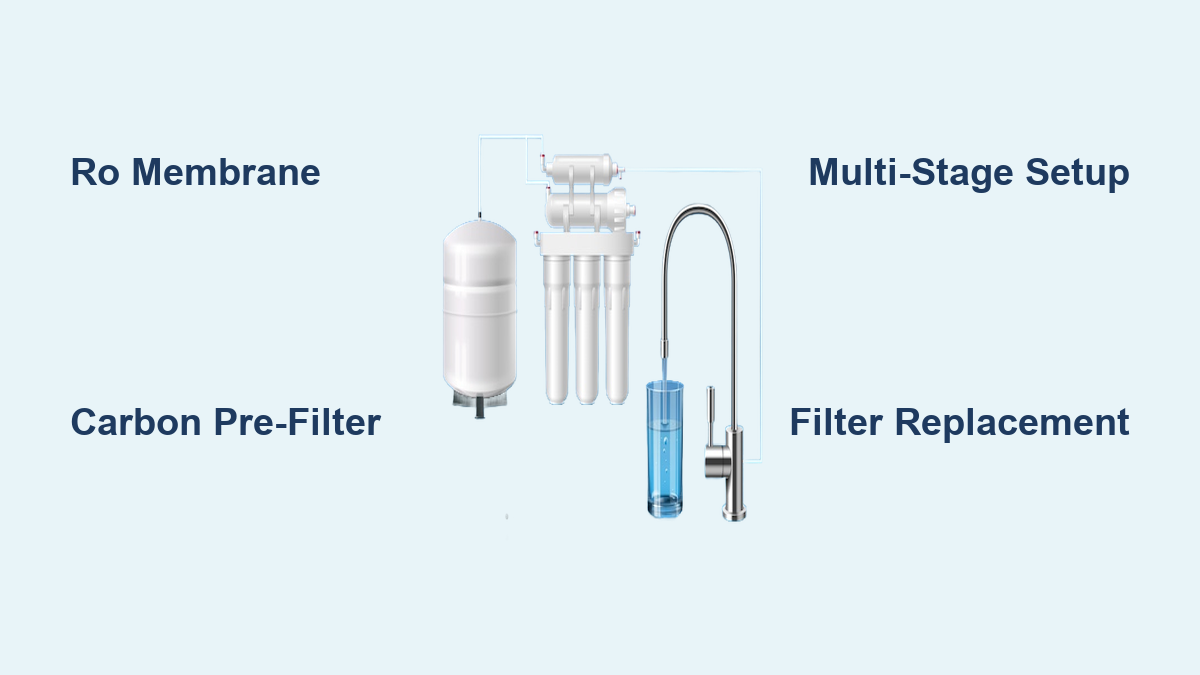
Pesticides in tap water are a real concern for households near farms, on well water, or in older neighborhoods with aging pipes. Chemicals like atrazine, glyphosate, and chlorpyrifos can sneak into your glass long before you take a sip. While pitcher filters and basic faucets help with chlorine taste, they rarely touch agricultural chemicals. This is where reverse osmosis systems remove pesticides at a molecular level, stripping out 90–99% of these harmful compounds before they reach your cup.
Reverse osmosis works differently than simple carbon filters. Instead of just trapping some organics, it forces water through an ultra-fine membrane that physically blocks contaminants while also repelling them based on electrical charge. When you pair that membrane with activated carbon pre- and post-filters, you get a layered defense that catches what a single stage would miss. The result is water that is dramatically cleaner for drinking, cooking, and making baby formula.
In this guide, you’ll learn exactly how RO technology targets pesticides, which specific chemicals it eliminates, and how to keep your system performing at its best year after year.
How RO Membranes Physically Block Pesticides

Size Exclusion Creates a Molecular Barrier
Pesticides are organic molecules built from carbon chains that are far larger than a water molecule. A reverse osmosis membrane contains pores as small as 0.0001 microns, which is roughly 100,000 times thinner than a human hair. Water molecules squeeze through easily, but compounds like atrazine and glyphosate are simply too big to pass.
This physical blocking happens continuously as long as the membrane stays intact and clean. However, even small tears, mineral scaling, or biofilm buildup can create tiny gaps that let contaminants slip through. That’s why routine inspection and timely replacement matter so much.
Charge Rejection Adds a Second Layer of Defense
Many pesticides carry an electrical charge once dissolved in water. Glyphosate, for example, is negatively charged, while metabolites of herbicides like 2,4-D can be polar. RO membranes share that negative charge, so like magnets turned the wrong way, they naturally push these contaminants away.
This charge repulsion boosts removal rates beyond what size alone could achieve. It is especially powerful against synthetic hormones and pharmaceuticals, which often carry strong ionic properties that the membrane repels aggressively.
When Pesticides Can Slip Through the Membrane
No filter is perfect. Some volatile or very small pesticide molecules can pass an RO membrane if they are not captured upstream first. Common culprits include:
- Alachlor, a volatile herbicide used on corn and soybeans
- Metolachlor, which has moderate volatility
- Breakdown products with smaller molecular structures
These compounds are best handled by the activated carbon pre-filter, which grabs them through adsorption before they ever reach the membrane. Skip that pre-filter, and you could lose 10–15% removal efficiency on certain herbicides.
Activated Carbon Pre-Filtration: Your First Line of Defense

Why Carbon Protects Both Water and Membrane
The RO membrane is delicate. Chlorine, rust particles, and organic solvents in tap water slowly eat away at its polymer structure. A granular activated carbon (GAC) pre-filter solves two problems at once. It shields the membrane from chemical damage while also adsorbing pesticides like dicamba, chlorpyrifos, and atrazine onto its surface.
Activated carbon is incredibly porous. Just one gram can offer 500–1,500 square meters of surface area, giving pesticide molecules countless places to stick. The longer water lingers inside the carbon bed, the more thorough the removal.
Factors That Maximize Carbon Adsorption
To get the most from your carbon stage:
- Slow flow rates give molecules time to bind to carbon surfaces
- Food-grade, high-activity GAC outperforms cheap generic carbon
- Larger canisters hold more carbon and extend contact time
If water rushes through too quickly, pesticides may exit the filter before they have a chance to attach. Undersized or clogged filters are one of the top reasons RO systems underperform in real homes.
Common Mistakes That Kill Carbon Performance
Many homeowners assume the RO membrane does all the heavy lifting and forget about the carbon stage. Once GAC becomes saturated:
- Pesticide removal drops sharply
- Chlorine starts degrading the membrane
- Water picks up unpleasant tastes and odors
Swap carbon filters every 6–12 months based on your usage and water quality. Set a phone reminder so you never miss a change.
Multi-Stage Filtration: The Complete RO Setup
The Four Stages That Catch Everything
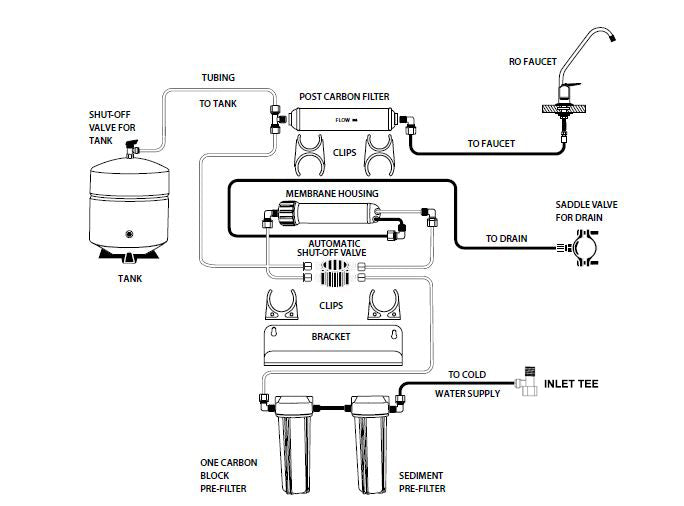
A single RO membrane is not enough for serious pesticide protection. The gold-standard configuration includes four stages working in sequence:
- Sediment filter traps rust, silt, and sand
- GAC pre-filter adsorbs pesticides, chlorine, and VOCs
- RO membrane blocks dissolved pesticides, heavy metals, and pharmaceuticals
- Post-carbon filter polishes taste and catches any residual organics
This layered design creates redundancy. If one stage lets a contaminant through, the next one usually catches it.
Why Post-Carbon Polishing Is Worth It
Even after RO, trace amounts of volatile pesticides or disinfection byproducts can linger. The post-carbon filter acts as a final safety net, scrubbing out anything that slipped past the membrane and improving the overall flavor.
Skip this stage and you may still taste faint chemical notes, especially if you live in an agricultural area with heavy pesticide use.
Avoid Whole-House RO Setups
It might sound appealing to purify every drop in your home, but whole-house RO creates real problems:
- Massive water waste, with 3–4 gallons discarded per gallon produced
- Bacterial growth risk, since RO strips out chlorine that normally keeps pipes clean
- High ongoing costs from frequent membrane and filter replacements
A smarter approach is to install RO only at the kitchen tap for drinking and cooking. Pair it with a whole-house carbon system if you also want cleaner shower and laundry water.
Proven Pesticide Removal Rates You Can Trust

Specific Pesticides Eliminated by RO
Certified reverse osmosis systems are independently tested against real contaminants. Here are the removal rates you can expect from a well-maintained multi-stage unit:
| Pesticide | Removal Rate | Common Use |
|---|---|---|
| Atrazine | 95–99% | Corn and sorghum herbicide |
| Glyphosate | 90–98% | Broad-spectrum weed killer |
| Chlorpyrifos | 92–97% | Insecticide on fruits and nuts |
| 2,4-D | 90–95% | Lawn and wheat herbicide |
| Dicamba | 88–94% | Soybean and cotton herbicide |
These numbers assume fresh filters and an intact membrane. Neglect maintenance and your real-world performance will drop fast.
Pharmaceuticals and Hormones Are Removed Too
RO does not stop at pesticides. It also tackles endocrine-disrupting chemicals that affect health at tiny doses:
- Ethinylestradiol (birth control hormone): over 95% removed
- Levonorgestrel: over 90% removed
- Nonylphenol (industrial surfactant): over 93% removed
These compounds are biologically active at parts-per-trillion levels, which is why RO’s high removal rate matters so much for long-term health.
Heavy Metals and Industrial Pollutants
Beyond organics, RO eliminates many dangerous inorganic contaminants:
- Lead at over 98%, critical for protecting children’s developing brains
- Arsenic at over 95%, common in private wells
- Chromium-6 at over 90%, a known carcinogen
- PFAS at over 90%, the so-called forever chemicals
This broad protection makes RO a strong choice for anyone worried about cumulative chemical exposure from multiple sources.
Installation and Maintenance Best Practices
Choose Systems With Independent Certifications
Not every RO unit on the market delivers what it promises. Look for these certifications before you buy:
- NSF/ANSI 53 verifies reduction of pesticides and herbicides
- NSF/ANSI 58 confirms RO-specific performance standards
These seals mean the system has been tested under real-world conditions and met strict removal claims.
Test Your Water Before You Buy
Smart buyers start with a water test:
- Municipal users can check their annual water quality report or search the EWG Tap Water Database
- Well owners should send samples to a certified lab for pesticide, nitrate, and heavy metal analysis
Knowing your exact contamination profile helps you pick the right system and filter schedule.
Stick to a Filter Replacement Schedule
Skipping maintenance is the fastest way to ruin an RO system. Follow this timeline:
- Sediment filter: every 6 months
- Carbon pre-filter: every 6–12 months
- RO membrane: every 2–3 years
- Post-carbon filter: every 12 months
Mark these dates on a calendar or use the indicator lights on modern systems so nothing slips through the cracks.
Watch for Signs of Membrane Failure
Your RO membrane will eventually wear out. Catch problems early by watching for:
- Slower water production at the tap
- Returning bad tastes or odors
- Rising TDS readings on a handheld meter
Test your purified water once a year to confirm pesticide levels stay low and your family stays protected.
Water Waste and Efficiency Tips
Why RO Uses Three Gallons to Make One
Traditional RO systems discharge roughly 3 gallons of wastewater for every gallon of clean water they produce. This brine carries concentrated contaminants flushed off the membrane to prevent scaling and clogging.
While that ratio sounds wasteful, it is the trade-off for such thorough purification.
Upgrades That Cut Water Waste
Modern RO systems waste far less than older models. Consider these efficiency boosters:
- Permeate pumps reduce waste by 50–80% without using electricity
- Auto-shutoff valves stop flow once the storage tank is full
- Zero-waste systems recycle brine back into household lines with special plumbing
Any of these upgrades shrink your environmental footprint while keeping performance high.
Limit RO to Where You Need It
Do not run RO water through every faucet in your house. Reserve it for:
- Drinking water
- Cooking and coffee
- Infant formula
- Ice makers
Use a simpler carbon filter for everything else to save money and reduce wastewater.
Mineral Loss and Health Considerations
RO Strips Out Beneficial Minerals
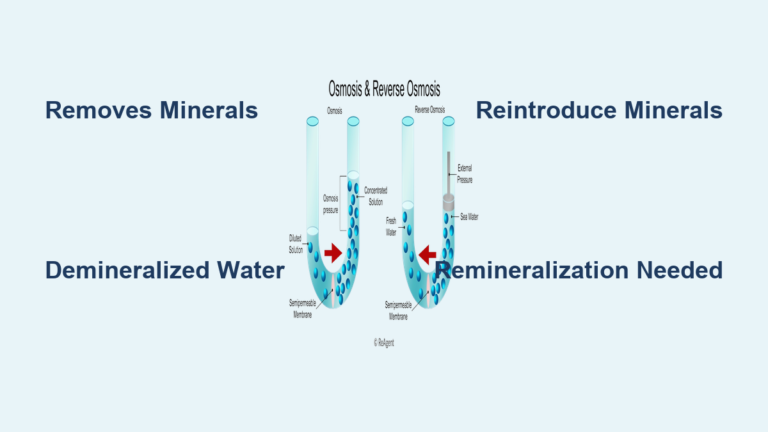
Reverse osmosis removes calcium, magnesium, potassium, and bicarbonates along with contaminants. While these minerals affect taste, your body gets the vast majority of them from food, not water.
Healthy adults rarely develop deficiencies from drinking RO water, but the flat taste can be off-putting.
Easy Ways to Add Minerals Back
If you miss the crisp flavor of mineral water, try one of these approaches:
- Remineralization filters that attach after the RO stage
- Mineral drops you can add by the glass
- Blending RO water with spring water for taste and pH balance
These options restore flavor without sacrificing the purity RO delivers.
The Fluoride Question
RO removes 90–95% of fluoride from drinking water. Excess fluoride can harm developing brains, but small amounts support dental health.
If your municipal water is fluoridated, keep using fluoride toothpaste to protect your teeth while letting RO handle the chemical contaminants.
Frequently Asked Questions About Reverse Osmosis and Pesticides
Do reverse osmosis systems really remove pesticides from drinking water?
Yes. Certified multi-stage RO systems remove 90–99% of common pesticides including atrazine, glyphosate, chlorpyrifos, 2,4-D, and dicamba. The membrane physically blocks these molecules and repels many of them through charge rejection, while activated carbon stages adsorb any that slip past.
Which pesticides are hardest for RO to remove?
Very small or volatile compounds like alachlor and metolachlor can occasionally pass through the RO membrane. That is why a quality activated carbon pre-filter is essential. It captures these tricky chemicals before they reach the membrane, keeping overall removal rates high.
How often should I replace my RO filters to maintain pesticide removal?
Replace sediment and carbon pre-filters every 6–12 months, the post-carbon filter every 12 months, and the RO membrane every 2–3 years. Sticking to this schedule ensures your system continues removing pesticides at advertised levels.
Can I install RO for the whole house to remove pesticides?
Whole-house RO is not recommended. It wastes 3–4 gallons of water per gallon purified, removes chlorine that prevents bacterial growth in pipes, and costs far more to maintain. Install RO at the kitchen tap for drinking and cooking, and use a whole-house carbon filter for showers and laundry instead.
Does RO water lack healthy minerals?
RO does strip out calcium, magnesium, and potassium, but most people get these minerals from food. If you prefer the taste of mineral water, add a remineralization cartridge, mineral drops, or blend RO water with spring water to restore flavor and pH balance.
Is RO better than a simple carbon filter for pesticide removal?
Yes. Carbon filters alone reduce many organic pesticides but struggle with dissolved compounds and pharmaceuticals. RO adds physical size exclusion and charge rejection, delivering more complete removal across a wider range of agricultural and industrial chemicals.
Final Thoughts on Using RO to Remove Pesticides From Your Water
Reverse osmosis stands out as the most thorough residential option for eliminating pesticides from drinking water. By combining a 0.0001-micron membrane with activated carbon pre- and post-filters, RO systems strip out 90–99% of herbicides, insecticides, and pharmaceutical residues that other filters leave behind. This layered approach catches what single-stage systems miss and protects your membrane from chlorine damage at the same time.
The keys to success are simple. Choose an NSF-certified multi-stage system, replace filters on schedule, and test your water annually to confirm performance. Limit RO use to drinking and cooking to manage wastewater, and consider a remineralization cartridge if you want better taste.
Your next step is straightforward: order a water test kit or pull your local water quality report, then match your contamination profile to a certified RO system that fits your budget. Within weeks, you will have cleaner, safer water and the peace of mind that comes with knowing exactly what is not in your glass.