Does Reverse Osmosis Remove Minerals From Water
If you’re using or considering a reverse osmosis (RO) water filtration system, one critical question likely comes to mind: does reverse osmosis remove minerals from water? The short answer is yes. RO filters strip nearly all minerals, both harmful and beneficial, from your drinking water. While this makes RO one of the most effective methods for eliminating contaminants like lead, fluoride, arsenic, and nitrates, it also results in demineralized water with very low total dissolved solids (TDS).
This mineral removal raises valid concerns about long-term health effects, taste, and hydration quality. Although the majority of essential minerals, like calcium and magnesium, come from food rather than water, some studies suggest that drinking mineral-deficient water over time may interfere with nutrient absorption and electrolyte balance. The World Health Organization (WHO) has even warned that prolonged consumption of low-mineral water could have adverse health implications.
In this guide, you’ll learn exactly how reverse osmosis works, which minerals are removed, what the health implications are, and how to safely reintroduce beneficial minerals back into your water. You’ll also discover the best remineralization methods and get clear recommendations based on your specific needs.
How Reverse Osmosis Filtration Works

The Science Behind RO Membranes
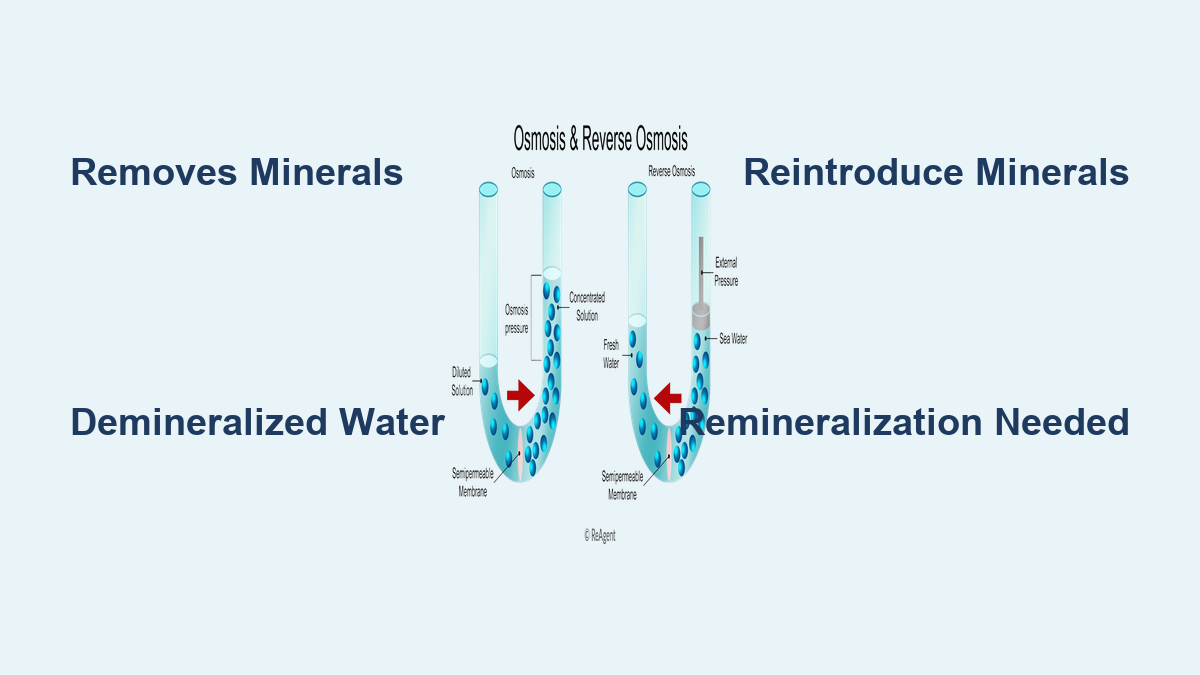
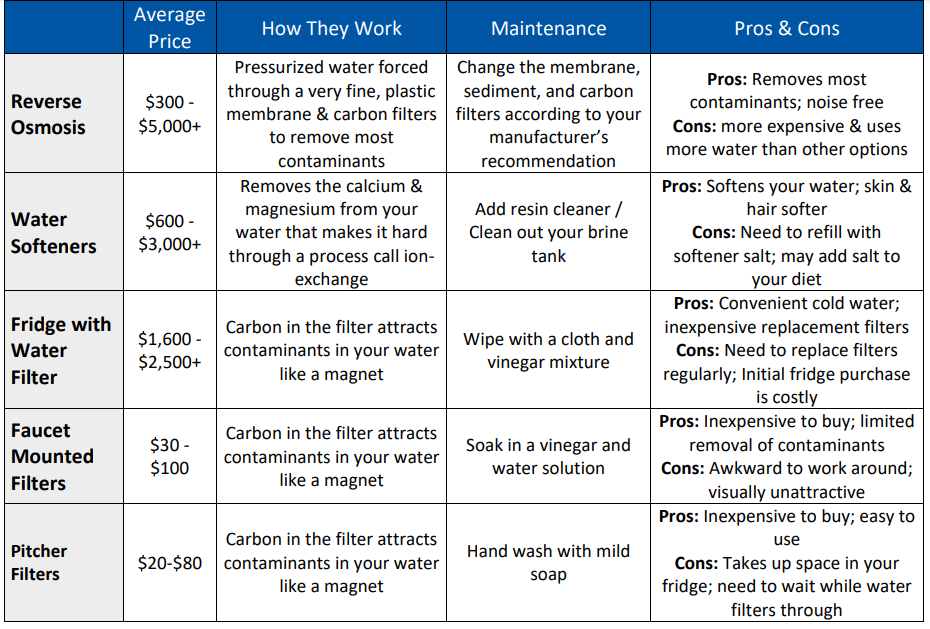
Reverse osmosis uses high pressure to force water through a semi-permeable membrane with pores as small as 0.0001 microns, so tiny that only water molecules can pass through. Everything else, including dissolved minerals, heavy metals, bacteria, viruses, and chemicals, is blocked and flushed away as wastewater.
Unlike natural osmosis, where water moves from low to high solute concentration, RO reverses the process by applying external pressure. This allows clean water to be extracted from contaminated sources, making it ideal for areas with poor water quality or high levels of industrial pollutants.
Multi-Stage Filtration Process
Most RO systems use a 4- to 6-stage filtration process:
- Sediment Pre-filter: Removes rust, sand, and dirt.
- Carbon Block Filter: Reduces chlorine, pesticides, and volatile organic compounds.
- RO Membrane: Removes up to 99.9% of TDS, including fluoride, lead, nitrate, and sodium.
- Post-Carbon Filter: Polishes the water and removes any residual taste or odor.
- Optional Remineralization Stage: Reintroduces calcium, magnesium, and other minerals while raising pH.
Without this final stage, the output is pure H₂O, free of contaminants but also devoid of minerals.
Water Waste and Efficiency
A key downside of traditional RO systems is water waste: they typically produce 3 to 5 gallons of wastewater for every 1 gallon of purified water. However, newer tankless and high-efficiency models reduce this ratio significantly, with some achieving near 1:1 recovery rates.
Minerals Removed by Reverse Osmosis
Key Beneficial Minerals Stripped
While RO excels at removing harmful substances, it doesn’t distinguish between toxins and nutrients. Here are the essential minerals commonly lost:
- Calcium: Vital for bones, teeth, and muscle function
- Magnesium: Supports over 300 enzyme reactions and heart health
- Potassium: Regulates blood pressure and nerve signals
- Sodium: Maintains fluid balance
- Iron, Copper, Fluoride: Present in trace amounts but play roles in metabolism and dental health
Even healthy spring or tap water contains these minerals naturally. RO reduces them to near-zero levels, resulting in water with a TDS reading often below 10 ppm.
Impact on pH and Taste
Non-remineralized RO water typically measures between 6.0 and 6.5, making it slightly acidic. In contrast, remineralized RO water ranges from 7.5 to 8.0, falling within the EPA’s recommended safe range of 6.5 to 8.5. Many users describe pure RO water as “flat” or “bland” because dissolved minerals contribute to water’s crisp, refreshing mouthfeel.
Health Implications of Demineralized Water
Dietary Minerals vs. Water-Borne Minerals
The debate over whether mineral loss in RO water matters hinges on one key fact: over 90% of your daily mineral intake comes from food, not water. According to the European Food Safety Authority (EFSA), drinking water contributes only about 1% of daily calcium and magnesium needs.
If you eat a balanced diet rich in leafy greens, nuts, dairy, and whole grains, losing minerals from water is unlikely to cause deficiencies. Long-term RO users who maintain good nutrition generally report no issues with bone, heart, or electrolyte health.
Potential Risks of Long-Term Consumption
Despite the dominance of dietary sources, several concerns have been raised:
- Reduced Mineral Absorption: Some studies suggest demineralized water may leach minerals from food during digestion
- Increased Urinary Calcium Excretion: Drinking low-mineral water has been linked to higher calcium loss through urine
- Cardiovascular Concerns: Populations consuming soft, low-mineral water show slightly higher rates of cardiovascular disease
- Electrolyte Imbalance: Especially relevant for athletes or those on restrictive diets
The WHO acknowledges these risks and recommends that RO water be remineralized before regular consumption.
Who Should Be Most Cautious?
- Individuals on low-nutrient diets
- Elderly adults with reduced mineral absorption
- Athletes with high hydration and electrolyte needs
- People with hypertension or kidney issues
For these groups, remineralization isn’t just beneficial. It’s a precautionary step worth taking.
How to Reintroduce Minerals Into RO Water
Integrated Remineralization Filters (Best Option)
The most effective solution is adding a remineralization cartridge to your RO system. These filters contain natural mineral media like calcium carbonate and magnesium oxide, which dissolve trace amounts into the water.
Benefits include:
– Automatically restores pH to 7.5–8.0
– Adds up to 18 essential minerals
– No daily effort required
– Long filter life (6–9 months)
– Cost-effective over time
Top systems with built-in remineralization:
– Aquatru Countertop RO
– WaterDrop X12 Tankless RO
– SmartFlow Reverse Osmosis
– Cloud Filters RO + Alkaline Stage
Liquid Mineral Drops (Flexible Alternative)
Mineral drops are concentrated solutions containing calcium, magnesium, potassium, and trace electrolytes. Just add a few drops per glass or pitcher.
Pros:
– Portable and travel-friendly
– Adjustable dosage
– No installation needed
Cons:
– Easy to forget or under-dose
– Ongoing cost (~$20–$50 per bottle)
– Quality varies widely
Mineral Salts: Pink Himalayan or Sea Salt
Adding a pinch of unrefined salt introduces trace minerals like iron, potassium, and magnesium.
Method: Create a saturated brine (1/4 cup salt in water, shaken daily) and add 1 teaspoon per quart of RO water.
Pros:
– Inexpensive (~$5 per pound)
– All-natural source
Cons:
– High sodium content, risky for those with hypertension
– WHO warns that effective doses may exceed daily sodium limits
– Can make water taste salty
Alkaline Water Pitchers (Budget-Friendly)
These pitchers use mineral balls or ion-exchange filters to raise pH and add calcium and magnesium.
Pros:
– Low upfront cost (under $50)
– Improves taste
– No plumbing required
Cons:
– Limited capacity (treats 1–2 liters at a time)
– Filters need replacing every 2–3 months
– Less effective with already-purified RO water
Natural Additives: Lemon Juice
Squeezing fresh lemon into RO water adds potassium, calcium, and vitamin C.
Pros:
– Enhances flavor and encourages hydration
– Provides antioxidants
Cons:
– Acidic, can erode tooth enamel over time
– Mineral content is negligible and unmeasured
Benefits of Remineralized RO Water

Improved Hydration and Electrolyte Balance
Electrolytes like calcium, magnesium, and potassium help your body absorb and retain water more efficiently. Remineralized water hydrates faster and more effectively than demineralized water, similar to a sugar-free sports drink.
Bone and Heart Health Support
Restoring calcium and magnesium helps maintain strong bones and teeth, normal blood pressure, healthy heart rhythm, and proper nerve and muscle function. A 2019 study found that people who drank mineral-rich water had lower systolic blood pressure compared to those consuming low-mineral water.
Better Digestive Function
A placebo-controlled trial showed that drinking 500 mL of mineral water daily for six weeks significantly improved bowel movement frequency and stool consistency in individuals with constipation.
Taste, Cooking, and Daily Use Advantages
Crisp, Refreshing Flavor
Remineralized water tastes noticeably better, with a crisp, smooth, slightly sweet profile compared to the flat taste of pure RO water. This encourages higher water intake, supporting overall hydration.
Superior Culinary Results
Mineral content enhances the flavor of coffee, tea, soups, pasta, rice, and baked goods. Some chefs credit New York City’s famous pizza crust to its mineral-rich tap water, a secret easily replicated with remineralized RO water.
Comparison: RO vs. Other Filtration Methods
| Feature | Standard RO | Remineralized RO | Water Softener | Carbon Filter | Distillation |
|---|---|---|---|---|---|
| Contaminant Removal | Up to 99.9% | Up to 99.9% | Hardness ions only | Chlorine, some metals | 99.9% TDS |
| Mineral Content | None | Balanced (Ca, Mg, K) | High Sodium | Retained | None |
| pH Level | 6.0–6.5 (Acidic) | 7.5–8.0 (Alkaline) | Varies | Varies | Acidic |
| Taste | Flat | Crisp | Salty | Good | Flat |
| Wastewater | 3:1–5:1 | 3:1–5:1 | Low | None | Energy-intensive |
| Best For | Maximum purity | Purity + health balance | Scale prevention | Basic filtration | Lab-grade purity |
Verdict: If you want both clean and healthy water, remineralized RO offers the best balance.
Special Use Case Recommendations
Homes With Water Softeners
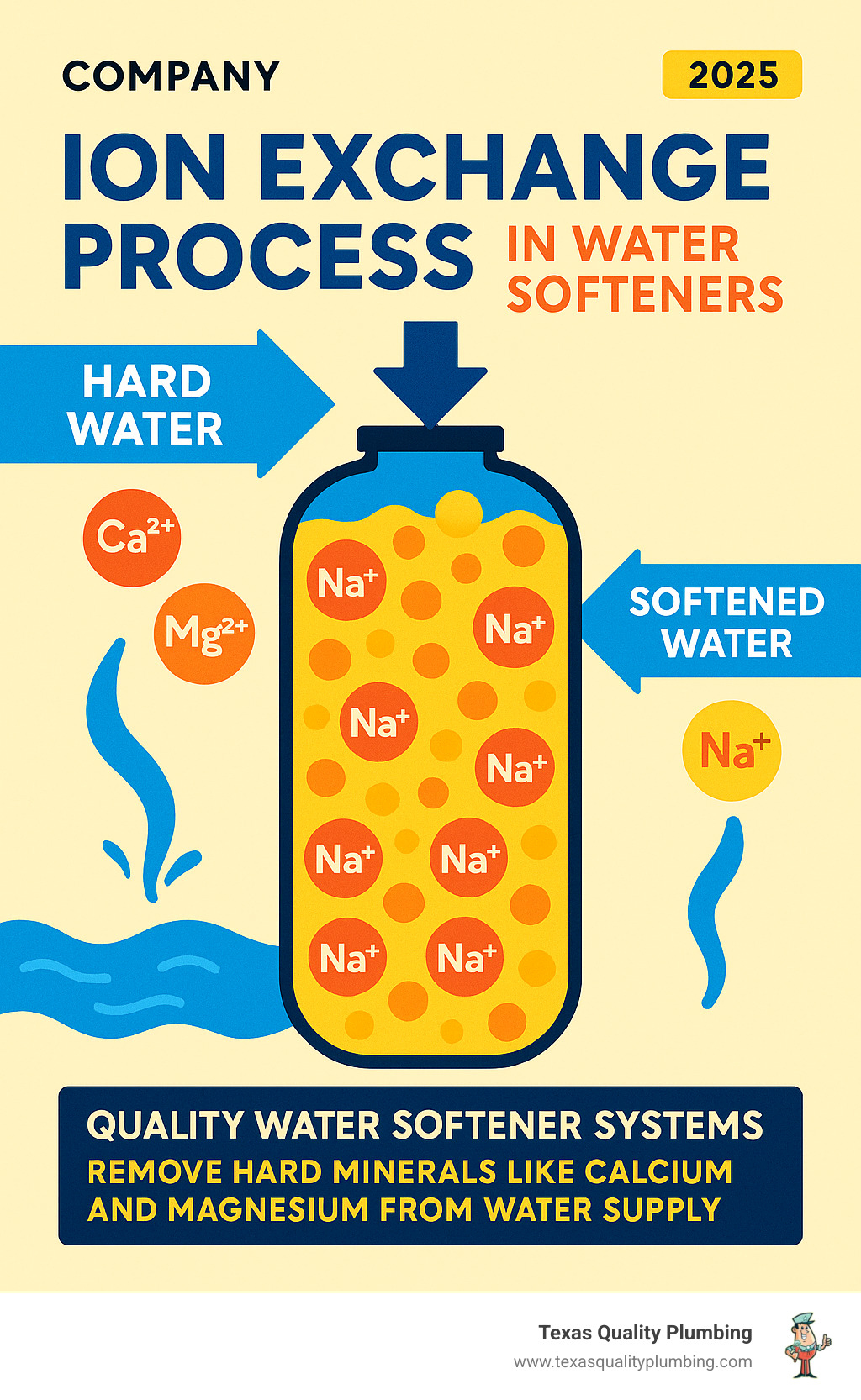
Water softeners replace calcium and magnesium with sodium, which is great for appliances but bad for health if sodium is high. Use RO to remove excess sodium, then add back calcium and magnesium via a remineralization filter.
For Hypertension or Heart Conditions
Avoid adding salt or mineral drops with high sodium content. Stick to sodium-free remineralization filters or rely on diet. RO helps reduce sodium intake from softened water, so don’t replace it manually.
Budget-Conscious Users
While mineral drops and salt are cheap upfront, long-term costs add up. An integrated remineralization filter pays for itself in under two years when compared to bottled water, saving an estimated $12,600 and 8,300 plastic bottles over a decade.
Travelers and Renters
Carry liquid mineral drops for easy remineralization on the go. They work with any purified or bottled water and require no installation.
Frequently Asked Questions About Reverse Osmosis and Mineral Removal
Does reverse osmosis remove beneficial minerals from drinking water?
Yes. Reverse osmosis removes up to 99.9% of total dissolved solids, including beneficial minerals like calcium, magnesium, potassium, and sodium. The 0.0001-micron membrane cannot distinguish between harmful contaminants and helpful nutrients.
Is demineralized water from RO systems safe to drink long-term?
For most people with balanced diets, yes. Over 90% of your daily mineral intake comes from food, not water. However, the WHO recommends remineralizing RO water as a precaution, especially for those with poor diets or specific health conditions.
What minerals does reverse osmosis strip from water?
RO removes calcium, magnesium, potassium, sodium, iron, copper, and fluoride. It also eliminates harmful contaminants like lead, arsenic, nitrates, bacteria, and viruses.
How can I add minerals back to RO water?
The most effective method is installing a remineralization cartridge on your RO system. Other options include liquid mineral drops, mineral salts, alkaline pitchers, and lemon juice, though each has varying effectiveness and drawbacks.
Does remineralized RO water taste different from regular RO water?
Yes. Remineralized water has a crisp, refreshing taste, while pure RO water is often described as flat or bland. The added minerals improve mouthfeel and make water more enjoyable to drink.
Is remineralized RO water better than bottled water?
In most cases, yes. Remineralized RO water provides consistent mineral content, costs significantly less over time, and reduces plastic waste. An integrated RO system can save an estimated $12,600 and prevent 8,300 plastic bottles over a decade.
Key Takeaways for Remineralizing Reverse Osmosis Water
Reverse osmosis removes both harmful contaminants and beneficial minerals from water, leaving it pure but mineral-deficient. While a balanced diet provides most of your essential minerals, long-term consumption of demineralized water carries potential risks, including reduced mineral absorption and electrolyte imbalances.
Remineralization is strongly recommended for anyone using RO water regularly. Among all available methods, integrated remineralization filters offer the best combination of convenience, consistency, and safety. They automatically restore pH balance and add back essential minerals without the hassle of manual dosing.
Your next step: check whether your current RO system has a remineralization stage. If not, consider adding a compatible cartridge or upgrading to a system that includes one. Your body, and your taste buds, will thank you.