How Clean Is Reverse Osmosis Water?
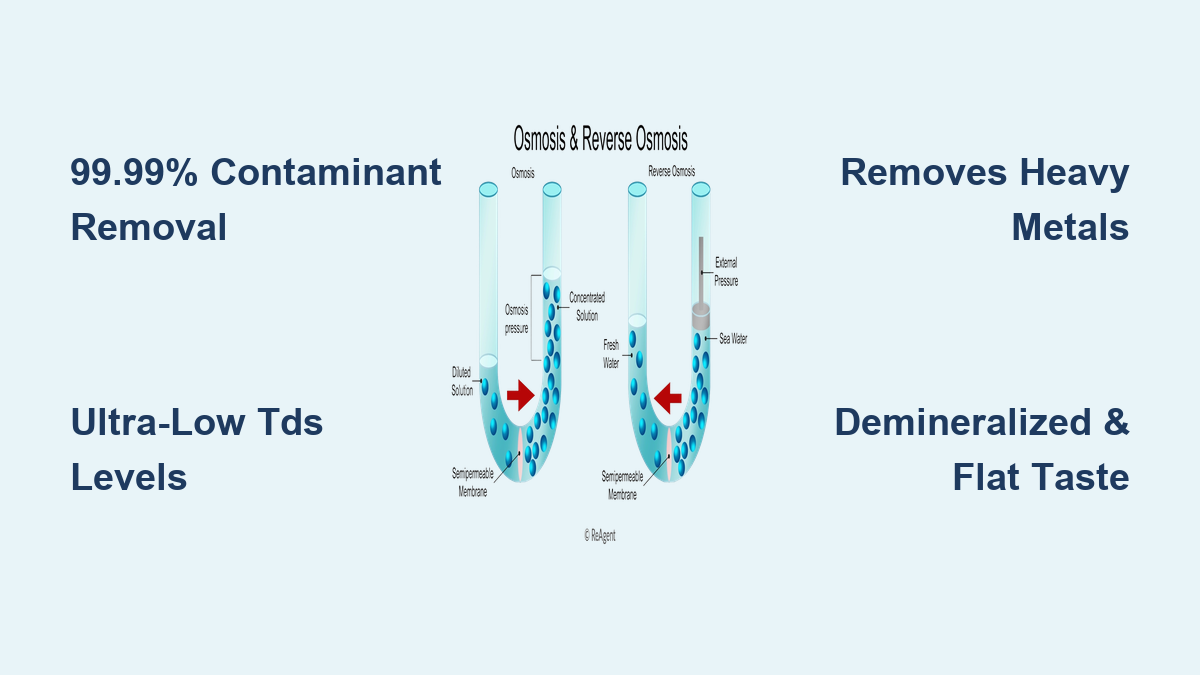
If you’ve ever questioned whether your tap water is truly safe, you’re not alone. Contaminants like lead, arsenic, PFAS, and microplastics are increasingly detected in both municipal and well water supplies. That’s where reverse osmosis (RO) comes in, offering one of the most powerful solutions for clean drinking water. But just how clean is reverse osmosis water? The short answer: extremely clean. RO systems remove up to 99.99% of contaminants, including dissolved solids, heavy metals, pathogens, and emerging pollutants, delivering water with a purity level often below 10–20 ppm TDS. That is far cleaner than most tap or bottled water.
But purity isn’t only about what gets removed. It also involves what remains, or rather, what doesn’t. RO water is demineralized, slightly acidic, and sometimes described as “flat” in taste. While this raises questions about long-term health, the consensus is clear: for most people, the benefits of eliminating harmful pollutants far outweigh the risks of reduced mineral content. In this guide, we’ll break down exactly how clean RO water really is, what it removes, potential drawbacks, and how to optimize your system for the safest, healthiest water possible.
What Makes RO Water So Clean?

Molecular-Level Filtration Explained
Reverse osmosis doesn’t just filter water; it transforms it at the molecular level. Unlike basic carbon filters that trap chlorine and improve taste, RO uses a semi-permeable membrane with pores as small as 0.0001 microns to separate pure water from contaminants. This means it blocks not only visible particles but also dissolved ions, heavy metals, and microscopic pathogens.
The process works by forcing pressurized water through the membrane. Water molecules pass through, while contaminants like lead, arsenic, sodium, and nitrates are flushed away as wastewater. The result is water so pure it rivals distilled water, but without the high energy cost.
Multi-Stage Protection System
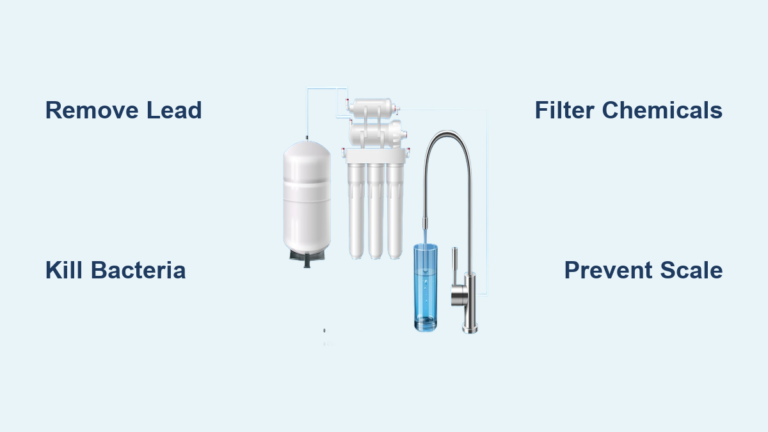
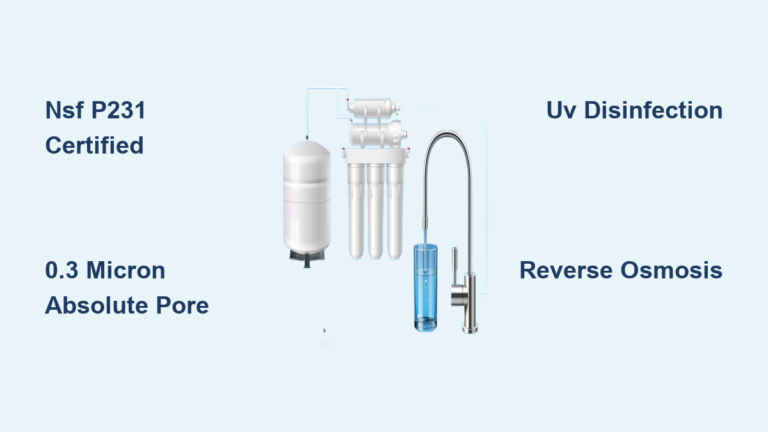
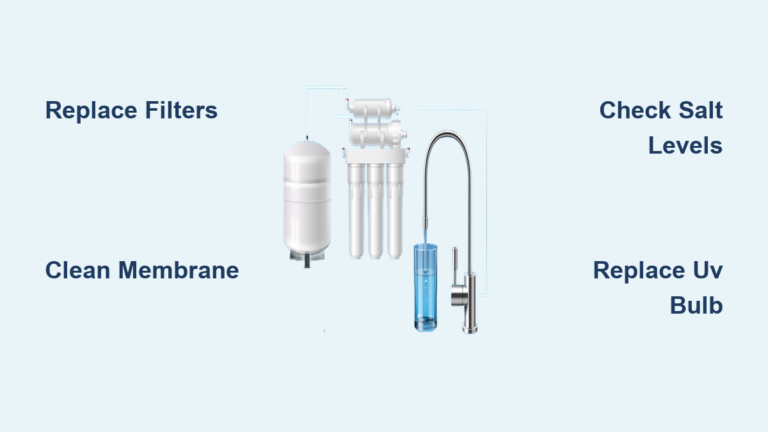
RO systems don’t rely on a single filter. They use a 4- to 6-stage process designed to protect the membrane and maximize purity:
- Sediment Filter: Removes rust, sand, and dirt.
- Carbon Block Filter: Eliminates chlorine, VOCs, and bad tastes.
- RO Membrane: Removes up to 99.9% of TDS, including fluoride and heavy metals.
- Polishing Carbon Filter: Catches any residual odors.
- UV Sterilization (optional): Kills bacteria and viruses.
- Remineralization (optional): Restores pH and essential minerals.
Each stage plays a critical role. Skip one, and you risk membrane damage or incomplete purification.
Real-World Purity: TDS Levels Compared
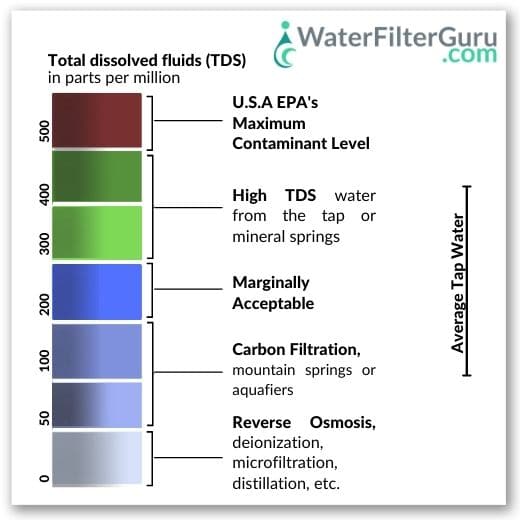
Total Dissolved Solids (TDS) is the gold standard for measuring water purity. Here’s how RO stacks up:
| Water Source | Typical TDS (ppm) |
|---|---|
| Tap Water | 50–300+ |
| Bottled Water | 50–200 |
| Well Water | 100–1000+ |
| RO Water | <10–20 |
That ultra-low TDS means RO water is nearly free of dissolved minerals, salts, and contaminants, making it one of the cleanest forms of drinking water available in homes today.
What Contaminants Does RO Remove?

Heavy Metals Eliminated
RO is unmatched in removing toxic heavy metals, which can accumulate in the body and cause serious health issues:
- Lead: Removed at >95–99%. Critical for homes with old plumbing.
- Arsenic: One of the few residential methods effective against this carcinogen.
- Mercury, Cadmium, Chromium-6: All reduced to safe or undetectable levels.
- Uranium & Radium: Removed thanks to ion rejection capability.
These metals are linked to cancer, kidney damage, and developmental problems, especially in children. RO provides a reliable defense.
Pathogens and Microorganisms
While RO membranes block most bacteria and viruses by size, some ultra-small viruses may slip through. That’s why combining RO with UV sterilization is recommended for complete microbial safety. Together, they eliminate:
- E. coli, Salmonella, Giardia
- Norovirus, Hepatitis A
- Legionella
This makes RO ideal for well water users or areas with compromised water infrastructure.
Chemical Pollutants and Emerging Threats
RO excels at removing industrial and agricultural contaminants that carbon filters miss:
- PFAS (“forever chemicals”): Removed at >90–99%, depending on chain length.
- Pesticides & Herbicides: Effectively rejected due to molecular size.
- Nitrates & Nitrites: Critical for agricultural areas; reduced by 85–95%.
- Pharmaceuticals & Microplastics: Captured due to particle and molecular size exclusion.
- Fluoride: Removed at 85–95% (higher with specialized membranes).
Even disinfection byproducts like trihalomethanes (THMs) from chlorinated water are reduced, something carbon filters can’t do alone.
Dissolved Solids and Hardness
RO reduces Total Dissolved Solids (TDS) to near-zero levels, including:
- Calcium and magnesium (causes of hard water)
- Sodium (important for those on low-sodium diets)
- Sulfates and chlorides
This not only improves taste but also prevents scale buildup in kettles, coffee makers, and humidifiers.
Is RO Water Too Clean? Health Pros and Cons
Benefits of Ultra-Clean Water
- Reduces Disease Risk: Eliminates pathogens and toxins linked to gastrointestinal illness, cancer, and neurological disorders.
- Protects Vulnerable Groups: Ideal for infants, pregnant women, and immunocompromised individuals.
- Improves Hydration: Clean taste encourages more water consumption.
- Safer Cooking: Prevents nutrient loss when boiling food.
- Skin and Hair Health: Soft, low-mineral water reduces dryness and irritation.
For households with known contamination, like lead pipes or PFAS in groundwater, RO isn’t just beneficial; it’s essential.
The Demineralization Debate
The biggest concern about RO water is that it removes beneficial minerals like calcium and magnesium. The World Health Organization has noted that long-term consumption of demineralized water could lead to:
- Reduced mineral intake
- Altered electrolyte balance
- Potential negative effects on cardiovascular health
However, experts agree: most essential minerals come from food, not water. Even mineral-rich tap water contributes only:
- ~20% of daily calcium
- ~23% of daily magnesium
- ~10% of daily zinc
A balanced diet easily compensates for what’s lost in water. For most people, the risk of drinking contaminated water is far greater than any minor mineral deficiency from RO.
pH and Acidity: Is RO Water Harmful?
RO water typically has a pH of 6.0–6.5, making it slightly acidic. When exposed to air, it absorbs CO₂ and can drop to pH 5.5. While this sounds alarming, the EPA considers water with a pH between 6.5 and 8.5 safe to drink. The slight acidity of RO water:
- Does not harm digestion or blood pH
- May corrode copper or iron pipes over time
- Can be corrected with remineralization
It’s not a health risk, but it’s something to consider for plumbing longevity.
Taste, Smell, and Appearance: What to Expect
Why RO Water Tastes “Flat”
Many users describe RO water as “flat” or “lifeless.” This is because dissolved minerals like calcium and magnesium contribute to water’s taste. Without them, water lacks the familiar “crisp” or “mineral” flavor.
But “flat” doesn’t mean bad. Many prefer RO water for:
- Brewing coffee and tea: No chlorine or mineral interference
- Making ice: Clear, odorless cubes
- Cooking: Enhances natural food flavors
If you miss the taste, a remineralization filter can restore a balanced, crisp profile.
Crystal Clear and Odorless
RO water is:
- Colorless and transparent: No cloudiness or sediment
- Odorless: Removes sulfur, chlorine, and organic smells
- Free of discoloration: Prevents yellowing from iron or tannins
It’s the standard in high-end restaurants and labs for a reason: purity you can see and taste.
Environmental and Cost Considerations
Wastewater: The Trade-Off for Purity
One major downside of RO is wastewater production. For every 1 gallon of purified water, traditional systems produce 3–6 gallons of brine. This wastewater contains concentrated contaminants and is typically sent to the drain.
Solutions:
- High-efficiency RO systems (1:1 ratio) reduce waste dramatically.
- Permeate pumps can cut waste by 50–80%.
- Repurpose wastewater for non-potable uses like flushing toilets, outdoor cleaning, or irrigation (if salinity and contaminants allow).
While not perfect, modern systems are far more efficient than older models.
Cost vs. Bottled Water
RO is one of the most cost-effective ways to get clean water:
| Option | Cost per Gallon |
|---|---|
| Bottled Water | $1–$10 |
| RO Water | $0.10–$0.25 |
Even with filter replacements and maintenance, RO pays for itself in under a year for most households. Plus, it eliminates plastic waste, saving hundreds of bottles annually.
Maintenance Costs and Schedule
To keep your RO system delivering clean water, follow this maintenance plan:
| Component | Replacement Frequency |
|---|---|
| Sediment Filter | Every 6 months |
| Carbon Block Filter | Every 6–12 months |
| RO Membrane | Every 2–3 years |
| Polishing Filter | Every 6–12 months |
| Storage Tank | Sanitize every 6–12 months |
Neglecting maintenance can lead to bacterial growth, membrane fouling, and reduced efficiency, so stick to the schedule.
Best Uses for RO Water

Drinking and Cooking
RO water is ideal for:
- Drinking straight: Safe, clean, and great-tasting
- Making baby formula: Removes lead and nitrates
- Brewing coffee, tea, and juices: Enhances flavor
- Cooking rice, pasta, and soups: No mineral aftertaste
Appliance Protection
Hard water causes scale buildup that shortens the life of appliances. RO water prevents:
- Limescale in kettles and coffee makers
- Mineral deposits in humidifiers and steam irons
- Clogged spray nozzles in dishwashers
Using RO extends appliance lifespan and improves performance.
Personal and Pet Care
- Showering with RO water reduces dry skin and dandruff.
- Washing hair prevents mineral buildup, improving shine.
- Pets benefit too, especially birds, reptiles, and fish that are sensitive to water quality.
How to Optimize Your RO System
Add a Remineralization Filter
To balance purity and health, install a post-RO remineralization stage. These filters:
- Add back calcium and magnesium
- Raise pH to 7.0–8.0
- Improve taste and mouthfeel
Popular options include alkaline mineral filters, ceramic mineral balls, and trace mineral drops added manually.
Include UV Sterilization
Even the best RO membrane can’t guarantee 100% virus removal. Adding UV light ensures complete microbial safety, especially important for well water or post-disaster scenarios.
Choose High-Efficiency Models
Look for:
- 1:1 wastewater ratio
- Permeate pumps
- Smart monitoring systems (e.g., TDS meters, filter life alerts)
These features maximize efficiency and minimize waste.
Who Should Use RO Water?
You Need RO If:
- Your water has high TDS, lead, or PFAS
- You use well water with unknown quality
- You have old plumbing (lead or galvanized pipes)
- You live in an area with hard water or industrial runoff
- You want the cleanest possible drinking water
RO Might Be Overkill If:
- Your tap water is consistently safe and low in contaminants
- You only need water for irrigation or cleaning
- You’re on a tight budget and can’t afford maintenance
In those cases, a carbon filter or ultrafiltration system may be sufficient.
Frequently Asked Questions About Reverse Osmosis Water
Is reverse osmosis water safe to drink long-term?
Yes. RO water is safe for long-term consumption. While it removes beneficial minerals, most of your daily mineral intake comes from food, not water. A balanced diet easily offsets any minor mineral loss, and the removal of harmful contaminants significantly reduces health risks.
Does RO water remove beneficial minerals?
Yes, RO strips out calcium, magnesium, sodium, and other trace minerals. If you’re concerned about mineral intake, consider adding a remineralization filter or incorporating mineral-rich foods like leafy greens, nuts, and dairy into your diet.
Why does RO water taste flat?
RO water lacks dissolved minerals that give water its characteristic “crisp” taste. Without calcium and magnesium, the water tastes neutral or flat. A remineralization filter can restore a more familiar flavor profile.
How much wastewater does an RO system produce?
Traditional RO systems waste 3–6 gallons for every 1 gallon of purified water. High-efficiency models with permeate pumps can reduce this to a 1:1 ratio, dramatically cutting water waste.
Does RO remove bacteria and viruses?
RO membranes block most bacteria and viruses due to their tiny pore size. However, combining RO with UV sterilization provides the most complete microbial protection, especially for well water users.
Can RO water be too acidic?
RO water typically has a pH of 6.0–6.5, which is slightly acidic but still within safe EPA drinking water standards (6.5–8.5). If acidity concerns you, a remineralization filter can raise the pH to a more neutral level.
Final Verdict on How Clean Reverse Osmosis Water Is
Yes, reverse osmosis water is among the cleanest, safest forms of drinking water available for home use. It removes up to 99.99% of contaminants, from heavy metals to microplastics, delivering water with near-zero TDS and unmatched purity.
While it removes beneficial minerals and produces wastewater, both issues are manageable. A balanced diet offsets mineral loss, and high-efficiency systems reduce environmental impact.
Bottom line: If you’re concerned about water quality, lead, PFAS, or pathogens, RO is the gold standard. Pair it with remineralization and UV sterilization, maintain it regularly, and you’ll have a reliable, cost-effective source of clean water for years to come.
Your tap water may meet standards, but RO water exceeds them. For peace of mind and optimal health, few systems come close.