Frigidaire Water Dispenser Not Working: Quick Fix
You press the water paddle on your Frigidaire refrigerator, and nothing happens. No drip. No hum. Just silence. This frustrating problem ranks among the top appliance complaints homeowners report. The good news: most Frigidaire water dispenser not working issues trace back to a handful of simple causes you can fix yourself in under an hour.
The trick is knowing where to look first. In most cases, the culprit is a clogged filter, a frozen water line, or a locked control panel. This guide walks you through a proven diagnostic sequence based on real repair data and technician insights. You’ll learn to pinpoint the problem quickly and apply the right fix without spending hundreds on a service call.
Ice Maker Working? Start with the Dispenser Path
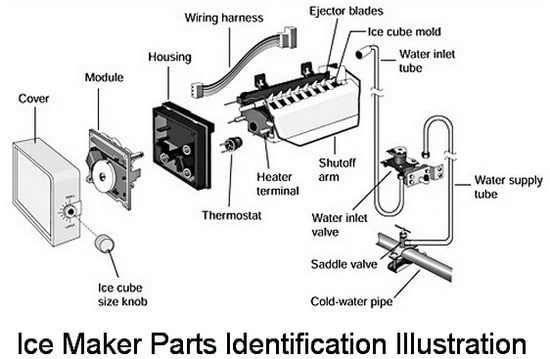
When your ice maker still produces ice but the water dispenser is dead, the main water supply and inlet valve are confirmed functional. The problem lives somewhere in the dispenser-specific path, which keeps the diagnosis simple.
This scenario usually points to a frozen line, clogged filter, or faulty switch. All three are beginner-friendly repairs.
Replace the Water Filter First
A clogged filter causes roughly 90% of flow-related complaints. Even if the indicator light says “Good,” don’t trust it. These lights run on timers, not actual flow sensors.
Warning signs your filter is the problem:
– No water or extremely slow trickle
– Black specks appearing in dispensed water
– Gurgling or sputtering sounds during use
Swap the filter in 5 minutes:
1. Unplug the refrigerator for safety.
2. Find the filter housing behind the front grille or inside the upper right compartment.
3. Press the release button and pull the old filter straight out.
4. Remove all plastic caps and packaging from the new filter.
5. Insert the filter and rotate until you hear a clear click.
6. Plug the fridge back in and flush 2–3 gallons through the system.
💡 Pro Tip: Keep a spare filter in your pantry. Hard water areas require replacement every 4–5 months; standard households should swap every 6 months.
No Water and No Ice? Check Supply and Pressure
When both the dispenser and ice maker fail, the issue sits upstream. Your refrigerator isn’t receiving water at all.
Start with the basics before opening any panels.
Verify the Water Supply Valve
A partially closed saddle valve is a surprisingly common culprit. It sounds obvious, but it’s often overlooked.
Quick check:
1. Pull the fridge away from the wall.
2. Locate the supply line connected to the back.
3. Find the saddle valve where it meets your home plumbing.
4. Turn the valve fully counter-clockwise to open it completely.
🛠️ Inspect for kinks: Check the entire water line for bends or crushing, especially where the fridge meets the wall.
Test Water Pressure at the Inlet Valve
Your inlet valve needs at least 20 PSI to open properly. Low pressure prevents the solenoid from activating.
How to test:
1. Shut off the main water supply.
2. Remove the lower back access panel.
3. Locate the push-to-connect coupling joining the main line to the dispenser line.
4. Press the collar and disconnect the tubing.
5. Place a bucket under the supply line.
6. Briefly turn on the water or activate the dispenser.
What the results mean:
– Strong flow: Supply is fine. The problem is internal.
– Weak or no flow: Valve is clogged or home pressure is too low.
⚠️ Warning: Never use pliers on plastic fittings. Push-to-connect couplings degrade over time and should be replaced if worn.
Frozen Water Line? Thaw It in 20 Minutes
Even with a working ice maker, the dispenser line can freeze solid. This is the leading cause when ice production continues but water dispensing stops completely.
Cold garages, winter temperatures, and freezer settings below 0°F all increase freeze risk.
Spot the Warning Signs
- No water and no sound when pressing the paddle
- Freezer set below 0°F (-18°C)
- Recent power outage or deep cleaning
- Unit located in an unheated space
Three Thawing Methods
Method 1: Hot Water Syringe (Best Option)
– Fill a large syringe with warm, not boiling, water.
– Insert into the dispenser nozzle and inject in short bursts.
– Repeat until water flows freely.
🔥 Never use boiling water. It can melt or deform plastic tubing.
Method 2: Hair Dryer
– Aim at the dispenser trim and door seam.
– Keep the dryer moving to avoid melting plastic.
– Test every few minutes by pressing the paddle.
Method 3: Passive Defrost
– Unplug the fridge and leave doors open for 4–6 hours.
– Wipe down moisture before restarting.
💡 Prevention: Keep your freezer between 0°F and 5°F. Overcooling dramatically increases freeze risk.
Dispenser Not Responding? Test the Paddle Switch
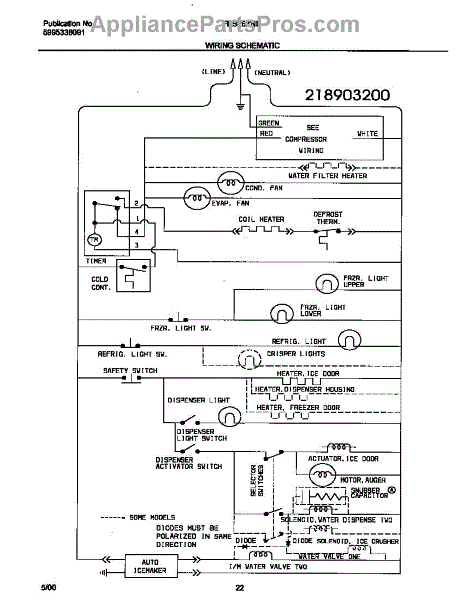
If pressing the lever produces no click, no hum, and no water, the dispenser switch may have failed. This small component sends the electrical signal that opens the water valve.
Diagnose the Switch
Symptoms of a bad switch:
– Zero response when pressing the lever
– Ice maker works fine, but water doesn’t
– No electrical sound from the valve area
Test with a multimeter:
1. Remove the drip tray and unscrew the dispenser frame.
2. Disconnect the wire harness.
3. Set your multimeter to continuity mode (beep setting).
4. Touch the probes to the switch terminals.
5. Press the switch plunger manually.
Reading the results:
– Beep: Switch is functional.
– No beep: Switch needs replacement.
Replace the Dispenser Switch
- Cost: $15–$40
- Time: 45–60 minutes
- Tools: 3/16″ nut driver, multimeter
- Remove the dispenser assembly.
- Unplug the switch connector.
- Unscrew and remove the faulty switch.
- Install the new switch and reassemble everything.
🛠️ Pro Tip: While you have the panel open, inspect the lever mechanism for debris or wear.
Control Panel Locked? Unlock in 3 Seconds
One of the most overlooked causes is the simplest: the dispenser is locked. This happens after cleaning sessions, accidental button presses, or curious kids playing with the panel.
Unlock the Dispenser
- Locate the Lock button on your control panel.
- Press and hold for 3 seconds.
- Listen for a beep or watch for the lock icon to disappear.
✅ Done. Try dispensing water again.
If the display stays blank or unresponsive, check for power issues. A tripped GFCI outlet or blown fuse can disable the entire control system.
Water Inlet Valve Failed? Test and Replace
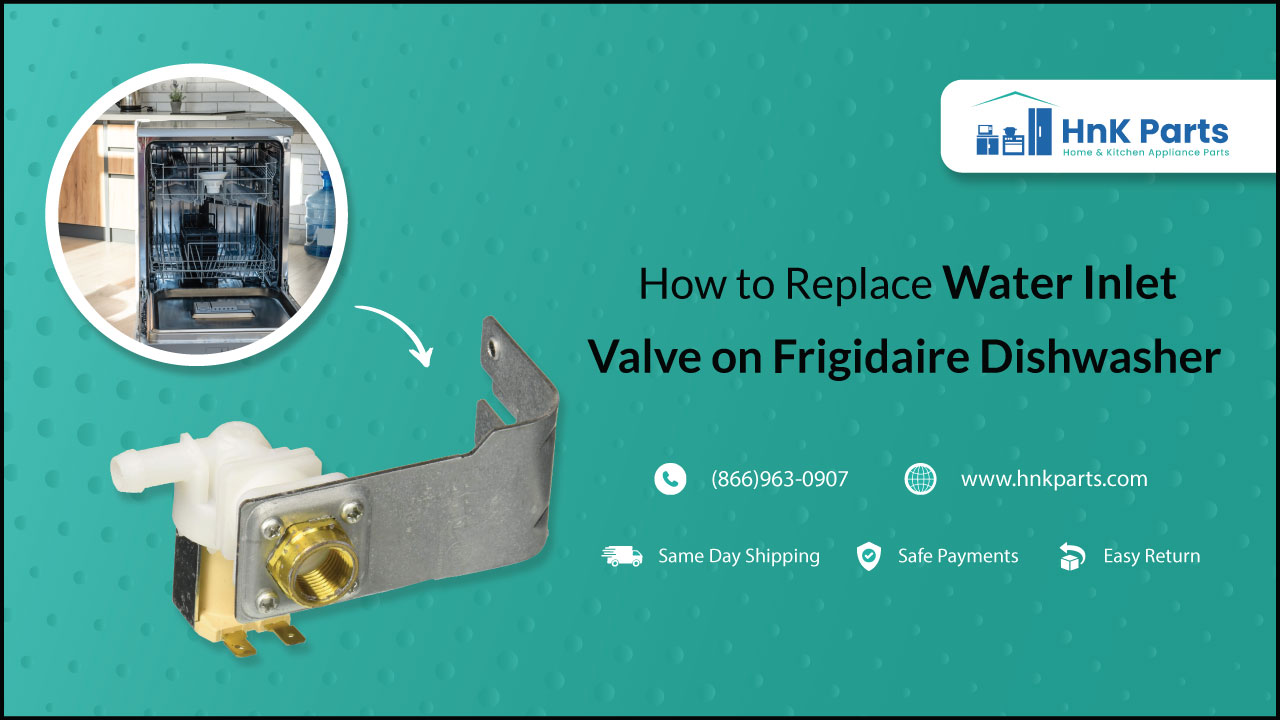
When you hear a click or hum when pressing the dispenser but no water flows, the inlet valve is likely the problem. This valve controls water entry into your refrigerator.
Test the Inlet Valve
Step 1: Listen for Power
– Press the dispenser paddle.
– Listen carefully for a click from the back of the fridge.
Step 2: Check Water Flow
– Disconnect the supply line at the push-to-connect coupling.
– Observe flow from the main supply line.
Step 3: Test Continuity
– Unplug the refrigerator.
– Remove wires from the valve terminals.
– Use a multimeter on continuity setting.
– No beep means a burned-out solenoid.
Replace the Water Inlet Valve
- Cost: $40–$60
- Time: 30–60 minutes
- Tools: Wrench, multimeter, bucket
- Shut off the water supply.
- Disconnect lines and electrical connectors.
- Remove mounting screws.
- Install the new valve and reconnect everything.
- Turn water back on and check for leaks.
⚠️ Sediment kills valves: Hard water causes premature failure. Consider a whole-house filter to extend component life.
Control Board Failure? Last Resort Diagnosis
If you’ve checked water pressure, cleared the lines, and tested the switches, the main control board might be the culprit. But don’t jump to this conclusion quickly. Boards are expensive and rarely the root cause.
Signs of a Bad Control Board
- No response from ice or water functions
- Error codes appearing on the display
- Intermittent operation across multiple features
- Other functions like lights or fans failing
Recommended Action
- Cost: $170–$400
- Skill Level: Expert only
- Recommendation: Call a qualified technician
Boards often require reprogramming or calibration after installation. On units over 10 years old, repair costs may exceed the fridge’s value.
New Fridge? Prime the System First
Just installed a new Frigidaire and the dispenser won’t work? Don’t panic. New units need priming before water flows properly.
Priming Steps
- Open the saddle valve fully counter-clockwise.
- Plug in the fridge and wait 6–12 hours for cooling.
- Dispense water in 3-minute intervals.
– The system automatically shuts off after 3 minutes to protect the motor.
– Release the paddle and press again to restart. - Flush 2–3 gallons to remove air pockets and carbon particles.
❄️ Note: Dispensed water is room temperature. It doesn’t pass through the cooling system.
Prevent Future Failures
A few simple habits keep your dispenser working reliably for years.
Essential Maintenance Habits
- Change the filter every 6 months, regardless of indicator status
- Keep freezer temperature between 0°F and 5°F to prevent freezing
- Inspect the supply line every 3 months for kinks or leaks
- Clean the dispenser nozzle and tray regularly to prevent mold
- Store a spare filter to minimize downtime during swaps
Quick Diagnosis Flowchart
| Symptom | Likely Cause | Recommended Fix |
|---|---|---|
| Ice maker works, no water | Frozen line or clogged filter | Thaw line or replace filter |
| No ice, no water | Closed valve or inlet failure | Check supply, test pressure |
| Click but no water | Frozen line or clogged valve | Thaw line or replace valve |
| No sound, no water | Bad switch or locked panel | Test switch or unlock controls |
| Leaking under fridge | Bad push-to-connect fitting | Replace coupling or trim tube |
| Sputtering water | Air in line or expired filter | Flush system or change filter |
Frequently Asked Questions About Frigidaire Water Dispensers
Why is my Frigidaire water dispenser not working but the ice maker is fine?
This usually points to a frozen water line in the door, a clogged filter, or a faulty dispenser switch. Since the ice maker works, your main supply and inlet valve are confirmed functional. Start by thawing the line and replacing the filter.
How do I unlock my Frigidaire water dispenser?
Press and hold the Lock button on the control panel for 3 seconds. You should hear a beep or see the lock icon disappear. This feature activates accidentally during cleaning or when children press the buttons.
Why is my Frigidaire water dispenser sputtering?
Sputtering typically means air in the lines or an expired filter. Flush 2–3 gallons through the system after any filter change. If sputtering persists, the filter likely needs replacement even if the indicator says otherwise.
Where is the reset button on a Frigidaire water dispenser?
Frigidaire refrigerators don’t have a dedicated dispenser reset button. Instead, unplug the unit for 30 seconds to reset the control board. For filter-related issues, replace the filter and flush the system thoroughly.
How often should I replace my Frigidaire water filter?
Replace the filter every 6 months under normal conditions. In hard water areas or high-usage households, swap it every 4–5 months. The indicator light is timer-based and may not reflect actual filter condition.
Can a frozen water line fix itself?
Yes, but slowly. If freezer temperatures rise above freezing, the line will thaw on its own. However, this can take hours. Using warm water in a syringe or a hair dryer speeds the process to about 20 minutes.
Key Takeaways for Fixing Your Frigidaire Water Dispenser
A silent dispenser is almost always fixable without professional help. Start with the simplest causes: filter, freeze, and flow. Use your ice maker as a diagnostic compass. If it works, the problem is downstream in the dispenser path. If it doesn’t, check the supply first.
Most repairs require only basic tools and 30 minutes of your time. A new filter costs $20–$50 and resolves 90% of flow issues. Frozen lines need nothing but warm water and patience. Even inlet valve replacements stay under $60 for parts.
Don’t let a non-working dispenser disrupt your routine. Try these fixes tonight, and you’ll likely have cold water flowing by tomorrow morning.