How to Purify Water with Calcium Hypochlorite
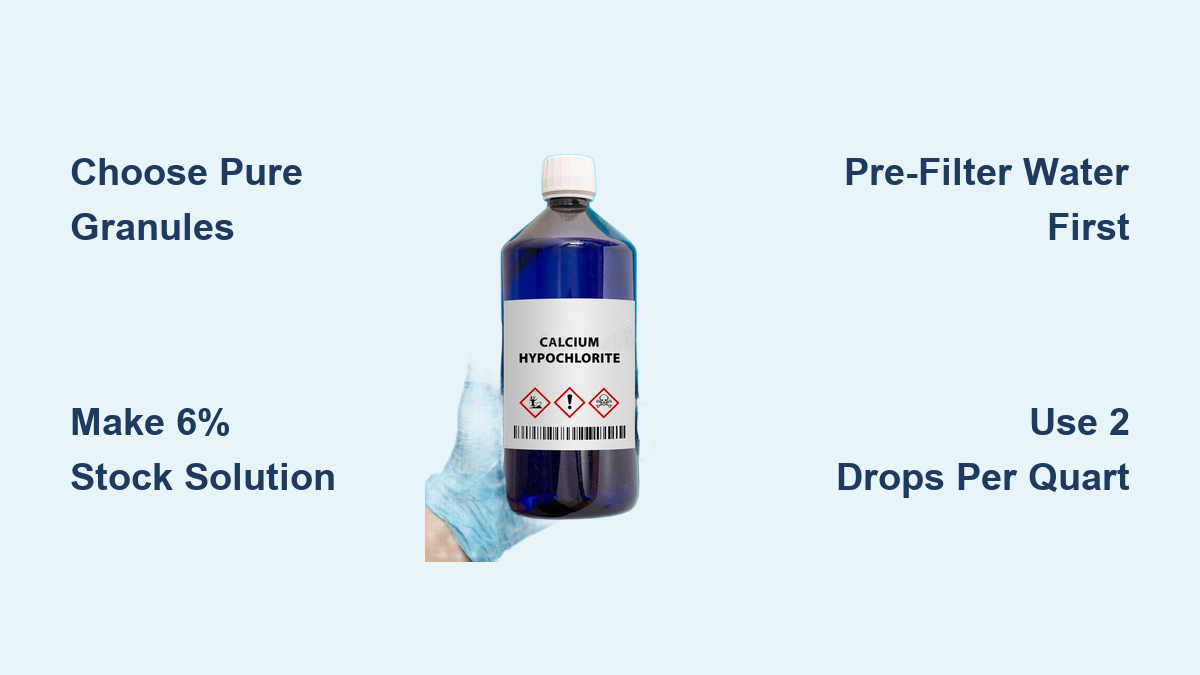
Imagine your water supply suddenly becomes unsafe. Floods, power outages, or infrastructure failure leave you without clean drinking water. In these emergencies, boiling may not be possible, and store-bought filters run out. This is where calcium hypochlorite becomes a lifesaver. Unlike liquid bleach, which degrades within months, calcium hypochlorite can purify thousands of gallons of water over a decade when stored properly. It is compact, stable, and powerful, making it ideal for long-term preparedness.
But using it correctly is critical. Too little, and harmful bacteria survive. Too much, and the water becomes dangerous. Worse, many people unknowingly buy pool shock with toxic additives or use outdated military dosing charts that do not account for modern product fillers, leading to ineffective treatment. The good news? With the right method, you can create a reliable, bleach-like stock solution that disinfects water safely and consistently.
This guide walks you through every step: how to choose the correct product, prepare a precise stock solution using updated formulas, treat water effectively, and store everything safely. You will also learn what chlorine cannot kill (like Giardia), why pre-filtration is non-negotiable, and how to eliminate the chemical aftertaste. By the end, you will have a complete, field-tested system for turning contaminated water into safe drinking water, anytime and anywhere.
Choose the Right Calcium Hypochlorite

Not all pool shock is safe for drinking water. Using the wrong product can poison you.
Avoid Toxic Additives
Only use products with one active ingredient: calcium hypochlorite. Avoid any that list:
- Cyanuric acid (a UV stabilizer that is harmful if ingested)
- Algaecides (often contain copper)
- Clarifiers or flocculants
- Fragrances, detergents, or anti-caking agents unless food-grade
These additives are designed for pools, not human consumption.
Select Proper Form and Purity
- Form: Use granular or powdered versions. Avoid tablets, as they contain binders and stabilizers.
- Purity: Look for 65–73% calcium hypochlorite on the label.
- Label Check: Read the “Active Ingredients” panel. If anything besides calcium hypochlorite is listed, do not use it for purification.
Buy and Store Safely
- Purchase in bulk for cost efficiency.
- Immediately repackage into smaller, airtight, non-metallic containers upon opening.
- Keep sealed and away from moisture, heat, and sunlight.
Prepare a 6% Stock Solution (Recommended Method)
Never add dry calcium hypochlorite directly to drinking water unless treating large storage volumes. Instead, make a liquid stock solution that mimics household bleach strength (5–6%).
Use the Whimpey Method for Accuracy
Old military guidelines assume pure chemical density. But commercial granules contain up to 32% inert fillers, making them less dense. The Whimpey Method adjusts for this and ensures effective disinfection.
Mix 1 Gallon of Stock Solution
-
Gather Supplies:
– 1-gallon plastic container (HDPE, like a bleach jug)
– Measuring cup
– 1.4 cups (1 and 2/5 cups) of 68% calcium hypochlorite granules
– 1 gallon of clean water -
Displace Water:
– Fill the jug with 1 gallon of water.
– Remove 1 cup of water to make space for the powder. -
Add Granules:
– Pour in 1.4 cups of calcium hypochlorite. -
Dissolve:
– Seal tightly and shake gently.
– Let sit for several hours. It may be cloudy at first; this is normal. -
Label Clearly:
– Mark “DANGER: CONCENTRATED BLEACH – DO NOT DRINK”
– Add the date mixed.
Scale Down for Smaller Batches
- For 1 quart (0.25 gal): Use 0.35 cups (~1/3 cup) granules + 3.65 cups water.
- Always maintain the 1.4 cups per gallon ratio.
Alternative: Military Small-Batch Method
If you lack tools for large batches:
- Mix 1.5 teaspoons of calcium hypochlorite powder into 1 cup of water.
- Stir until fully dissolved.
- This yields ~5% solution, which is slightly weaker but usable.
Warning: Do not use the outdated “2 tablespoons per 4 cups” ratio. That dose is too low for modern granular products. The correct military-aligned dose is 6 tablespoons per 4 cups of water for a true 6% solution.
Treat Drinking Water Safely
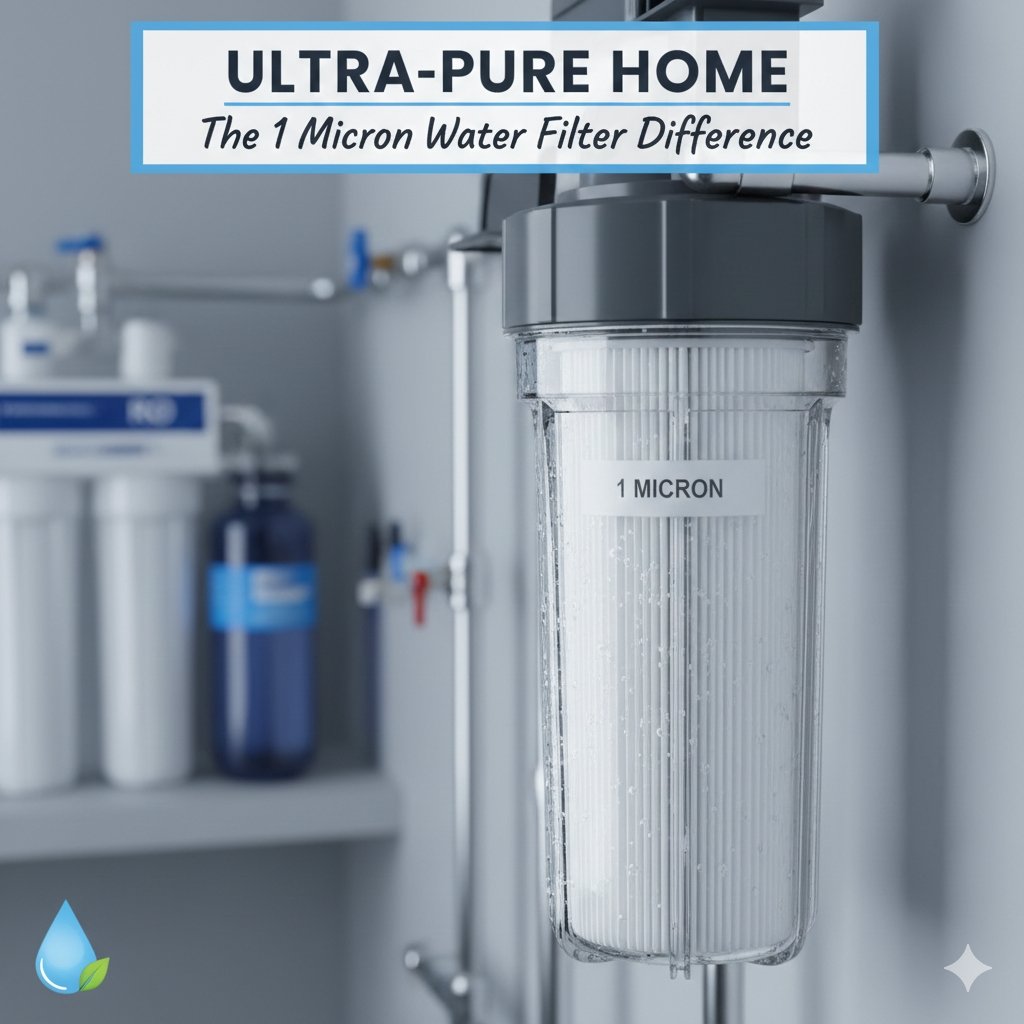
The stock solution is toxic, so never drink it. Use it only to dose clean or filtered water.
Pre-Filter All Water
Chlorine kills bacteria and viruses but not protozoan cysts like Giardia or Cryptosporidium. These require physical removal.
- Filter water through:
- A 1-micron or smaller filter (e.g., ceramic, hollow fiber)
- Or a clean cloth to remove visible sediment
- This step is essential for backcountry or floodwater sources.
Dose with Stock Solution
Use 2 drops per quart (1 liter) of clear water.
Step-by-Step Treatment:
- Measure: Pour 1 quart of pre-filtered water into a clean container.
- Add Drops: Use an eyedropper to add 2 drops of 6% stock solution.
- Agitate: Stir or shake well.
- Wait: Let stand for at least 30 minutes in a shaded area.
- Smell Test: After 30 minutes, check for a slight chlorine odor.
– Smell present: Water is disinfected.
– No smell: Add 2 more drops, wait another 30 minutes.
Never exceed 4 drops per quart unless re-dosing due to no chlorine smell. Over-chlorination affects taste and safety.
Adjust for Cloudy or Cold Water
- Turbid (cloudy) water: Double the dose to 4 drops per quart after pre-filtering.
- Cold water (<10°C/50°F): Extend contact time to 60 minutes, since chlorine works slower in cold conditions.
Treat Large Water Storage (55-Gallon Drums)
For long-term emergency storage, disinfect the entire volume at once.
Use Dry Powder for Bulk Treatment
- Volume: 50–55 gallons
- Dosage: Add ½ teaspoon of dry calcium hypochlorite (65–73% purity)
Some older guides say ¼ tsp, but ½ tsp provides a better safety margin against regrowth.
Treatment Process:
- Fill drum with pre-filtered water.
- Add ½ tsp of dry calcium hypochlorite directly.
- Seal lid tightly.
- Let sit for at least 24 hours before use.
Water drawn from the drum afterward does not need re-treatment if fully mixed and rested.
Store Properly for Long-Term Use
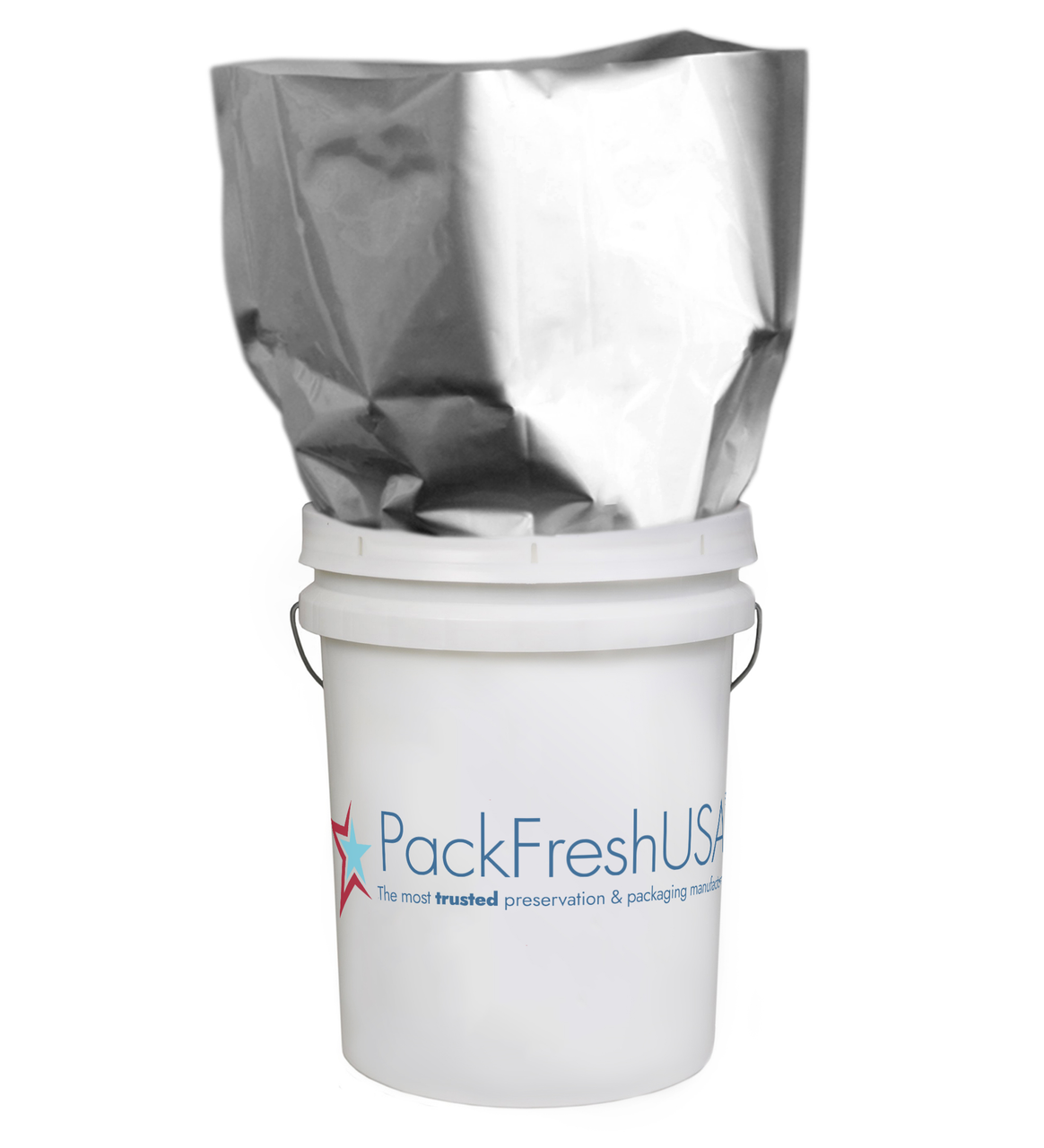
Your supply is only as good as its storage.
Dry Powder: Up to 10-Year Shelf Life
Moisture, heat, and light destroy potency.
Ideal Storage Protocol:
- Transfer from original bag to:
– Glass jar with plastic lid
– Or HDPE plastic container - Place inside a Mylar bag with an oxygen absorber.
- Seal the bag and put it in a watertight plastic bucket.
- Store in a cool, dark, dry place (e.g., basement, pantry).
Never store near metal, since chlorine gas can corrode stainless steel, copper, or aluminum.
Small-Scale Storage (First Aid Kits)
- Use amber prescription bottles with child-proof caps.
- Keep away from metal tools or containers.
Stock Solution: 6-Month Shelf Life
Once mixed, it degrades like liquid bleach.
- Label with mixing date
- Store in dark, cool place
- Shake before use since solids may settle
- Replace every 6 months
Understand Safety Hazards
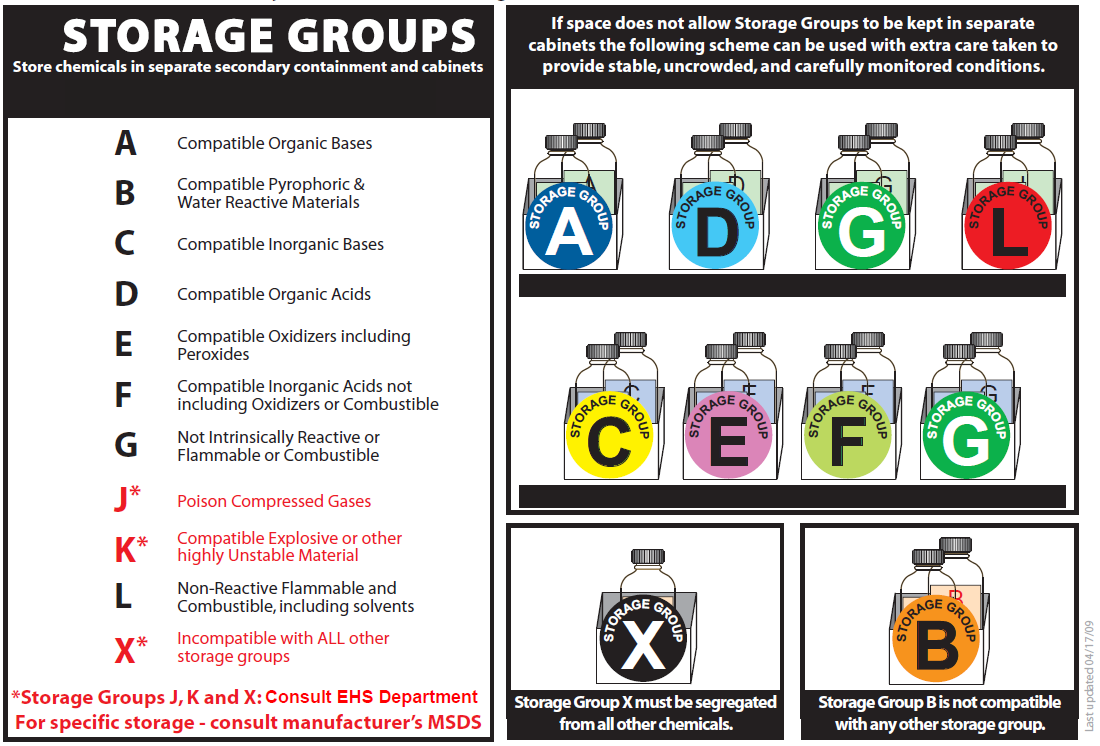
Calcium hypochlorite is a strong oxidizer, so handle it with care.
Prevent Dangerous Reactions
- Never mix with acids, ammonia, or organic materials (oil, fuel, solvents), as toxic gases or fire can result.
- Aluminum contact: Can cause violent reaction and should be strictly avoided.
- Stainless steel: Chlorine gas will corrode it over time, so store separately.
Protect Yourself
- Wear gloves and goggles when handling dry powder or stock solution.
- Work in well-ventilated areas and avoid inhaling dust or fumes.
- Keep out of reach of children and pets.
Container Compatibility
| Material | Safe? | Notes |
|---|---|---|
| HDPE/LDPE Plastic | Yes | Best for long-term storage |
| Polypropylene | Yes | Ideal for lids and scoops |
| Glass (plastic lid) | Yes | Use only with non-metal lids |
| Stainless Steel | Caution | Corrodes from gas exposure |
| Aluminum | No | Risk of fire or explosion |
| Steel/Iron | No | Rapid rusting |
Improve Taste and Remove Chlorine
Treated water often tastes and smells like chlorine. You can fix this.
Use Activated Charcoal Filtration
Pass treated water through:
– A commercial activated carbon filter
– Or a homemade filter with charcoal powder (from burned wood, finely crushed)
This removes:
– Chlorine taste and odor
– Residual disinfectants
– Some organic compounds
Safe and effective, as it is used in household water filters.
Do Not Use Vitamin C (Ascorbic Acid) for Dechlorination
While it neutralizes chlorine, it:
– Adds sugar or alcohol byproducts if not pure
– Can support microbial growth in stored water
– Is unnecessary if using charcoal filtration
Stick with activated charcoal for best results.
Troubleshoot Common Problems
Even with care, issues arise. Know how to respond.
No Chlorine Smell After 30 Minutes
Cause: High organic load consumed the chlorine, or stock solution is degraded.
Fix:
– Add 2 more drops of stock solution.
– Wait another 30 minutes.
– If still no smell, treat with fresh stock solution or boil.
Boil as backup: If in doubt, bring water to rolling boil for 1 minute (3 minutes at high altitude).
Clumped or Hard Powder
Cause: Moisture exposure means the product has likely lost potency.
Action: Discard if:
– Powder does not flow freely
– Forms solid chunks
Do not use for critical water treatment.
Metal Corrosion Near Storage
Cause: Chlorine gas off-gassing from container.
Solution:
– Move storage container away from metal items.
– Double-bag in Mylar with oxygen absorber.
– Place inside a sealed plastic bucket.
Confusion Over Purity Percentages
Fact: 65%, 68%, or 73% calcium hypochlorite vary slightly in strength, but the Whimpey Method includes a safety margin.
You do not need to recalculate for minor differences. Stick to:
– 1.4 cups per gallon for stock solution
– 2 drops per quart for treatment
These doses work across common purity levels.
Frequently Asked Questions About Calcium Hypochlorite Water Purification
How much calcium hypochlorite do I need to purify water?
For a 6% stock solution, mix 1.4 cups of 68% calcium hypochlorite granules per gallon of water. To treat drinking water, add 2 drops of this stock solution per quart of pre-filtered water. One pound of powder can treat approximately 10,000 gallons of water.
Can I use pool shock tablets for drinking water?
No. Tablets contain binders and stabilizers that are unsafe for human consumption. Only use granular or powdered calcium hypochlorite with no additives other than inert fillers.
How long does calcium hypochlorite last in storage?
Dry powder stored properly in a sealed, moisture-free environment can last up to 10 years. Once mixed into a stock solution, it degrades within 6 months, similar to household bleach.
Why does my treated water have no chlorine smell?
This usually means the chlorine was consumed by organic matter or the stock solution is too weak. Add 2 more drops per quart, wait another 30 minutes, and test again. If still no smell, boil the water or use a fresh batch of stock solution.
Does calcium hypochlorite kill Giardia and Cryptosporidium?
No. Chlorine is highly effective against bacteria and viruses, but it cannot kill protozoan cysts like Giardia and Cryptosporidium. You must pre-filter water through a 1-micron or smaller filter before chemical treatment.
Can I store calcium hypochlorite in metal containers?
No. Calcium hypochlorite emits chlorine gas that corrodes stainless steel, copper, and aluminum. Aluminum can even cause a violent reaction. Use only HDPE plastic, polypropylene, or glass with a plastic lid.
Key Takeaways for Purifying Water with Calcium Hypochlorite

Calcium hypochlorite remains one of the most reliable tools for emergency water purification when used correctly. Choose additive-free granules with 65–73% purity, and prepare your stock solution using the Whimpey Method (1.4 cups per gallon). Always pre-filter water through a 1-micron filter to remove protozoan cysts that chlorine cannot kill. Dose with 2 drops per quart, wait 30 minutes, and verify with a chlorine smell test.
Store dry powder in glass or HDPE plastic inside a Mylar bag with an oxygen absorber, and keep it away from all metals. Replace your stock solution every 6 months. With this system, you can safely purify up to 10,000 gallons per pound of chemical, making it far more efficient and durable than liquid bleach. Start by sourcing a pure product and mixing your first gallon of stock solution today, so you are ready before the next emergency strikes.